The Story
Plant Bio
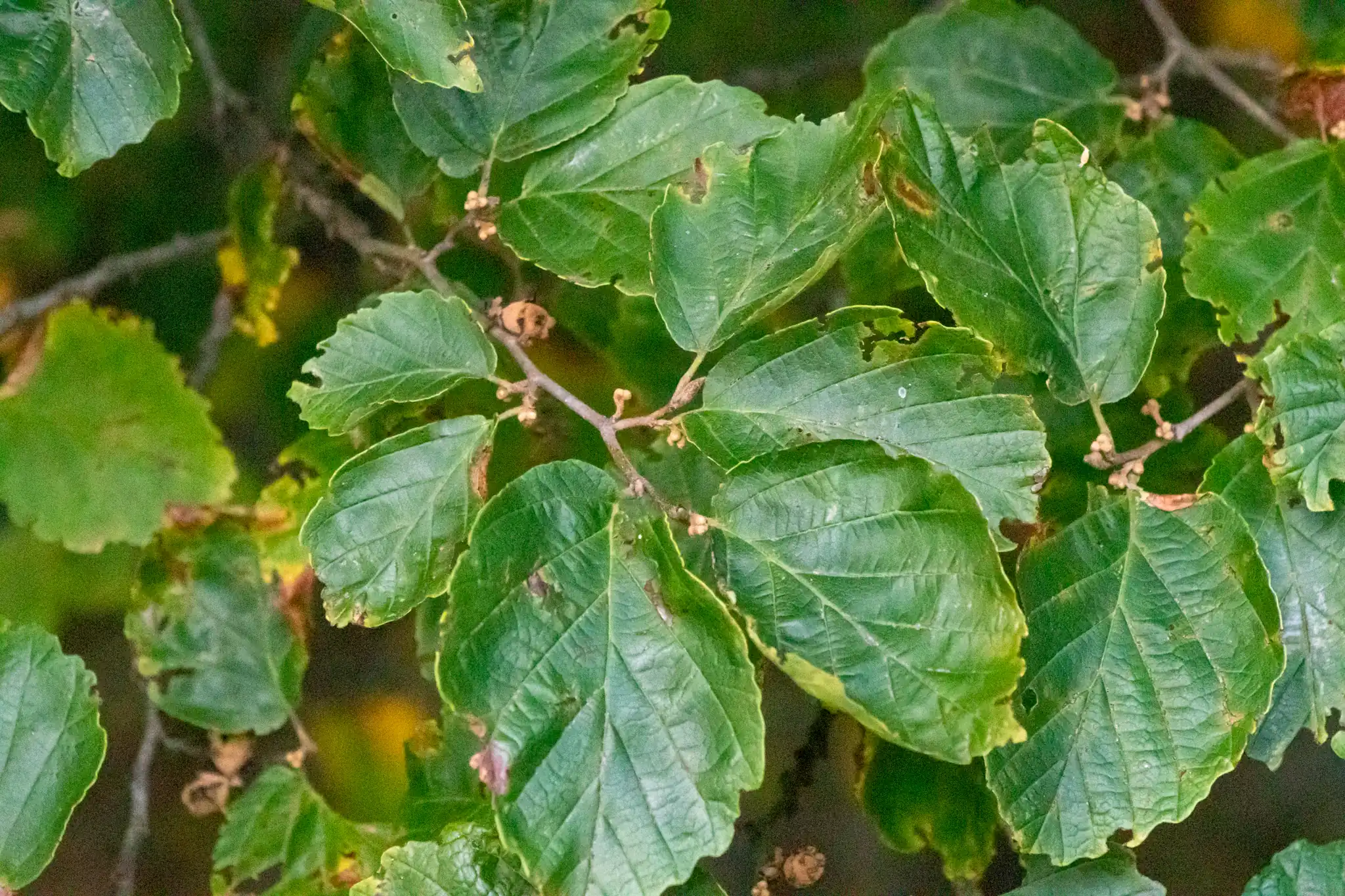
Hamamelis virginiana is a large, multi-stemmed deciduous shrub or small tree native to eastern North America. It is celebrated for its unique, fragrant, spidery yellow flowers that bloom in late autumn, often after the leaves have dropped.
Its most distinctive feature is its late-season bloom time, providing a surprising burst of color and fragrance as the landscape heads into winter. The plant is also the source of the astringent witch hazel, extracted from its bark and leaves.
Uses & Benefits:
Essentials
At a Glance
Plant Type
Shrub
Height
240"
Width
240"
Light
Full Sun, Partial Sun, Shade
Zones
4, 5, 6, 7, 8
Water
Medium
Humidity
Average
Lifespan
Long-lived, over 40 years
Native To
Eastern North America
Toxicity
Non-toxic
Bloom period
Mid-fall – Late fall
In flower about 2 months of the year
Marketplace
Where to Buy
Shipping costs Year-round shipping Free shipping
Planting
How to Grow
- Select a site with partial shade and moist, acidic, organic-rich soil.
- Dig a hole that is twice as wide as the root ball.
- Set the shrub in the hole, with the top of the root ball at soil level.
- Backfill with soil and water deeply to settle.
- Water regularly, especially during the first year and in dry weather.
- Mulch with compost or shredded leaves to conserve moisture and cool the roots.
Pro Tip
Plant it where you can enjoy its late-season fragrance, such as near a walkway or patio, for a delightful autumn surprise.
Keep It Thriving
Care Guide
Do
- Provide consistent moisture, as it does not tolerate drought well.
- Plant in a location with good air circulation to minimize leaf diseases.
- Allow it to grow into its natural, open, vase-like shape.
- Remove root suckers to maintain a tidy appearance and prevent spreading.
Don't
- Do not plant in dry, alkaline, or compacted soils.
- Avoid heavy pruning, which can ruin its natural form.
- Don't let the soil dry out completely, especially in summer.
- Refrain from using broad-spectrum insecticides that could harm its unique winter moth pollinators.
Seasonal Care Calendar
| Task | Jan | Feb | Mar | Apr | May | Jun | Jul | Aug | Sep | Oct | Nov | Dec |
|---|---|---|---|---|---|---|---|---|---|---|---|---|
| Mulch | ||||||||||||
| Pest Check | ||||||||||||
| Plant | ||||||||||||
| Prune |
Watch Out For
Pests & Diseases
Common Pests
Common Diseases
In the Garden
Landscape Uses & Companions
Landscape Uses
Multiply
Propagation Methods
Good to Know
Common Questions
Common Witch Hazel questions
What zones can Common Witch Hazel grow in?
Common Witch Hazel is hardy in USDA Zones 4–8. Inside that range it survives winter in the ground; outside it, grow it as an annual or a container plant you protect.
Is Common Witch Hazel deer resistant?
Yes — Common Witch Hazel is rated deer-resistant. Deer typically pass it over, though extreme hunger can override any plant's defenses.
When does Common Witch Hazel bloom?
Common Witch Hazel typically blooms in mid-fall through late fall. Exact timing shifts a week or two with your zone — Sow's bloom calendar maps it to your garden.
Does Common Witch Hazel need full sun?
Common Witch Hazel does best in full sun to part shade. In hot climates, afternoon shade keeps blooms fresher longer.
More Hamamelis to compare
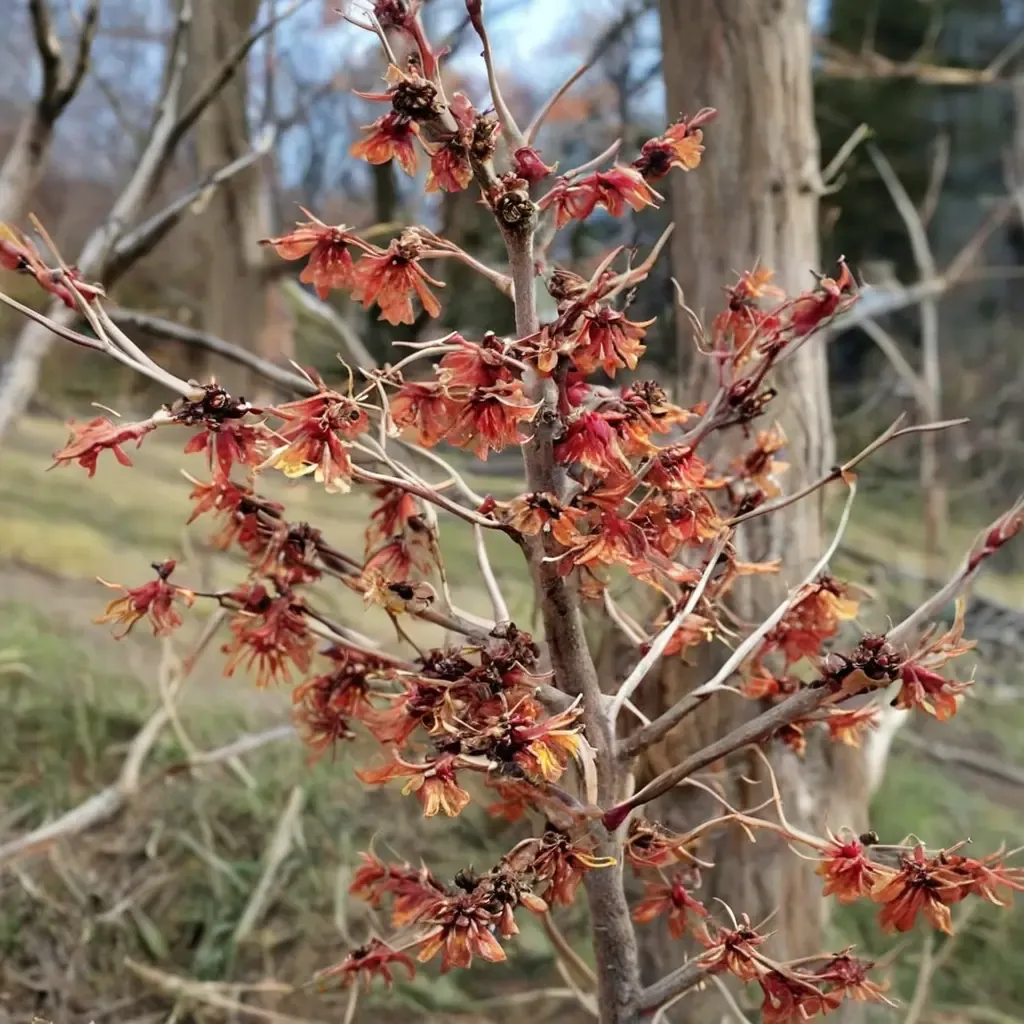
Diane Witch Hazel
Hamamelis x hybrida 'Diane'
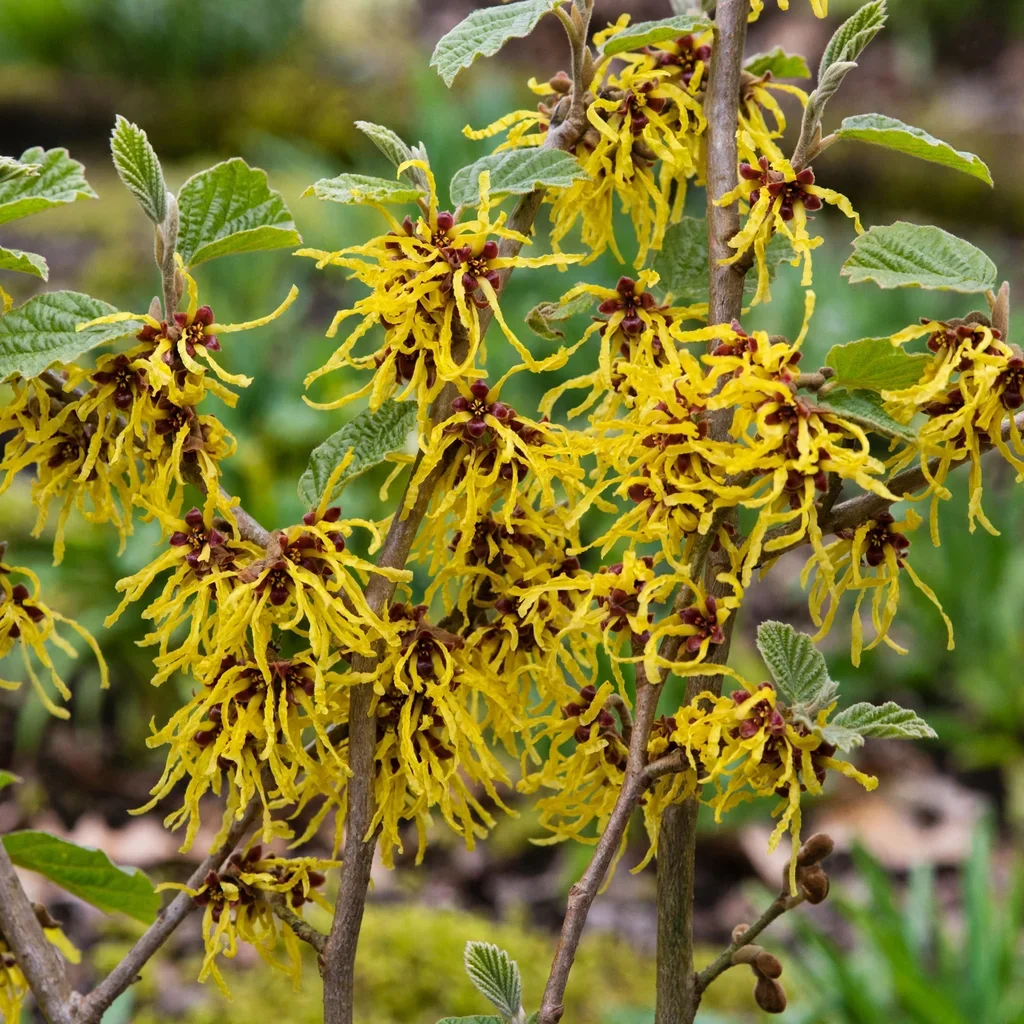
Arnold Promise Witch Hazel
Hamamelis x hybrida 'Arnold Promise'
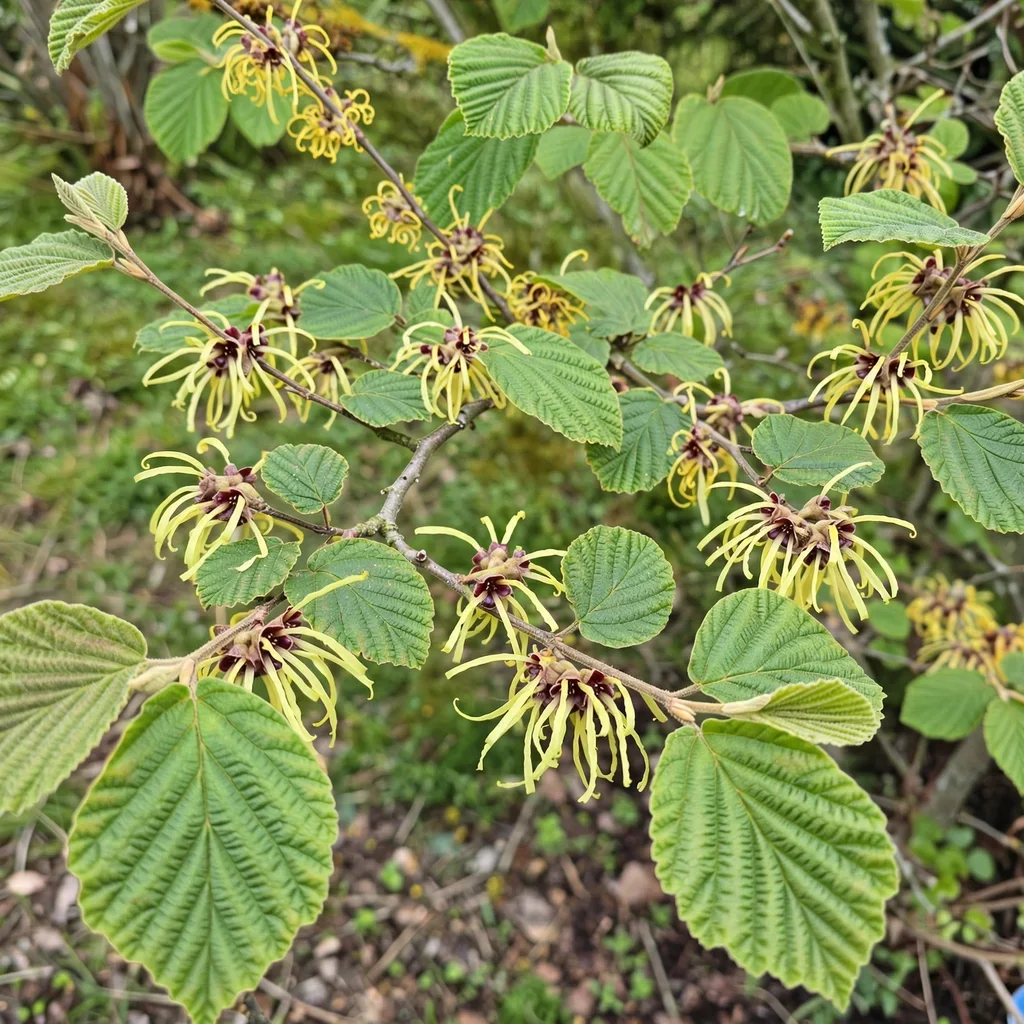
Witch Hazel
Hamamelis x hybrida
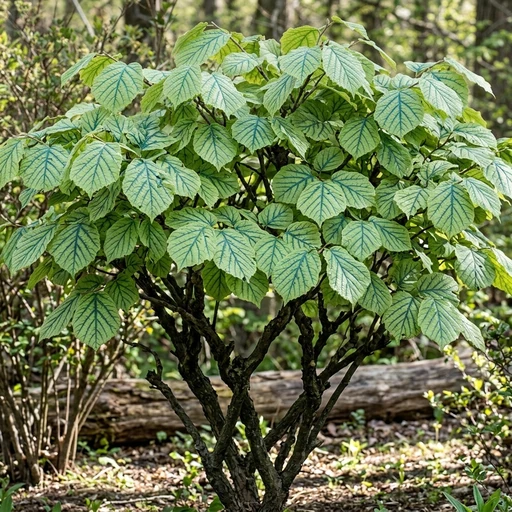
Arnold Witch Hazel
Hamamelis intermedia 'Arnold'
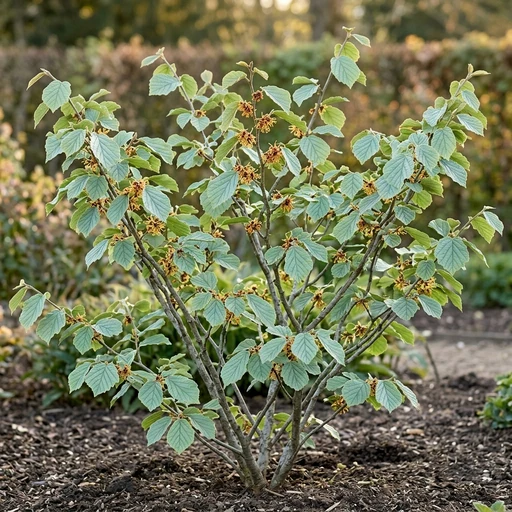
Vernal Witch Hazel
Hamamelis vernalis
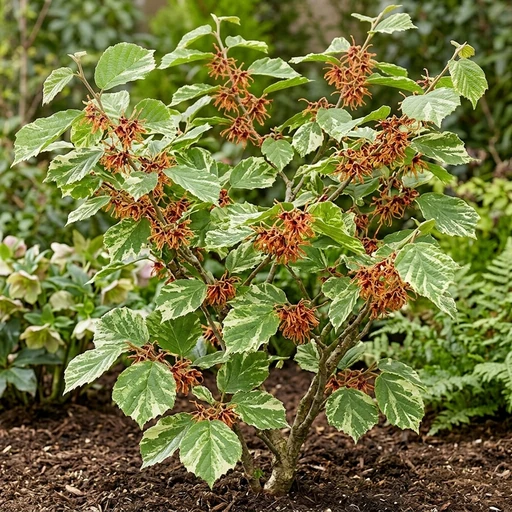
Copper Beauty Witchhazel
Hamamelis intermedia 'Copper Beauty'
Keep exploring
Explore the genus
Hardy in your zone?
Grow Common Witch Hazel with confidence
See it in a design of your actual yard, get zone-matched care reminders, and track it season by season in your garden journal.