Also known as Witch Hazel · 220 saves
Hamamelis
Hamamelis, the genus most gardeners know as witch hazel. We track 8 varieties; the ones most used by real gardeners.
The 8 most-saved Hamamelis varieties
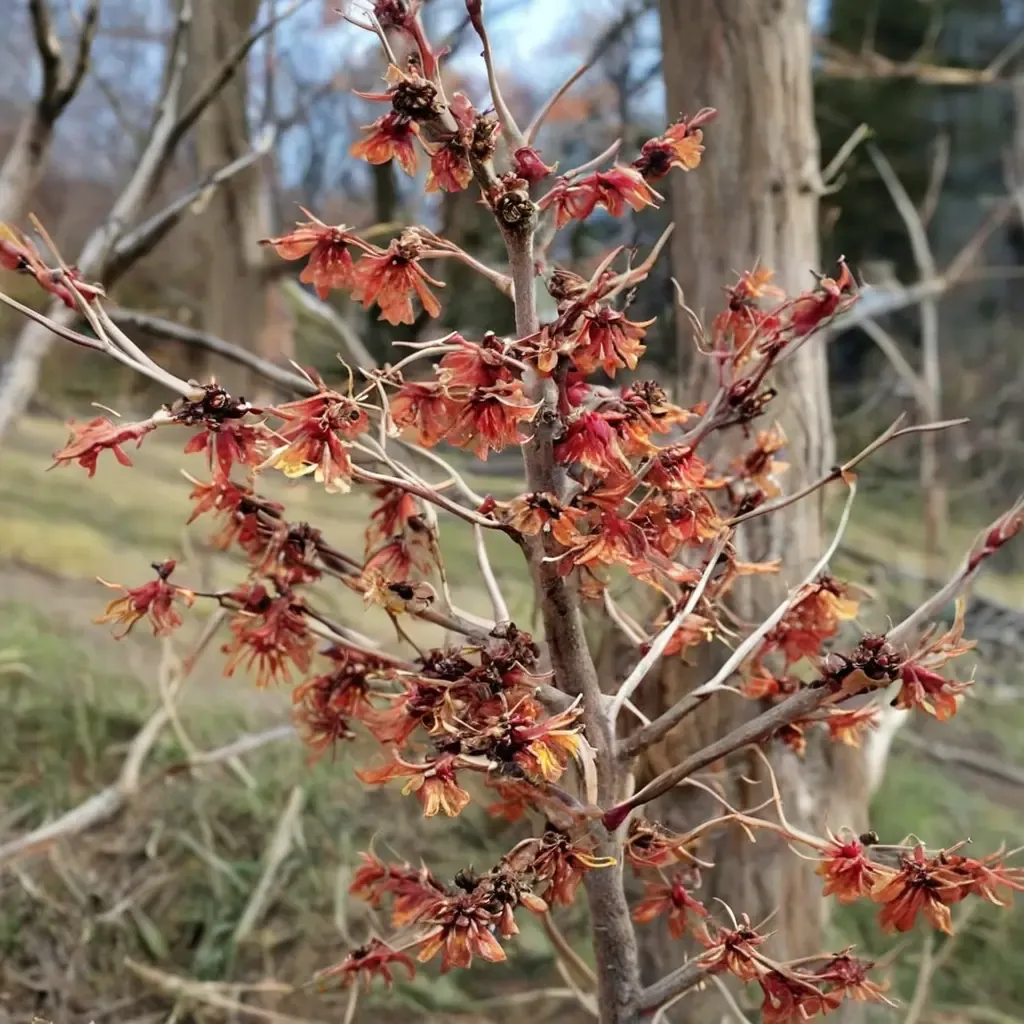
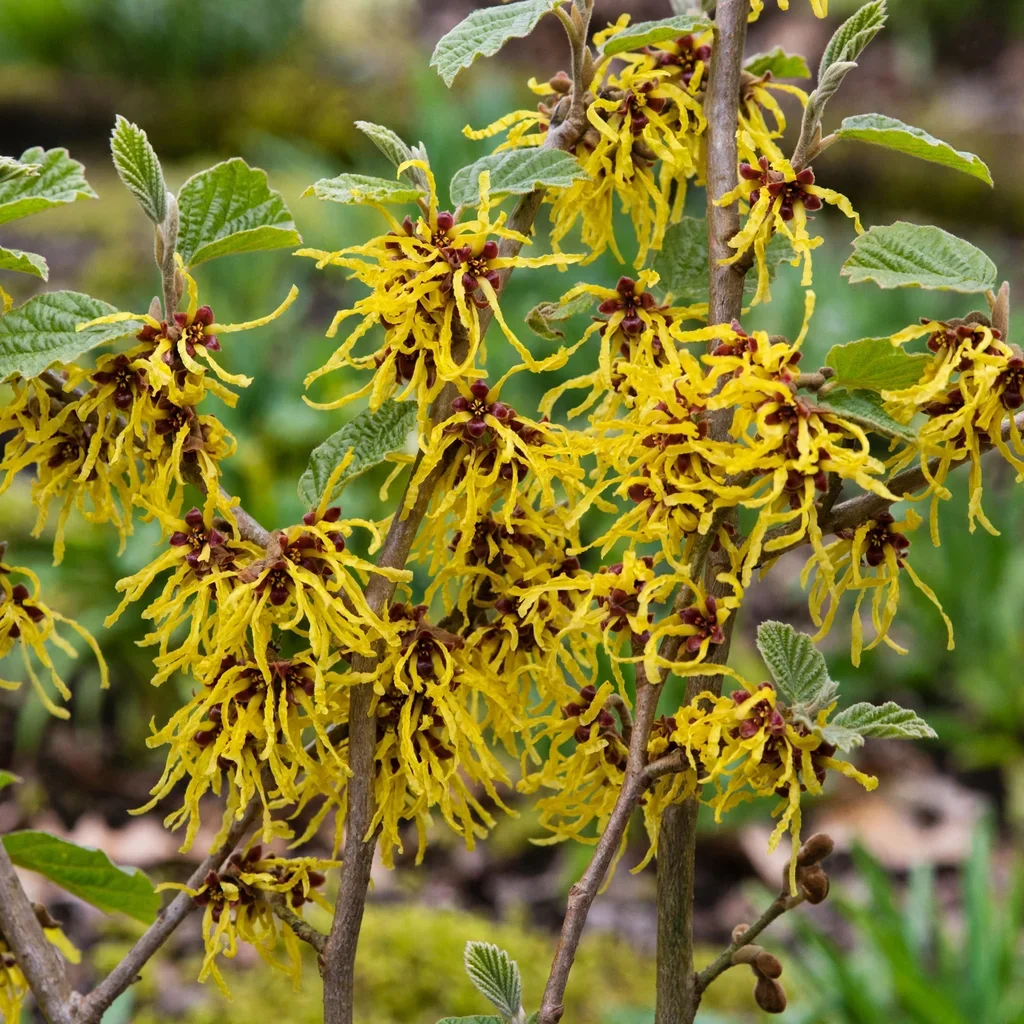
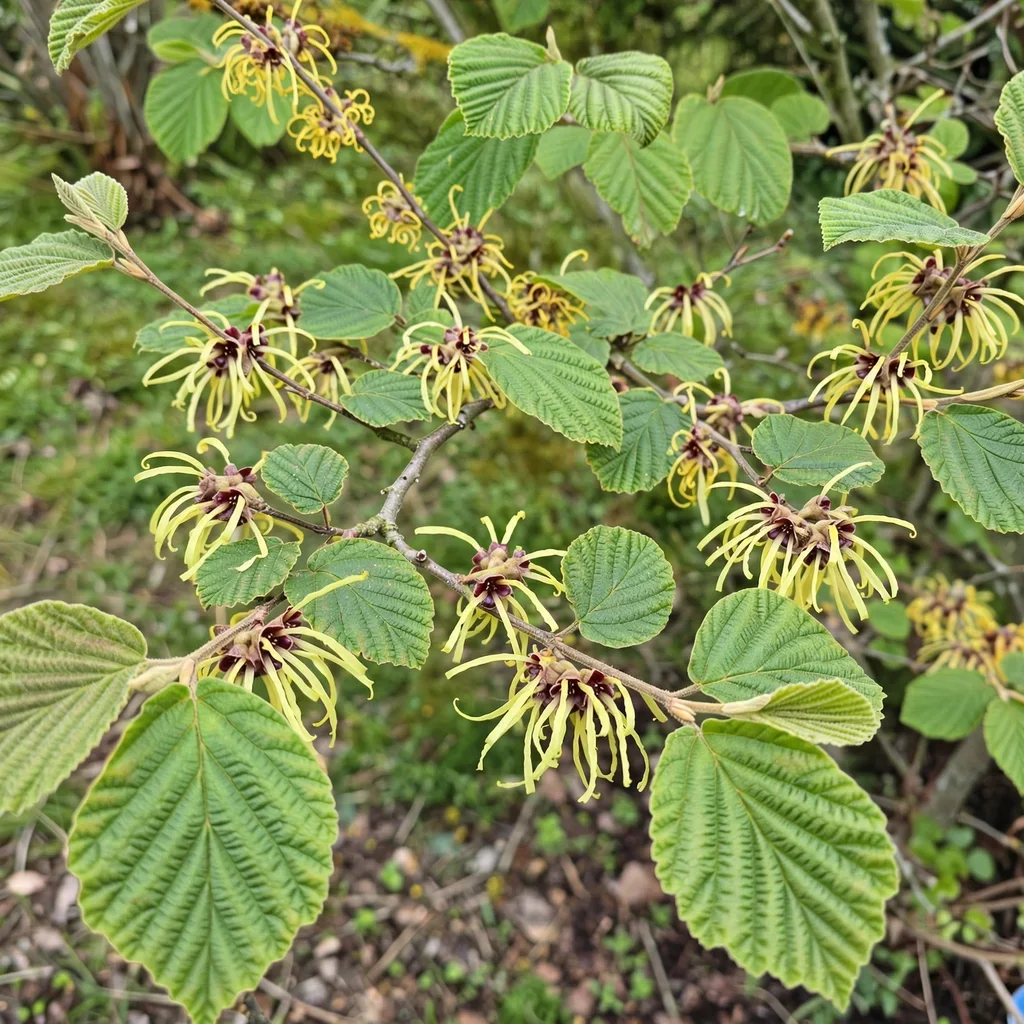
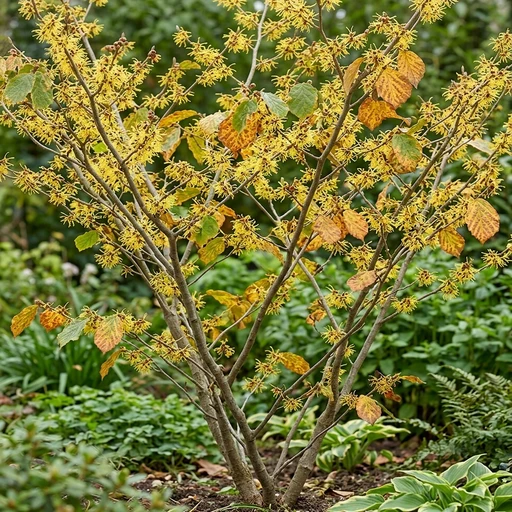
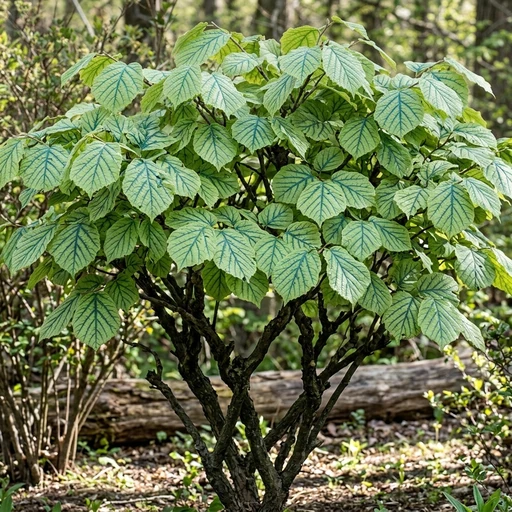
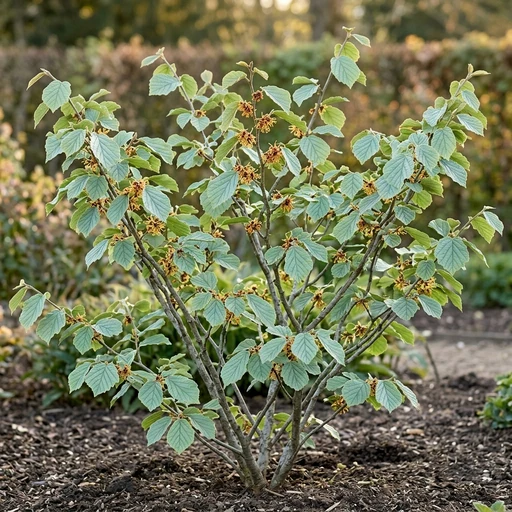
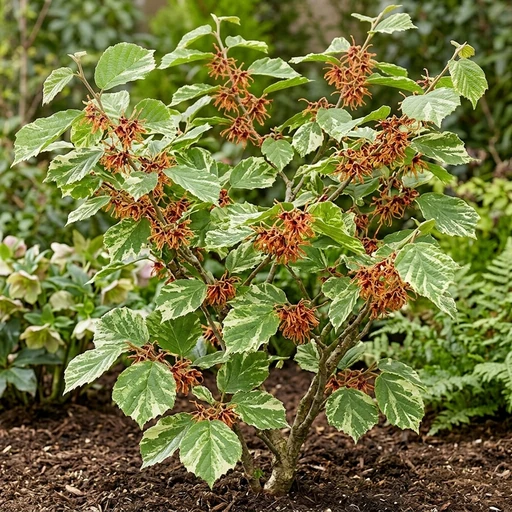

2 species of Hamamelis
Each one is a parent of the varieties above.
Track your Hamamelis in Sow
Save the Hamamelis you grow and get care reminders timed to your zone.
How to grow Hamamelis
Whats common across all Hamamelis varieties in our catalog — drawn from the care records of the 8 most-grown of them.
The Hamamelis year
- MulchMay and November88% of varieties
Apply 2-3 inches of organic mulch to keep the root zone cool and moist.
- PruneApril88% of varieties
Prune immediately after flowering only to shape or remove suckers/dead wood.
- PlantApril, May, October and November50% of varieties
Plant container stock in spring or fall; bare-root in early spring.


Do
- Water regularly during dry spells 🌱
- Prune after flowering to maintain shape
- Prune after flowering to maintain shape ✂️
- Apply a balanced fertilizer in early spring
- Mulch annually to conserve moisture
Avoid
- Avoid overwatering to prevent root rot ❌
- Don't fertilize heavily; a top-dressing of compost is usually sufficient.
- Don't prune in late fall or winter
- Refrain from using heavy, clay-based soils without amendments
What goes wrong with Hamamelis
| Problem | What you'll see | What to do |
|---|---|---|
| Aphids | Distorted leaves and sticky residue | Spray with insecticidal soap or neem oil |
| Witch Hazel Gall Aphid | Cone-shaped galls form on the upper surface of leaves. | Damage is cosmetic and control is rarely needed. Remove and destroy affected leaves if desired. |
| Scale insects | Hardened, waxy coverings on stems | Use horticultural oil during dormant season |
| Gall Aphids | Cone-shaped galls forming on the upper surfaces of leaves. | Mostly a cosmetic issue. Remove and destroy galled leaves. Horticultural oil applied before bud break can help. |
| Leaf Spot | Dark, circular spots on leaves | Improve air circulation and remove affected foliage |
| Powdery Mildew | White, powdery coating on leaves | Apply fungicide and ensure good airflow |
| Generally disease-free | No significant disease issues are typical | Monitor only; no routine treatment needed |
Making more Hamamelis
Grafting
- In late winter, collect scion wood from the desired cultivar.
- Use a whip-and-tongue graft to attach the scion to H. virginiana rootstock.
- Wrap the union securely with grafting tape.
- Grow on in a protected environment until the graft takes. This is the primary commercial method.
Seed
- Collect mature seeds in fall
- Stratify seeds in moist sand for 3 months
- Plant in prepared soil in early spring
- Water regularly and keep soil moist
Hamamelis questions
How many types of Hamamelis are there?
The Sow catalog tracks 8 distinct Hamamelis varieties. The most popular — ranked by 220 real gardeners — are shown first above.
What zones does Hamamelis grow in?
Across its varieties, Hamamelis covers USDA Zones 4–8. Individual varieties differ — each plant page lists its exact range, and Sow filters the catalog to your zone automatically.
When does Hamamelis bloom?
Most Hamamelis varieties bloom in late winter, early spring, mid-fall. Staggering early, mid, and late varieties extends the genus's season in one bed.
Which Hamamelis should I choose?
Start from the most-saved varieties above — popularity across thousands of gardens is a strong signal of reliability — then filter by your zone and sun. In the Sow app you can preview any of them in a photo of your actual yard before you buy.