The Story
Plant Bio
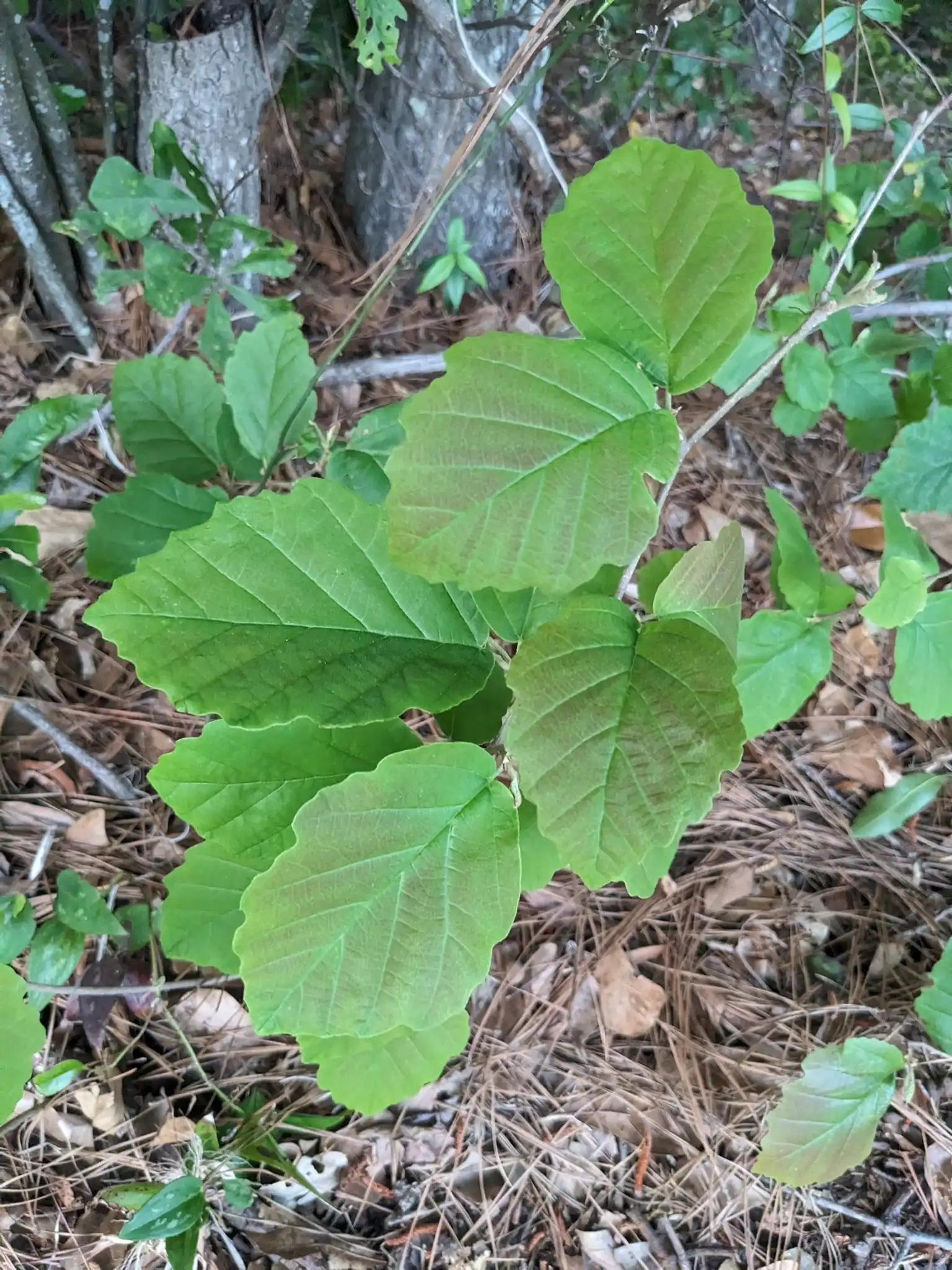
Hamamelis vernalis is a multi-stemmed, suckering deciduous shrub native to the Ozark Plateau, prized for its extremely early, fragrant winter blooms on bare stems. It has a rounded, open habit and attractive yellow fall color.
As the species, its key feature is its hardiness and fragrant, late-winter flowers that can withstand freezing temperatures, unfurling again when conditions warm. The spicy fragrance is a welcome sign of impending spring.
Uses & Benefits:
Essentials
At a Glance
Plant Type
Shrub
Height
120"
Width
120"
Light
Full Sun, Partial Sun
Zones
4, 5, 6, 7, 8
Water
Medium to wet
Humidity
Moderate
Lifespan
30-50 years
Native To
Central United States (Ozark Plateau)
Toxicity
Non-toxic
Bloom period
Late winter – Early spring
In flower about 2 months of the year
Planting
How to Grow
- Select a site in full sun to part shade with average to moist soil.
- Dig a hole twice as wide as the root ball.
- Amend the soil with compost, especially if it is heavy clay.
- Set the plant in the hole, ensuring the crown is at soil level.
- Backfill with amended soil and water deeply.
- Mulch with wood chips or leaf mold to retain moisture.
Pro Tip
Plant it where you can enjoy its spicy fragrance in late winter, such as near a doorway or walkway.
Keep It Thriving
Care Guide
Do
- Provide consistent moisture, as it is not drought tolerant.
- Prune after flowering to control size and remove unwanted suckers.
- Allow it to naturalize in a woodland garden setting.
- Plant in slightly acidic soil for best performance.
Don't
- Don't plant in dry, alkaline soils.
- Avoid pruning in late summer or fall, as this will remove winter's flower buds.
- Don't remove all the suckers if you want a natural, thicket-like form.
- Don't fertilize heavily; a top-dressing of compost is usually sufficient.
Seasonal Care Calendar
| Task | Jan | Feb | Mar | Apr | May | Jun | Jul | Aug | Sep | Oct | Nov | Dec |
|---|---|---|---|---|---|---|---|---|---|---|---|---|
| Mulch | ||||||||||||
| Plant | ||||||||||||
| Prune |
Watch Out For
Pests & Diseases
Common Pests
Common Diseases
In the Garden
Landscape Uses & Companions
Landscape Uses
Multiply
Propagation Methods
Good to Know
Common Questions
Vernal Witch Hazel questions
What zones can Vernal Witch Hazel grow in?
Vernal Witch Hazel is hardy in USDA Zones 4–8. Inside that range it survives winter in the ground; outside it, grow it as an annual or a container plant you protect.
Is Vernal Witch Hazel deer resistant?
Yes — Vernal Witch Hazel is rated deer-resistant. Deer typically pass it over, though extreme hunger can override any plant's defenses.
When does Vernal Witch Hazel bloom?
Vernal Witch Hazel typically blooms in late winter through early spring. Exact timing shifts a week or two with your zone — Sow's bloom calendar maps it to your garden.
Does Vernal Witch Hazel need full sun?
Vernal Witch Hazel does best in full sun to part shade. In hot climates, afternoon shade keeps blooms fresher longer.
More Hamamelis to compare
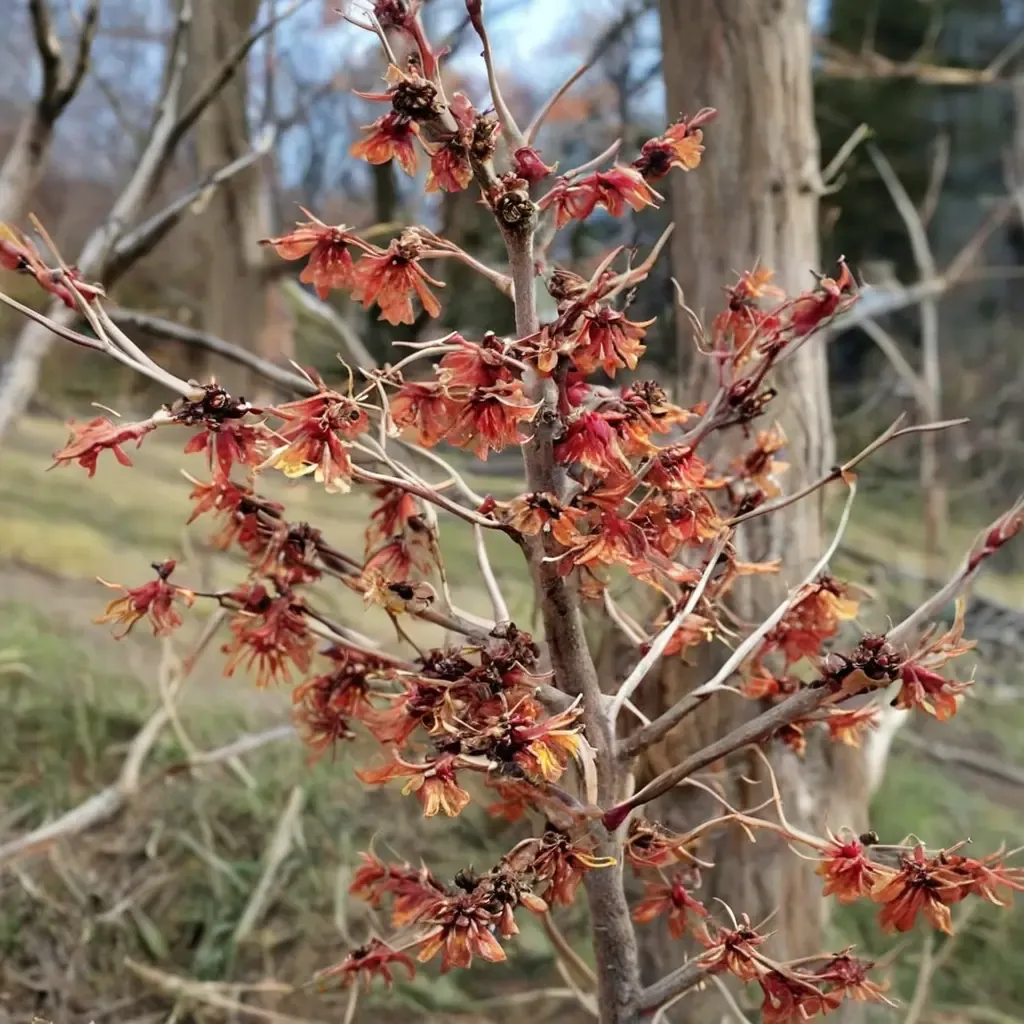
Diane Witch Hazel
Hamamelis x hybrida 'Diane'
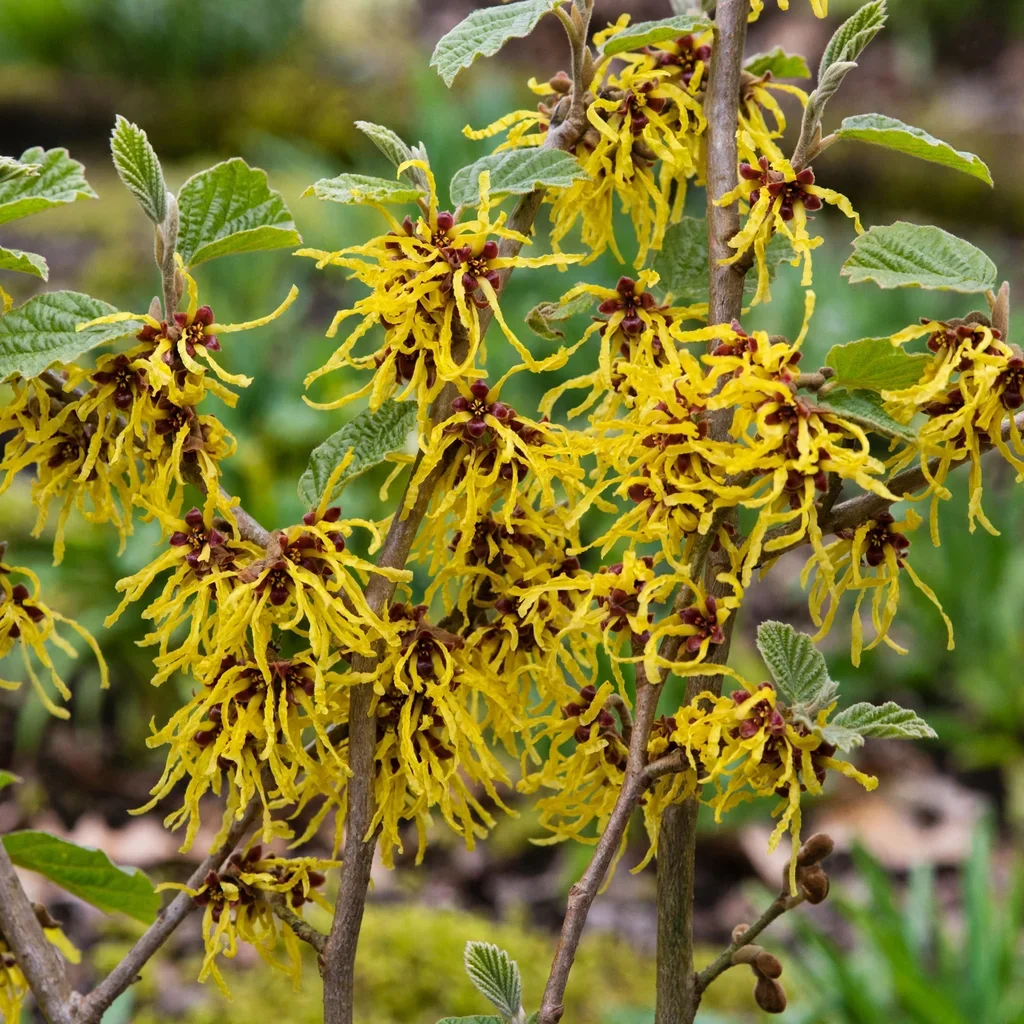
Arnold Promise Witch Hazel
Hamamelis x hybrida 'Arnold Promise'
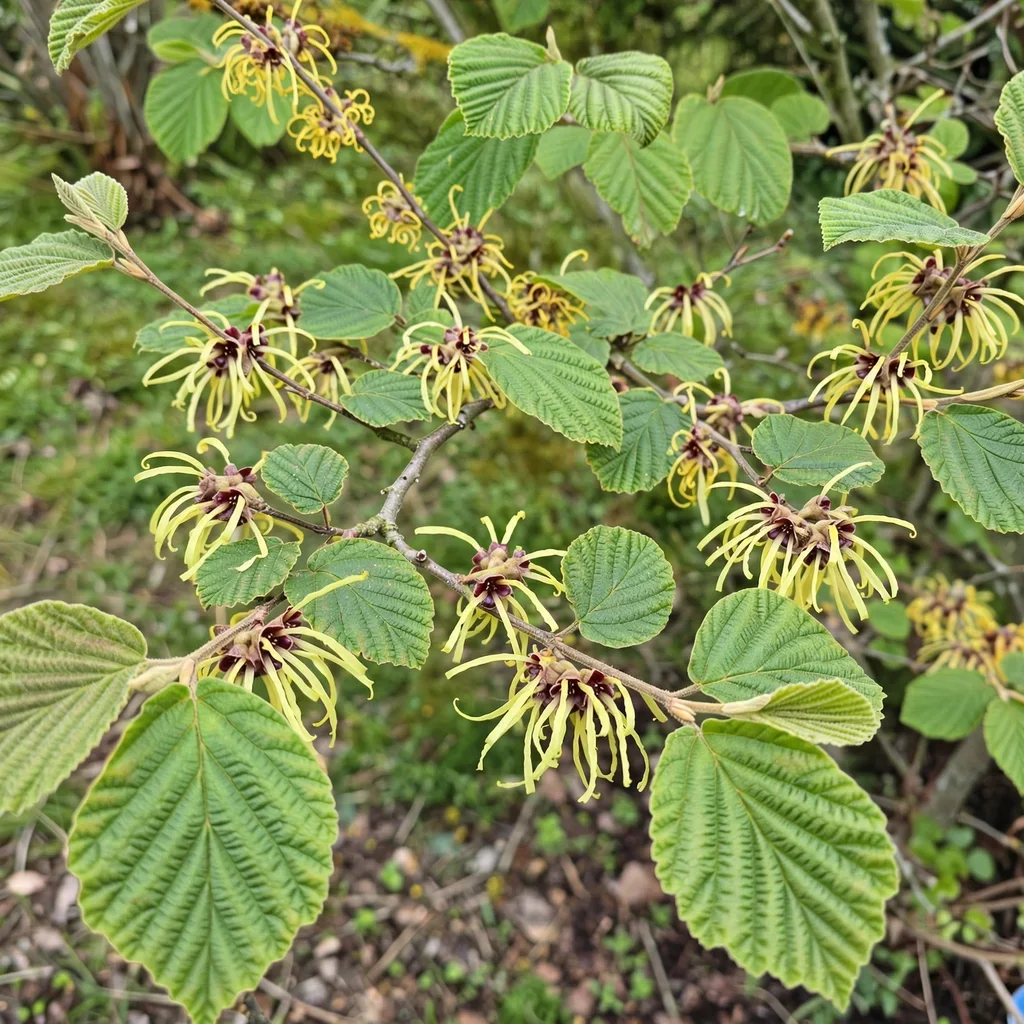
Witch Hazel
Hamamelis x hybrida
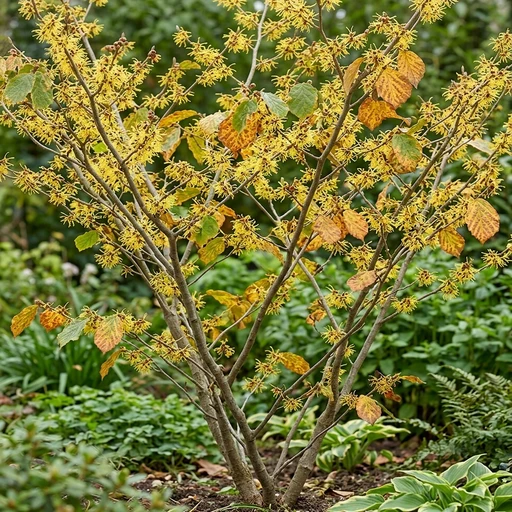
Common Witch Hazel
Hamamelis virginiana
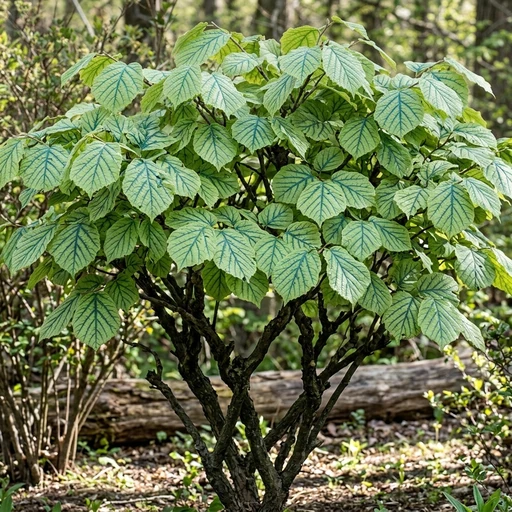
Arnold Witch Hazel
Hamamelis intermedia 'Arnold'
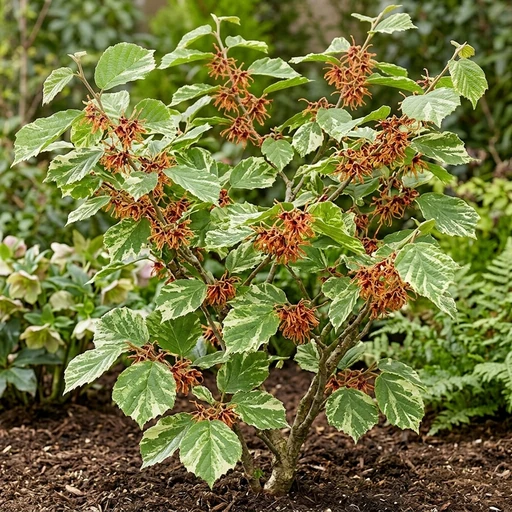
Copper Beauty Witchhazel
Hamamelis intermedia 'Copper Beauty'
Keep exploring
Explore the genus
Hardy in your zone?
Grow Vernal Witch Hazel with confidence
See it in a design of your actual yard, get zone-matched care reminders, and track it season by season in your garden journal.