The Story
Plant Bio
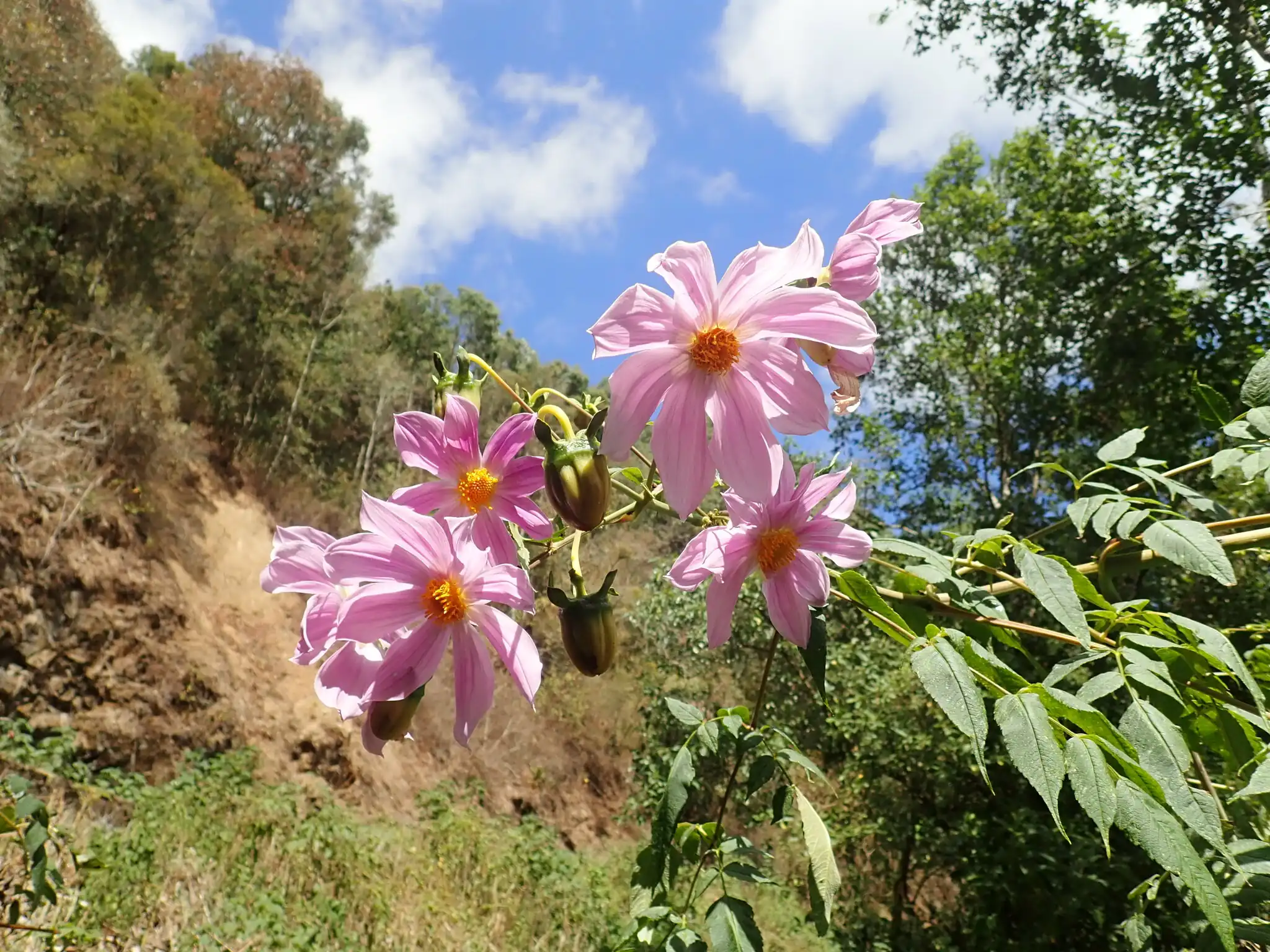
Dahlia tenuicaulis is an upright, multi-stemmed perennial subshrub native to the mountain cloud forests of Mexico, growing from underground tubers to form massive bamboo-like canes. The large, deep green bipinnate foliage creates a feathery, tropical texture that serves as a backdrop for single daisy-like flowers with lavender-pink petals and golden centers.
Unlike the more common Dahlia imperialis, this species has a bushier, more slender-stemmed growth habit and a significantly longer blooming window that begins in late summer. Its hollow green canes are more frost-tolerant than typical garden dahlias, allowing the upper growth to survive light freezes.
Uses & Benefits:
Essentials
At a Glance
Plant Type
Perennial
Height
180"
Width
96"
Light
Full Sun, Partial Sun
Zones
8, 9, 10
Water
Moderate
Humidity
Moderate
Lifespan
Perennial
Native To
Mexico
Toxicity
Mildly toxic to pets
Bloom period
Late summer – Winter
In flower about 7 months of the year
Planting
How to Grow
- Select a planting site in full sun to partial shade with rich, organic-heavy, well-draining soil.
- Provide shelter from strong winds to prevent the hollow, bamboo-like canes from snapping.
- Water regularly to maintain even soil moisture, as drought causes the plant to drop its flower buds.
- Apply a balanced fertilizer and rich compost throughout the spring and summer growing seasons.
Pro Tip
Avoid cutting the canes back to the ground too early in fall; these plants require a long, frost-free growing window and heavy feeding to build the woody structure needed to trigger their late-season flowers.
Keep It Thriving
Care Guide
Do
- Mulch heavily in winter to protect the underground tubers from freezing temperatures.
- Prune back tall or wind-damaged canes in early spring to encourage fresh growth from the base.
- Provide support or staking for tall canes in exposed, windy locations.
Don't
- Do not plant in heavy, poorly drained clay soils where stagnant water will rot the tubers.
- Do not prune into old, completely bare wood that lacks visible, live buds.
- Do not allow the soil to dry out completely during the active summer growing season.
Seasonal Care Calendar
| Task | Jan | Feb | Mar | Apr | May | Jun | Jul | Aug | Sep | Oct | Nov | Dec |
|---|---|---|---|---|---|---|---|---|---|---|---|---|
| Fertilize | ||||||||||||
| Mulch | ||||||||||||
| Pest Check | ||||||||||||
| Prune |
Watch Out For
Pests & Diseases
Common Pests
Common Diseases
In the Garden
Landscape Uses & Companions
Landscape Uses
Companion Plants
Multiply
Propagation Methods
Good to Know
Common Questions
Slender-stemmed Tree Dahlia questions
What zones can Slender-stemmed Tree Dahlia grow in?
Slender-stemmed Tree Dahlia is hardy in USDA Zones 8–10. Inside that range it survives winter in the ground; outside it, grow it as an annual or a container plant you protect.
Is Slender-stemmed Tree Dahlia deer resistant?
Not reliably. Deer may browse Slender-stemmed Tree Dahlia, especially tender spring growth — plan on repellents or fencing where pressure is high.
When does Slender-stemmed Tree Dahlia bloom?
Slender-stemmed Tree Dahlia typically blooms in late summer through winter. Exact timing shifts a week or two with your zone — Sow's bloom calendar maps it to your garden.
Does Slender-stemmed Tree Dahlia need full sun?
Slender-stemmed Tree Dahlia does best in full sun to part shade. In hot climates, afternoon shade keeps blooms fresher longer.
More Dahlia to compare
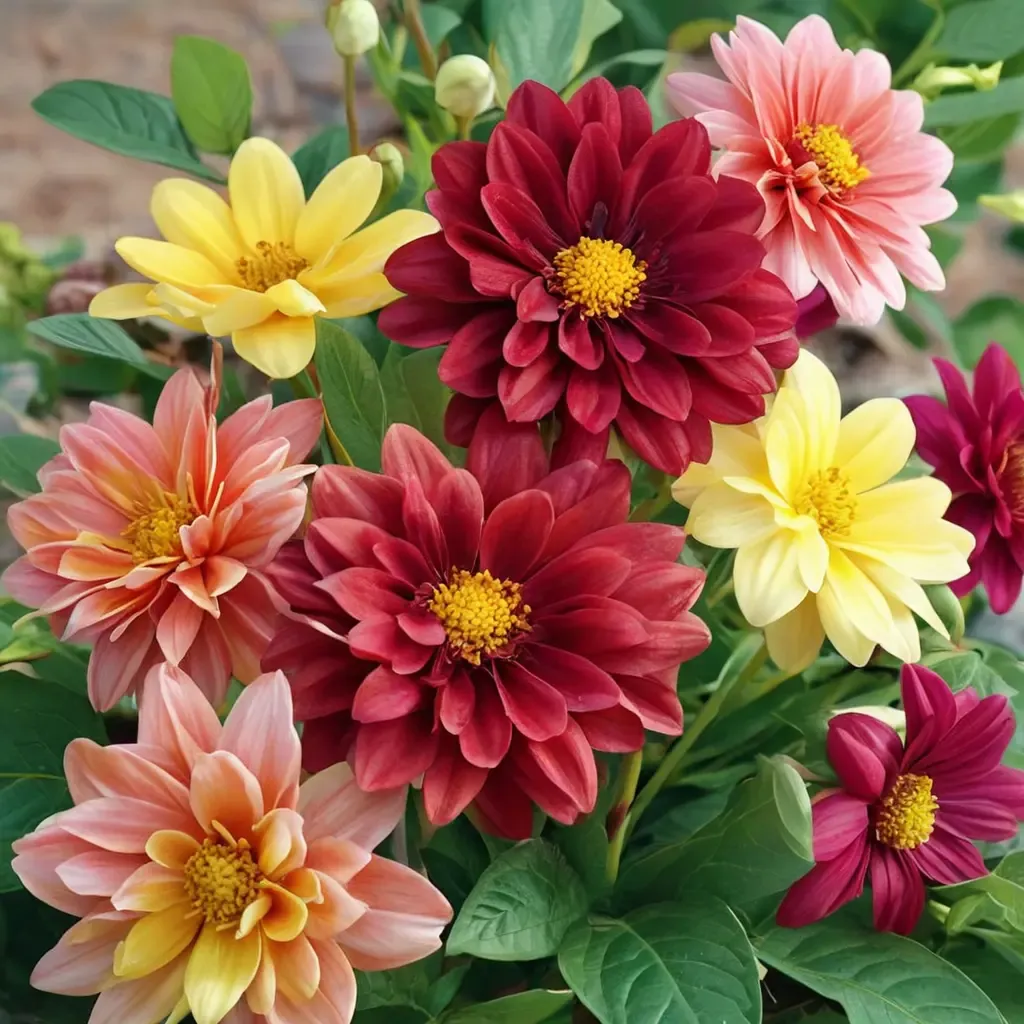
Dahlia
Dahlia variabilis
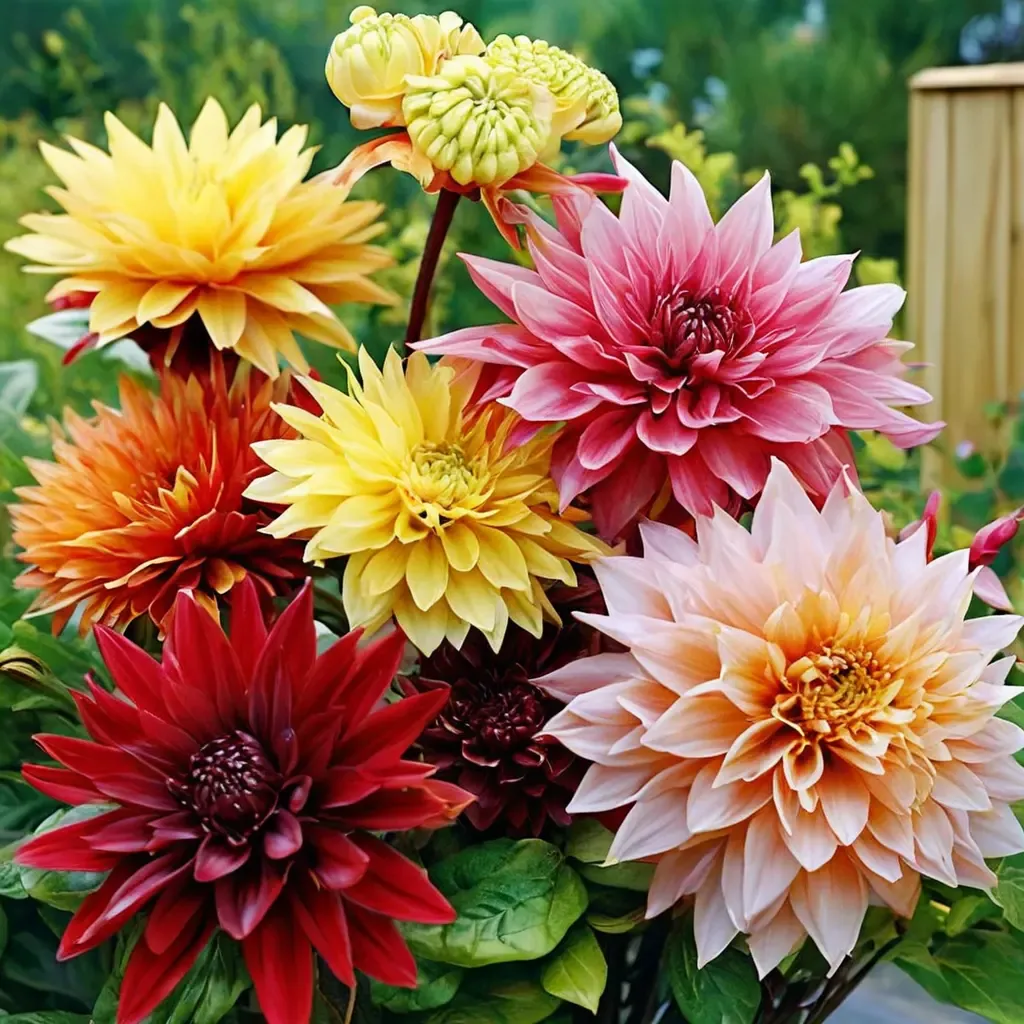
Dinnerplate Cutting Dahlia
Dahlia pinnata 'Dinnerplate Cutting Blend'
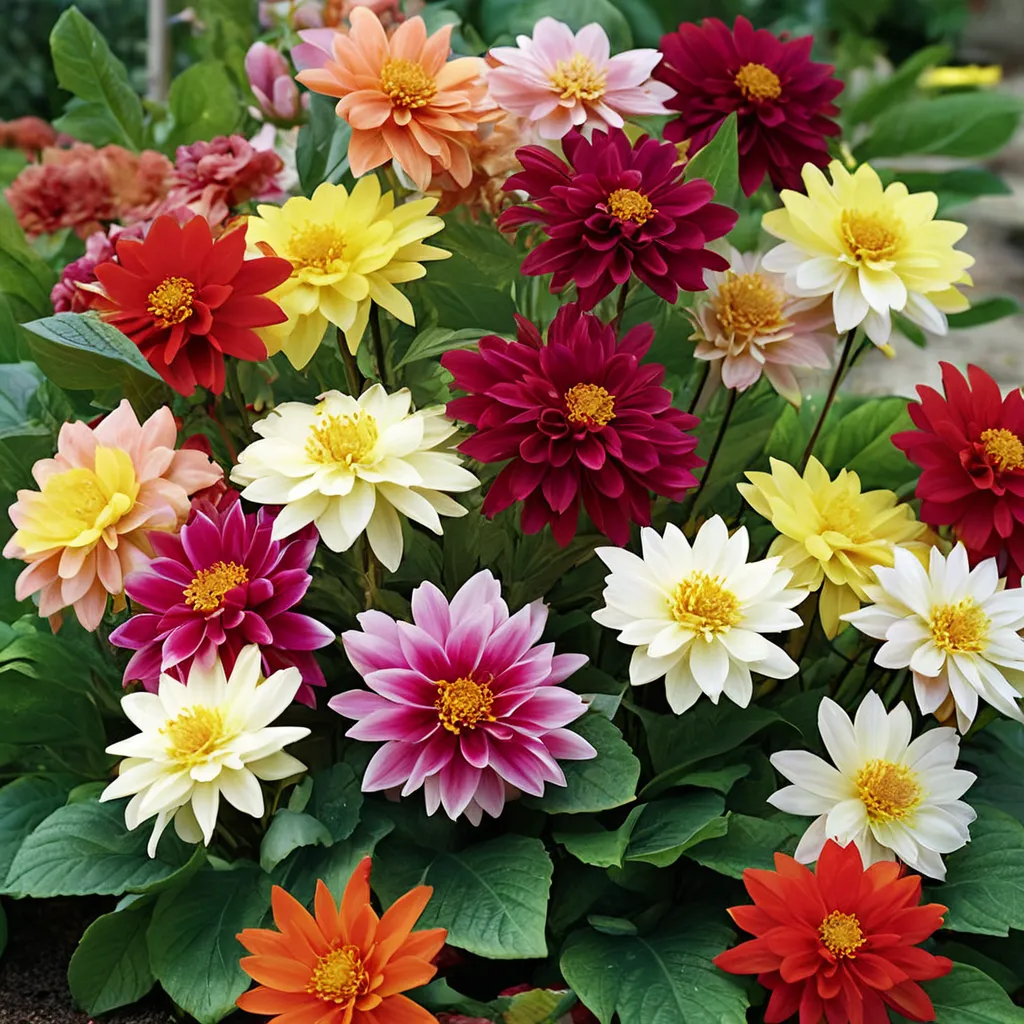
Dahlia Mix
Dahlia x hybrida 'Mix'
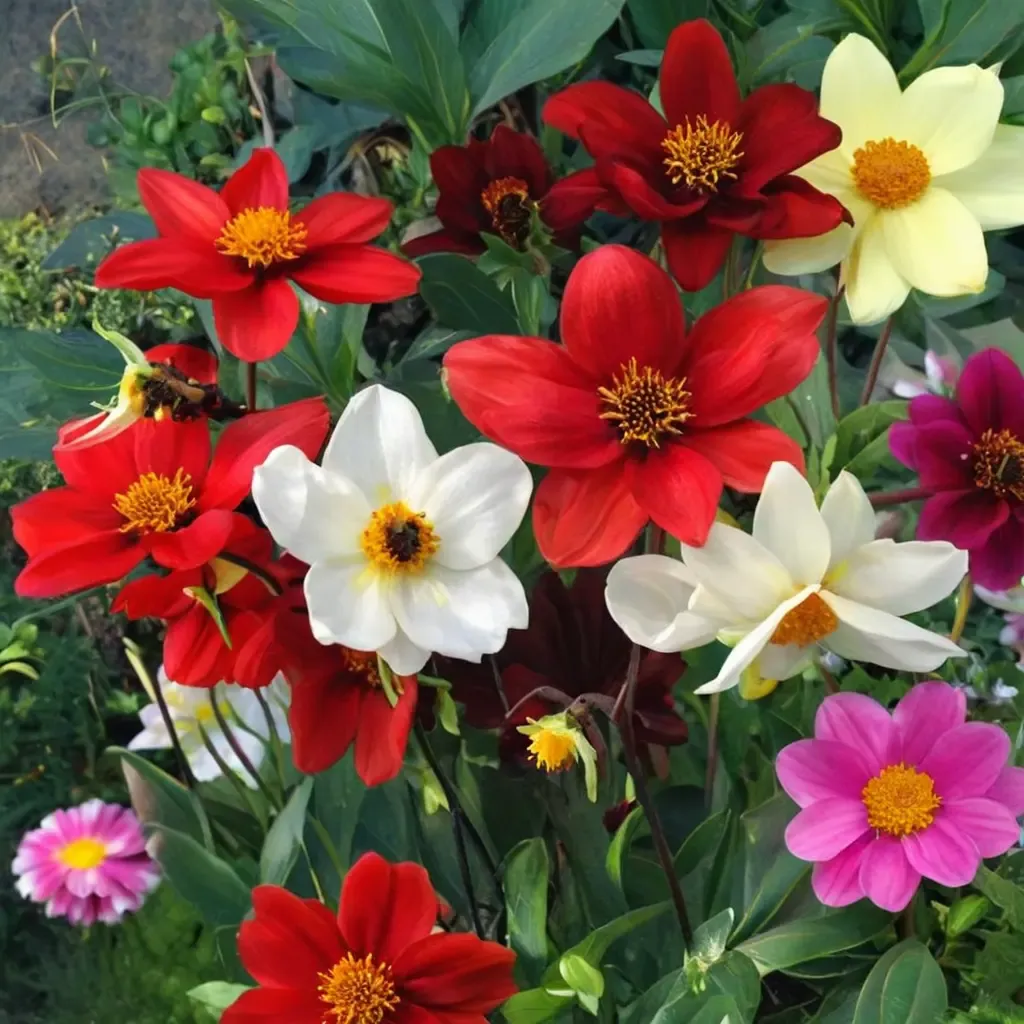
Hart Dahlia
Dahlia variabilis 'Hart'
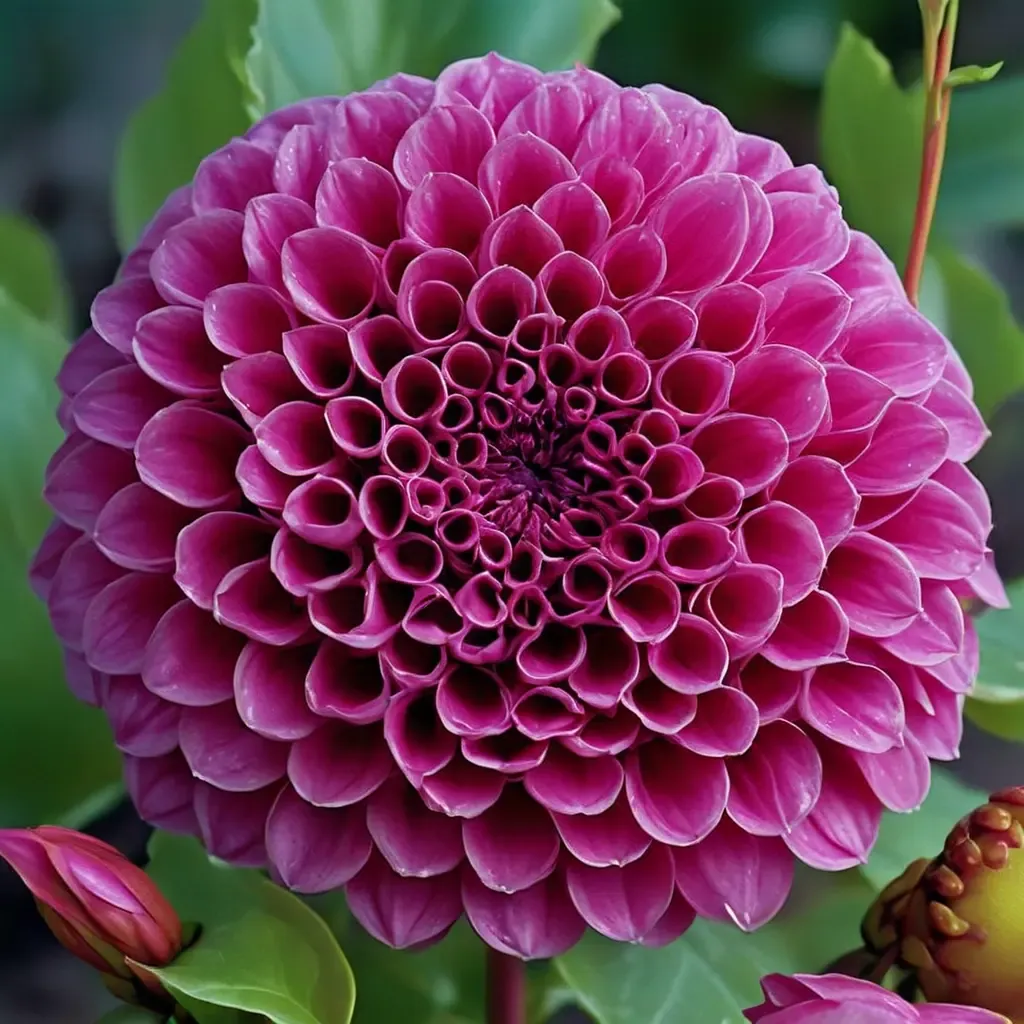
Babette Giant Ball Dahlia
Dahlia pinnata 'Babette Giant Ball'
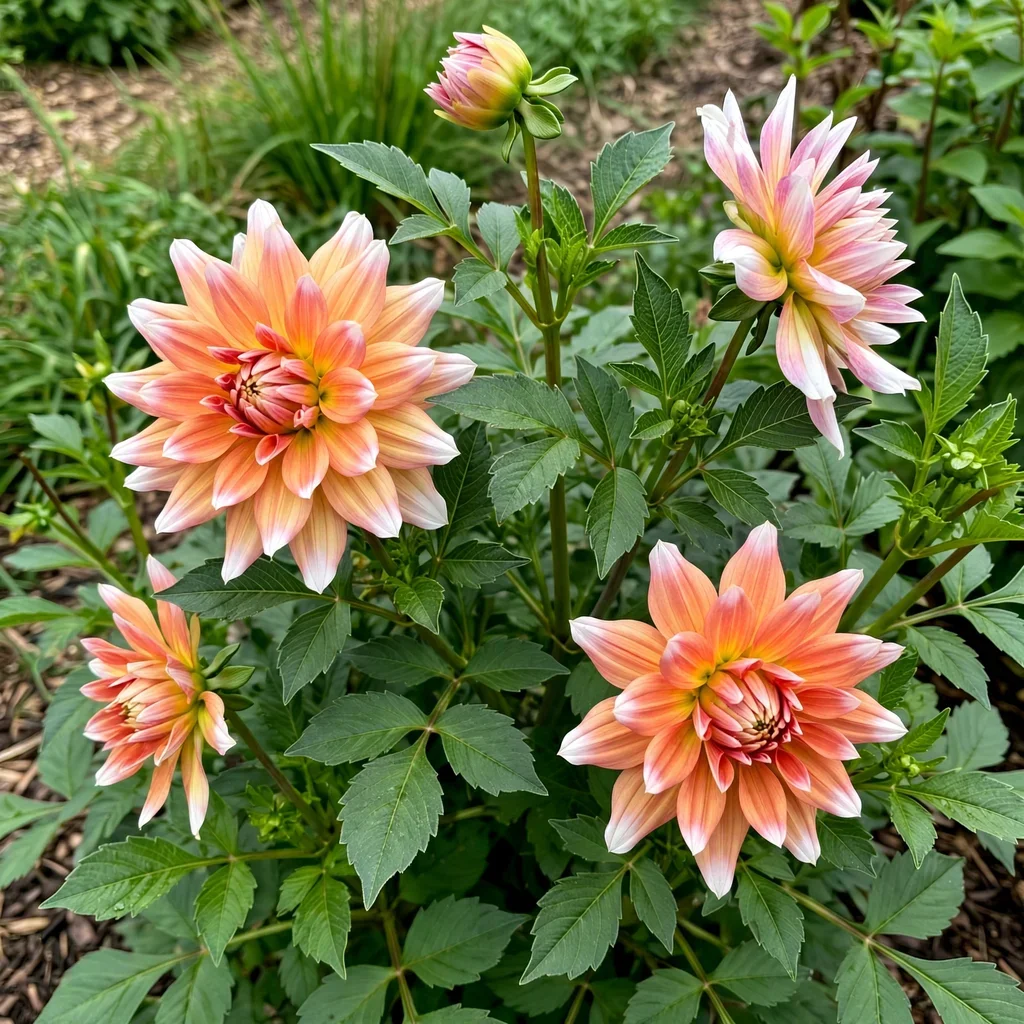
Garden Dahlia
Dahlia spectabilis
Keep exploring
Explore the genus
Hardy in your zone?
Grow Slender-stemmed Tree Dahlia with confidence
See it in a design of your actual yard, get zone-matched care reminders, and track it season by season in your garden journal.