2.6k saves
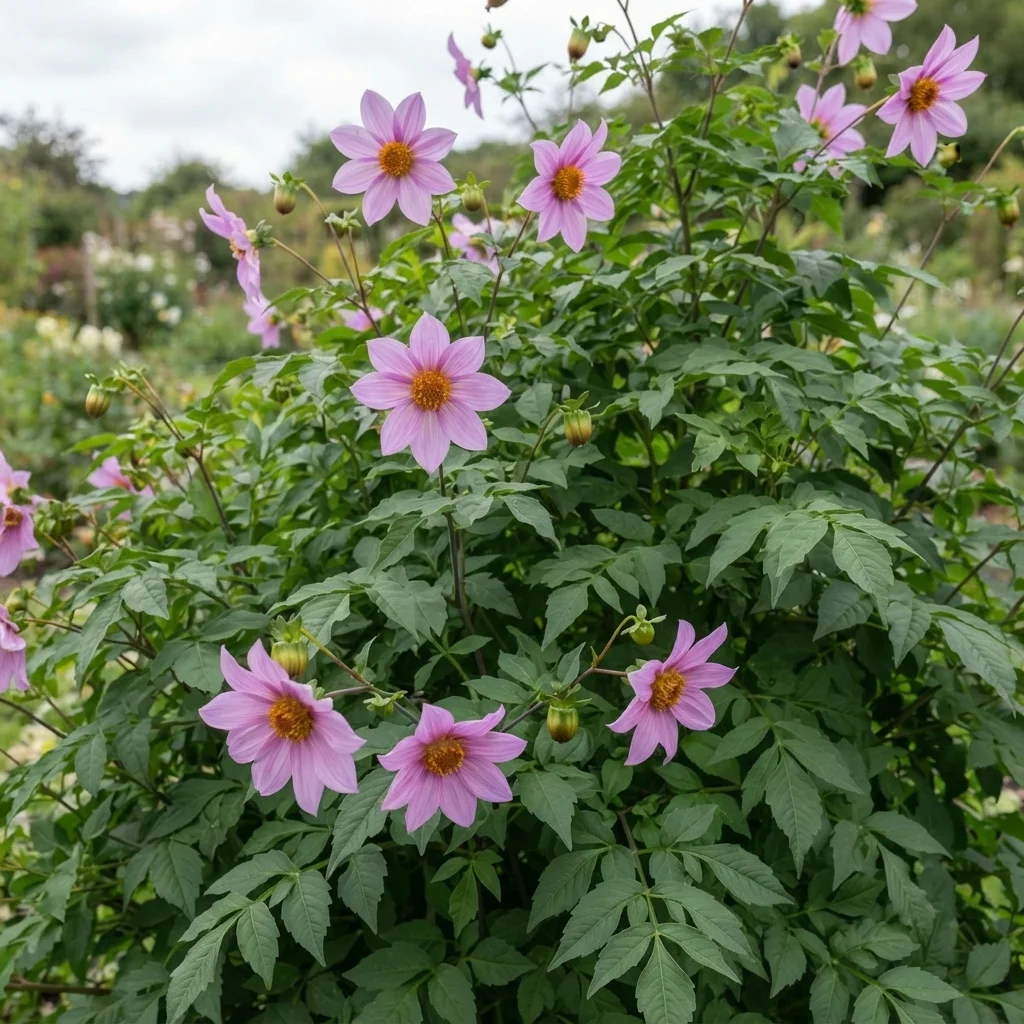
Dahlia
We track 120 varieties; the ones most used by real gardeners.
The 24 most-saved Dahlia varieties
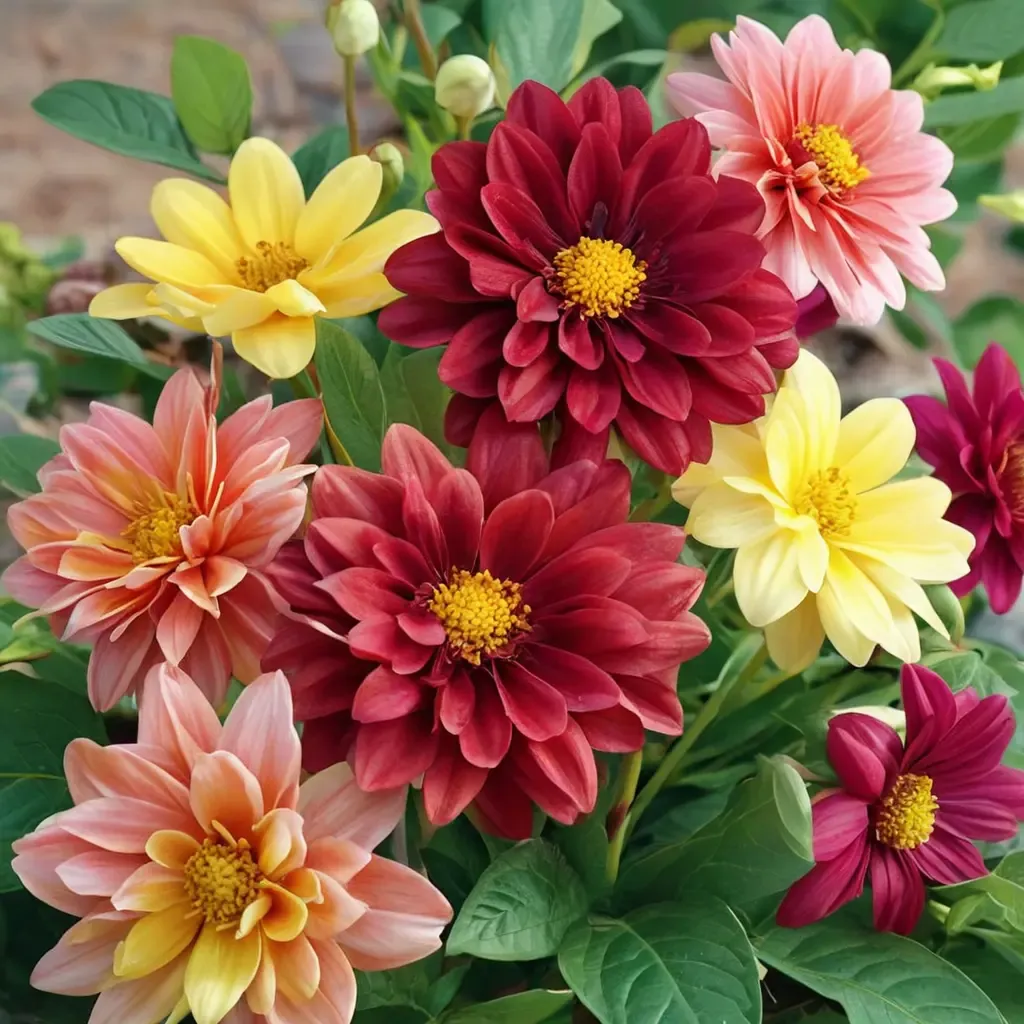
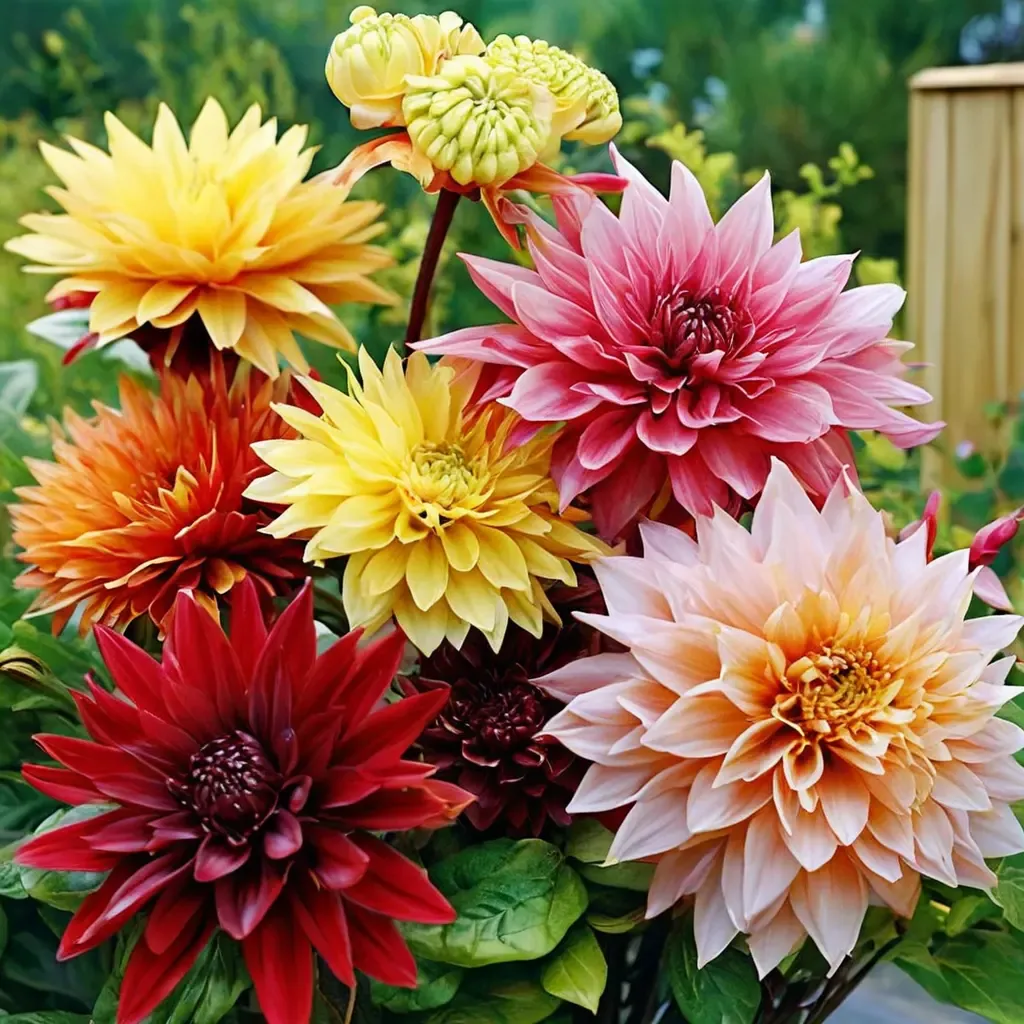
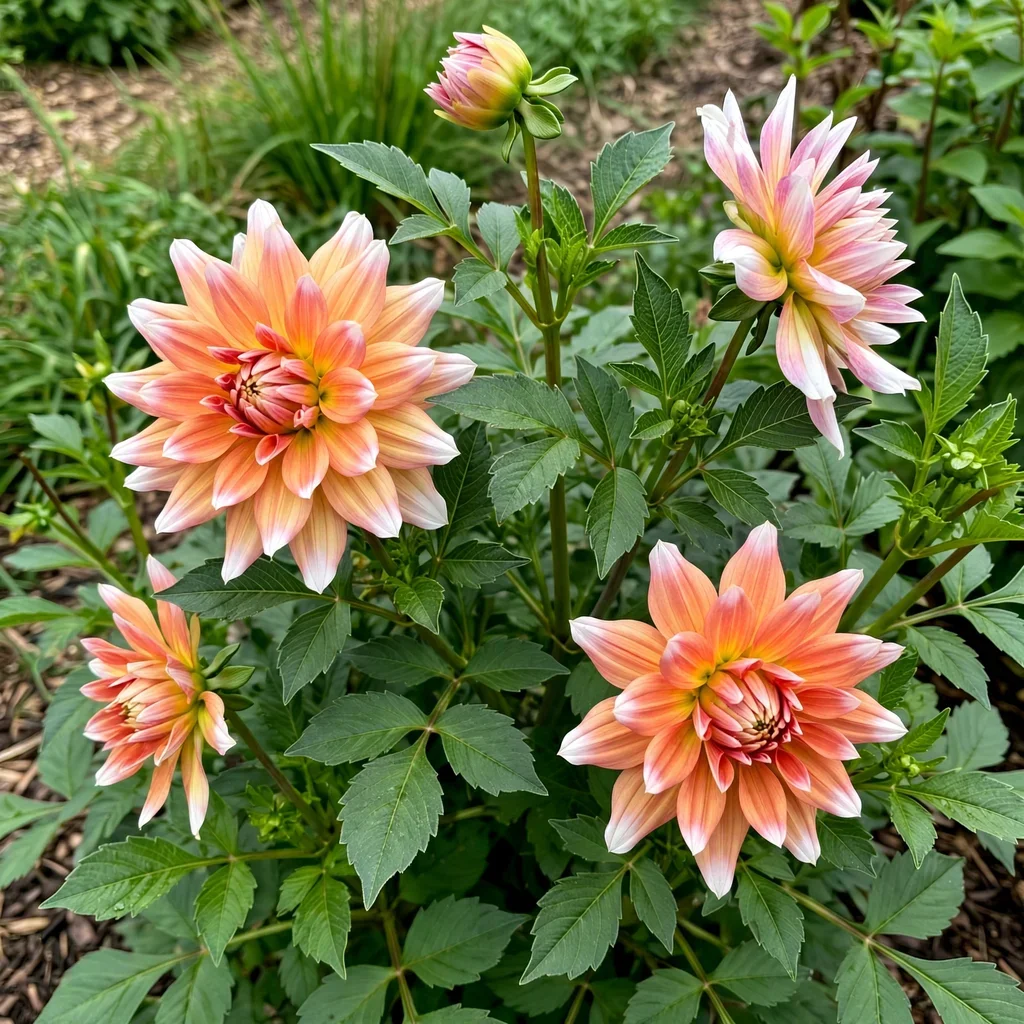
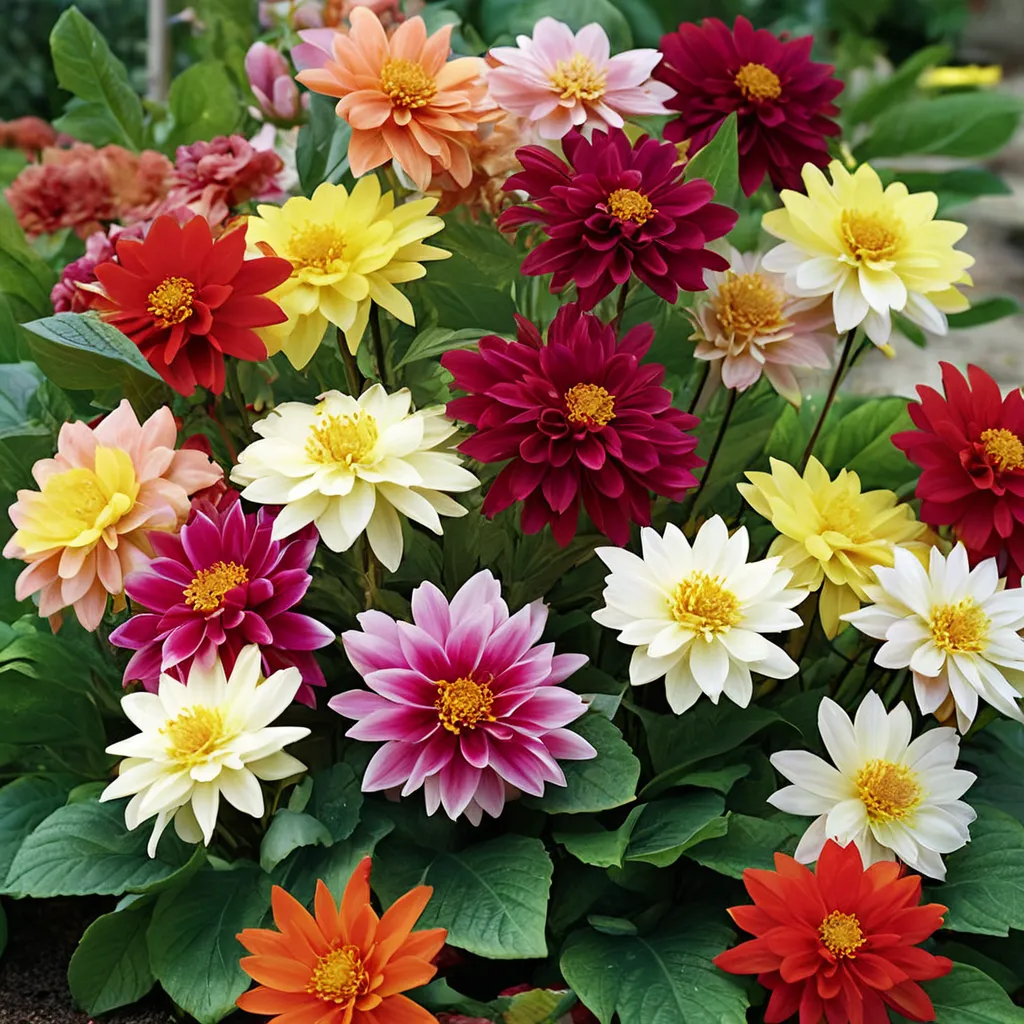
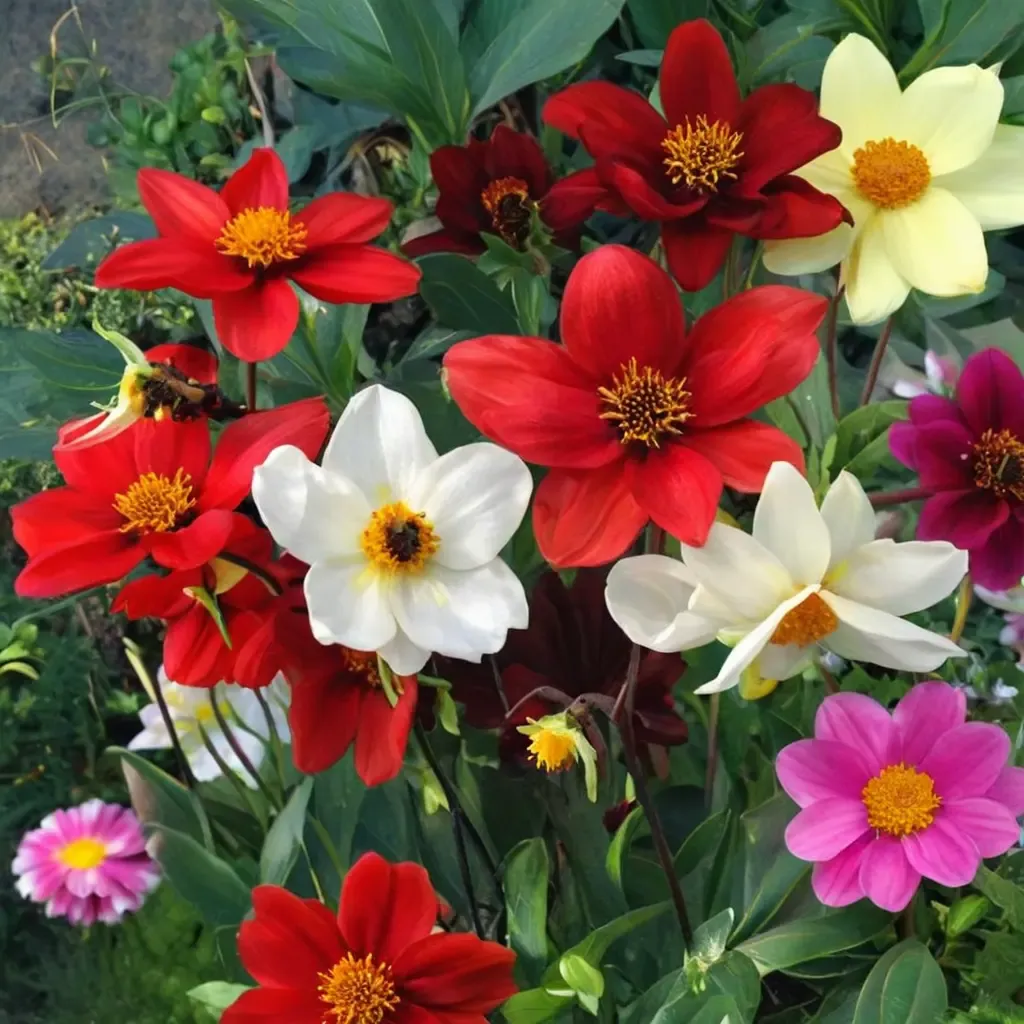
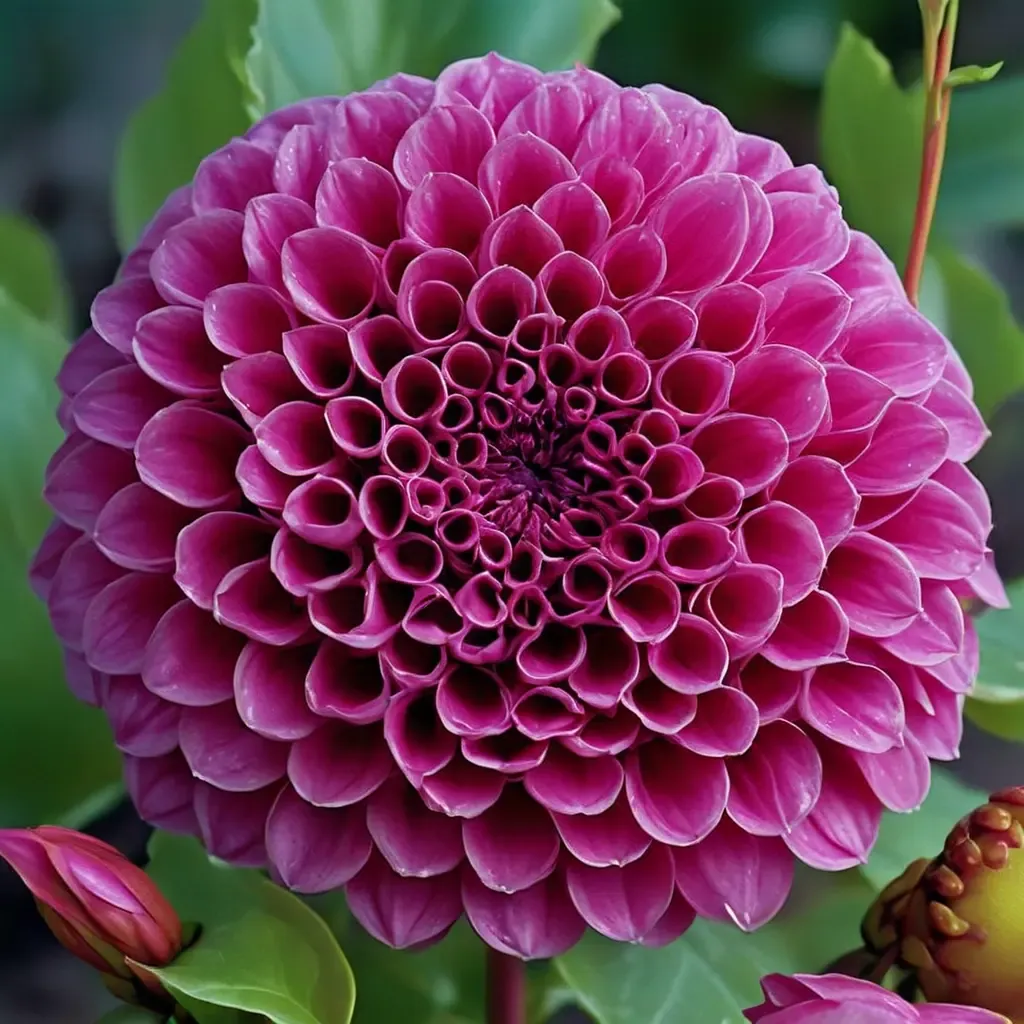
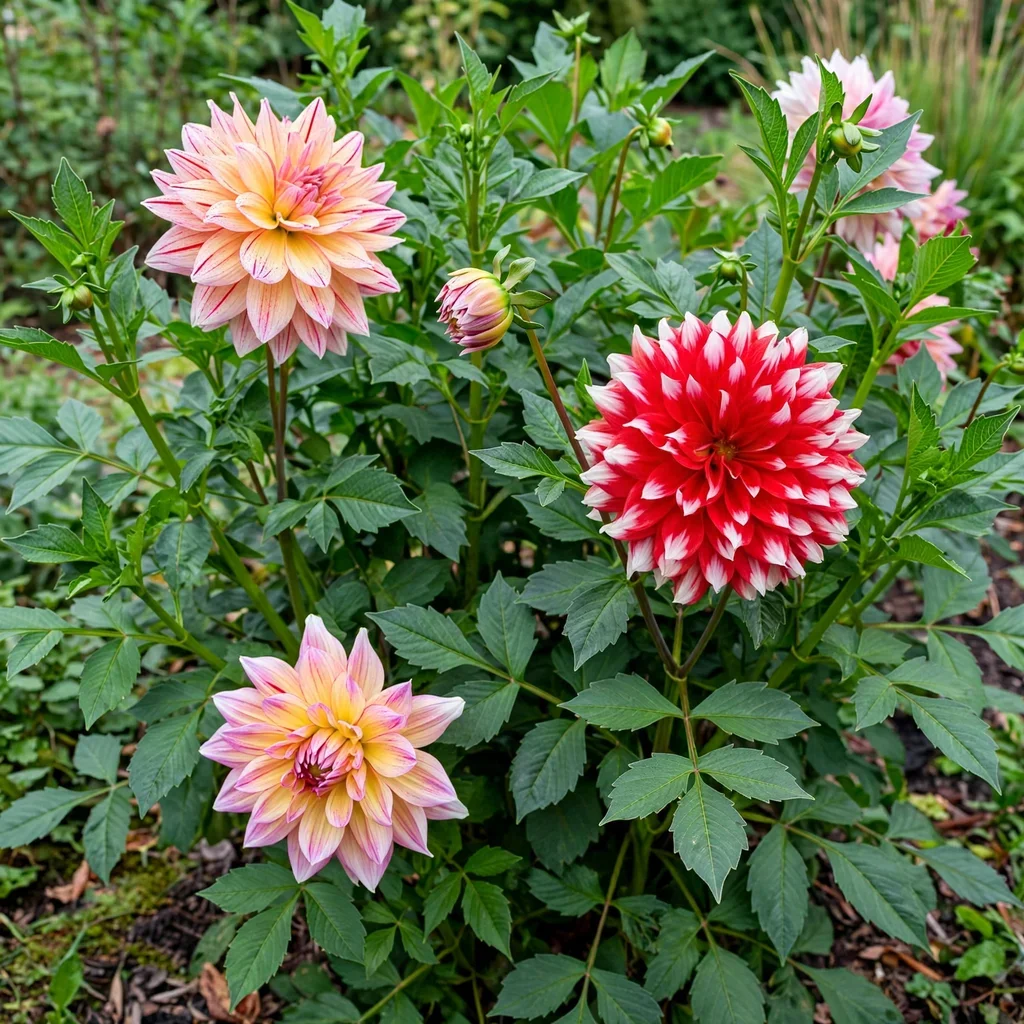
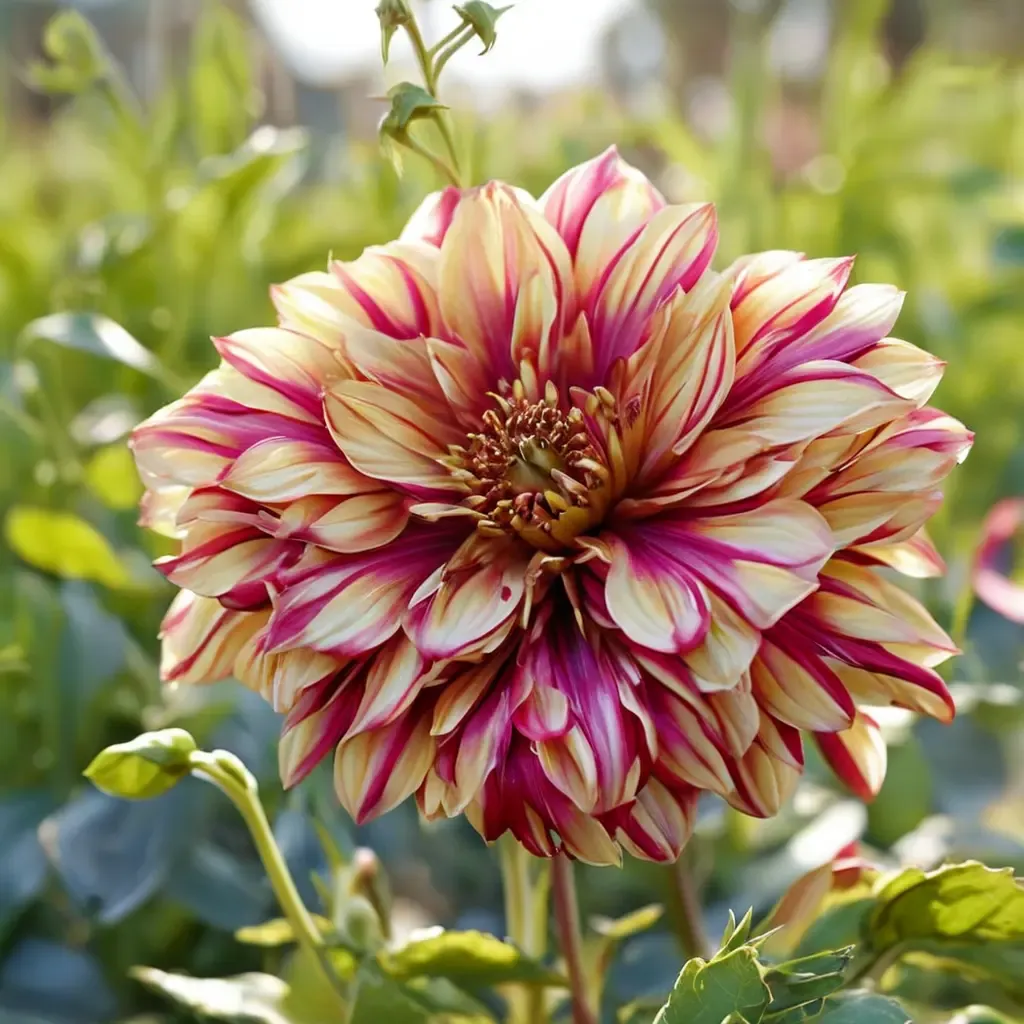
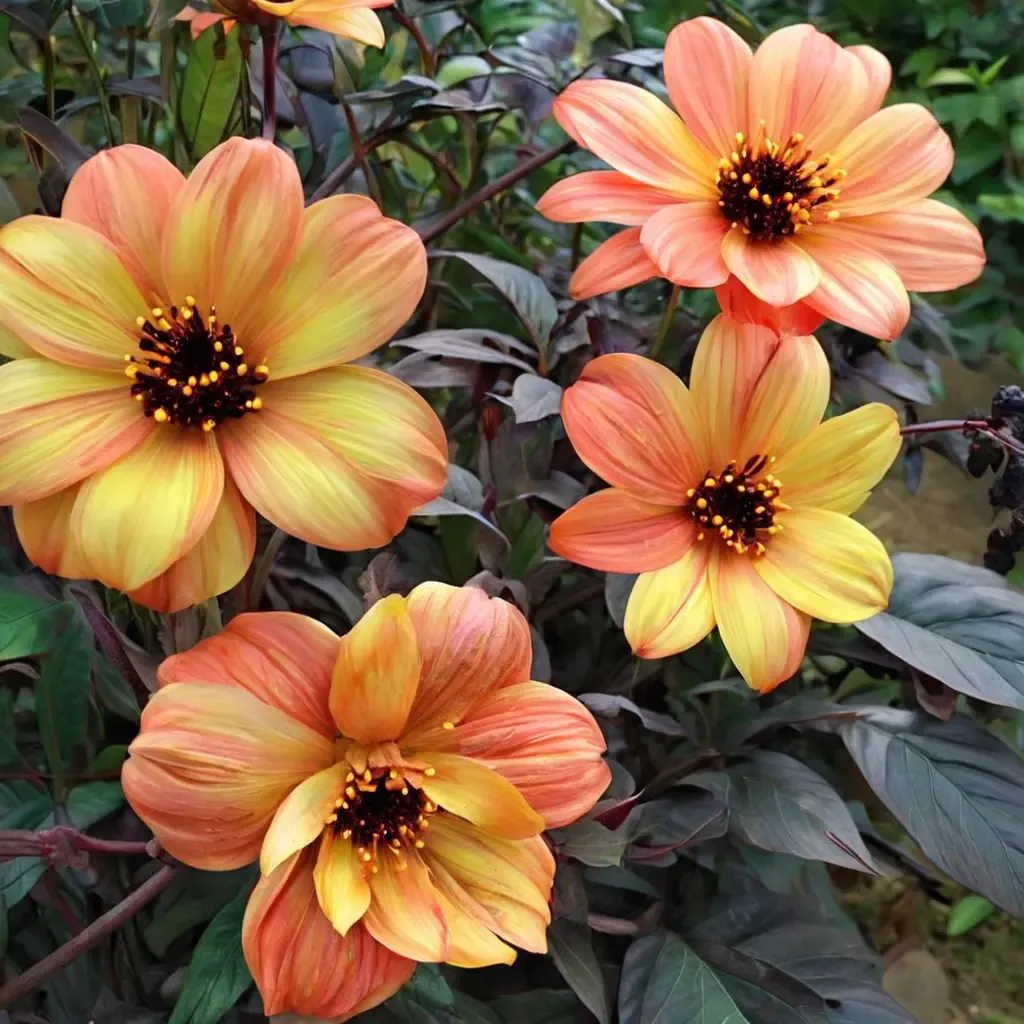
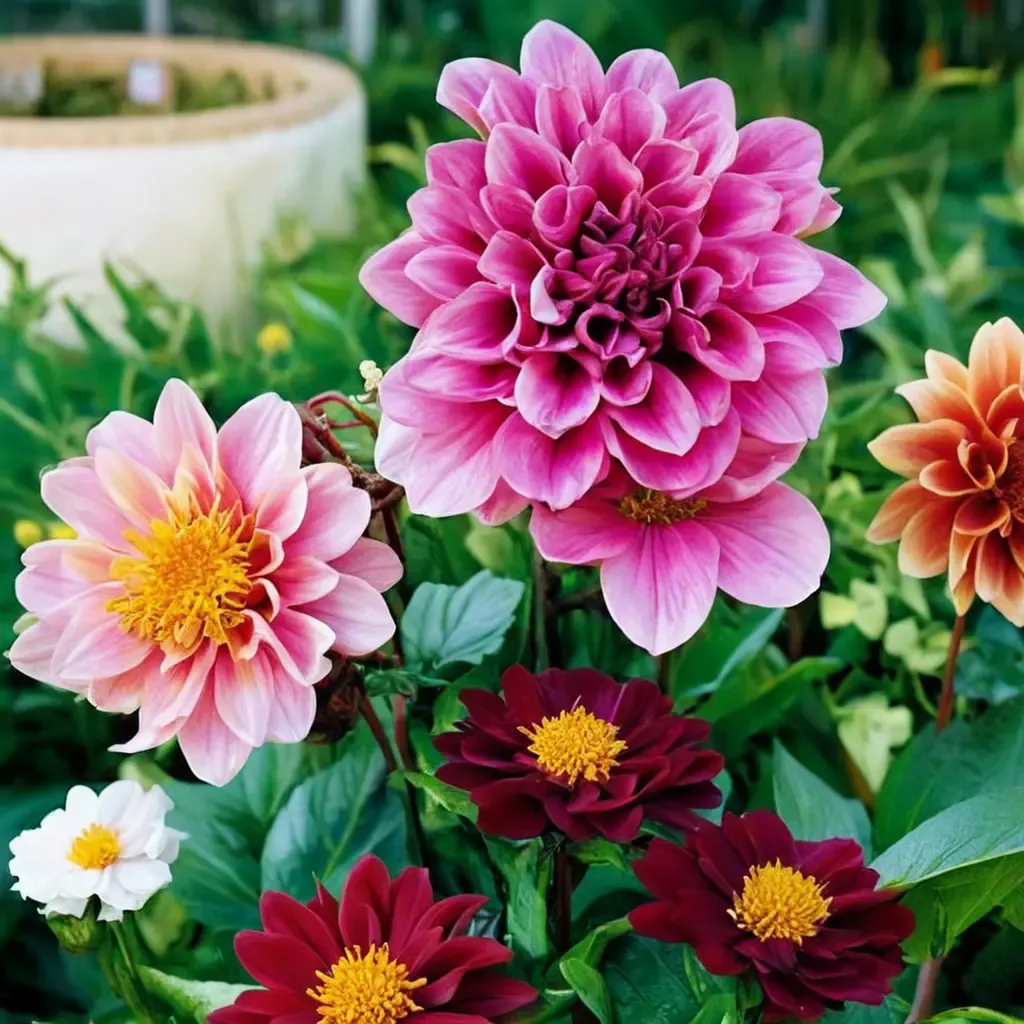
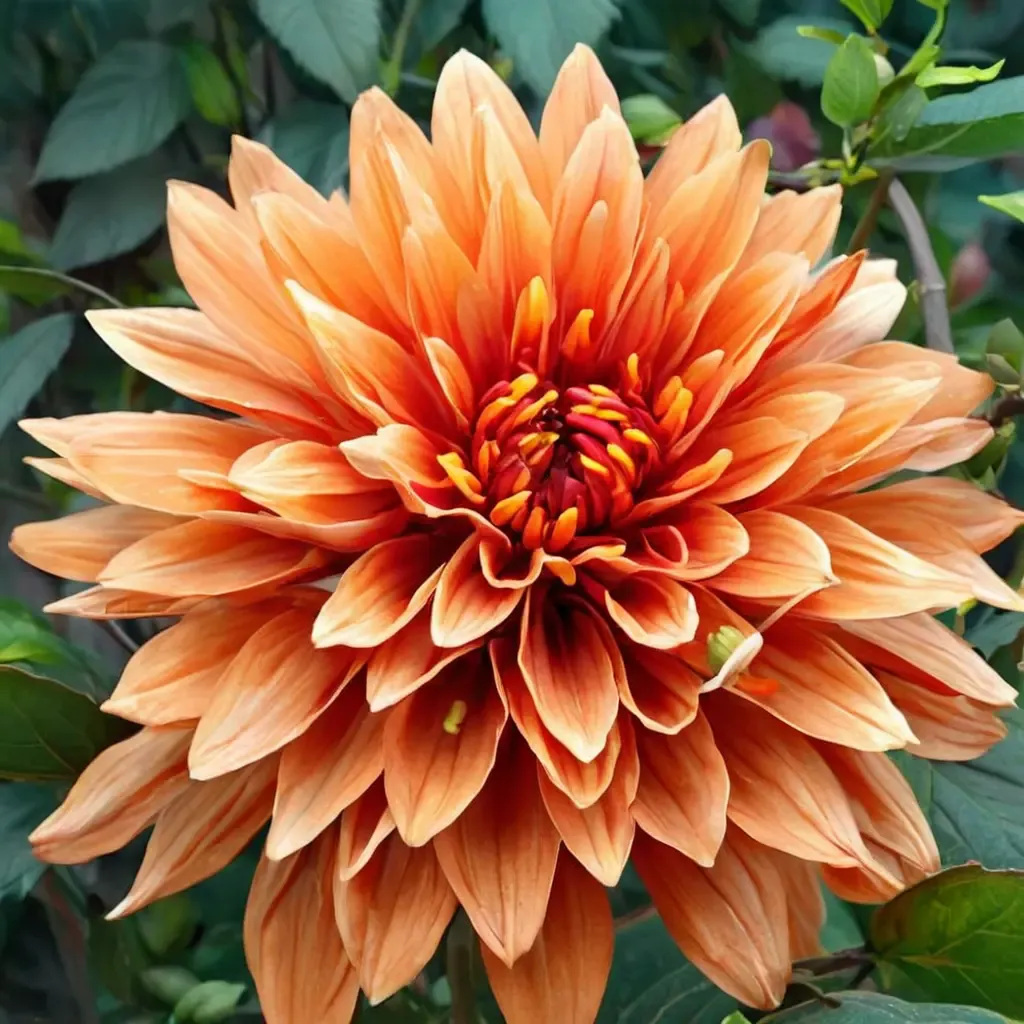
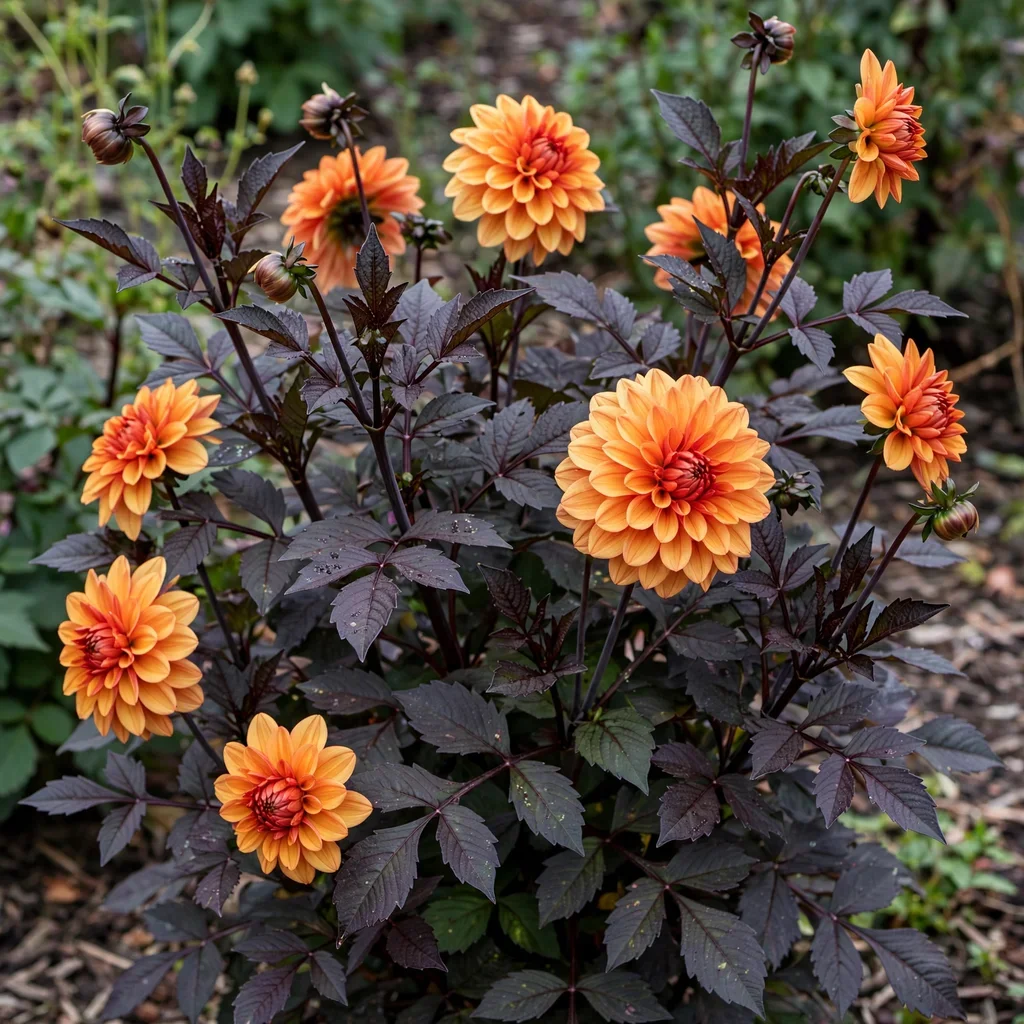
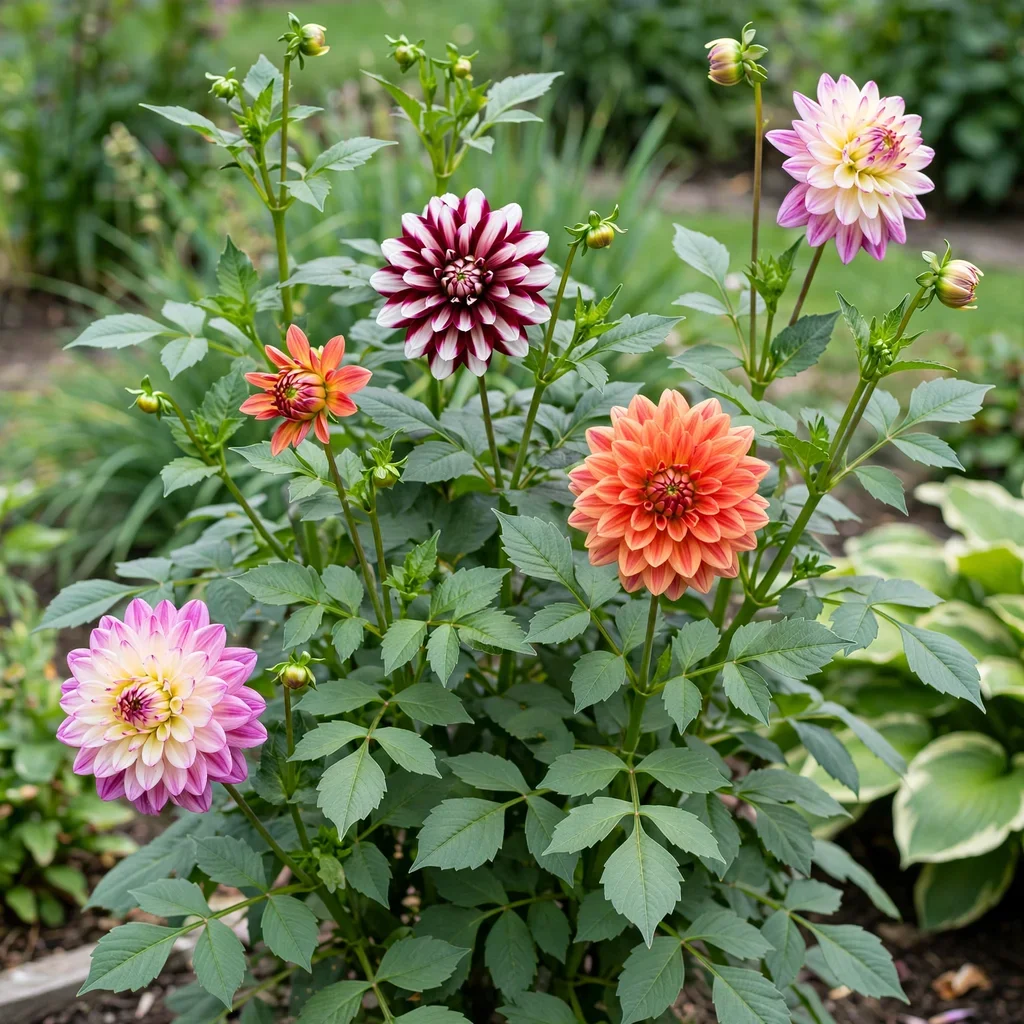
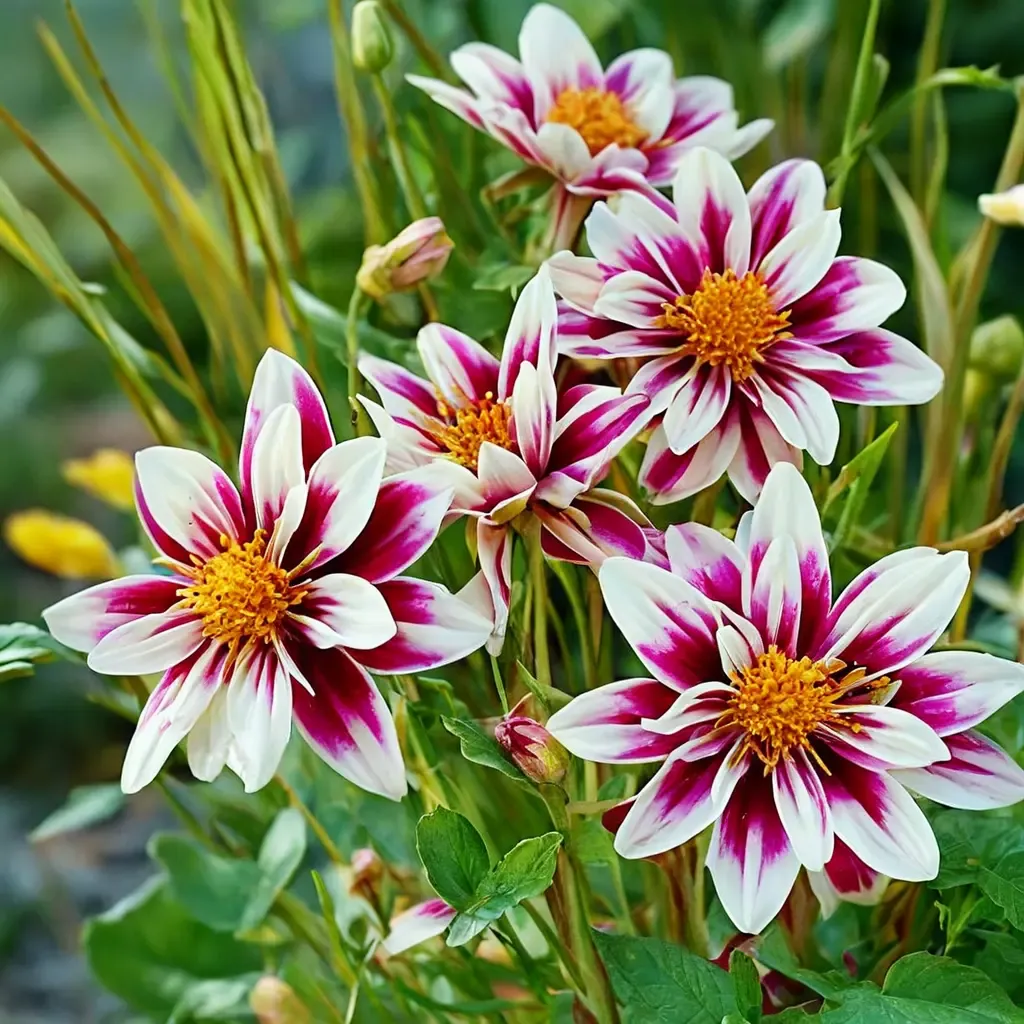
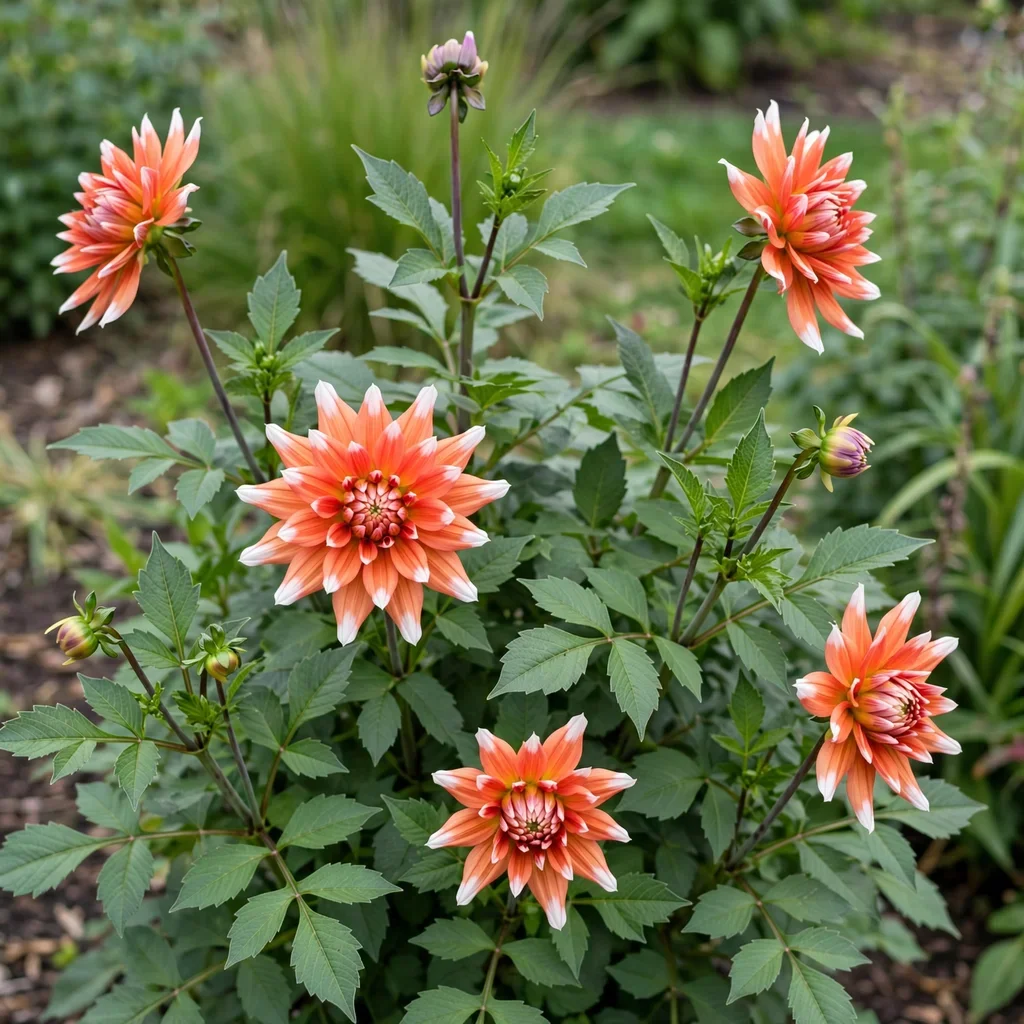
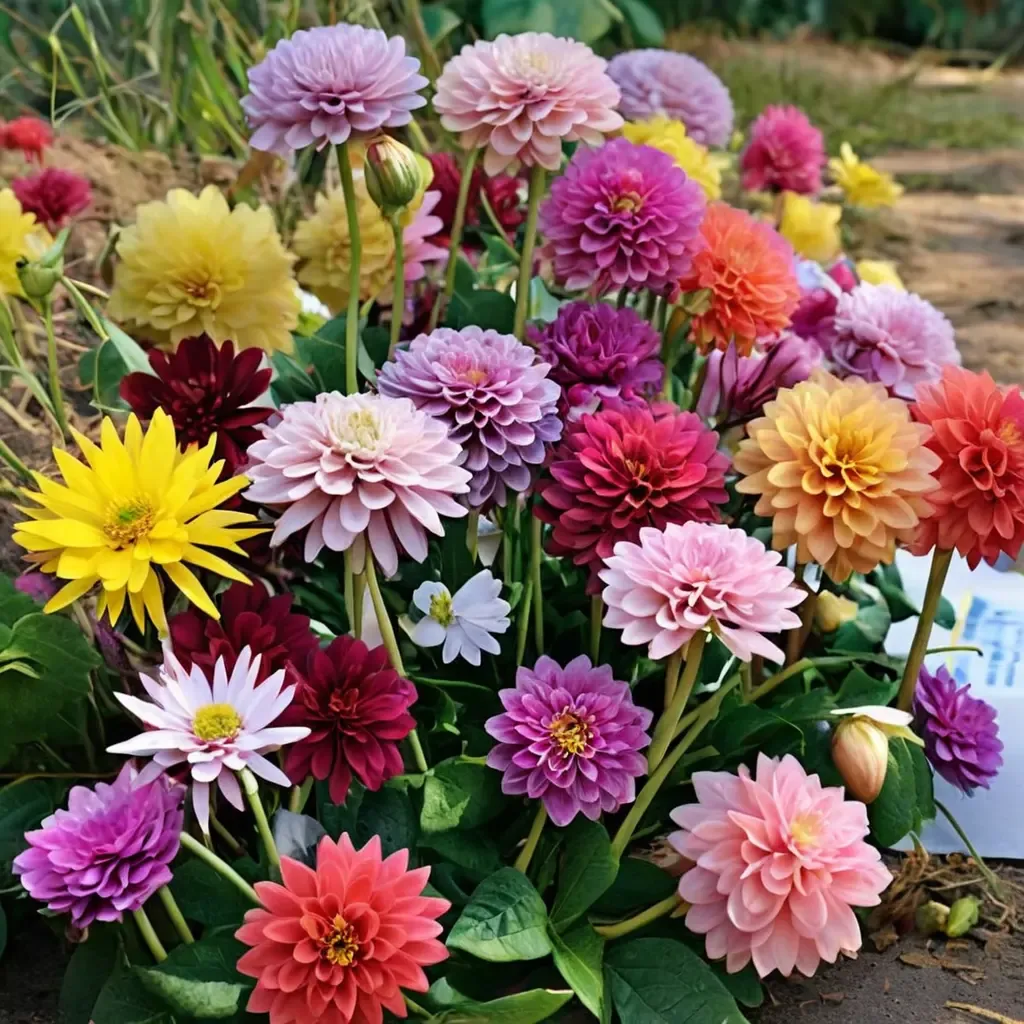
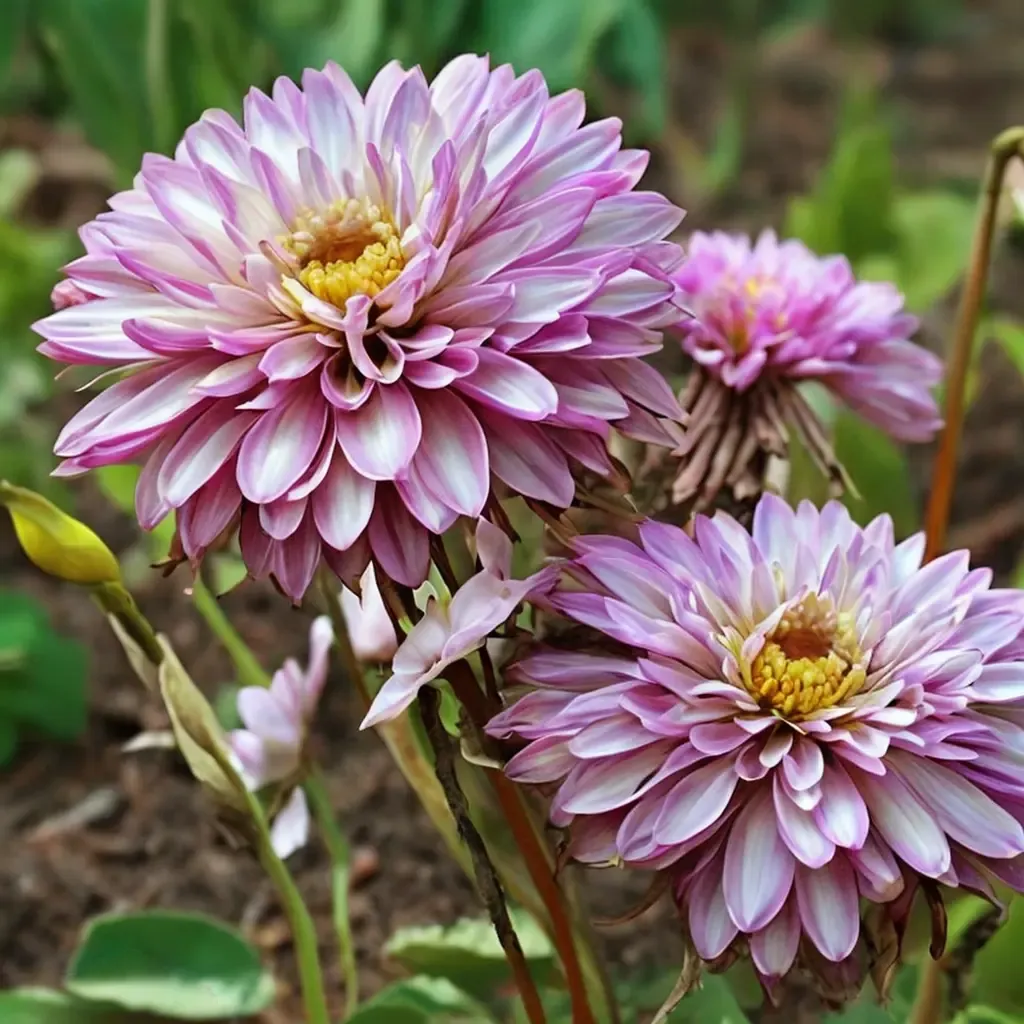
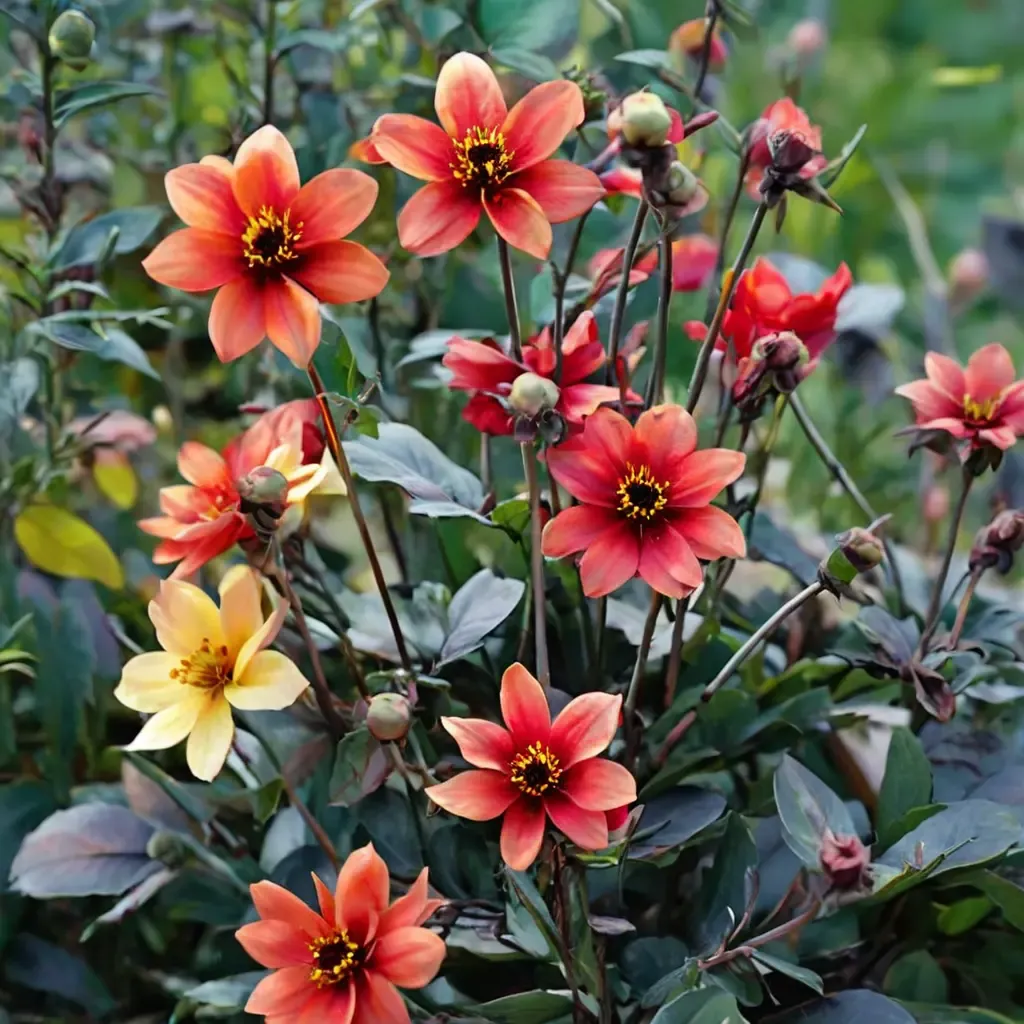
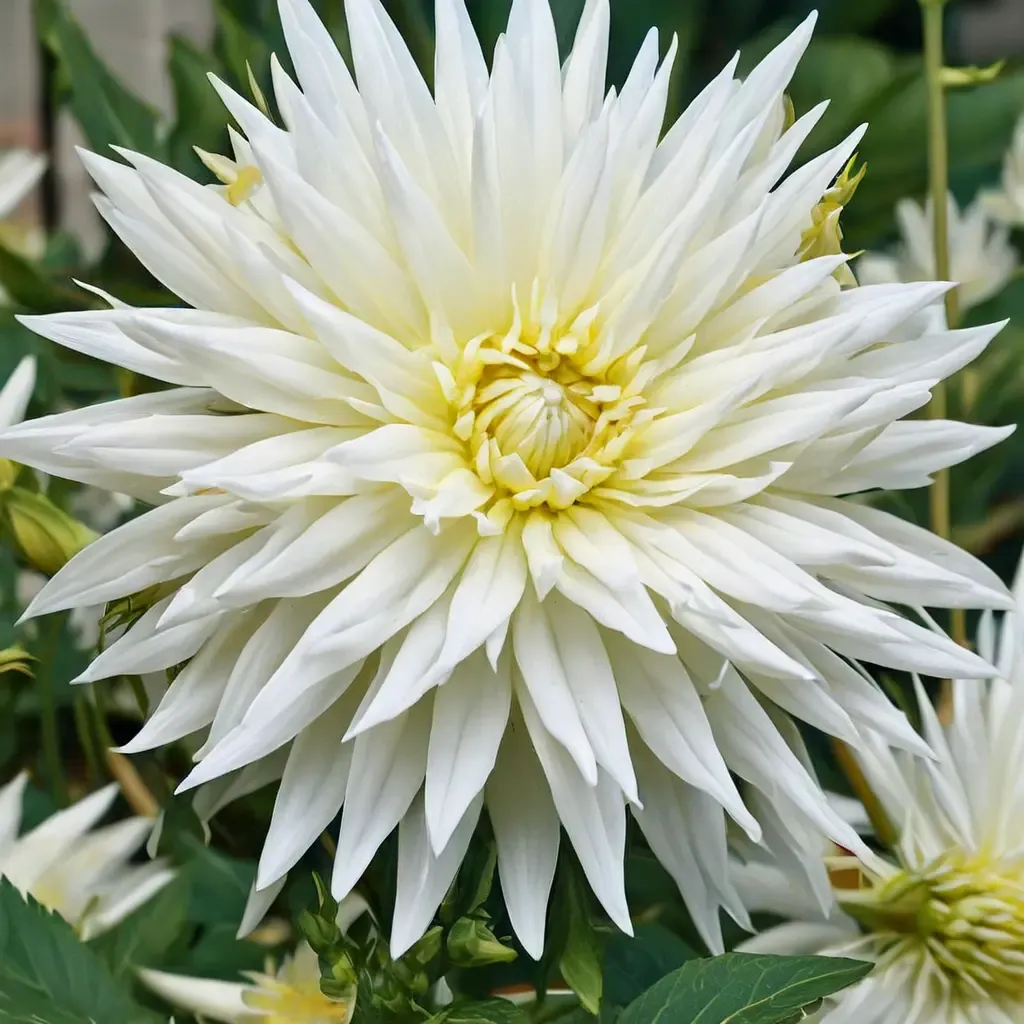
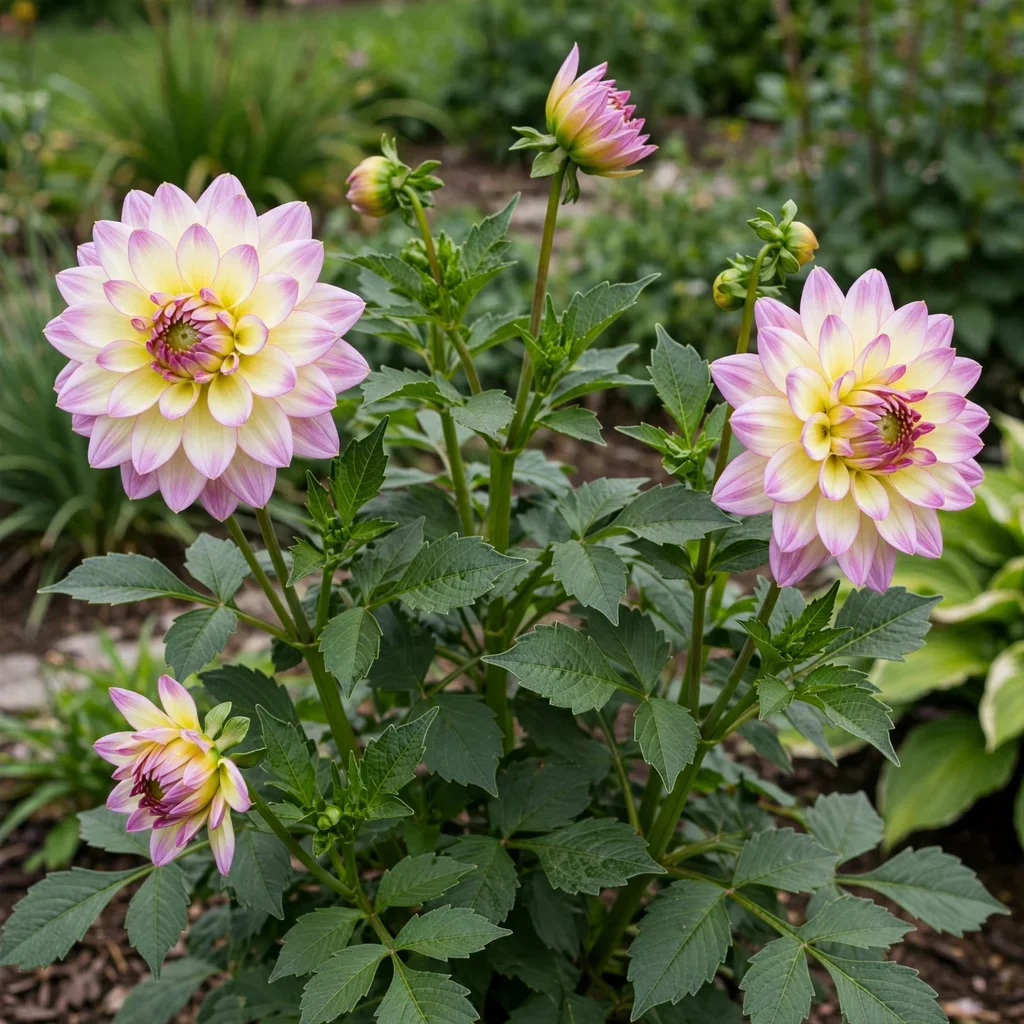
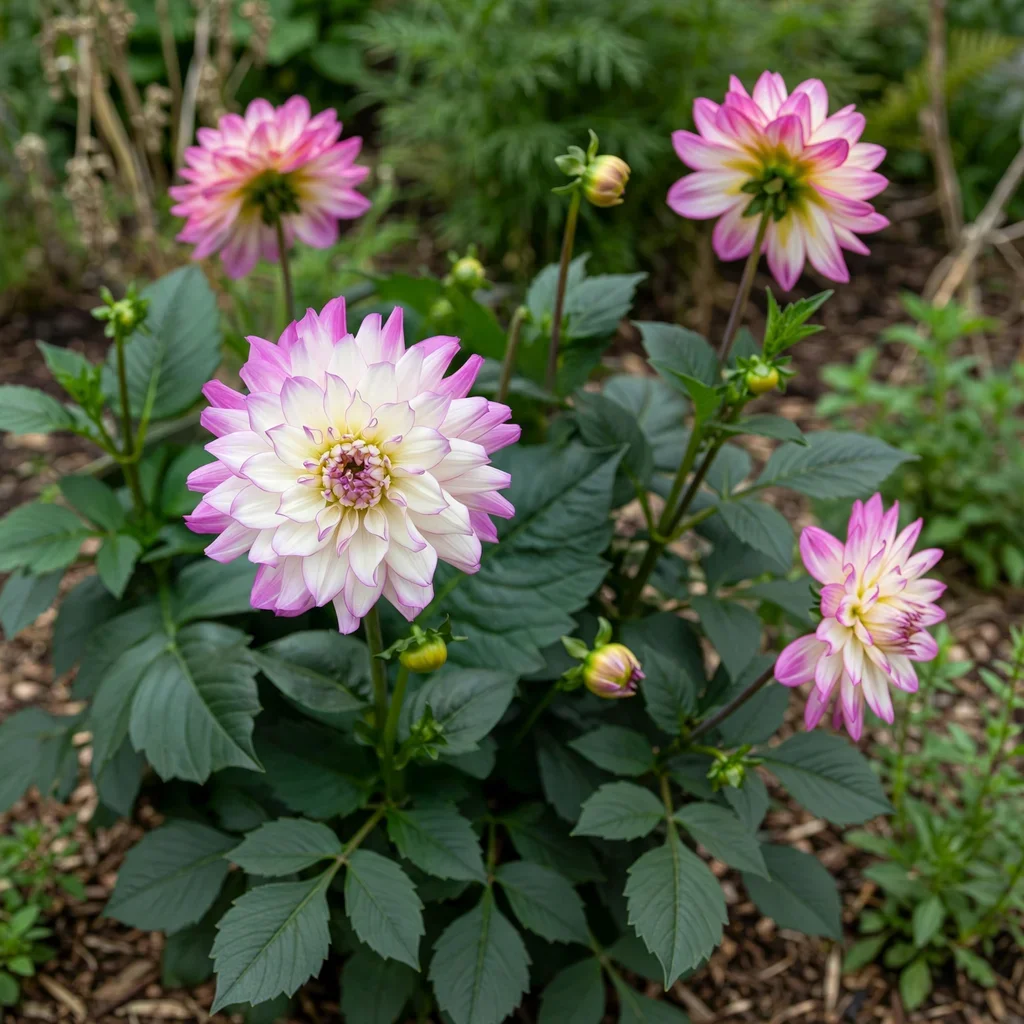
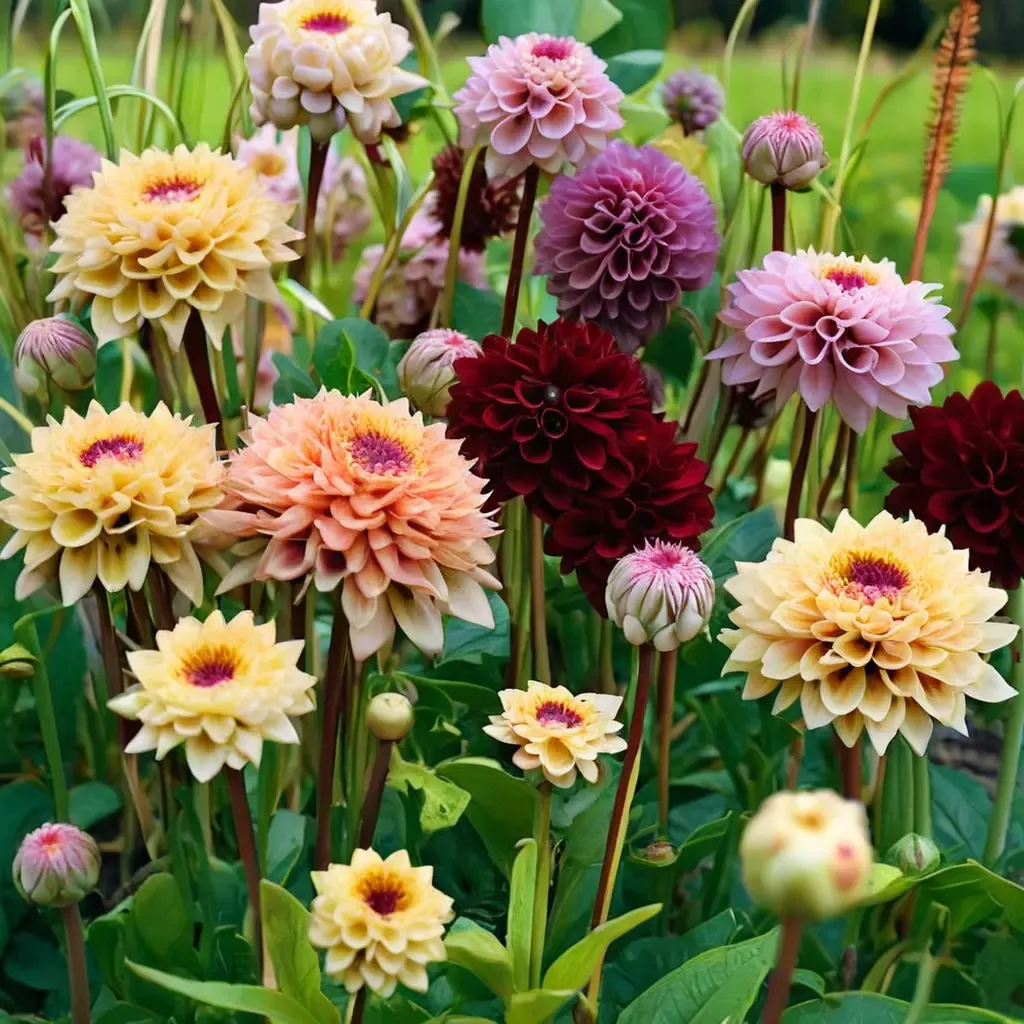
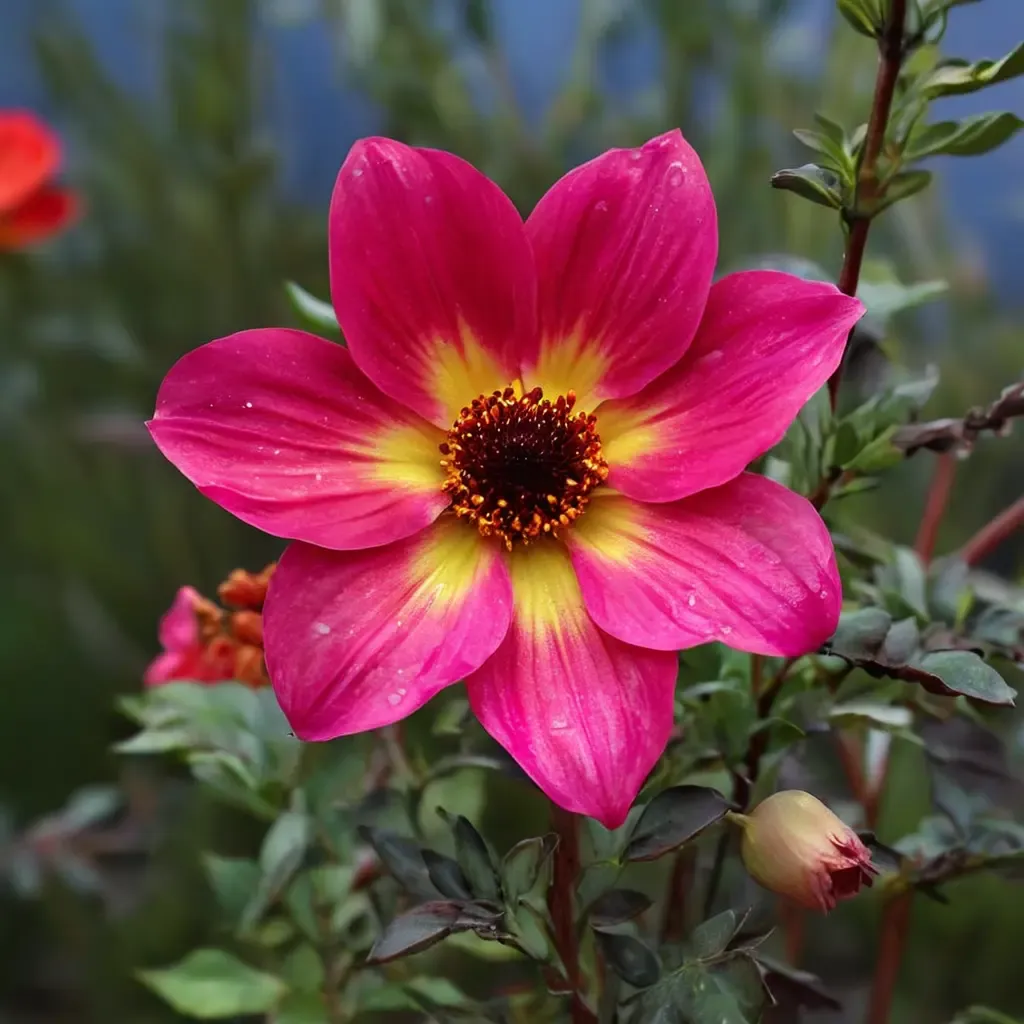
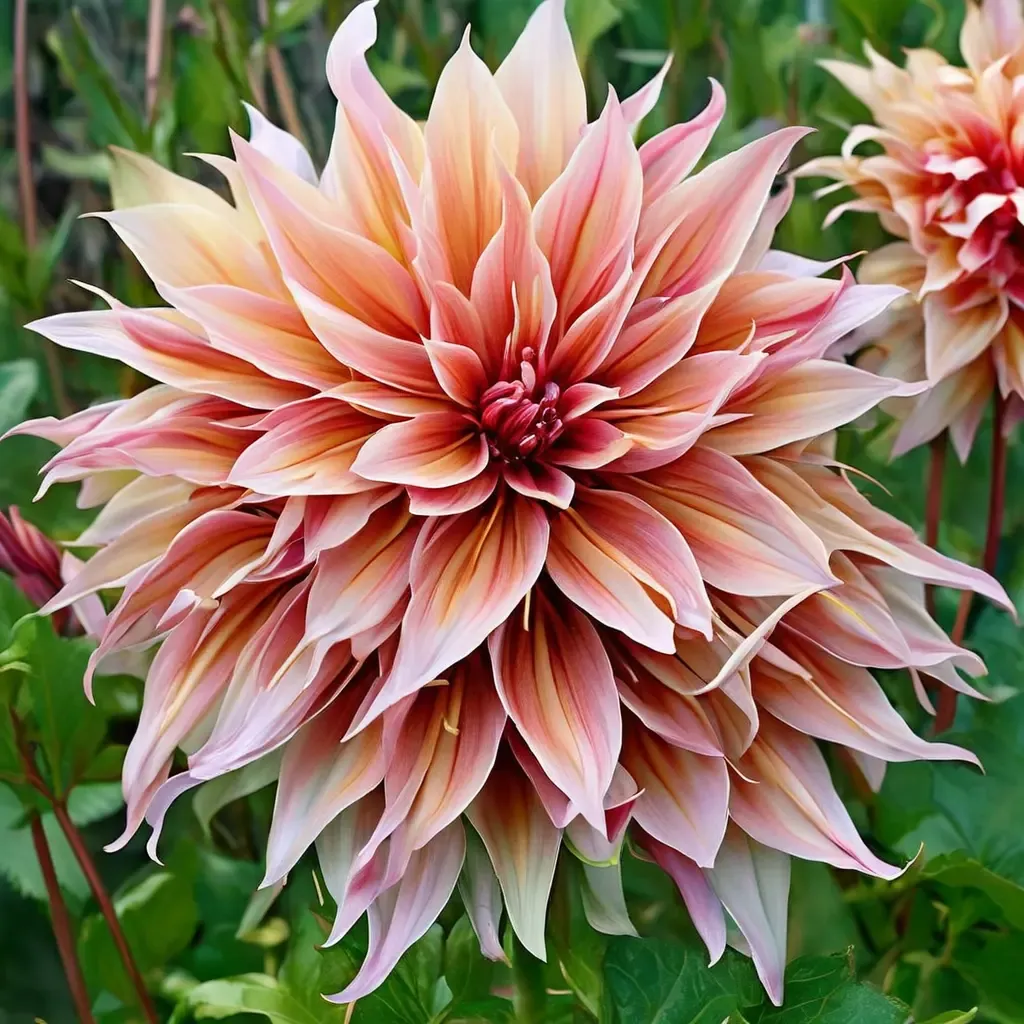
See all 120 Dahlia varieties →Search this genus →
7 species of Dahlia
Each one is a parent of the varieties above.
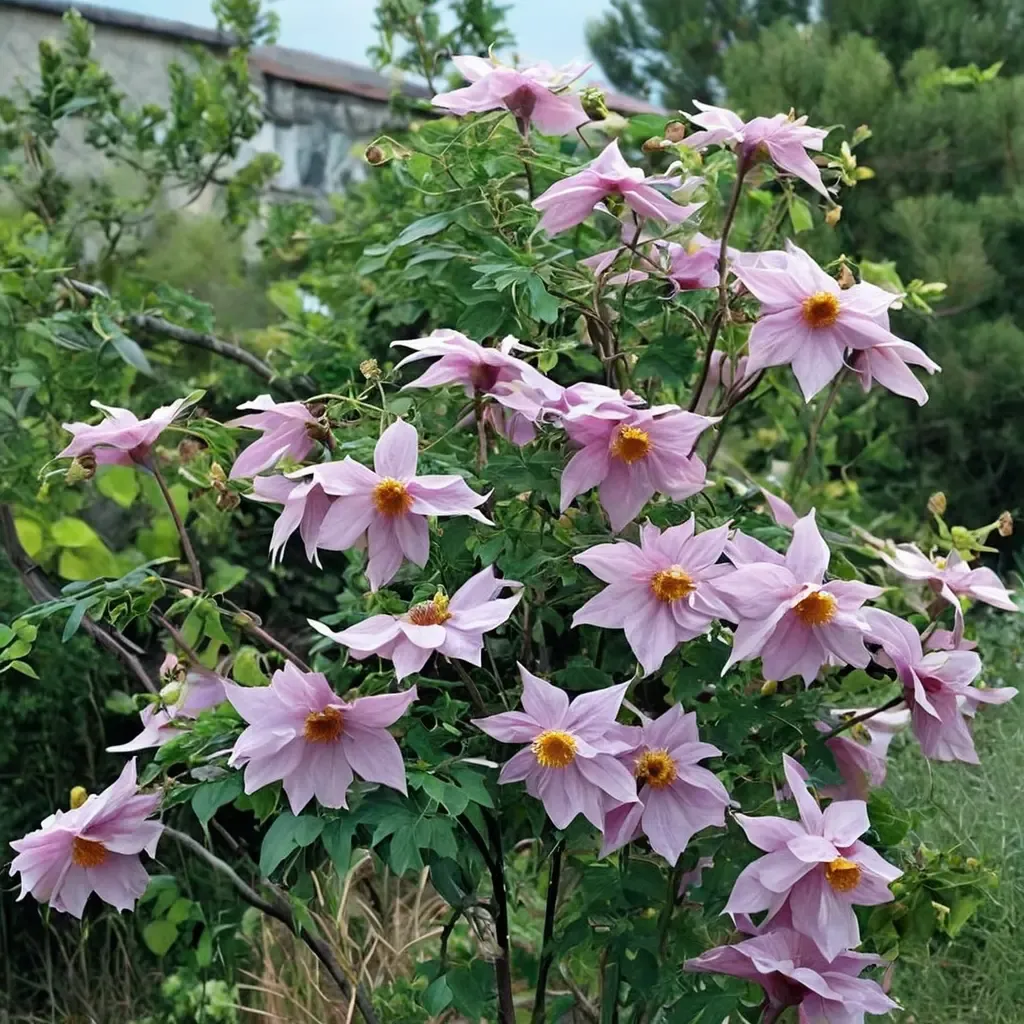
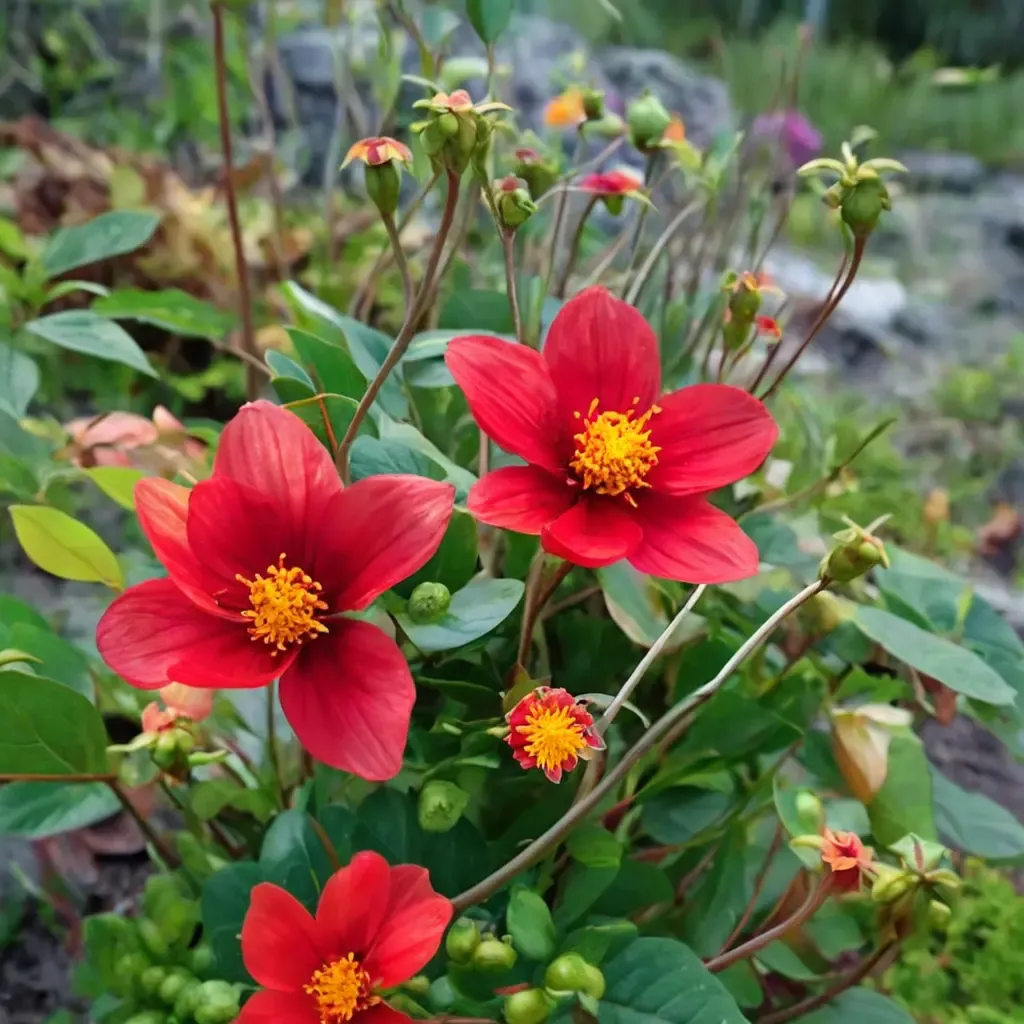
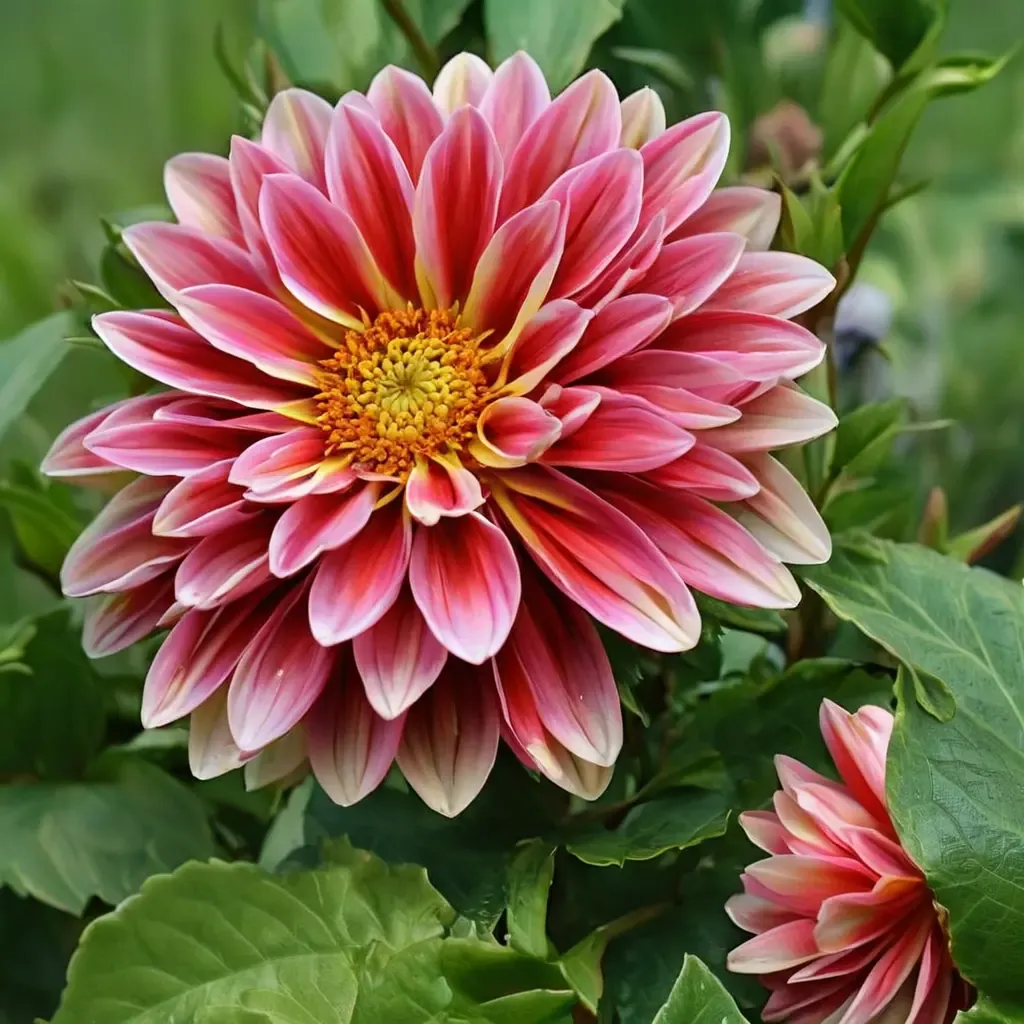
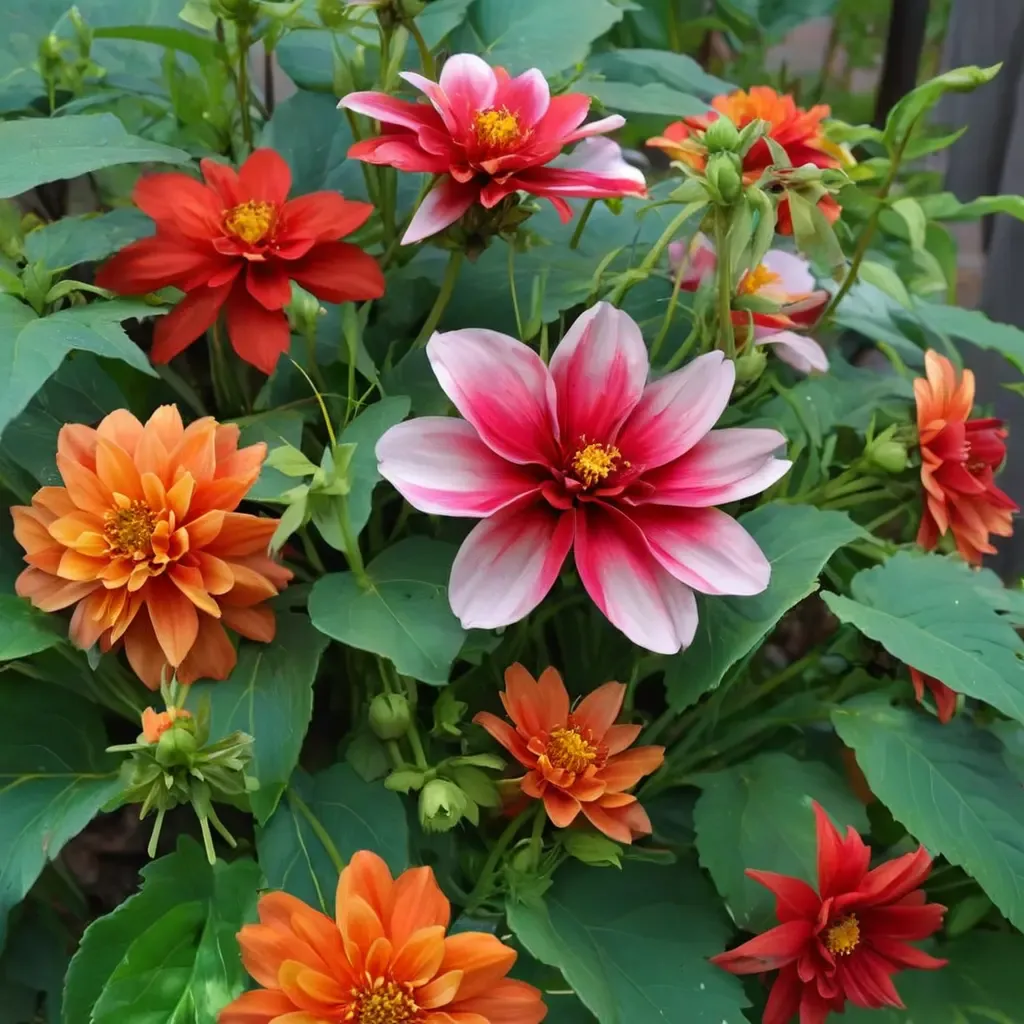
Track your Dahlia in Sow
Save the Dahlia you grow and get care reminders timed to your zone.
How to grow Dahlia
Whats common across all Dahlia varieties in our catalog — drawn from the care records of the 40 most-grown of them.
The Dahlia year
- PlantMay and June100% of varieties
Plant tubers after last frost, 4-6 inches deep
- Lift & StoreNovember and December100% of varieties
Dig tubers after first hard frost; store in cool, dark, dry place
- Pinch TipsJune and July98% of varieties
Pinch center shoot when 12 inches tall for bushier growth
- DeadheadJuly–October95% of varieties
Remove spent flowers promptly to encourage continuous blooming
- StakeJune and July90% of varieties
Install sturdy stakes early for support before plants reach 1 ft
- FertilizeJuly–September70% of varieties
Low-nitrogen fertilizer monthly once blooming begins


Do
- Water deeply once a week during dry spells 🌱
- Stake tall varieties to prevent wind damage
- Water consistently during dry spells 🌱
- Water regularly to keep soil moist but not waterlogged 🌱
- Stake tall varieties to support heavy blooms
Avoid
- Avoid overwatering to prevent tuber rot ❌
- Don’t plant in poorly drained soil
- Refrain from fertilizing late in the season to prevent weak growth
- Refrain from fertilizing late in the season
What goes wrong with Dahlia
| Problem | What you'll see | What to do |
|---|---|---|
| Aphids | Distorted or sticky leaves | Use insecticidal soap or neem oil |
| Spider Mites | Fine webbing on leaves | Increase humidity and spray with insecticidal soap |
| Spider mites | Webbing on foliage | Use horticultural oil or insecticidal soap |
| Slugs | Chewed leaves and stems | Apply organic slug bait or set up beer traps |
| Powdery Mildew | White powder on leaves | Improve air circulation and apply fungicide |
| Powdery mildew | White powdery coating on leaves | Apply fungicide and improve air circulation |
| Root Rot | Wilting despite watering, blackened roots | Ensure well-drained soil and reduce watering |
Making more Dahlia
Tuber division
- Dig up tubers in late fall or early spring
- Slice tubers with a sharp knife ensuring each division has eyes
- Allow cuts to dry for 24 hours before planting
- Plant in well-draining soil with eyes facing upward
- Water thoroughly after planting
- Maintain moist soil for 2-3 weeks until established
Cuttings
- Take 4-6 inch cuttings from healthy stems in late spring
- Remove lower leaves and dip in rooting hormone
- Plant in moist, well-draining soil or perlite
- Keep soil moist and place in bright, indirect light
- Roots form in 4-6 weeks
Dahlia questions
How many types of Dahlia are there?
The Sow catalog tracks 120 distinct Dahlia varieties. The most popular — ranked by 2.6k real gardeners — are shown first above.
What zones does Dahlia grow in?
Across its varieties, Dahlia covers USDA Zones 5–10. Individual varieties differ — each plant page lists its exact range, and Sow filters the catalog to your zone automatically.
When does Dahlia bloom?
Most Dahlia varieties bloom in mid-summer, mid-summer to fall, summer to fall. Staggering early, mid, and late varieties extends the genus's season in one bed.
Which Dahlia should I choose?
Start from the most-saved varieties above — popularity across thousands of gardens is a strong signal of reliability — then filter by your zone and sun. In the Sow app you can preview any of them in a photo of your actual yard before you buy.