The Story
Plant Bio
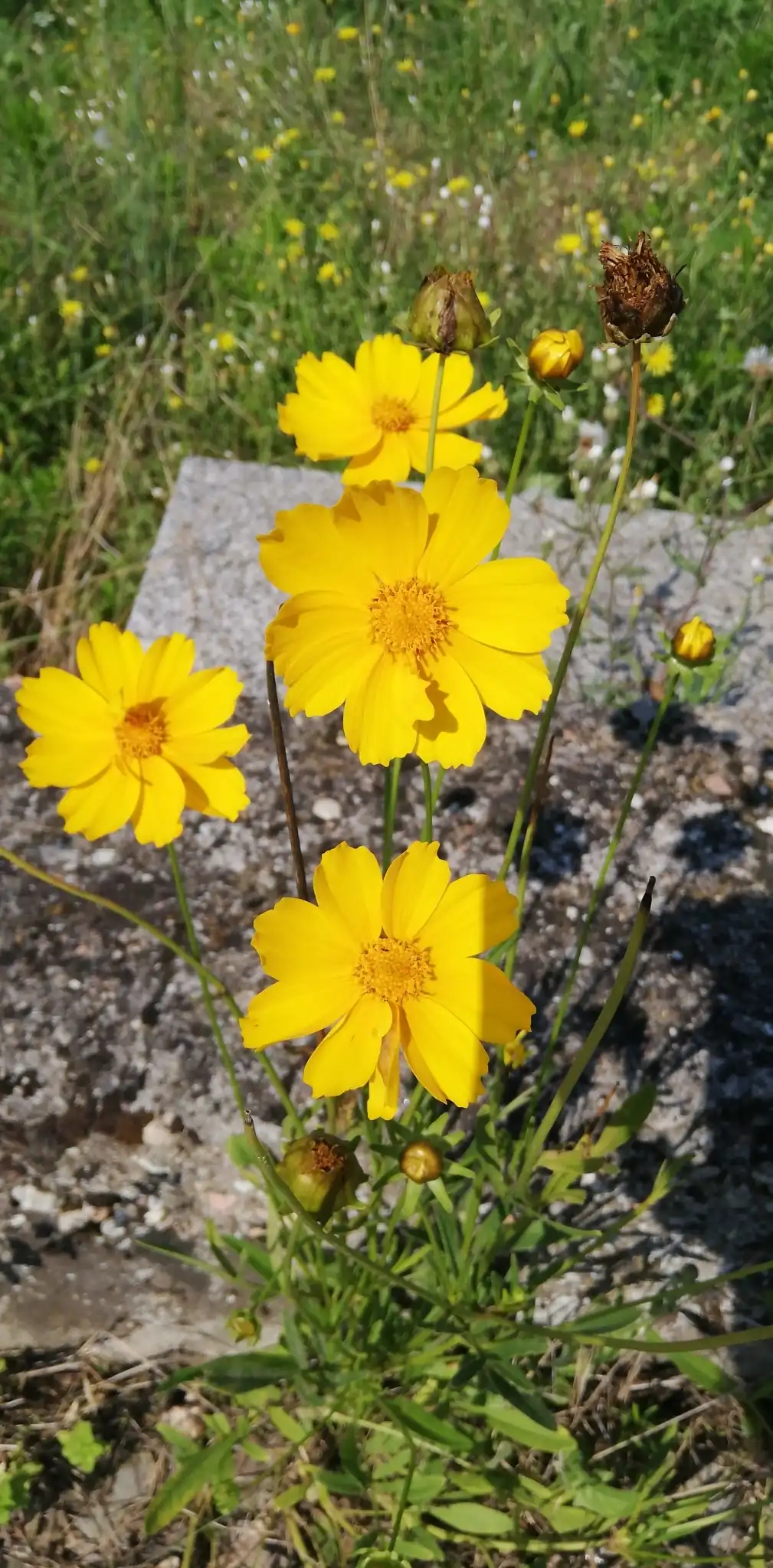
Coreopsis is a genus of cheerful, sun-loving wildflowers native to the Americas, known for their daisy-like flowers and tolerance of heat and poor soil. The seeds are small and dark, resembling ticks, hence the common name 'tickseed'.
As a native species, Coreopsis lanceolata is exceptionally tough and adaptable, thriving in poor, dry, or rocky soils where other perennials might struggle. It readily self-seeds, making it perfect for naturalizing in meadows and wildflower gardens.
Uses & Benefits:
Essentials
At a Glance
Plant Type
Perennial
Height
24"
Width
18"
Light
Full Sun
Zones
4, 5, 6, 7, 8, 9
Water
Low
Humidity
Adaptable
Lifespan
Short-lived perennial, but self-seeds
Native To
Eastern and Central North America
Toxicity
Non-toxic
Bloom period
Late spring – Mid-summer
In flower about 3 months of the year
Marketplace
Where to Buy
Shipping costs Year-round shipping Free shipping
Planting
How to Grow
- Select a site that receives at least 6 hours of direct sunlight daily.
- Ensure the soil is well-drained; this plant hates wet feet.
- Sow seeds directly in fall or early spring, barely covering them.
- Water new plants regularly until they are well-established.
- Deadhead spent blooms to encourage a longer flowering period.
- Allow some flowers to go to seed if you want it to naturalize.
Pro Tip
Avoid rich soils and fertilizer, as this can cause the plant to become leggy and flop over.
Keep It Thriving
Care Guide
Do
- Provide full sun for the sturdiest stems and most flowers.
- Allow the soil to dry out between waterings.
- Deadhead regularly to extend the bloom season.
- Divide clumps every few years to keep them healthy and vigorous.
Don't
- Do not overwater or plant in poorly drained soil.
- Avoid fertilizing, as it promotes weak, floppy growth.
- Don't plant in shade, which will result in few to no flowers.
- Don't worry about pests; it's generally trouble-free.
Seasonal Care Calendar
| Task | Jan | Feb | Mar | Apr | May | Jun | Jul | Aug | Sep | Oct | Nov | Dec |
|---|---|---|---|---|---|---|---|---|---|---|---|---|
| Deadhead | ||||||||||||
| Divide | ||||||||||||
| Plant |
Watch Out For
Pests & Diseases
Common Pests
Common Diseases
In the Garden
Landscape Uses & Companions
Landscape Uses
Multiply
Propagation Methods
Good to Know
Common Questions
Lanceleaf Tickseed questions
What zones can Lanceleaf Tickseed grow in?
Lanceleaf Tickseed is hardy in USDA Zones 4–9. Inside that range it survives winter in the ground; outside it, grow it as an annual or a container plant you protect.
Is Lanceleaf Tickseed deer resistant?
Yes — Lanceleaf Tickseed is rated deer-resistant. Deer typically pass it over, though extreme hunger can override any plant's defenses.
When does Lanceleaf Tickseed bloom?
Lanceleaf Tickseed typically blooms in late spring through mid-summer. Exact timing shifts a week or two with your zone — Sow's bloom calendar maps it to your garden.
Does Lanceleaf Tickseed need full sun?
Lanceleaf Tickseed does best in full sun (6+ hours).
Is Lanceleaf Tickseed drought tolerant?
Yes — once established (usually after the first full season), Lanceleaf Tickseed handles dry spells with minimal watering. Water deeply its first year to build the root system that makes that possible.
More Coreopsis to compare
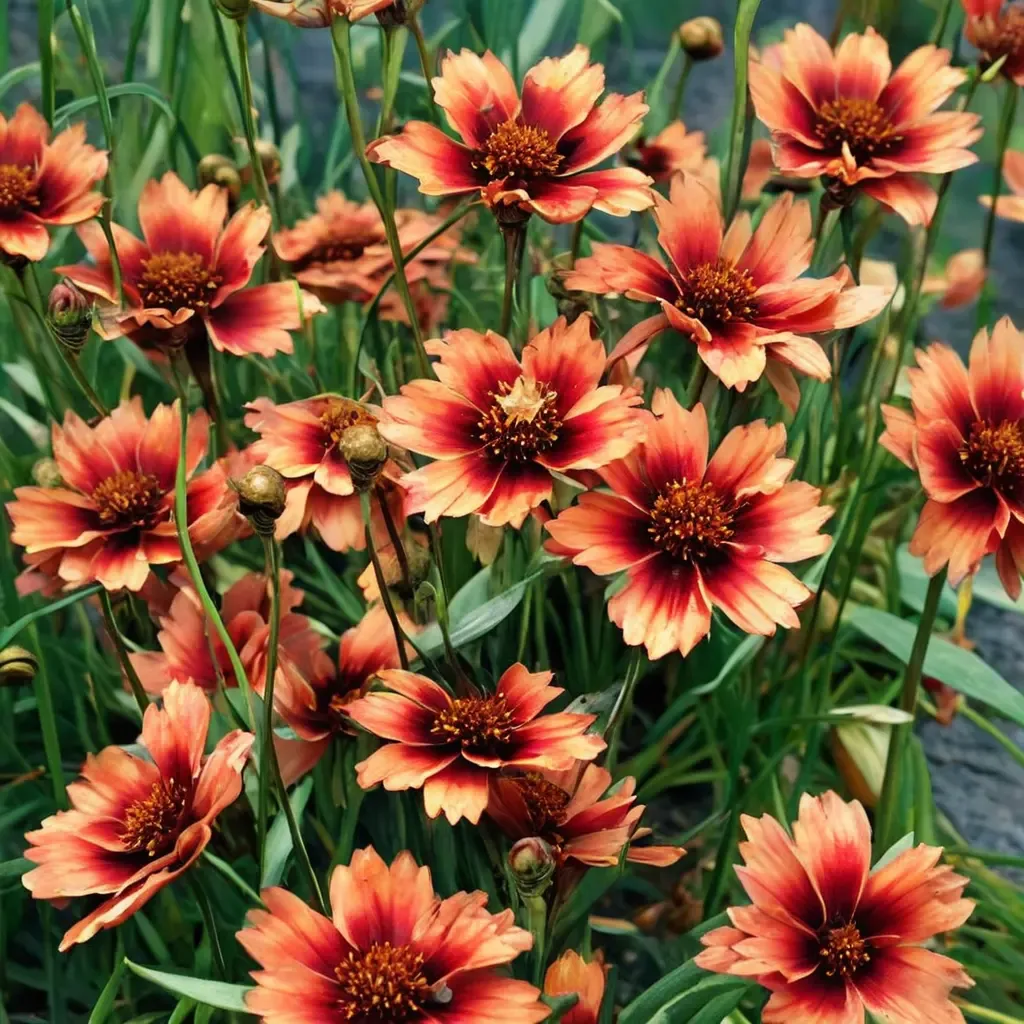
Plains Coreopsis
Coreopsis tinctoria 'Desert Coral'
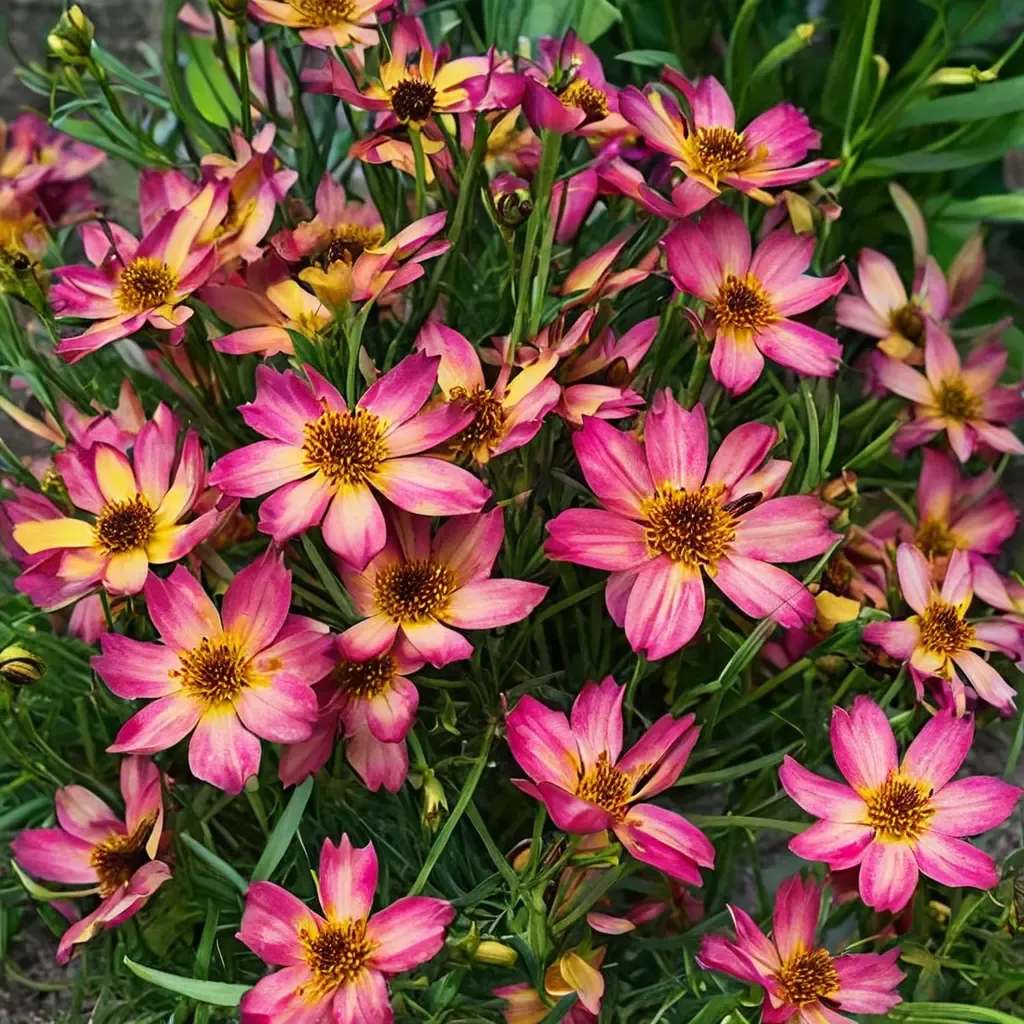
Tickseed 'Sweet Tart'
Coreopsis tinctoria 'Sweet Tart'
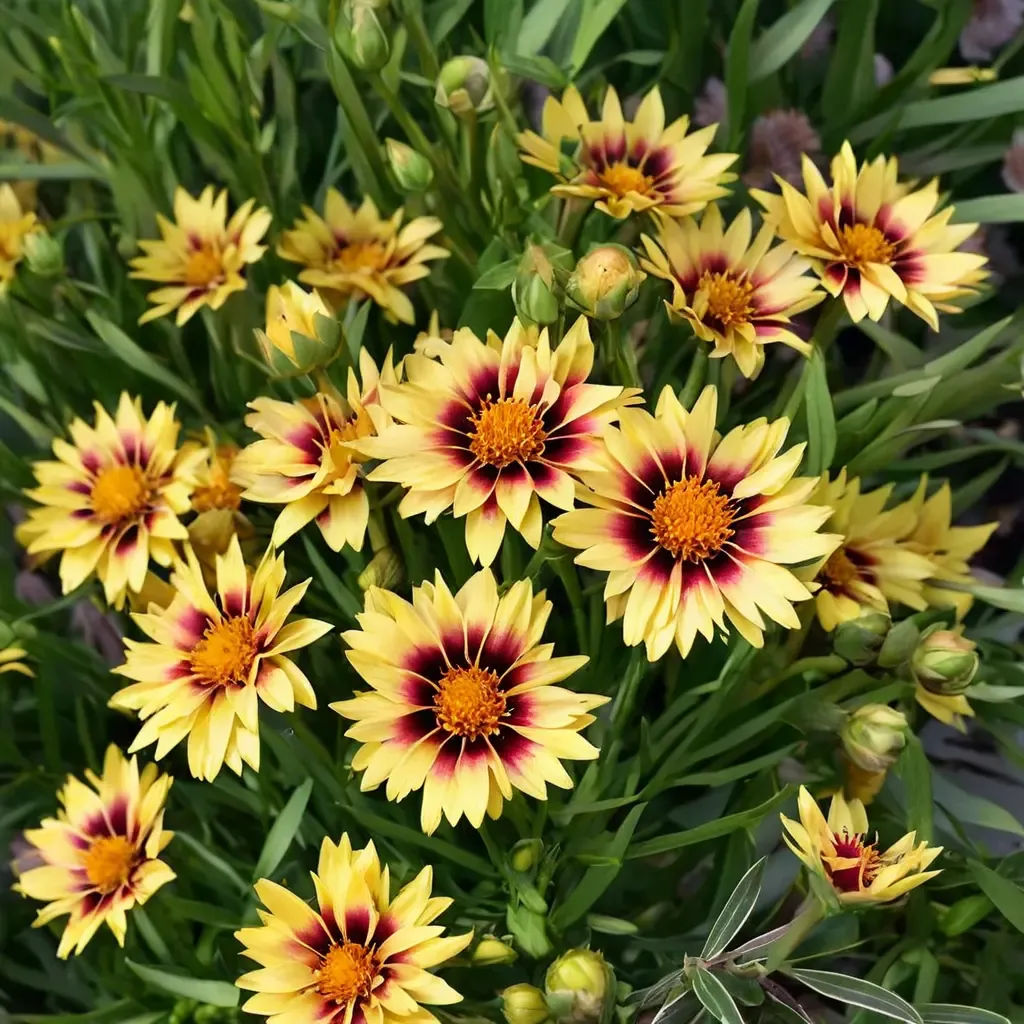
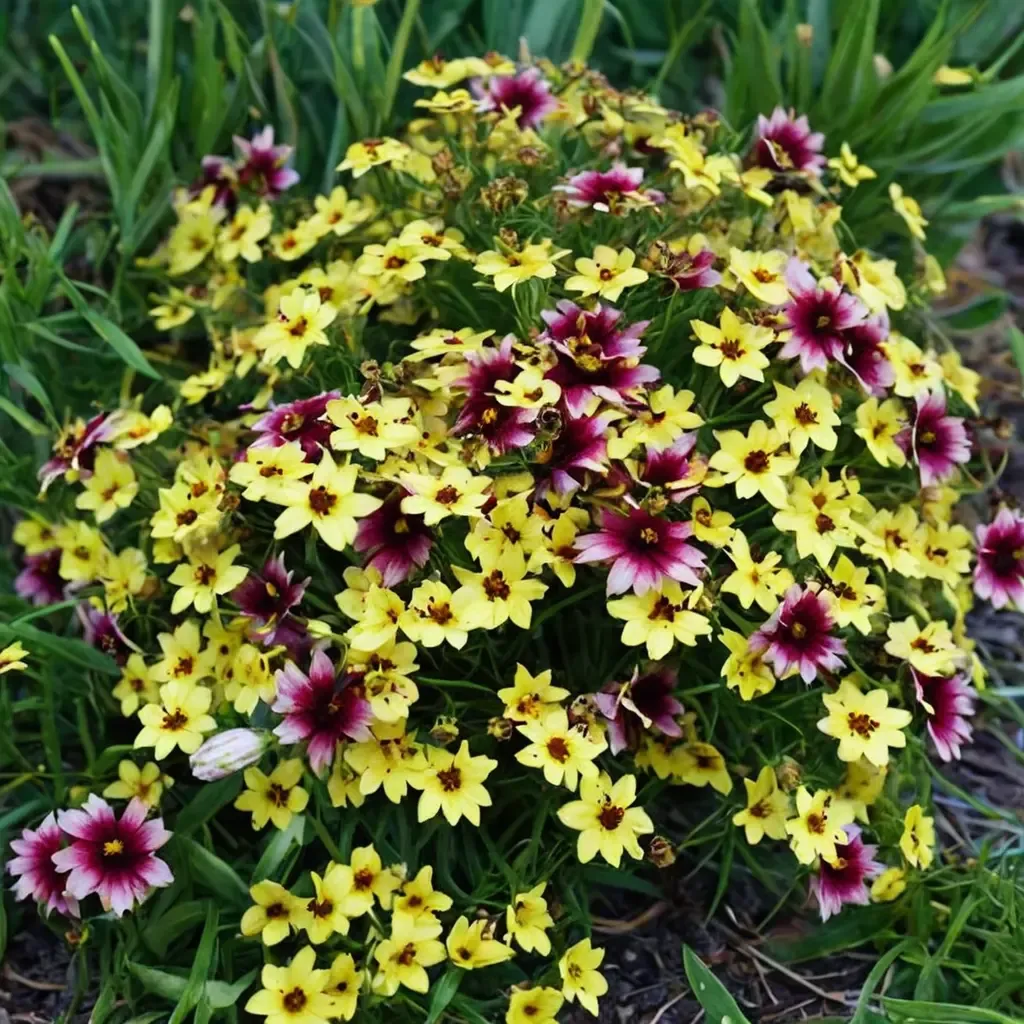
Enchanted Eve Li'l Bang Tickseed
Coreopsis grandiflora 'Enchanted Eve Li'l Bang'
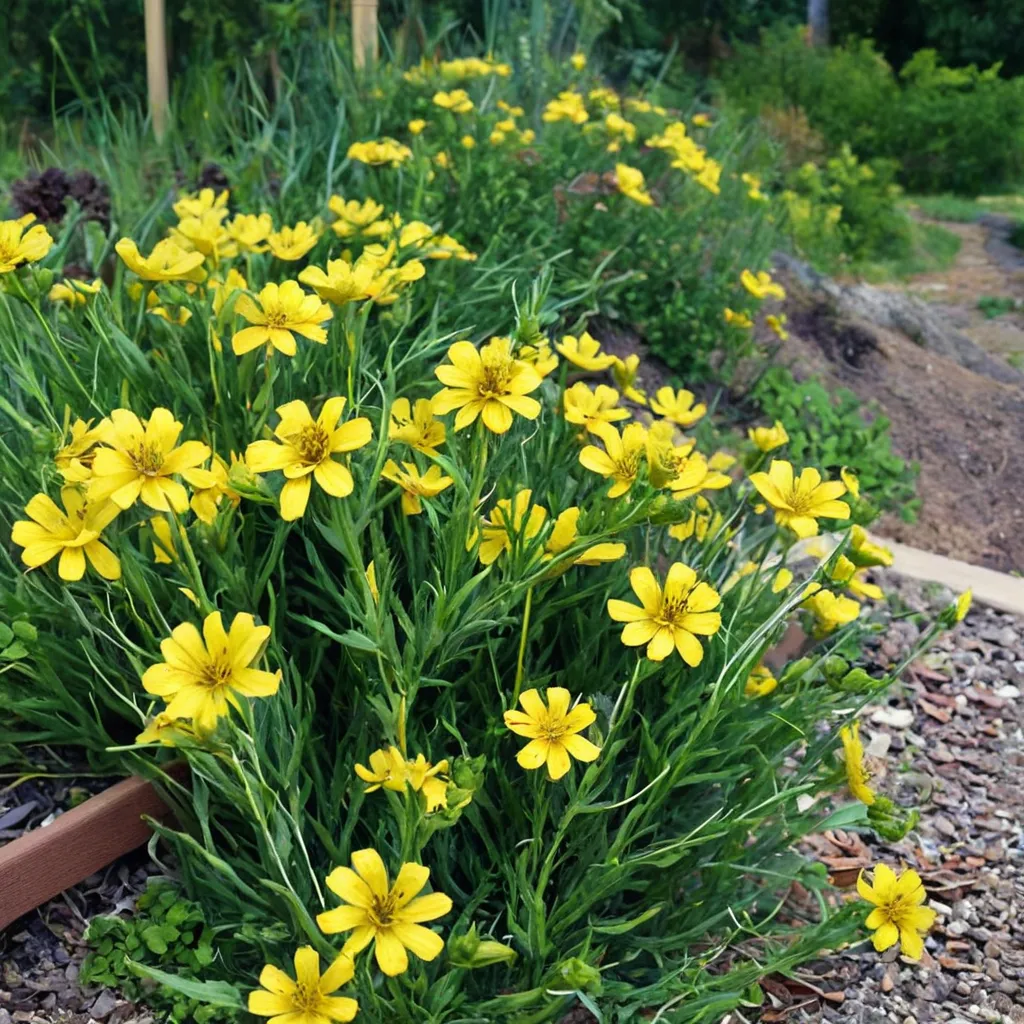
Sassy Saffron Tickseed
Coreopsis grandiflora 'Sassy Saffron'
Prairie Coreopsis
Coreopsis palmata
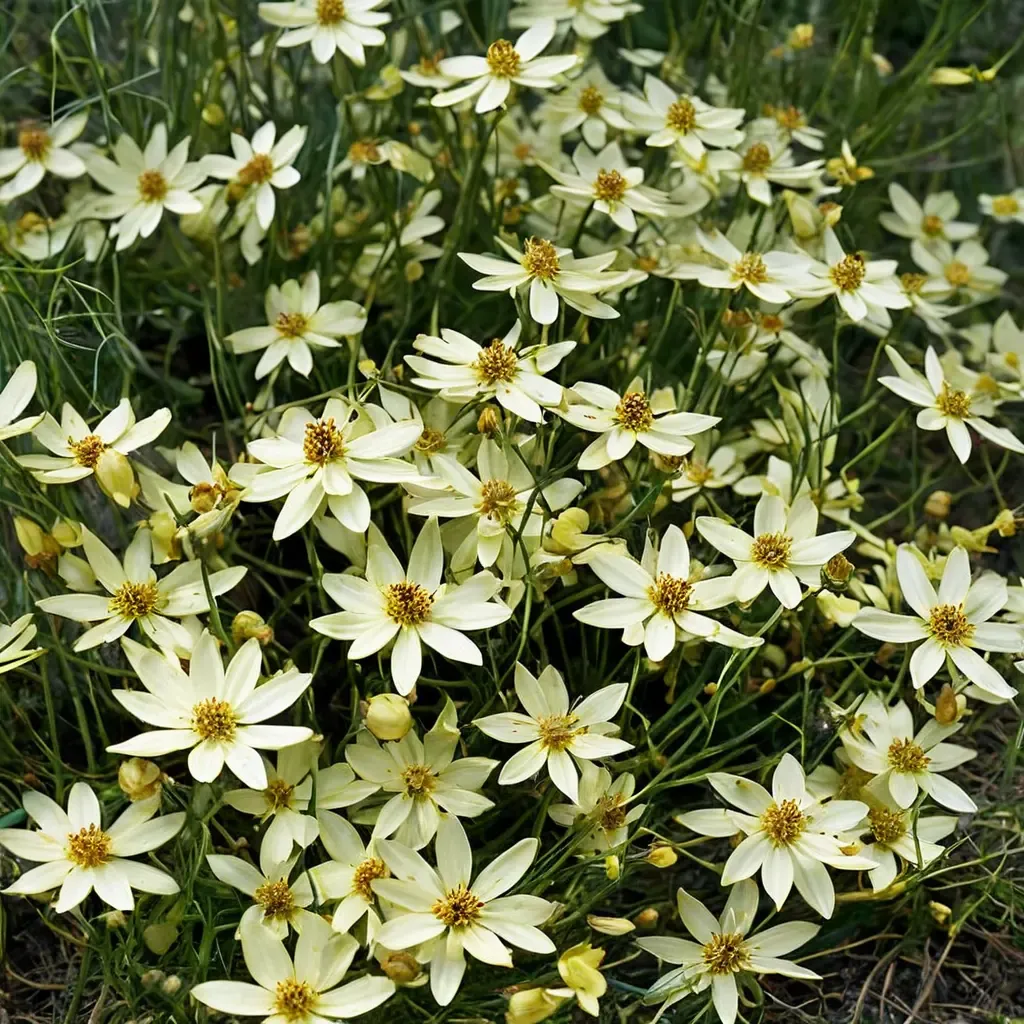
Moonbeam Tickseed
Coreopsis verticillata 'Moonbeam'
Keep exploring
Explore the genus
Grow Lanceleaf Tickseed with confidence
See it in a design of your actual yard, get zone-matched care reminders, and track it season by season in your garden journal.