The Story
Plant Bio
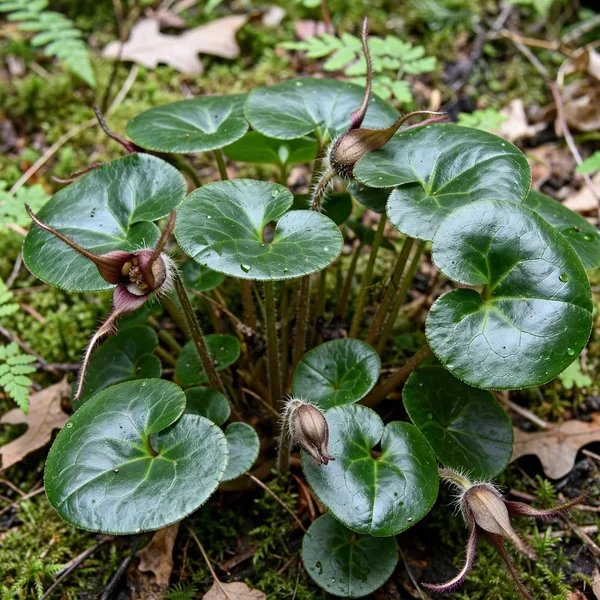
Asarum hirsutisepalum, commonly known for its furry, hirsute sepals, is a perennial herb native to the shaded forest floors.
This species is distinct for its unique woolly texture on the flower sepals, which is unusual among other Asarum species.
Uses & Benefits:
Essentials
At a Glance
Plant Type
Perennial
Height
6"
Width
12"
Light
Partial Sun, Shade
Zones
6, 7, 8, 9
Water
Moist
Humidity
Prefers high humidity
Lifespan
Perennial
Native To
China
Toxicity
Toxic if ingested; contains aristolochic acid.
Bloom period
Early spring – Late spring
In flower about 3 months of the year
Planting
How to Grow
- Tuck seeds lightly into moist, well-drained soil in early spring.
- Mist cuttings regularly to maintain humidity and encourage rooting.
- Apply a layer of mulch to retain soil moisture and suppress weeds.
- Ensure consistent watering during dry periods for healthy growth.
- Prune dead or damaged leaves in late winter to promote new growth.
- Divide clumps every 3-4 years for rejuvenation and propagation.
Pro Tip
Provide shaded conditions and rich, moist soil for optimal growth.
Keep It Thriving
Care Guide
Do
- Water regularly to keep soil moist but not waterlogged 🌱
- Mulch to conserve moisture and regulate soil temperature
- Prune dead leaves to encourage healthy foliage
Don't
- Avoid direct, harsh sunlight that can scorch leaves ❌
- Do not let soil dry out completely
- Avoid over-fertilizing which can cause leaf burn
Seasonal Care Calendar
| Task | Jan | Feb | Mar | Apr | May | Jun | Jul | Aug | Sep | Oct | Nov | Dec |
|---|---|---|---|---|---|---|---|---|---|---|---|---|
| Divide | ||||||||||||
| Mulch | ||||||||||||
| Plant |
Watch Out For
Pests & Diseases
Common Pests
Common Diseases
In the Garden
Landscape Uses & Companions
Landscape Uses
Multiply
Propagation Methods
Good to Know
Common Questions
Hairy-sepal wild ginger questions
What zones can Hairy-sepal wild ginger grow in?
Hairy-sepal wild ginger is hardy in USDA Zones 6–9. Inside that range it survives winter in the ground; outside it, grow it as an annual or a container plant you protect.
Is Hairy-sepal wild ginger deer resistant?
Yes — Hairy-sepal wild ginger is rated deer-resistant. Deer typically pass it over, though extreme hunger can override any plant's defenses.
When does Hairy-sepal wild ginger bloom?
Hairy-sepal wild ginger typically blooms in early spring through late spring. Exact timing shifts a week or two with your zone — Sow's bloom calendar maps it to your garden.
Does Hairy-sepal wild ginger need full sun?
Hairy-sepal wild ginger does best in part shade.
More Asarum to compare
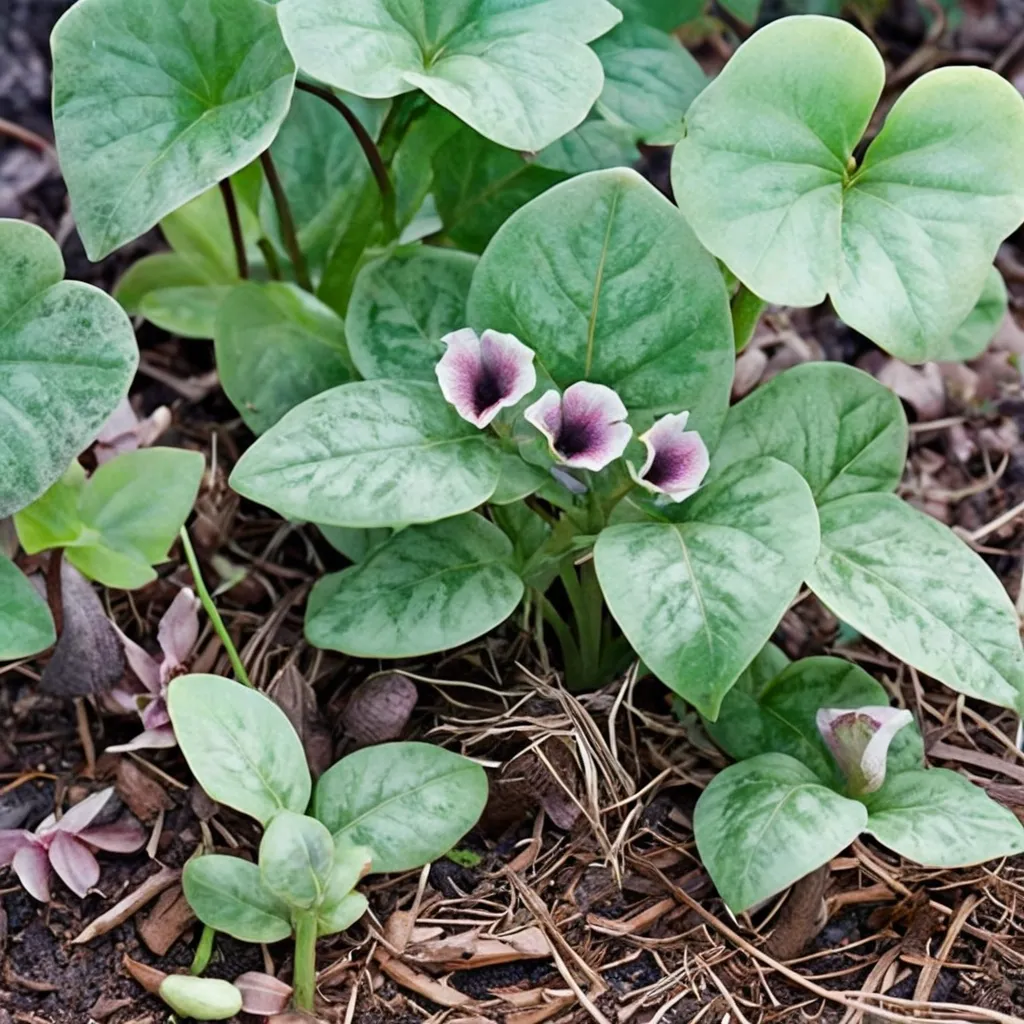
Arrowleaf Ginger
Asarum arifolium 'Spreading Form'
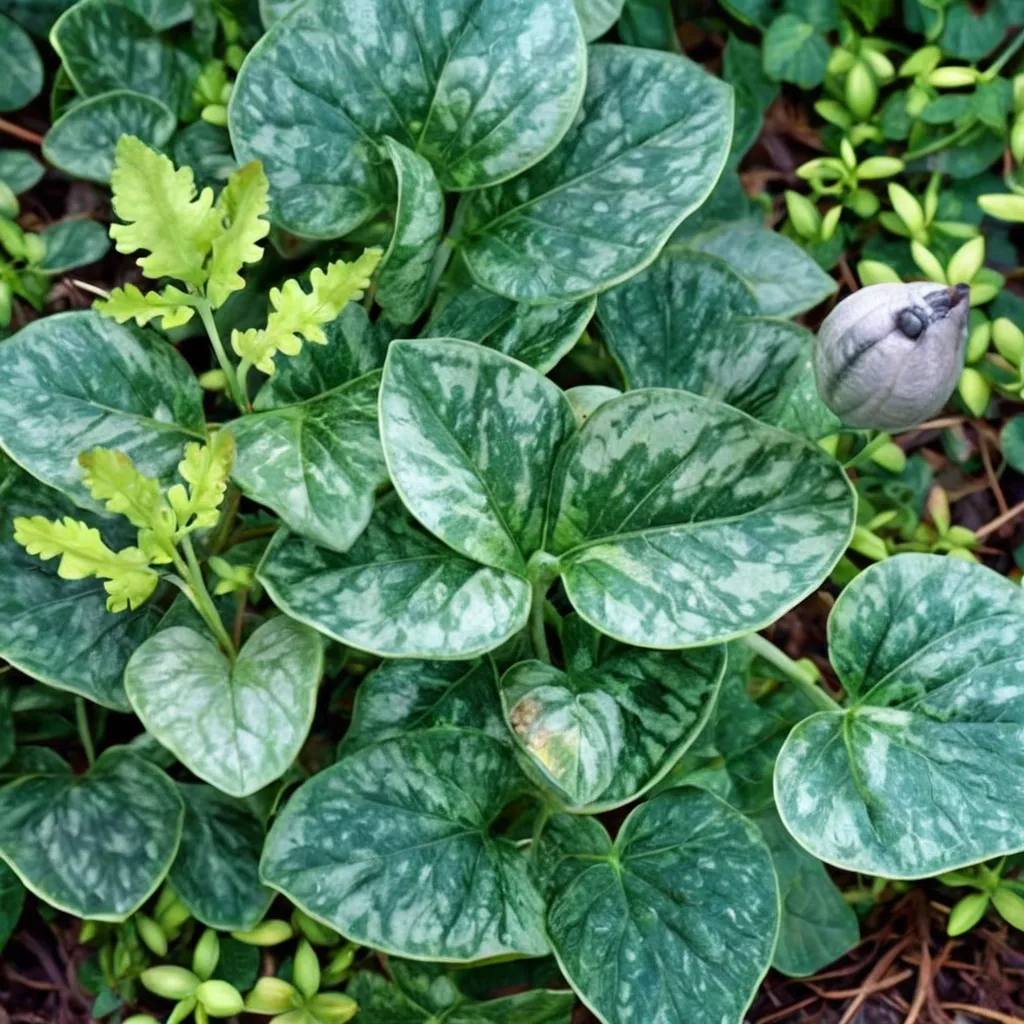
Cahaba River Wild Ginger
Asarum shuttleworthii 'Cahaba River'
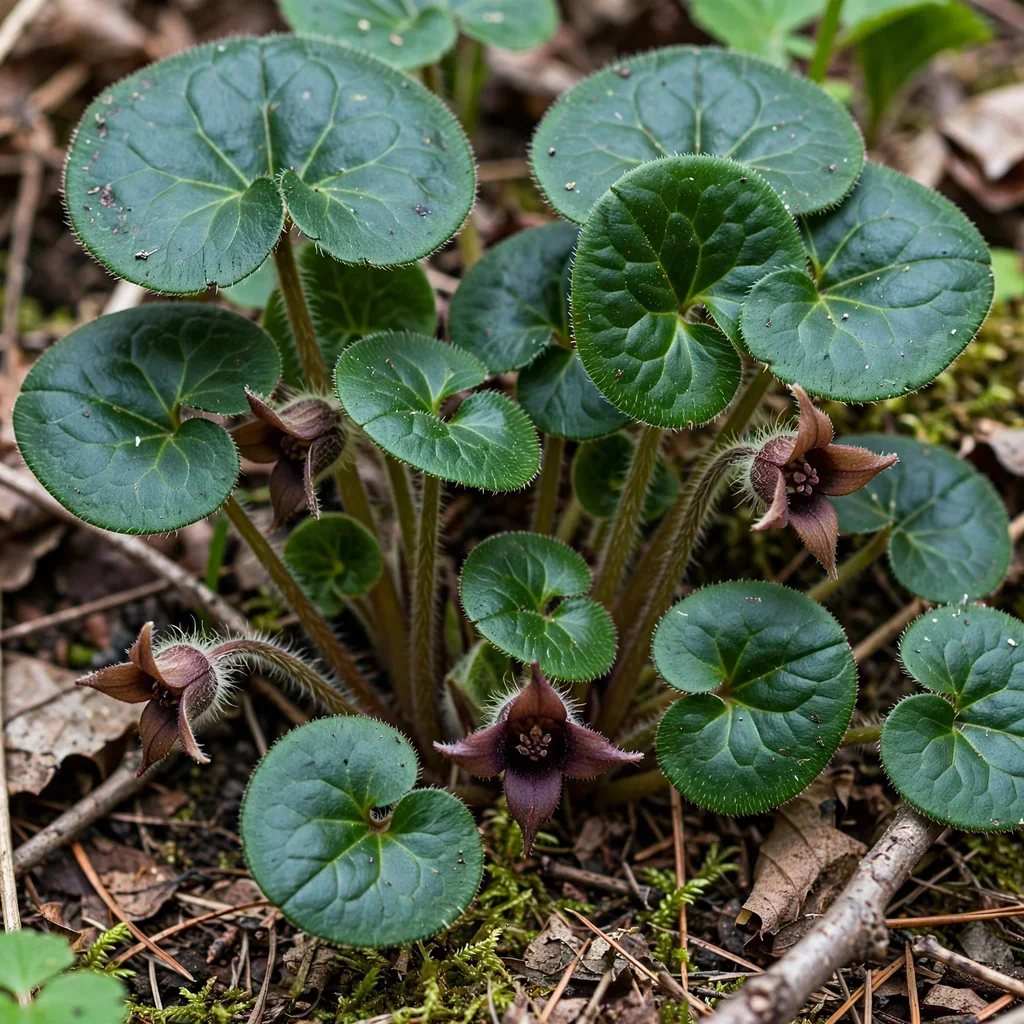
Canadian Wild Ginger
Asarum canadense
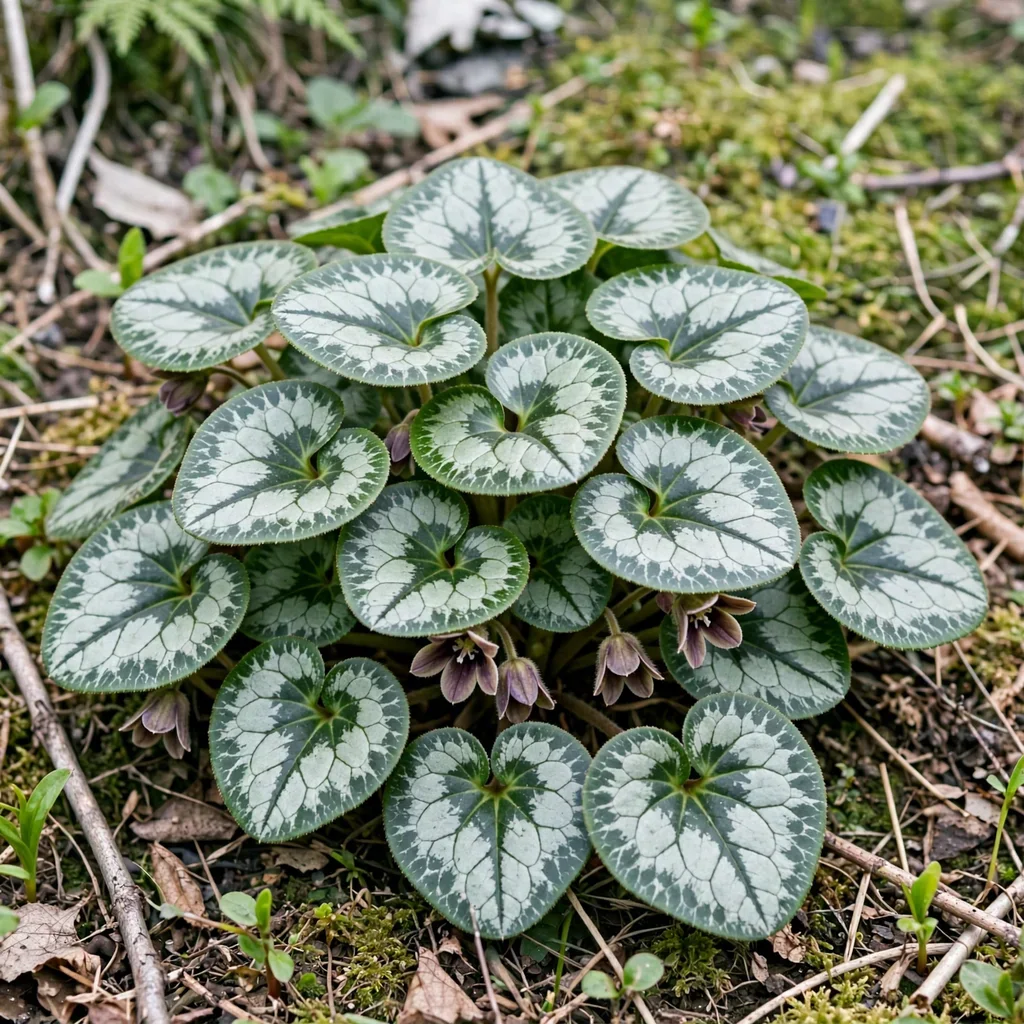
Asteroid Sixlobed Wild Ginger
Asarum hexalobum 'Asteroid'
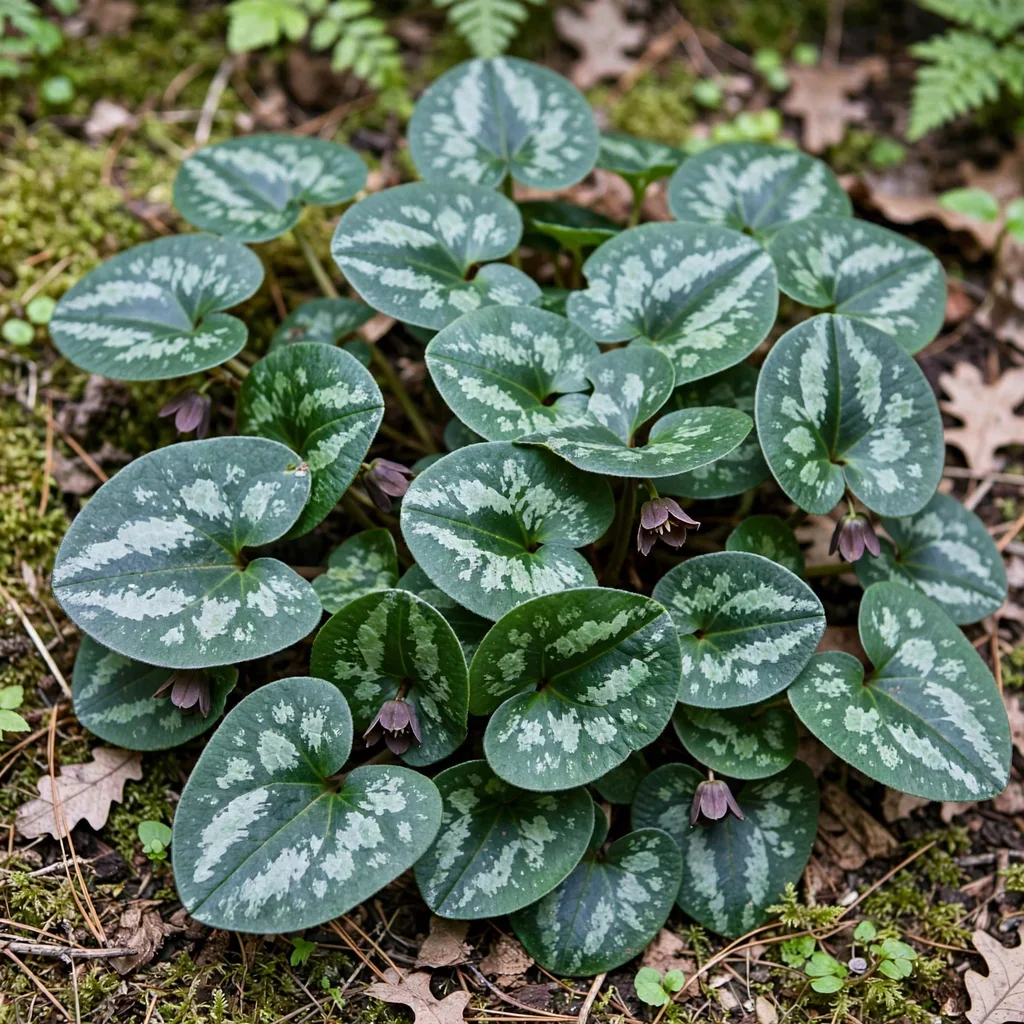
Faurie's Wild Ginger
Asarum fauriei 'Galaxy'
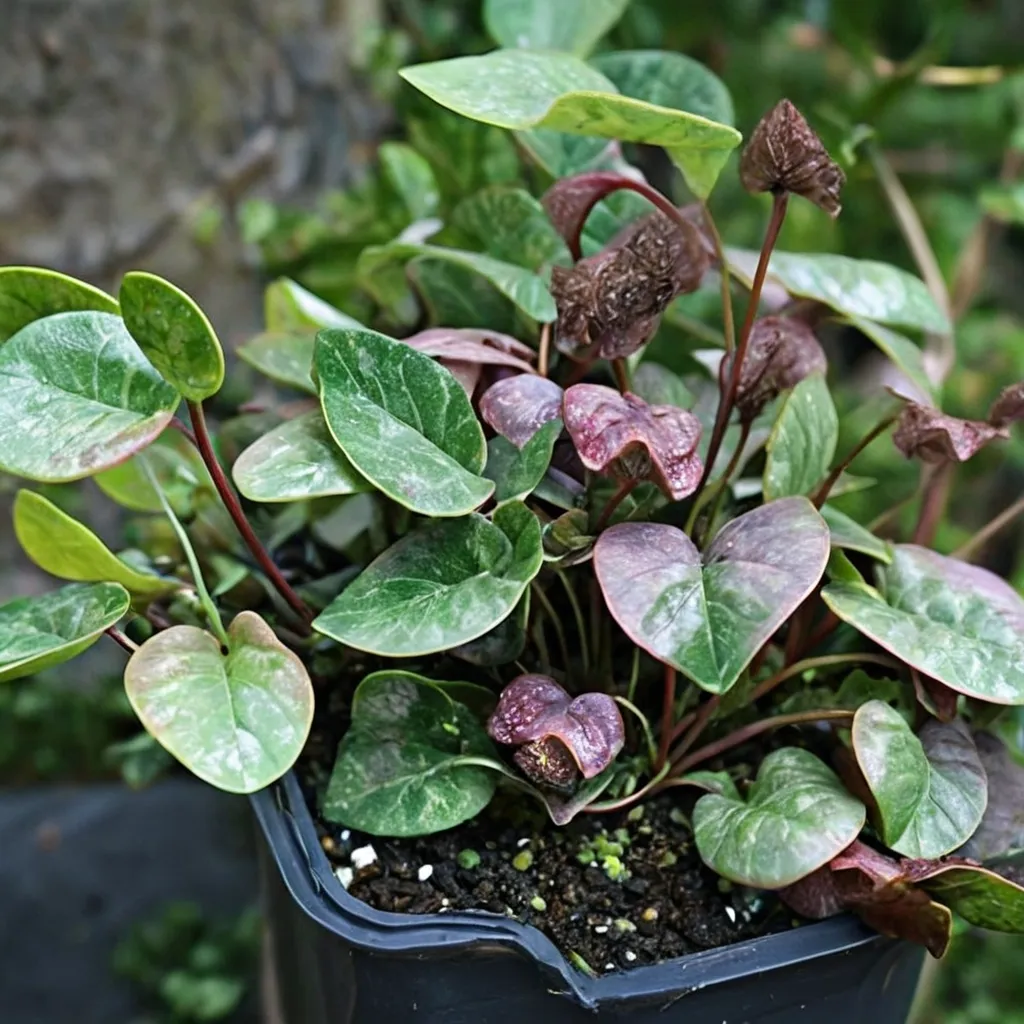
Harper's Wild Ginger
Asarum harperi 'Eco Dark Heartlet'
Keep exploring
Explore the genus
Hardy in your zone?
Grow Hairy-sepal wild ginger with confidence
See it in a design of your actual yard, get zone-matched care reminders, and track it season by season in your garden journal.