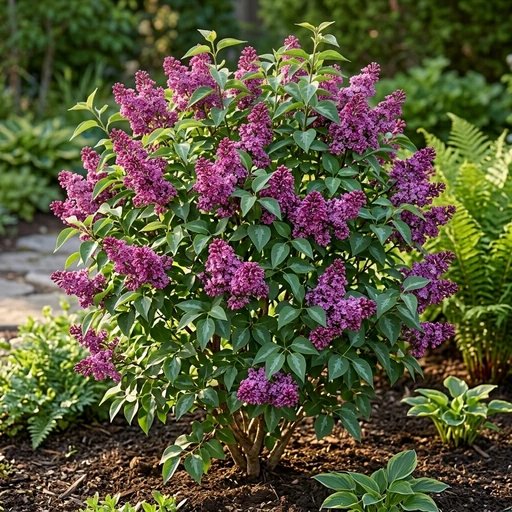
The Story
Plant Bio
Lilacs are classic deciduous shrubs cherished for their intensely fragrant, conical flower panicles that bloom in spring. They are hardy, long-lived, and relatively easy to grow in cooler climates.
The Bloomerang series are revolutionary reblooming lilacs. They produce a heavy flush of flowers in spring, then after a brief rest, continue to produce flowers from mid-summer until the first frost. 'Purpink' has unique pink-purple blooms on a compact plant.
Uses & Benefits:
Essentials
At a Glance
Plant Type
Shrub
Height
42"
Width
42"
Light
Full Sun
Zones
4, 5, 6, 7
Water
Medium
Humidity
Moderate
Lifespan
Long-lived shrub
Native To
Hybrid (Asian parentage)
Toxicity
Non-toxic
Bloom period
Mid-spring – Early fall
In flower about 6 months of the year
Marketplace
Where to Buy
Shipping costs Year-round shipping Free shipping
Planting
How to Grow
- Choose a site with at least 6 hours of direct sun.
- Plant in well-drained, neutral to slightly alkaline soil.
- Dig a hole twice as wide as the pot.
- Set the plant at the same depth it was in the container.
- Backfill with soil and water well.
- Mulch around the base to keep roots cool and moist.
Pro Tip
For best rebloom, give the plant a light trim and remove spent flowers right after the main spring flush finishes.
Keep It Thriving
Care Guide
Do
- Provide full sun for the best flower production.
- Ensure good air circulation to prevent powdery mildew.
- Trim lightly after the spring bloom to shape and encourage more flowers.
Don't
- Do not plant in wet or poorly drained soil.
- Avoid overly acidic soil conditions; lilacs prefer neutral to alkaline pH.
- Do not prune in late summer or fall, as you will remove the following spring's flower buds.
Seasonal Care Calendar
| Task | Jan | Feb | Mar | Apr | May | Jun | Jul | Aug | Sep | Oct | Nov | Dec |
|---|---|---|---|---|---|---|---|---|---|---|---|---|
| Deadhead | ||||||||||||
| Fertilize | ||||||||||||
| Plant | ||||||||||||
| Prune |
Watch Out For
Pests & Diseases
Common Pests
Common Diseases
In the Garden
Landscape Uses & Companions
Landscape Uses
Multiply
Propagation Methods
Good to Know
Common Questions
Bloomerang Purpink Lilac questions
What zones can Bloomerang Purpink Lilac grow in?
Bloomerang Purpink Lilac is hardy in USDA Zones 4–7. Inside that range it survives winter in the ground; outside it, grow it as an annual or a container plant you protect.
Is Bloomerang Purpink Lilac deer resistant?
Yes — Bloomerang Purpink Lilac is rated deer-resistant. Deer typically pass it over, though extreme hunger can override any plant's defenses.
When does Bloomerang Purpink Lilac bloom?
Bloomerang Purpink Lilac typically blooms in mid-spring through early fall. Exact timing shifts a week or two with your zone — Sow's bloom calendar maps it to your garden.
Does Bloomerang Purpink Lilac need full sun?
Bloomerang Purpink Lilac does best in full sun (6+ hours).
More Syringa to compare
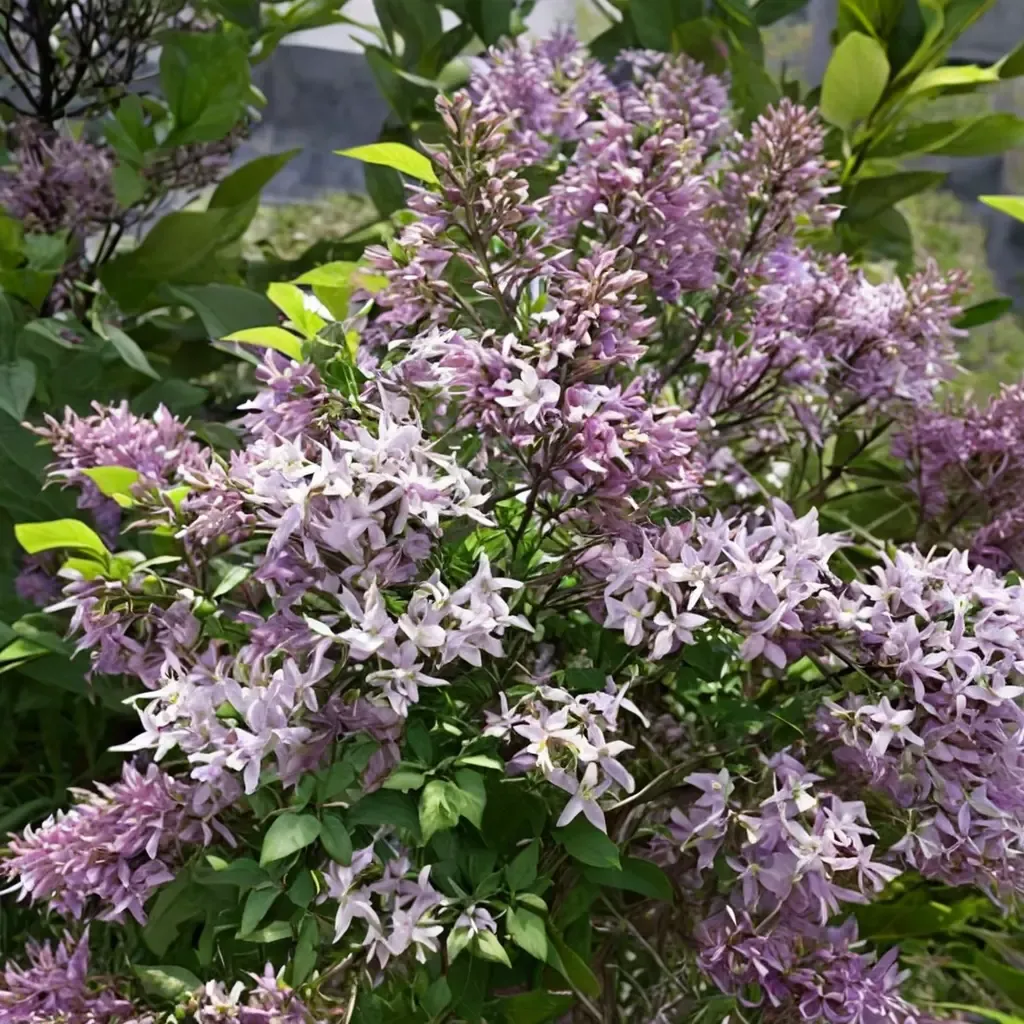
Miss Kim Lilac
Syringa x hyacinthiflora 'Miss Kim'
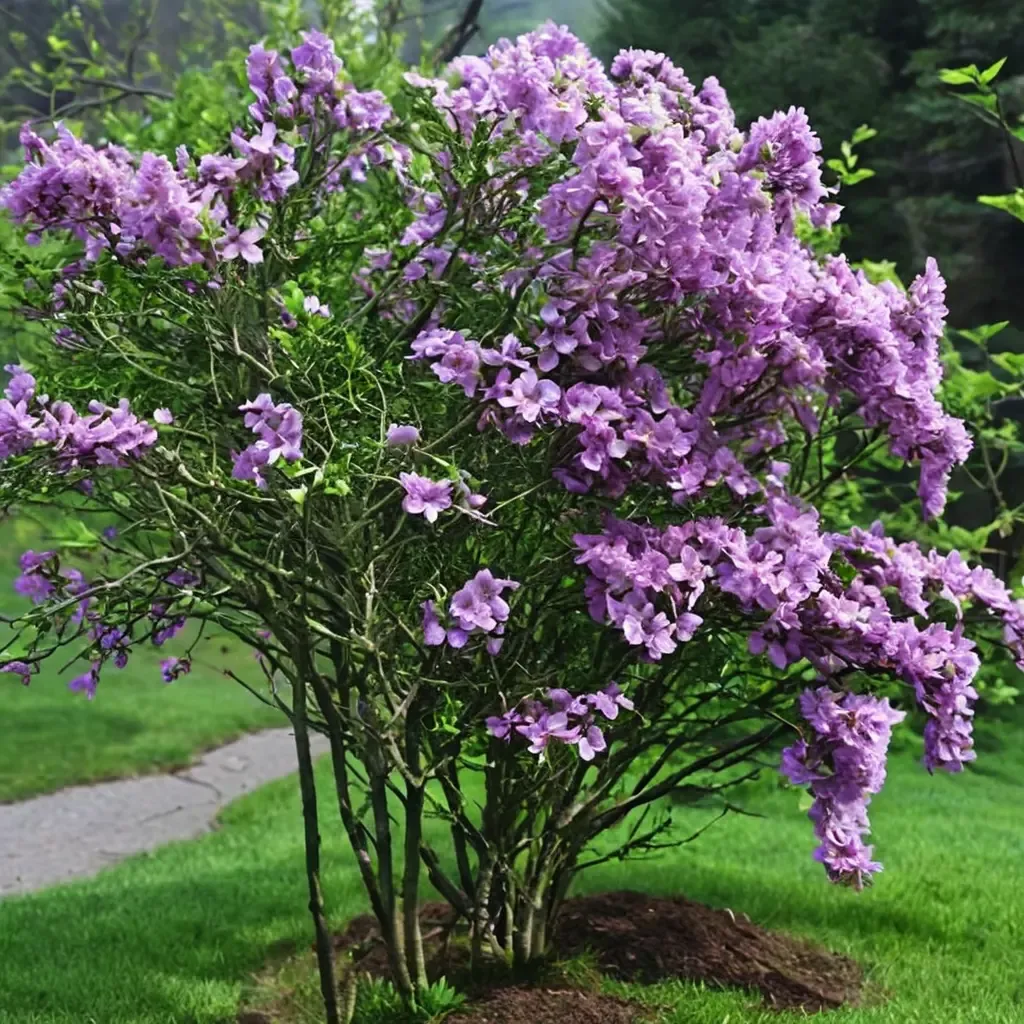
Chinese Lilac
Syringa x chinensis 'Lilac Sunday'
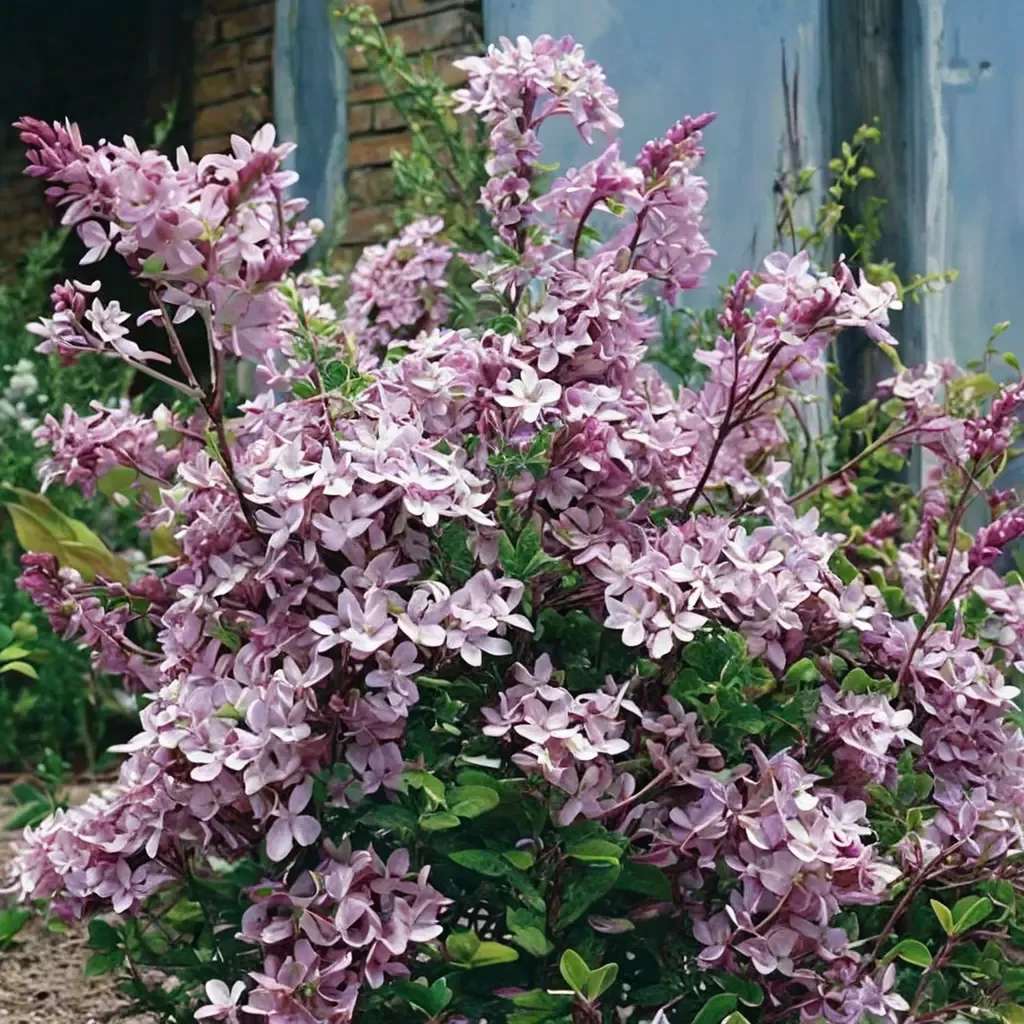
Josee lilac
Syringa x villosa 'Josee'
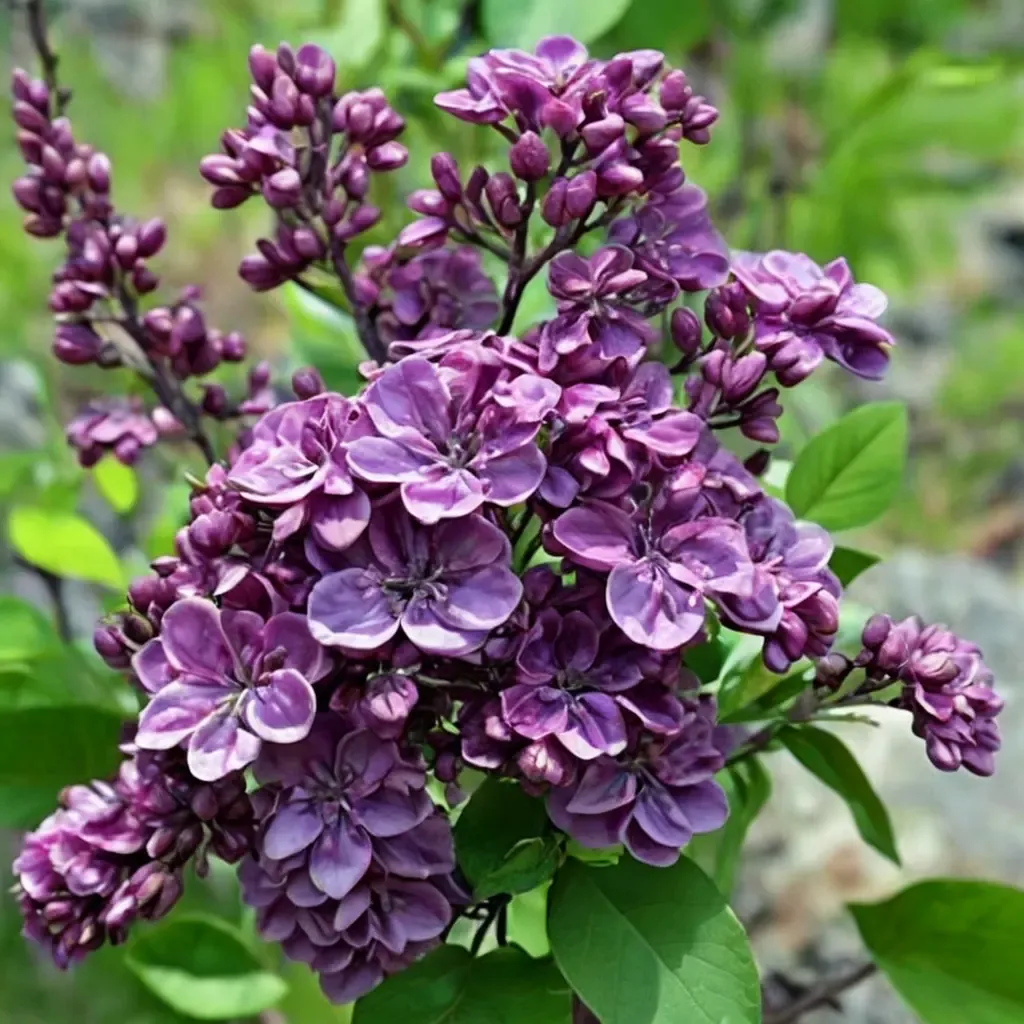
Common Lilac 'Agincourt Beauty'
Syringa x chinensis 'Agincourt Beauty'
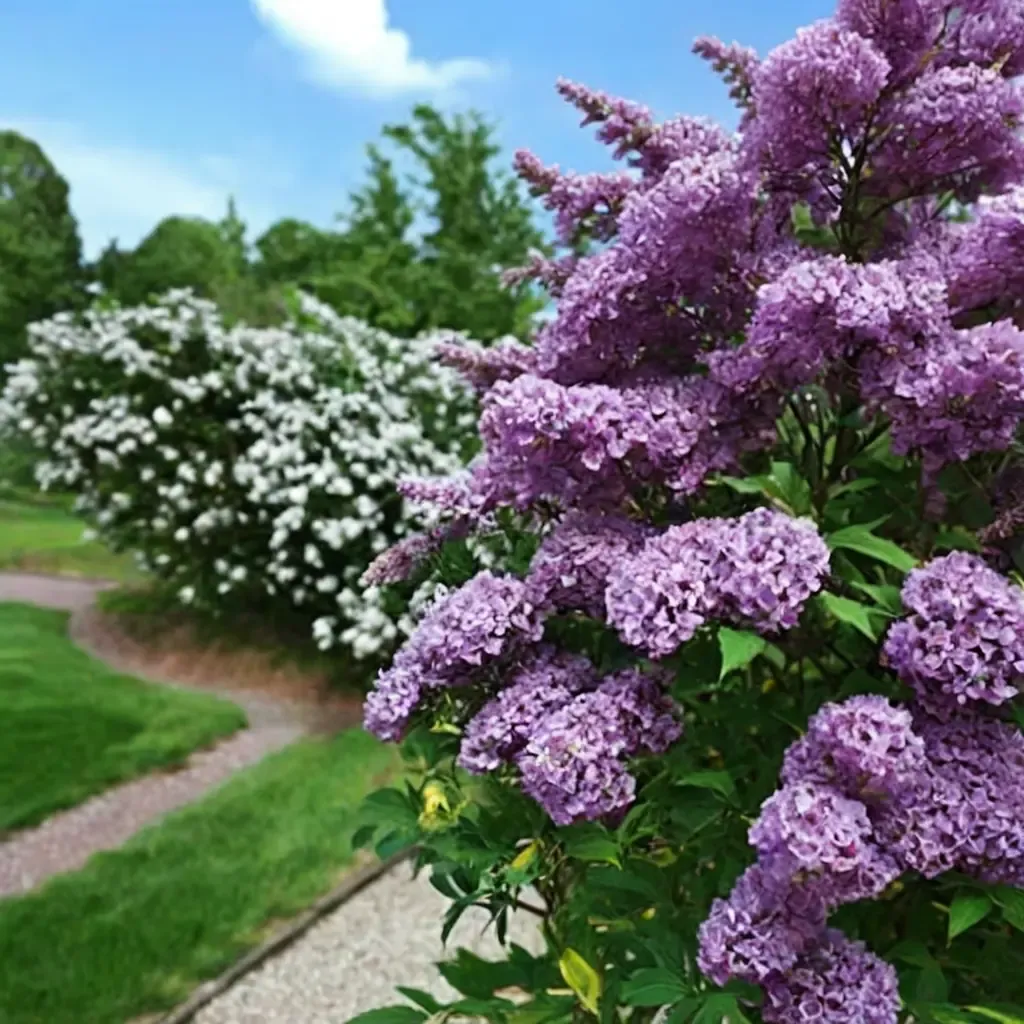
Chinese Lilac 'Royalty'
Syringa x chinensis 'Royalty'
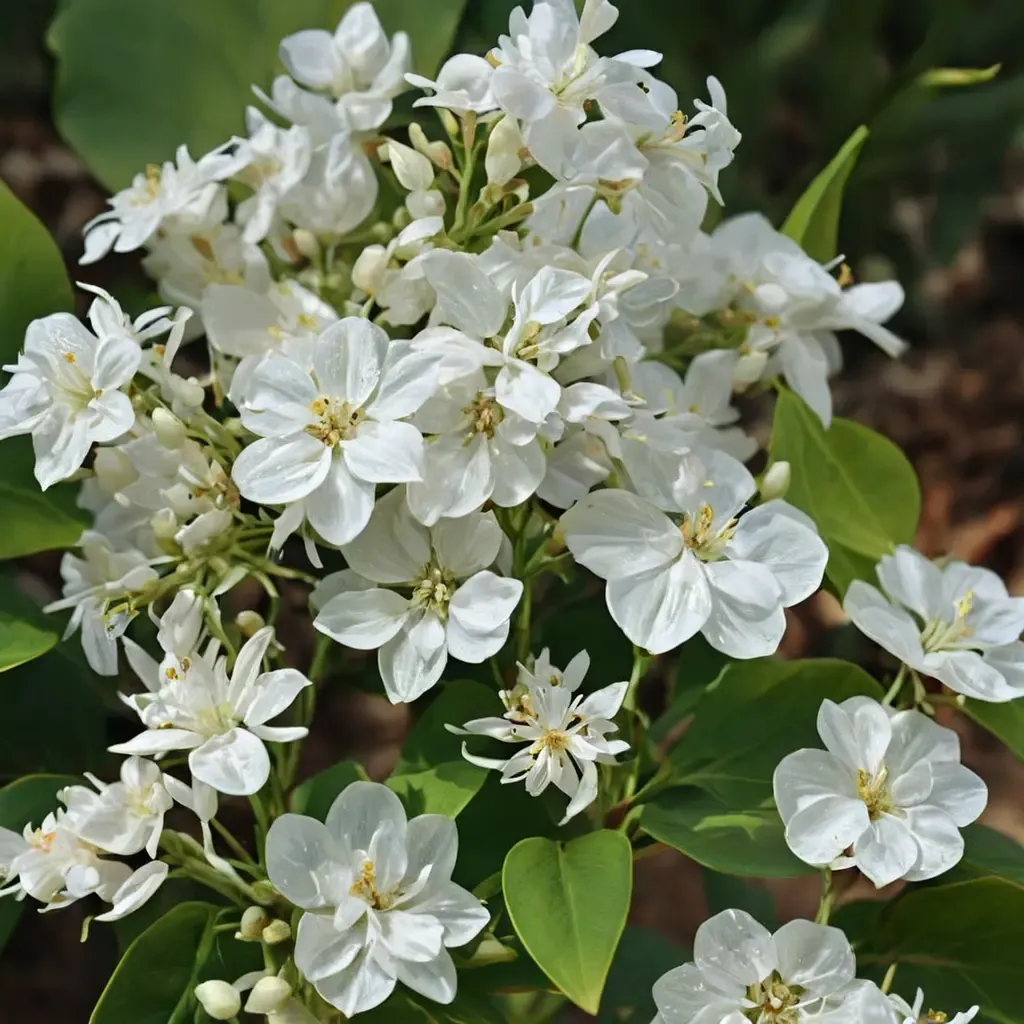
Betsy Ross Lilac
Syringa x oblata 'Betsy Ross'
Keep exploring
Explore the genus
Hardy in your zone?
Grow Bloomerang Purpink Lilac with confidence
See it in a design of your actual yard, get zone-matched care reminders, and track it season by season in your garden journal.