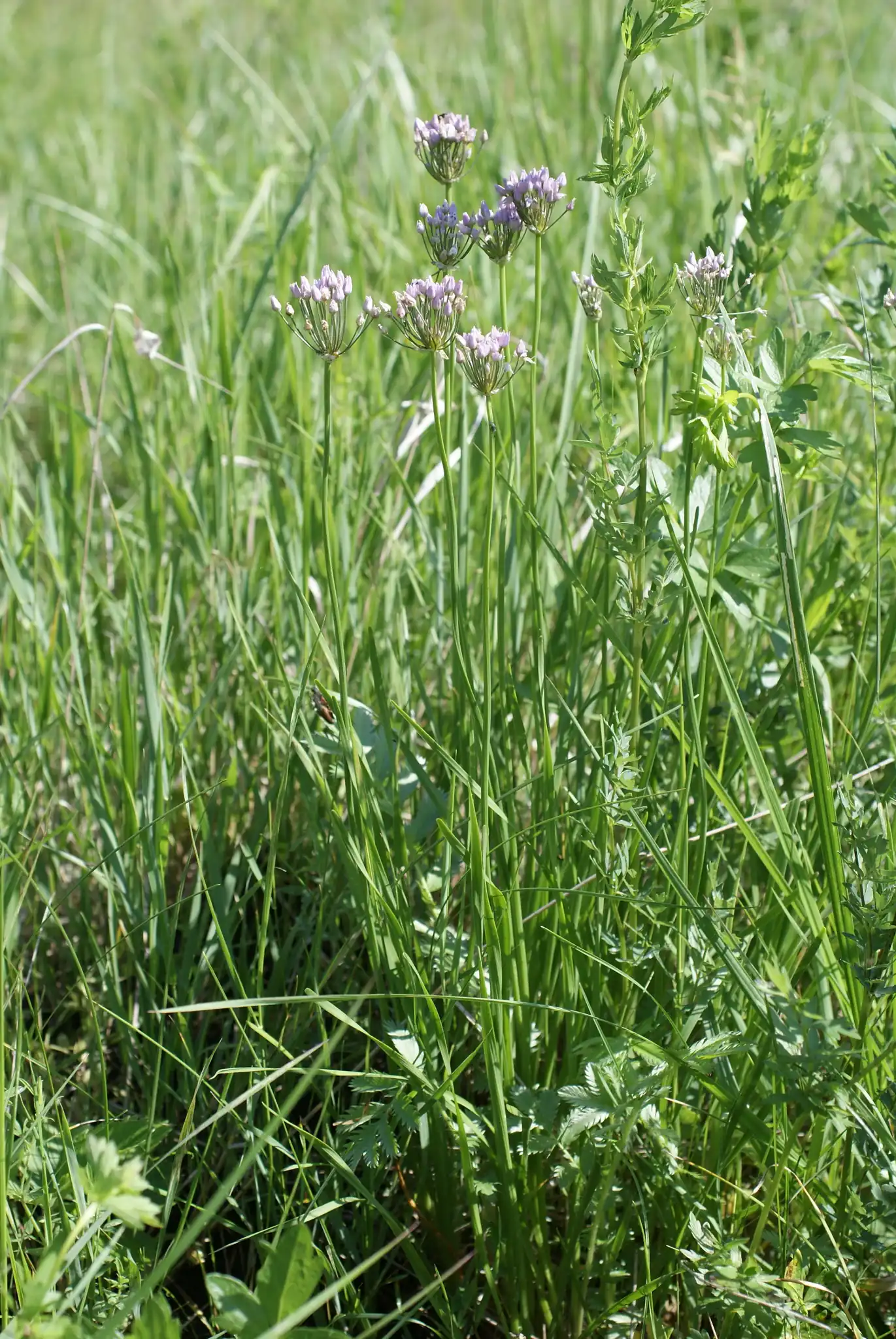
The Story
Plant Bio
Allium angulosum, commonly known as mouse garlic, is a hardy herbaceous perennial native to damp grasslands and river floodplains across Eurasia. It forms compact clumps of slender, mid-green linear leaves that feature a distinct sharp keel along their undersides.
In mid to late summer, the plant produces dense, hemispherical umbels of pale pink to purple-violet flowers held aloft on distinctly angled, slender scapes. The foliage and bulbs emit a characteristic sulfurous onion scent when bruised, which naturally deters browsing deer and rabbits.
Uses & Benefits:
Essentials
At a Glance
Plant Type
Perennial
Height
20"
Width
12"
Light
Full Sun, Partial Sun
Zones
4, 5, 6, 7, 8
Water
Medium
Humidity
Moderate
Lifespan
Perennial
Native To
Eurasia
Toxicity
Toxic to Pets
Bloom period
Summer
In flower about 3 months of the year
Planting
How to Grow
- Select a planting site in full sun to partial shade with moist, well-drained soil.
- Amend heavy soils with coarse sand or organic matter to ensure excellent winter drainage.
- Plant bulbs or divisions so the crown sits just below the soil surface, spacing them eight to twelve inches apart.
- Water thoroughly after planting to settle the soil, then maintain consistent moisture until the root system is established.
Pro Tip
Avoid planting in heavy, unamended clay soils that retain winter moisture, as waterlogged conditions invariably trigger fatal basal and bulb rot.
Keep It Thriving
Care Guide
Do
- Cut back spent flower scapes and dying foliage cleanly to the base in late fall or late winter once the plant enters dormancy.
- Incorporate grit or compost into heavy clay soils to prevent winter waterlogging.
- Divide established clumps in spring or fall to maintain vigor and propagate new plants.
Don't
- Do not over-fertilize with high-nitrogen fertilizers, which stimulates weak, floppy foliage at the expense of flower production.
- Do not allow the soil to remain waterlogged during the winter months when the bulbs are highly susceptible to rot.
- Do not prune heavily into old, leafless wood or disturb the rhizomes during the active summer flowering period.
Seasonal Care Calendar
| Task | Jan | Feb | Mar | Apr | May | Jun | Jul | Aug | Sep | Oct | Nov | Dec |
|---|---|---|---|---|---|---|---|---|---|---|---|---|
| Divide | ||||||||||||
| Fertilize | ||||||||||||
| Prune | ||||||||||||
| Spring Cleanup |
Watch Out For
Pests & Diseases
Common Pests
Common Diseases
In the Garden
Landscape Uses & Companions
Landscape Uses
Companion Plants
Multiply
Propagation Methods
Good to Know
Common Questions
Mouse Garlic questions
What zones can Mouse Garlic grow in?
Mouse Garlic is hardy in USDA Zones 4–8. Inside that range it survives winter in the ground; outside it, grow it as an annual or a container plant you protect.
Is Mouse Garlic deer resistant?
Yes — Mouse Garlic is rated deer-resistant. Deer typically pass it over, though extreme hunger can override any plant's defenses.
When does Mouse Garlic bloom?
Mouse Garlic typically blooms in summer through summer. Exact timing shifts a week or two with your zone — Sow's bloom calendar maps it to your garden.
Does Mouse Garlic need full sun?
Mouse Garlic does best in full sun to part shade. In hot climates, afternoon shade keeps blooms fresher longer.
Is Mouse Garlic drought tolerant?
Yes — once established (usually after the first full season), Mouse Garlic handles dry spells with minimal watering. Water deeply its first year to build the root system that makes that possible.
More Allium to compare
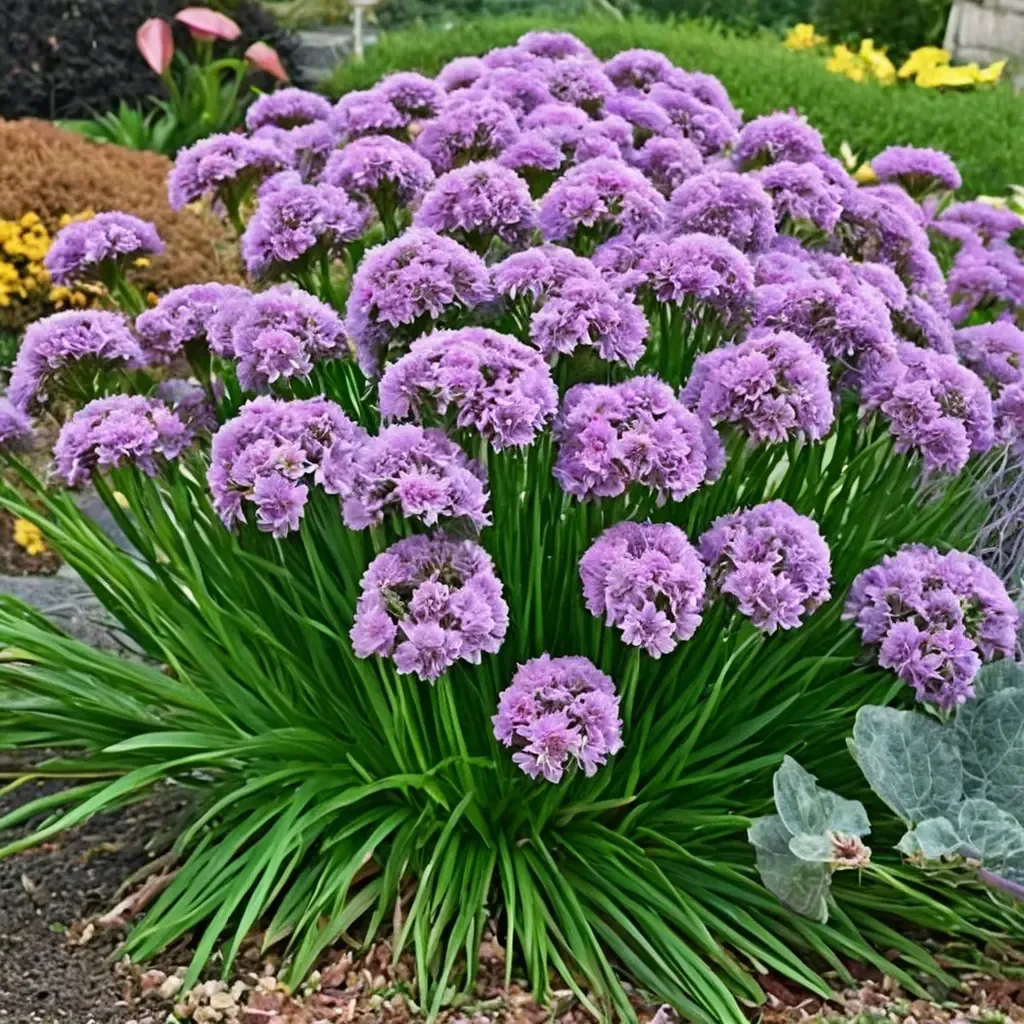
Millennium Gold Onion Moly Onion
Allium x moly 'Millenium'
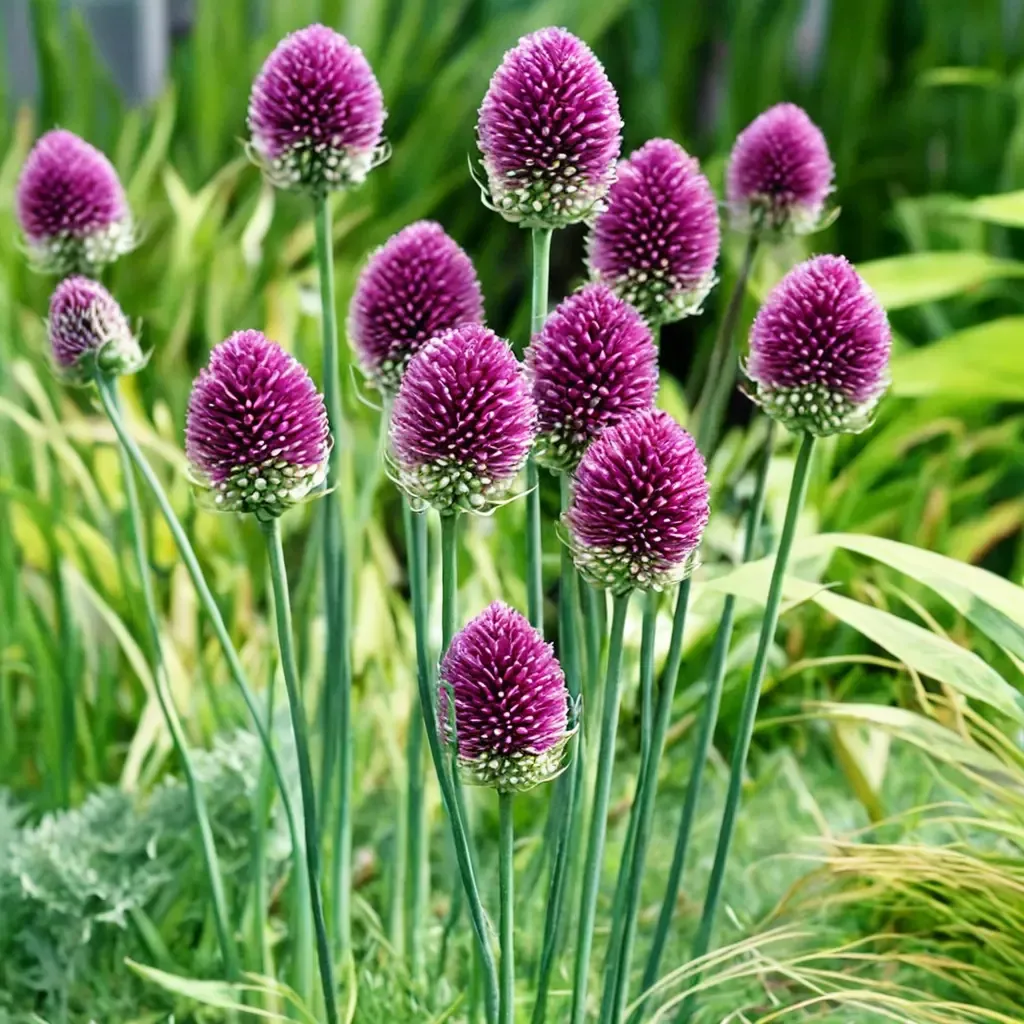
Drumstick Allium
Allium sphaerocephalon
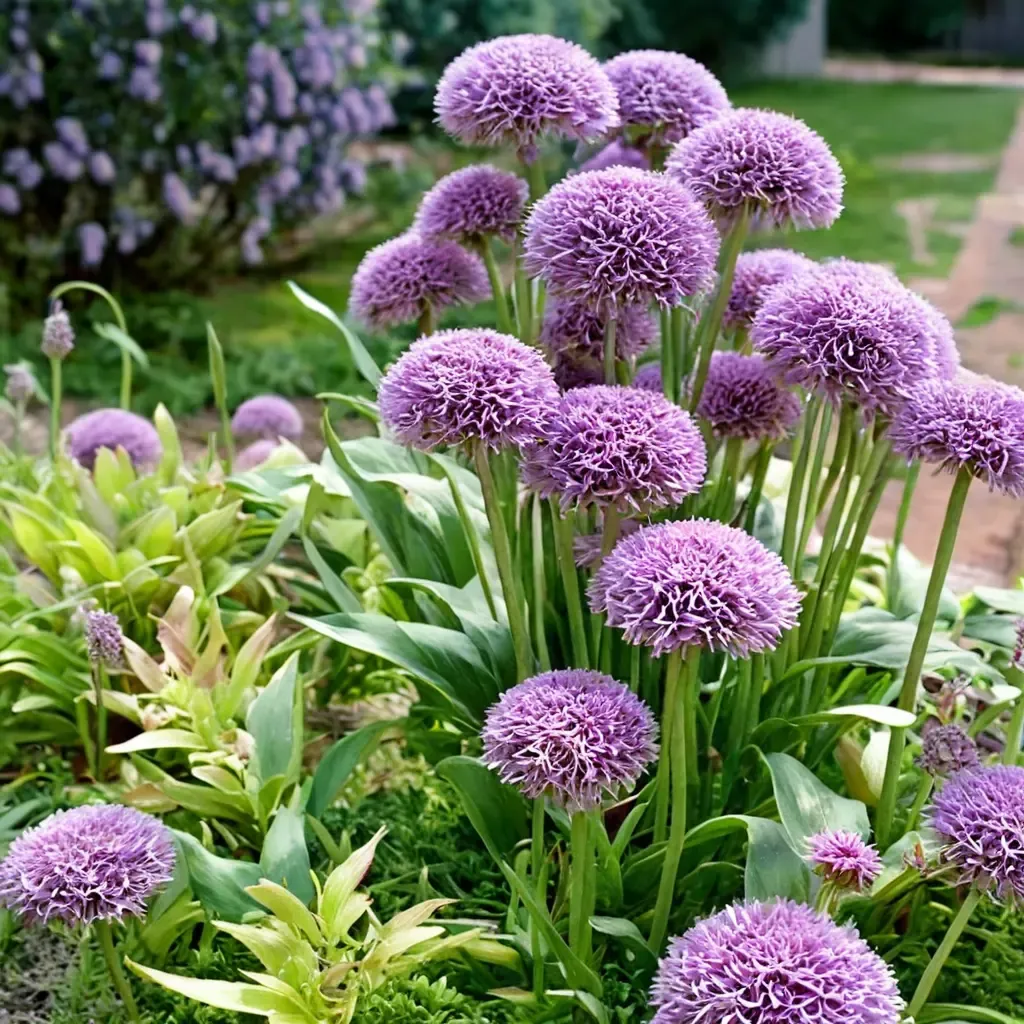
Globemaster Allium
Allium giganteum 'Globemaster'
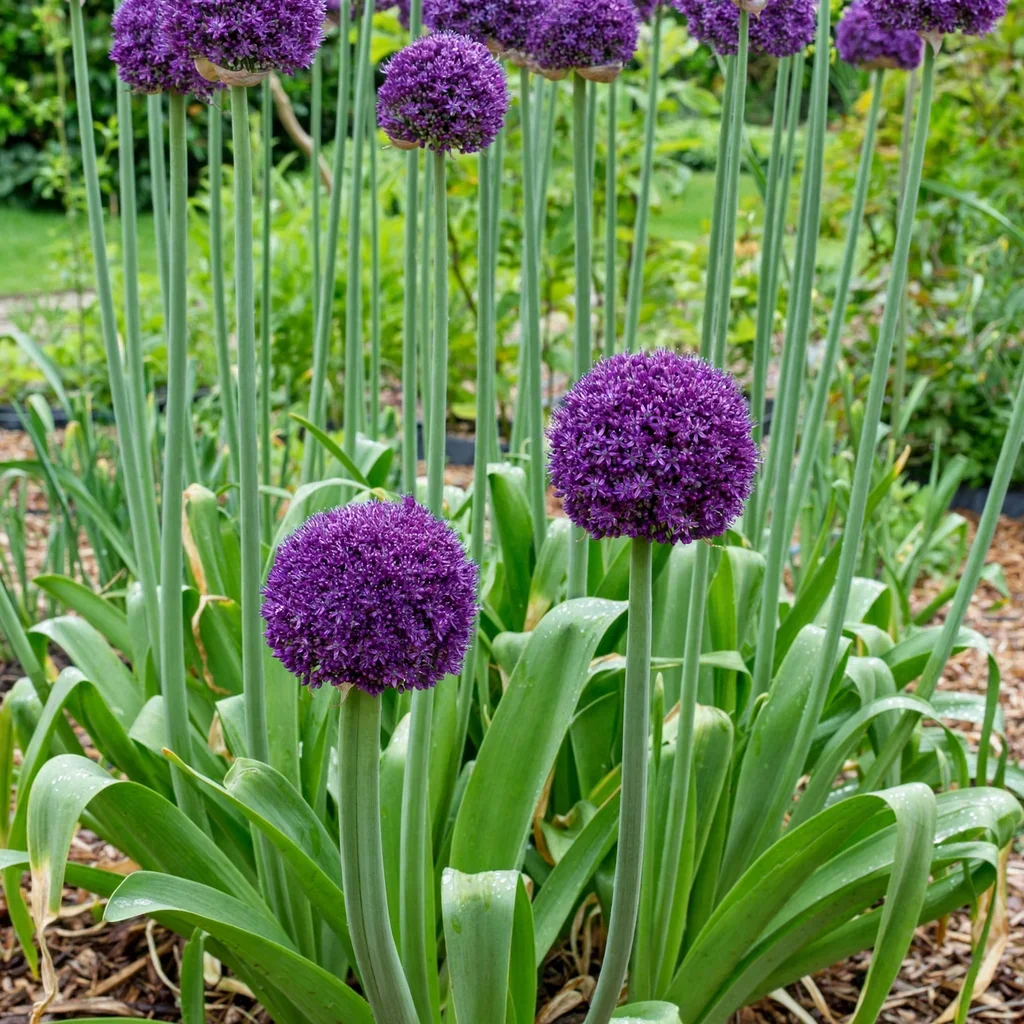
Ornamental Onion 'Ambassador'
Allium x hybrida 'Ambassador'
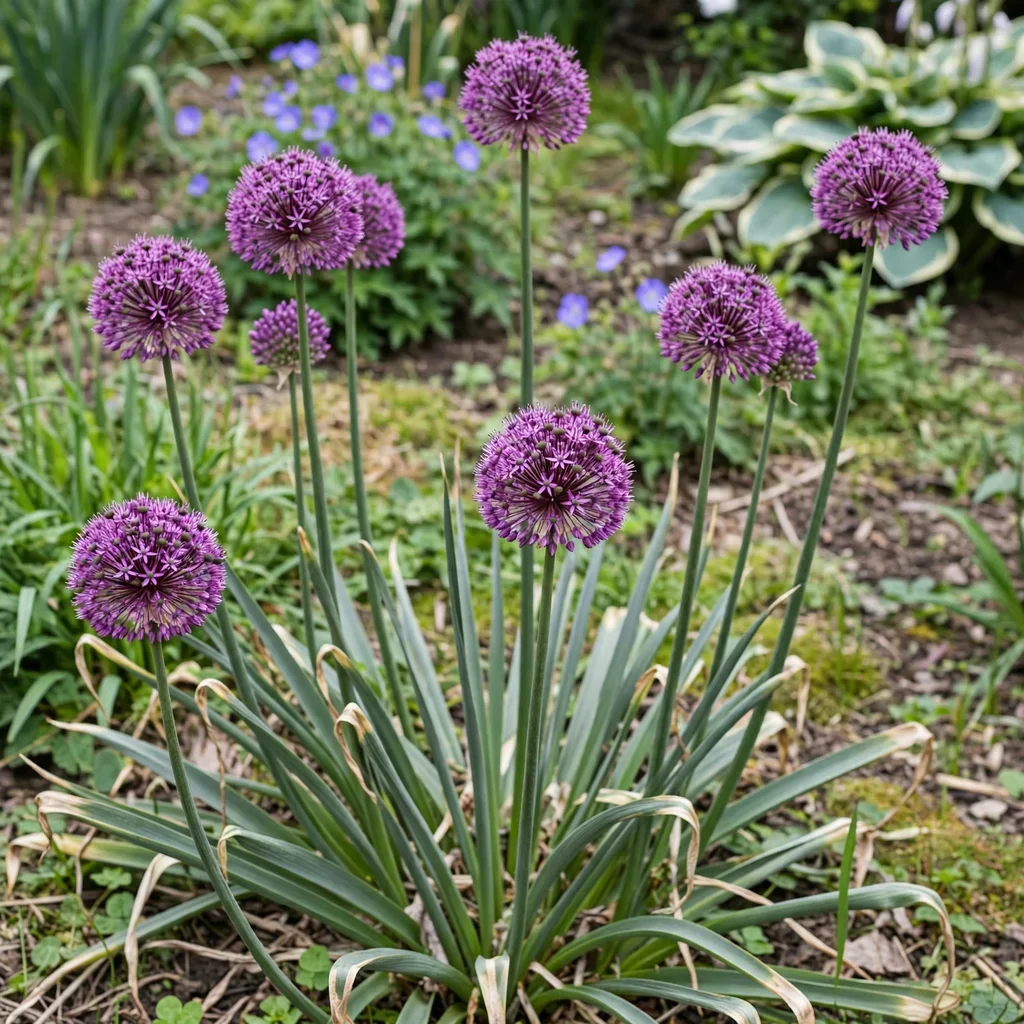
Purple Sensation Allium
Allium hollandicum 'Purple Sensation'
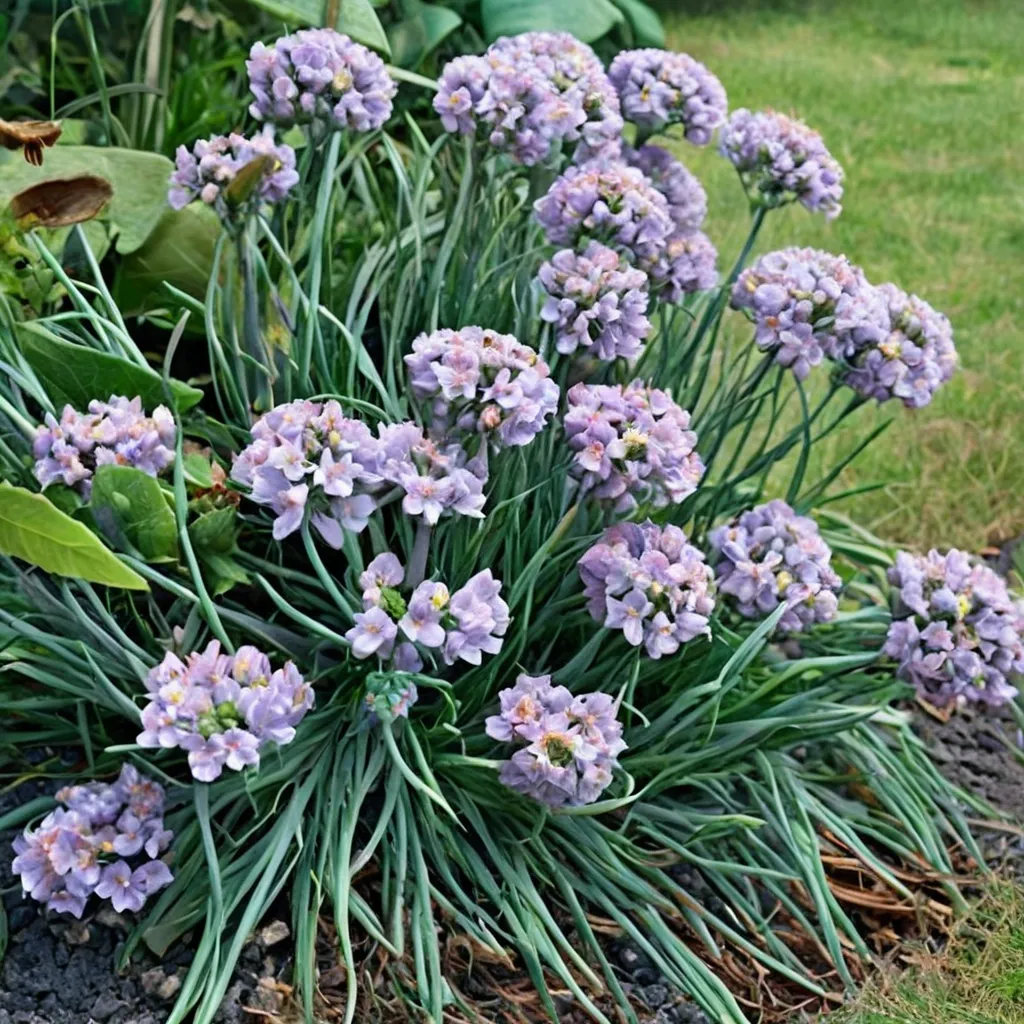
Blue Eddy Allium
Allium senescens 'Blue Eddy'
Keep exploring
Explore the genus
Hardy in your zone?
Grow Mouse Garlic with confidence
See it in a design of your actual yard, get zone-matched care reminders, and track it season by season in your garden journal.