The Story
Plant Bio
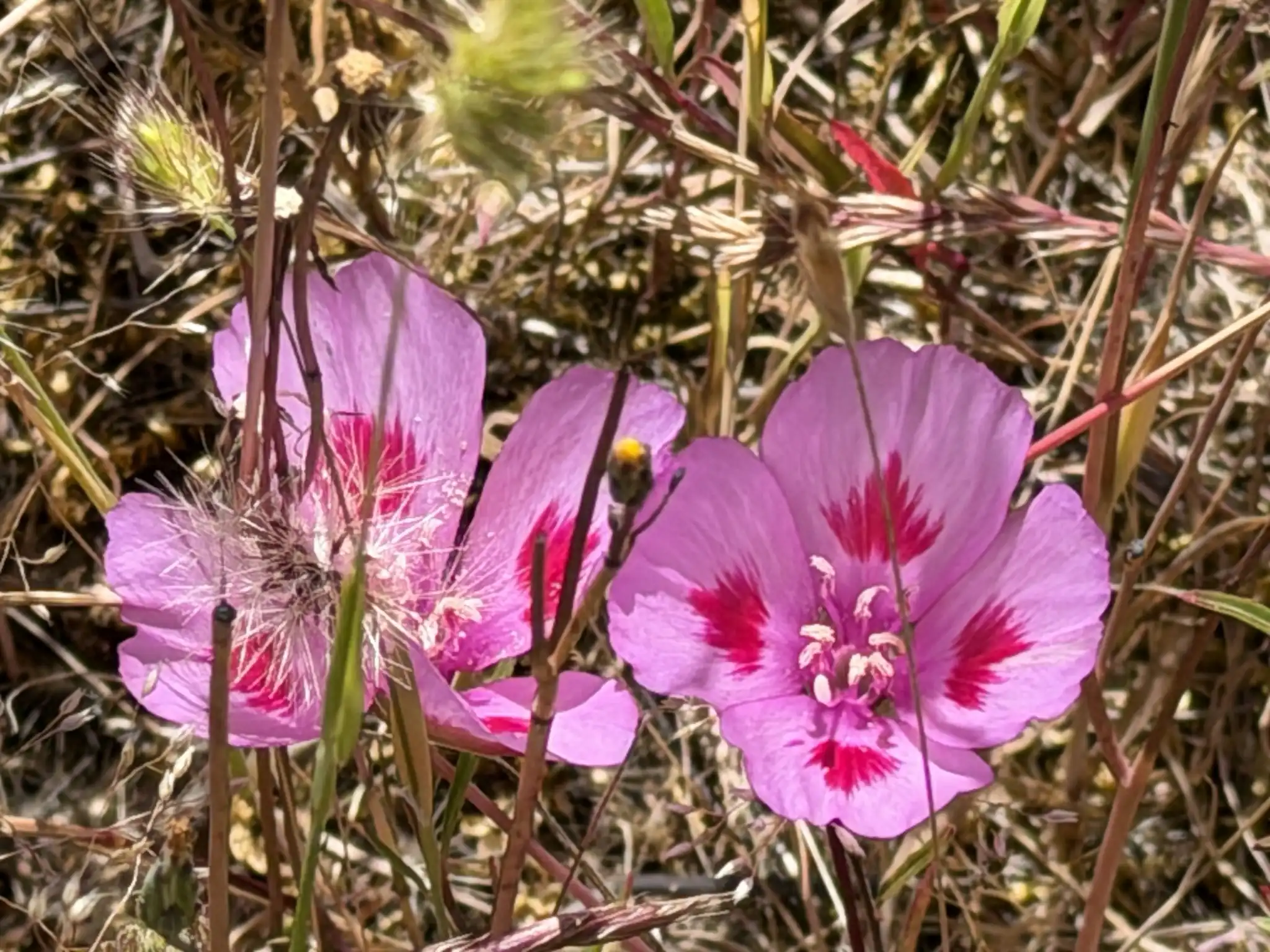
Clarkia amoena is an erect to sprawling annual herb native to western North America, producing slender, branching stems clothed in narrow, medium green leaves. The species is celebrated for its satiny, four-petaled flowers in shades of pink, red, purple, or white, which typically feature a contrasting dark crimson blotch at the base of each petal.
The blossoms open sequentially in terminal spikes, displaying a delicate, crepe-paper texture that persists from late spring until the onset of intense summer heat. This timing earns the plant its common name, farewell-to-spring, as it bridges the gap between early spring bulbs and midsummer perennials.
Uses & Benefits:
Essentials
At a Glance
Plant Type
Annual
Height
30"
Width
12"
Light
Full Sun, Partial Sun
Zones
4, 5, 6, 7, 8, 9, 10
Water
Low to Moderate
Humidity
Low
Lifespan
Annual
Native To
Western North America
Toxicity
Non-toxic
Bloom period
Late spring – Summer
In flower about 4 months of the year
Planting
How to Grow
- Sow seeds directly onto prepared, weed-free soil in early spring, pressing them lightly into the surface as they require light to germinate.
- Keep the seedbed consistently moist but not waterlogged until germination occurs, which usually takes one to two weeks.
- Thin the young seedlings to a spacing of eight to twelve inches to ensure adequate air circulation and prevent leggy growth.
- Water moderately during the early growth phase, then reduce irrigation once established to encourage sturdier stems and abundant blooms.
Pro Tip
Direct-sow seeds where they are to grow rather than transplanting, as the taproots resent disturbance; additionally, avoid nitrogen-rich fertilizers, which stimulate weak, floppy foliage at the expense of flowers.
Keep It Thriving
Care Guide
Do
- Sow seeds directly in their final garden position to avoid transplant shock.
- Provide full sun and excellent soil drainage to prevent stem and root rots.
- Deadhead spent flowers regularly to slightly prolong the blooming period.
Don't
- Do not over-fertilize, as excess nitrogen causes weak, floppy stems and reduces flowering.
- Avoid overhead watering, which fosters powdery mildew and other fungal foliage diseases.
- Do not allow the soil to remain soggy or waterlogged.
Seasonal Care Calendar
| Task | Jan | Feb | Mar | Apr | May | Jun | Jul | Aug | Sep | Oct | Nov | Dec |
|---|---|---|---|---|---|---|---|---|---|---|---|---|
| Deadhead | ||||||||||||
| Pest Check | ||||||||||||
| Plant | ||||||||||||
| Spring Cleanup |
Watch Out For
Pests & Diseases
Common Pests
Common Diseases
In the Garden
Landscape Uses & Companions
Landscape Uses
Companion Plants
Multiply
Propagation Methods
Good to Know
Common Questions
Farewell-to-spring questions
What zones can Farewell-to-spring grow in?
Farewell-to-spring is hardy in USDA Zones 4–10. Inside that range it survives winter in the ground; outside it, grow it as an annual or a container plant you protect.
When does Farewell-to-spring bloom?
Farewell-to-spring typically blooms in late spring through summer. Exact timing shifts a week or two with your zone — Sow's bloom calendar maps it to your garden.
Does Farewell-to-spring need full sun?
Farewell-to-spring does best in full sun to part shade. In hot climates, afternoon shade keeps blooms fresher longer.
Is Farewell-to-spring drought tolerant?
Yes — once established (usually after the first full season), Farewell-to-spring handles dry spells with minimal watering. Water deeply its first year to build the root system that makes that possible.
More Clarkia to compare
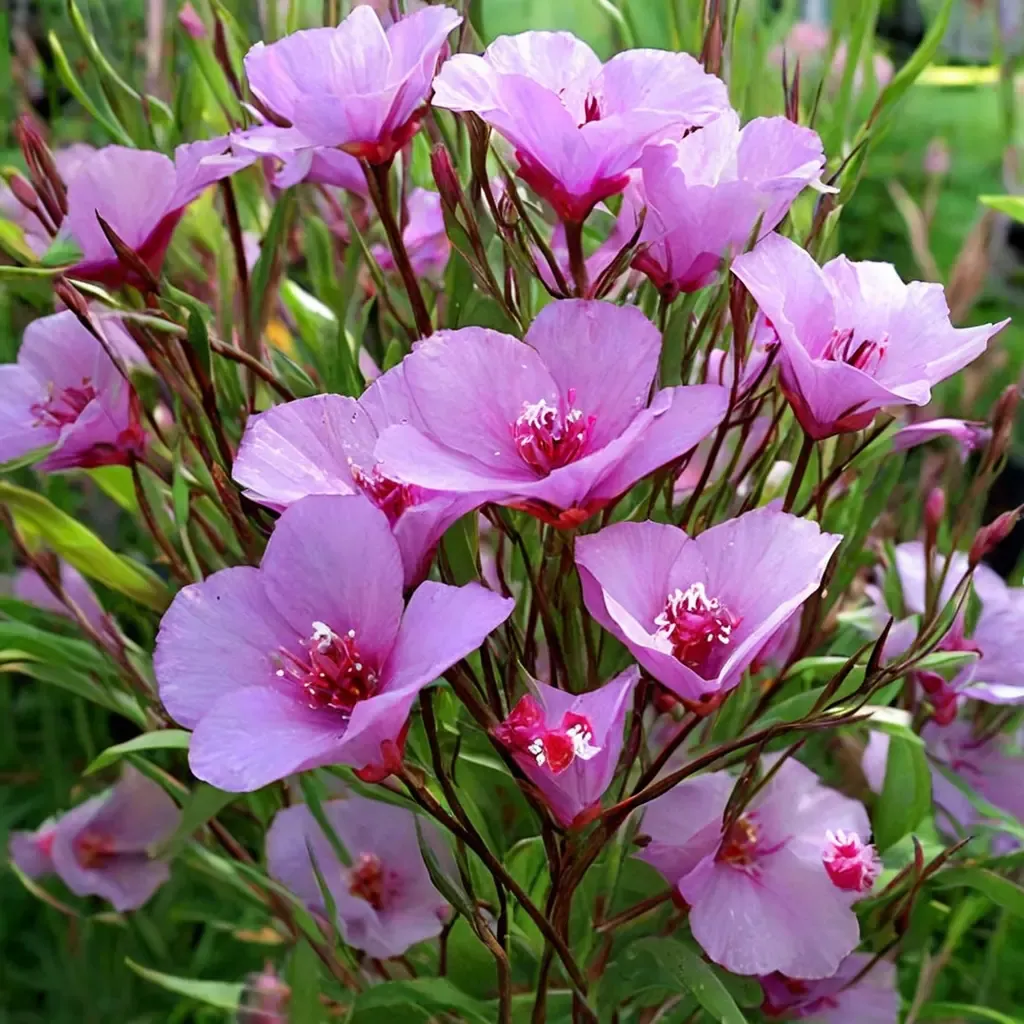
Blasdale's Clarkia
Clarkia rubicunda 'blasdalei'
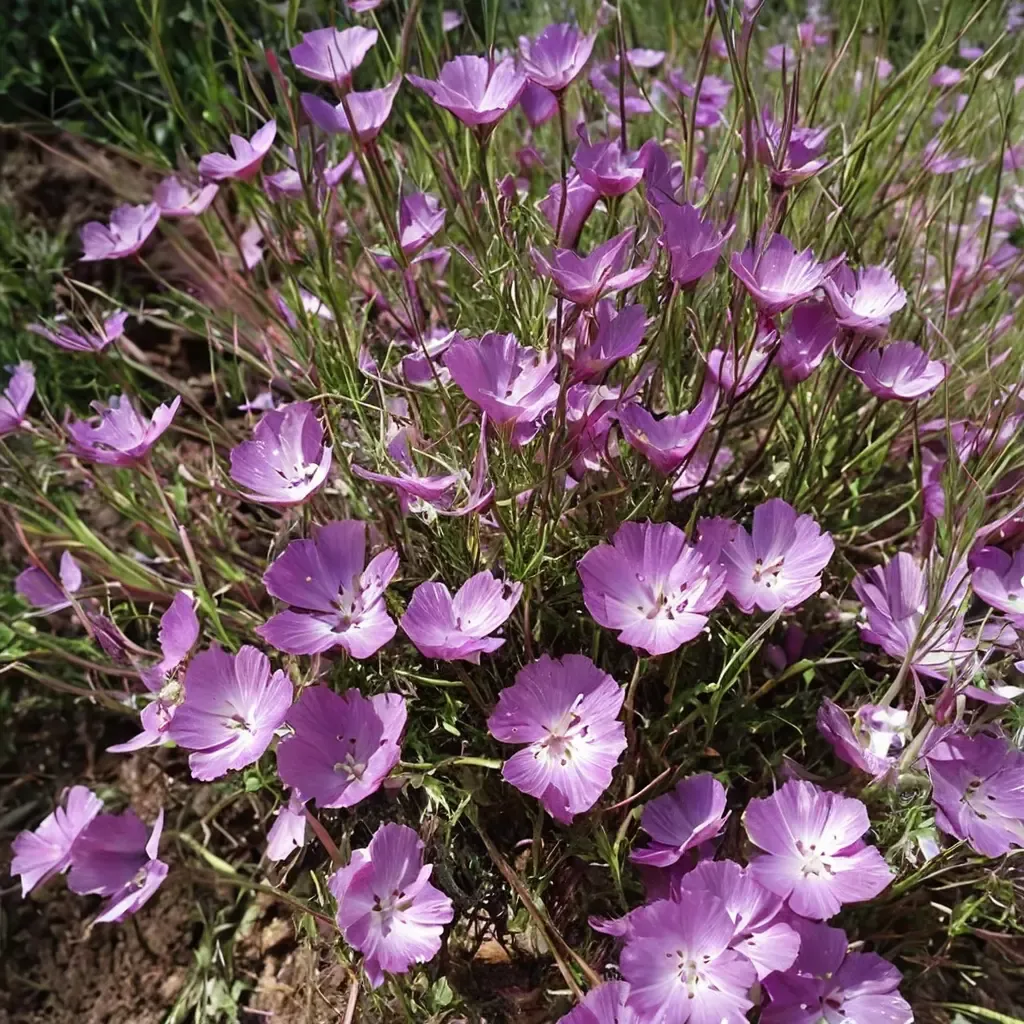
Punch Bowl Clarkia
Clarkia bottae 'Punch Bowl'
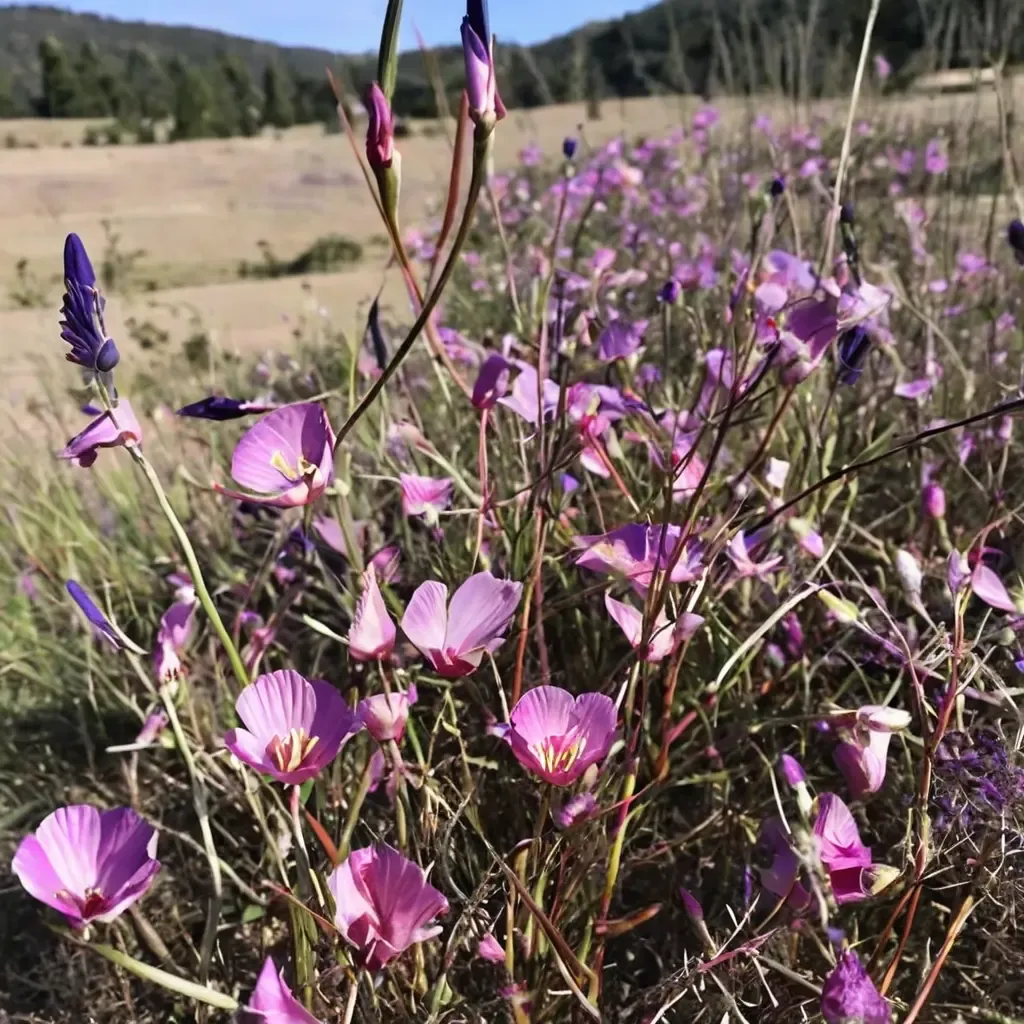
Tracy's clarkia
Clarkia gracilis 'ssp tracyi'
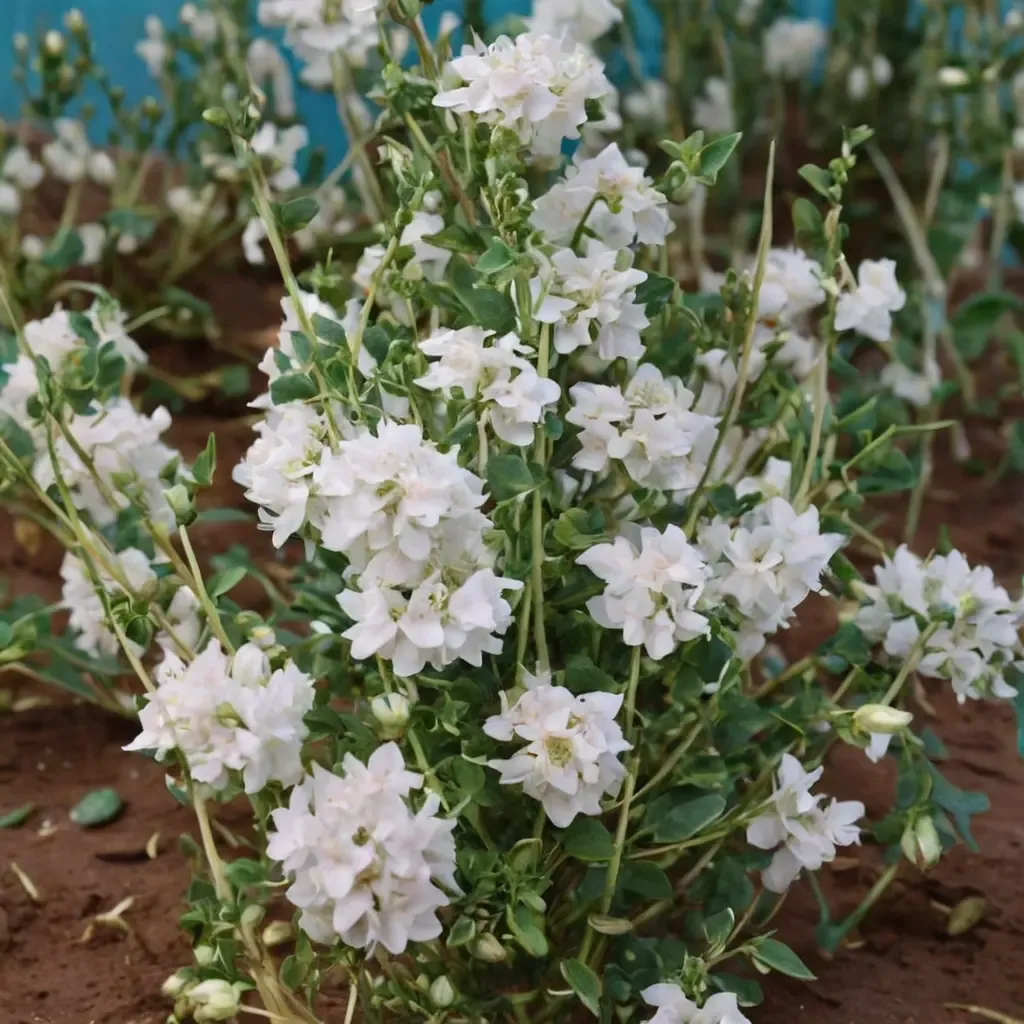
Mountain Garland White
Clarkia unguiculata 'Mountain Garland White'
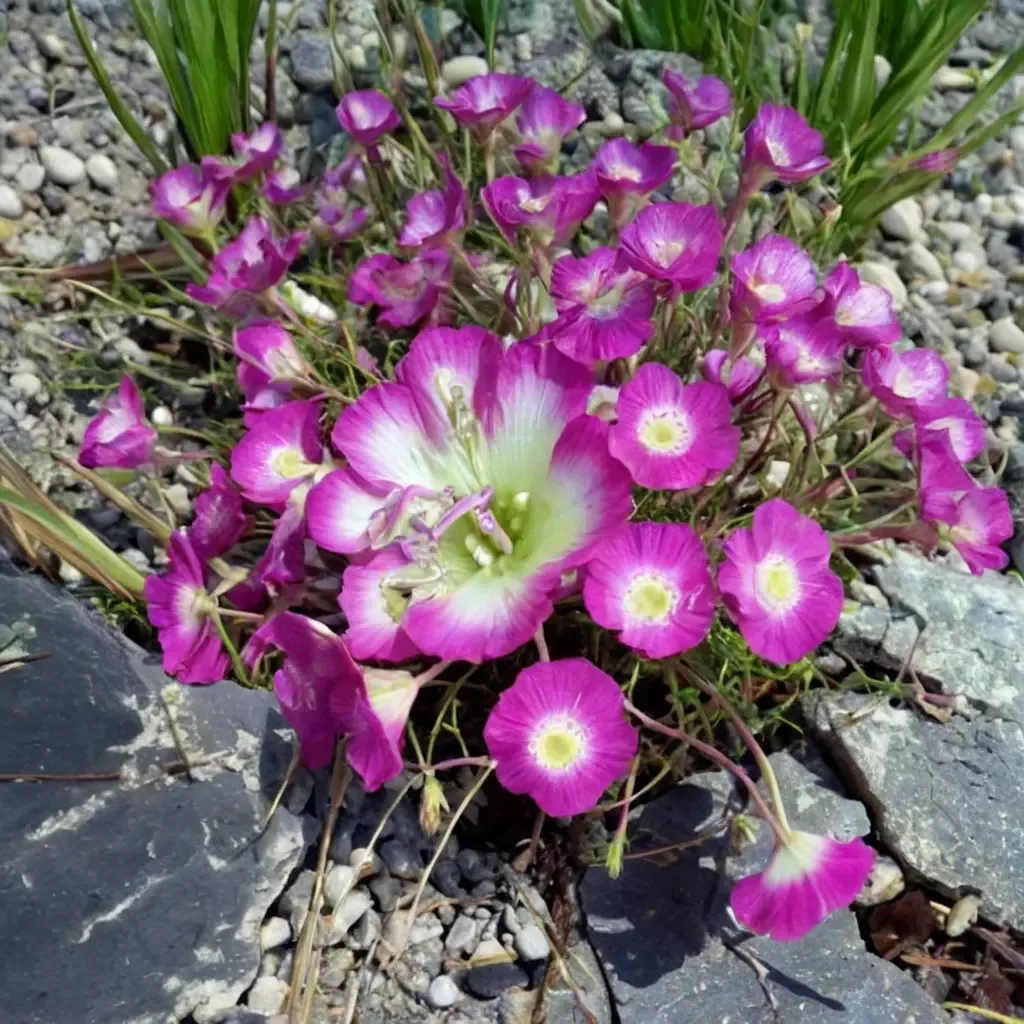
Elegant Clarkia
Clarkia speciosa 'immaculata'
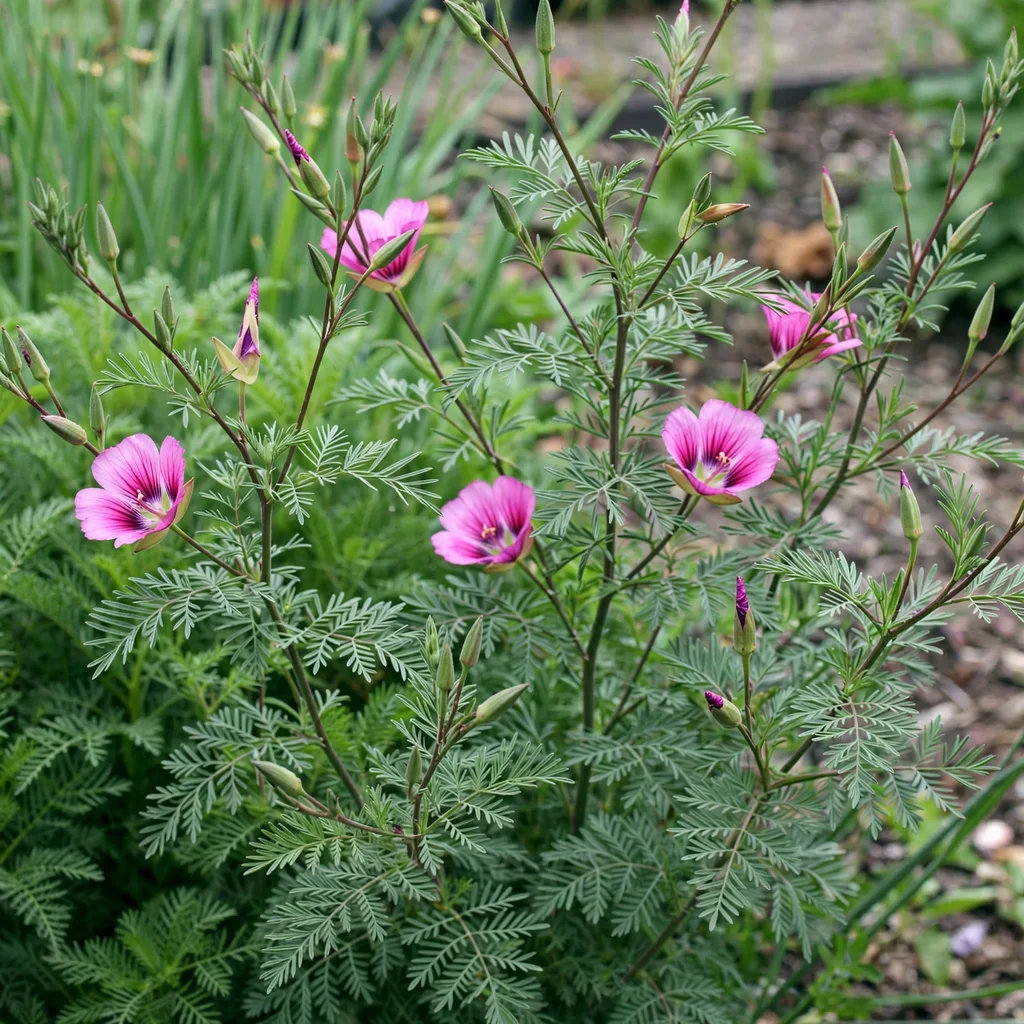
Shamini Clarkia Shamini Godetia
Clarkia rubicunda 'Shamini'
Keep exploring
Explore the genus
Grow Farewell-to-spring with confidence
See it in a design of your actual yard, get zone-matched care reminders, and track it season by season in your garden journal.