130 saves
Gilia
We track 4 varieties; the ones most used by real gardeners.
The 4 most-saved Gilia varieties
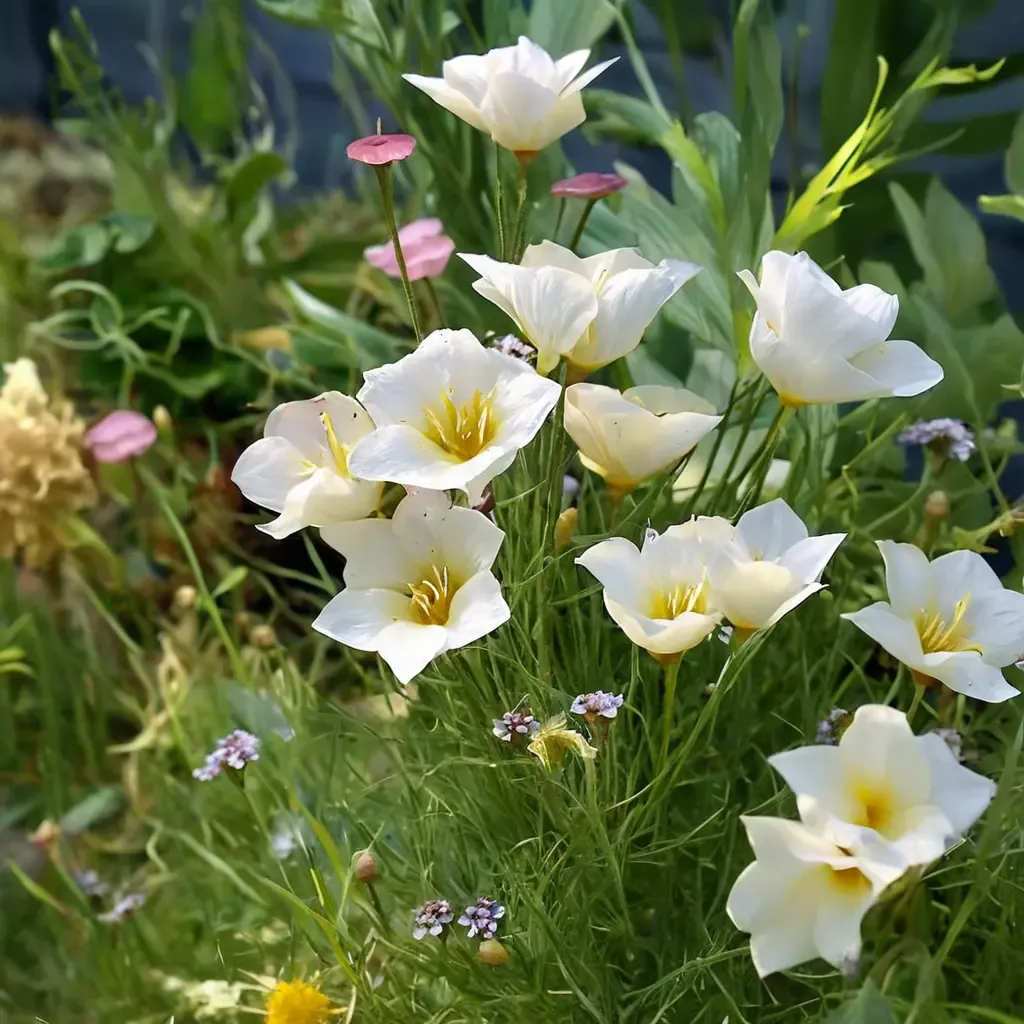
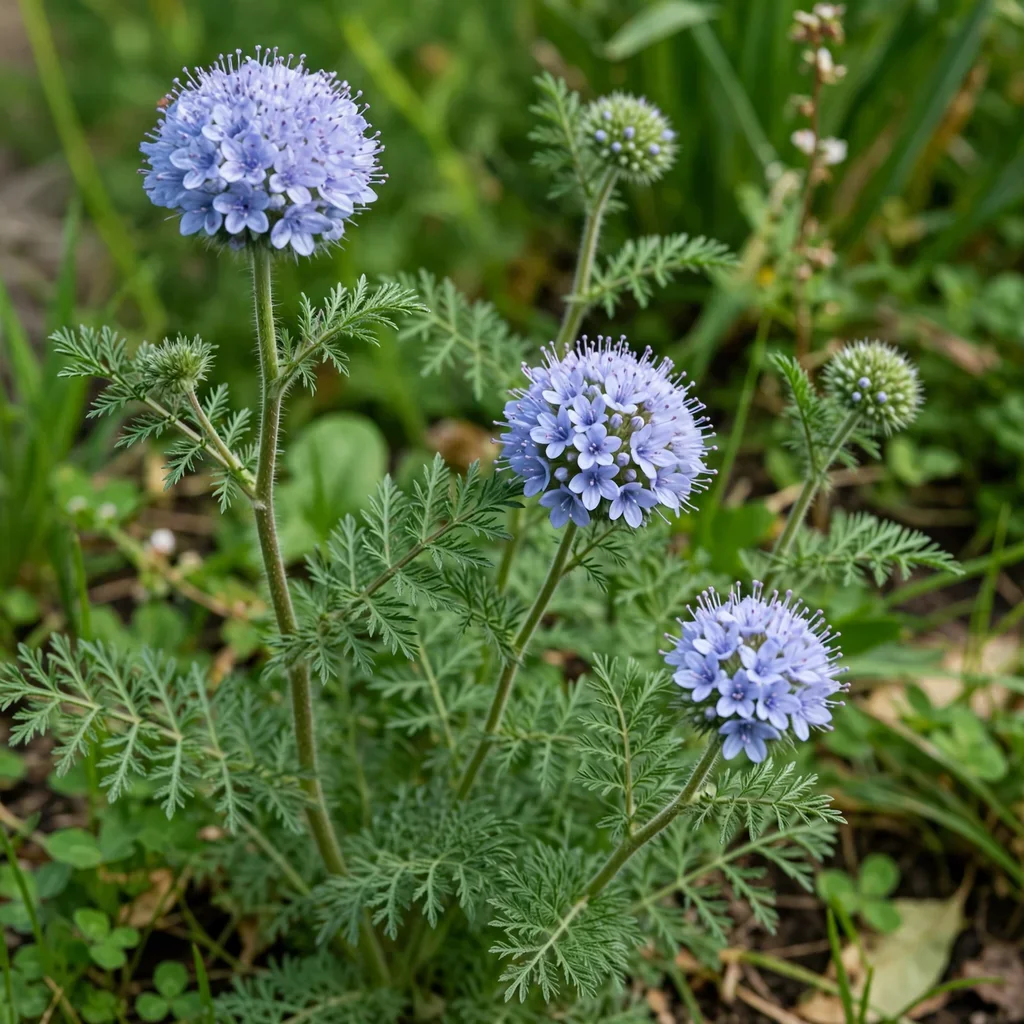
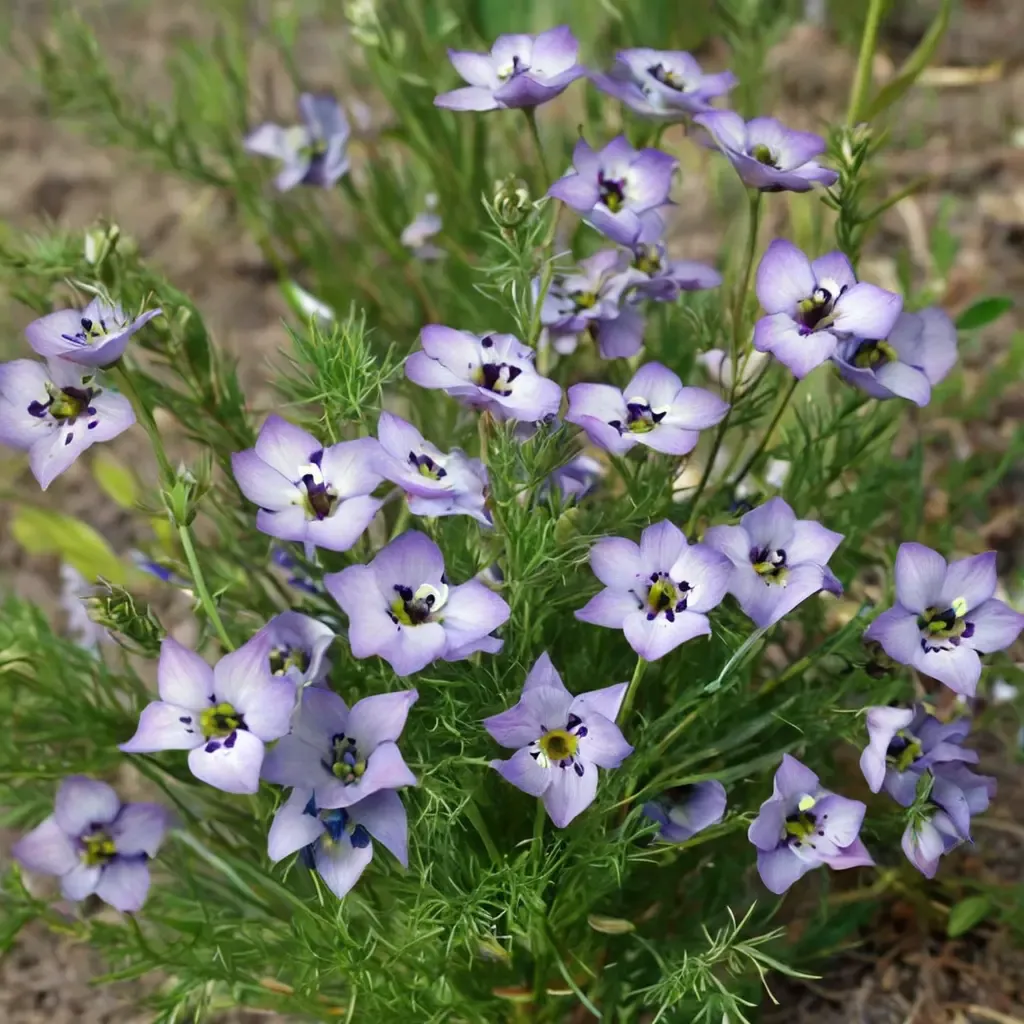
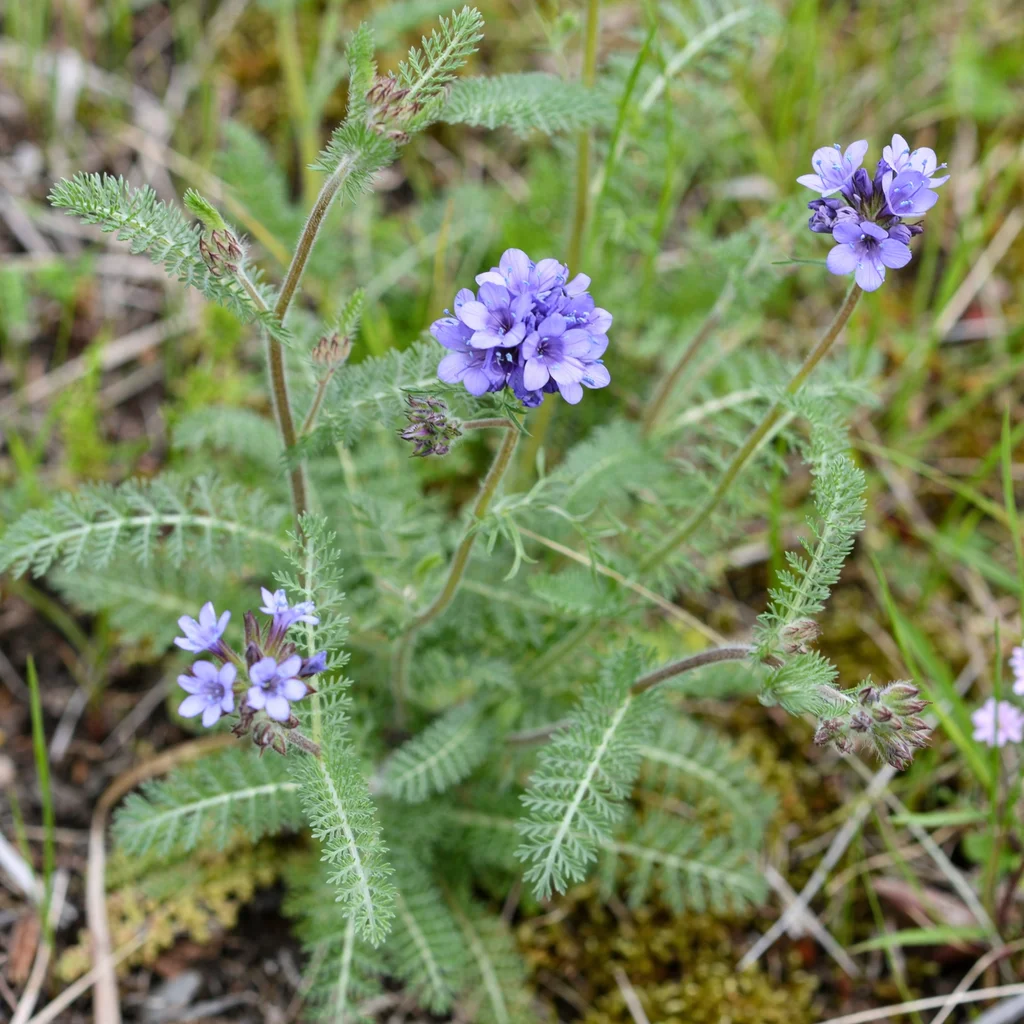
2 species of Gilia
Each one is a parent of the varieties above.
Track your Gilia in Sow
Save the Gilia you grow and get care reminders timed to your zone.
How to grow Gilia
Whats common across all Gilia varieties in our catalog — drawn from the care records of the 4 most-grown of them.
The Gilia year
- PlantMarch, April, October and November100% of varieties
Sow seeds directly outdoors in early spring after the last hard frost.
- DeadheadJune and July100% of varieties
Remove faded blooms to extend the flowering period.
- HarvestAugust75% of varieties
Allow seed heads to dry on the plant before collecting seeds for next year.


Do
- Deadhead spent flowers to encourage more blooms
- Water regularly to keep soil moist but not soggy 🌱
- Apply a balanced fertilizer monthly during growing season
- Plant in light, sandy, or gravelly soil with sharp drainage.
- Allow plants to set seed at the end of the season to encourage naturalization.
Avoid
- Avoid overwatering to prevent root rot ❌
- Do not fertilize in late fall to prevent unnecessary growth
- Never neglect pest inspection during peak season
- Do not apply high-nitrogen fertilizers, which encourage floppy, weak stems.
What goes wrong with Gilia
| Problem | What you'll see | What to do |
|---|---|---|
| Aphids | Sticky residue and curled leaves | Use insecticidal soap or neem oil spray |
| Powdery Mildew | White powdery coating on leaves | Improve air circulation and apply fungicide |
| Spider mites | Fine webbing and speckled yellowing on lower leaves during warm, dry weather. | Increase air movement around plants and rinse foliage periodically with water. |
| Spider Mites | Fine webbing and stippled leaves | Increase humidity and apply miticide if needed |
| Root Rot | Wilting and discolored roots | Ensure well-draining soil and reduce watering |
| Powdery Mildew | White powdery coating on leaves | Improve air circulation and apply sulfur-based fungicide |
| Root rot | Browning leaves, wilted stems, and dark, soft root tissue in wet soils. | Improve soil drainage, avoid low-lying beds, and withhold supplemental watering once established. |
Making more Gilia
Seed
- Tuck seeds into moist soil in early spring.
- Keep soil consistently moist for germination, approximately 2 weeks.
Cuttings
- Select healthy stems and cut 4-inch sections.
- Dip cuttings in rooting hormone and plant in moist soil.
- Maintain high humidity and wait for roots to develop, about 6 weeks.
Gilia questions
How many types of Gilia are there?
The Sow catalog tracks 4 distinct Gilia varieties. The most popular — ranked by 130 real gardeners — are shown first above.
What zones does Gilia grow in?
Across its varieties, Gilia covers USDA Zones 4–10. Individual varieties differ — each plant page lists its exact range, and Sow filters the catalog to your zone automatically.
When does Gilia bloom?
Most Gilia varieties bloom from late spring to early summer.
Which Gilia should I choose?
Start from the most-saved varieties above — popularity across thousands of gardens is a strong signal of reliability — then filter by your zone and sun. In the Sow app you can preview any of them in a photo of your actual yard before you buy.