The Story
Plant Bio
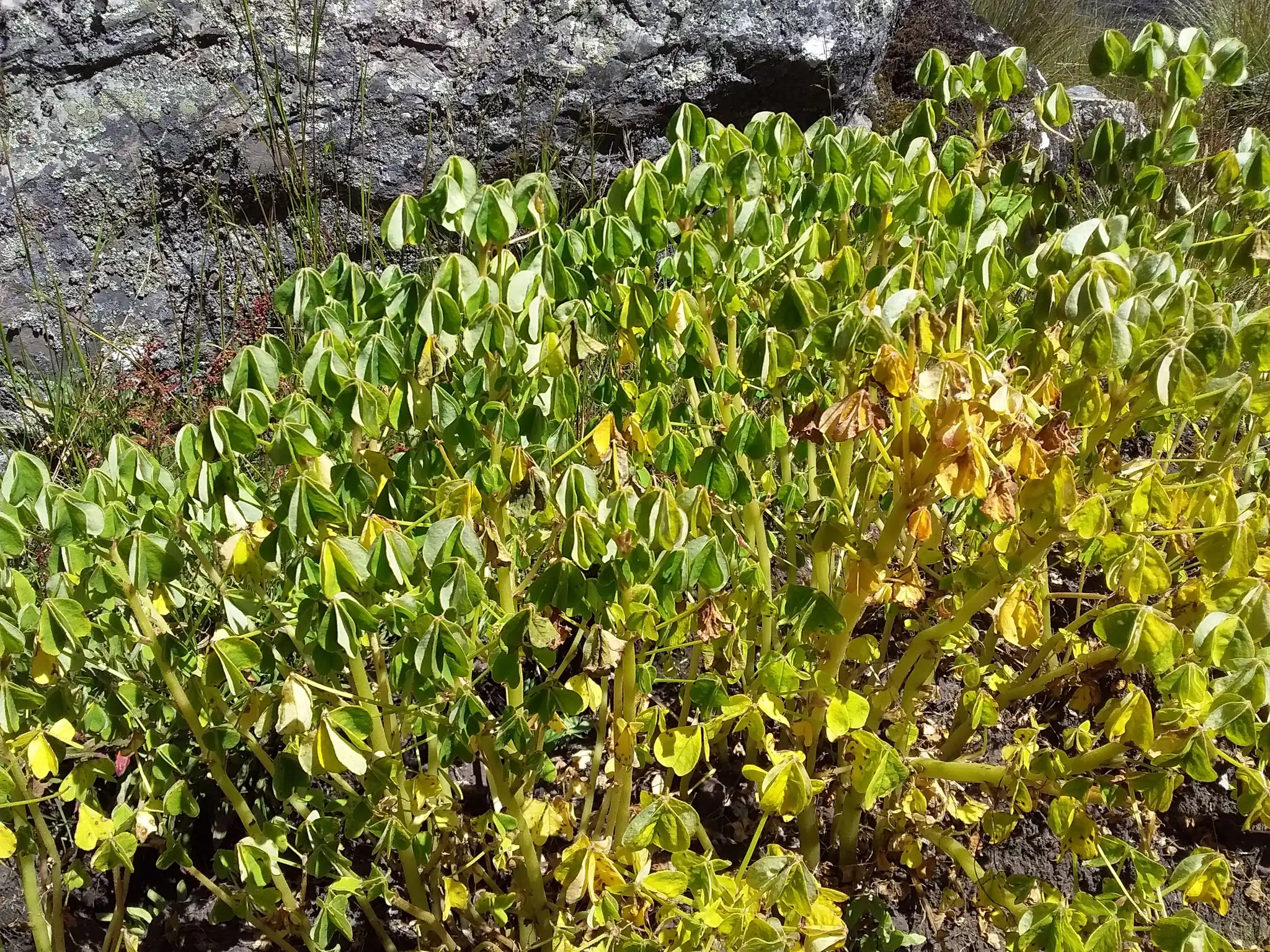
Oxalis tuberosa, commonly known as oca, is a low-growing, spreading herbaceous perennial from the Andes that forms a dense mound of succulent stems and clover-like foliage. The trifoliolate leaves are photosensitive, folding downward at night, and are accompanied by small, yellow, five-petaled flowers borne on slender stalks from summer through fall.
This species produces edible, starch-rich underground tubers in late fall as day lengths shorten. The tubers develop in a variety of colors and have a tangy flavor due to oxalic acid, which decreases significantly after exposure to sunlight or cooking.
Uses & Benefits:
Essentials
At a Glance
Plant Type
Fruit Vegetable
Height
20"
Width
35"
Light
Full Sun, Partial Sun
Zones
6, 7, 8, 9
Water
Medium
Humidity
Moderate
Lifespan
Perennial
Native To
South America
Toxicity
Contains oxalic acid; caution for kidney stones
Bloom period
Summer – Fall
In flower about 6 months of the year
Planting
How to Grow
- Plant whole tubers or pieces with one to three active eyes two inches deep in light, well-drained soil after the last hard spring frost.
- Maintain consistent soil moisture throughout the summer to support steady vegetative growth and prevent stem dieback.
- Mound soil or organic mulch around the base of the stems in mid-summer to encourage maximum underground tuber development.
- Harvest the tubers carefully in late fall after frost has killed the top growth, then expose them to sunlight for several days to sweeten.
Pro Tip
Delay harvesting until late fall after a hard frost blackens the foliage; tubers only begin to bulk rapidly in response to the short days of late fall, and early harvesting drastically reduces yield.
Keep It Thriving
Care Guide
Do
- Hill soil around the growing stems mid-season to increase the space available for tuber formation.
- Provide regular irrigation during dry summer periods to ensure even tuber development.
- Store harvested tubers in a cool, dark, well-ventilated space to prevent premature sprouting.
Don't
- Do not apply high-nitrogen fertilizers, which stimulate excessive leaf growth at the expense of tuber yield.
- Do not plant in heavy, poorly drained clay soils where standing water will cause the tubers to rot.
- Do not harvest early in fall before the short-day photoperiod triggers tuber development.
Seasonal Care Calendar
| Task | Jan | Feb | Mar | Apr | May | Jun | Jul | Aug | Sep | Oct | Nov | Dec |
|---|---|---|---|---|---|---|---|---|---|---|---|---|
| Harvest | ||||||||||||
| Mulch | ||||||||||||
| Plant | ||||||||||||
| Winter Prep |
Watch Out For
Pests & Diseases
Common Pests
Common Diseases
In the Garden
Landscape Uses & Companions
Landscape Uses
Companion Plants
Multiply
Propagation Methods
Good to Know
Common Questions
Oca questions
What zones can Oca grow in?
Oca is hardy in USDA Zones 6–9. Inside that range it survives winter in the ground; outside it, grow it as an annual or a container plant you protect.
When does Oca bloom?
Oca typically blooms in summer through fall. Exact timing shifts a week or two with your zone — Sow's bloom calendar maps it to your garden.
Does Oca need full sun?
Oca does best in full sun to part shade. In hot climates, afternoon shade keeps blooms fresher longer.
More Oxalis to compare
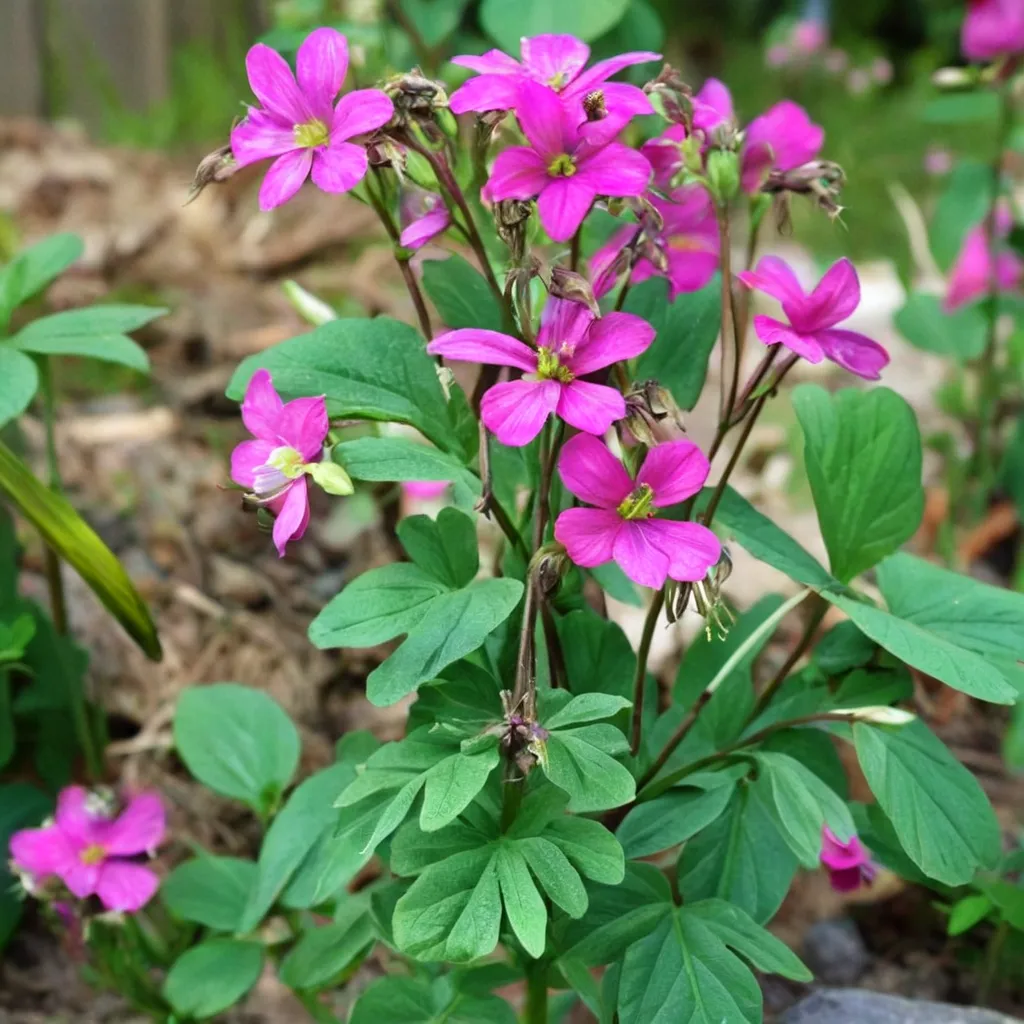
Oxalis Lasiandra
Oxalis lasiandra
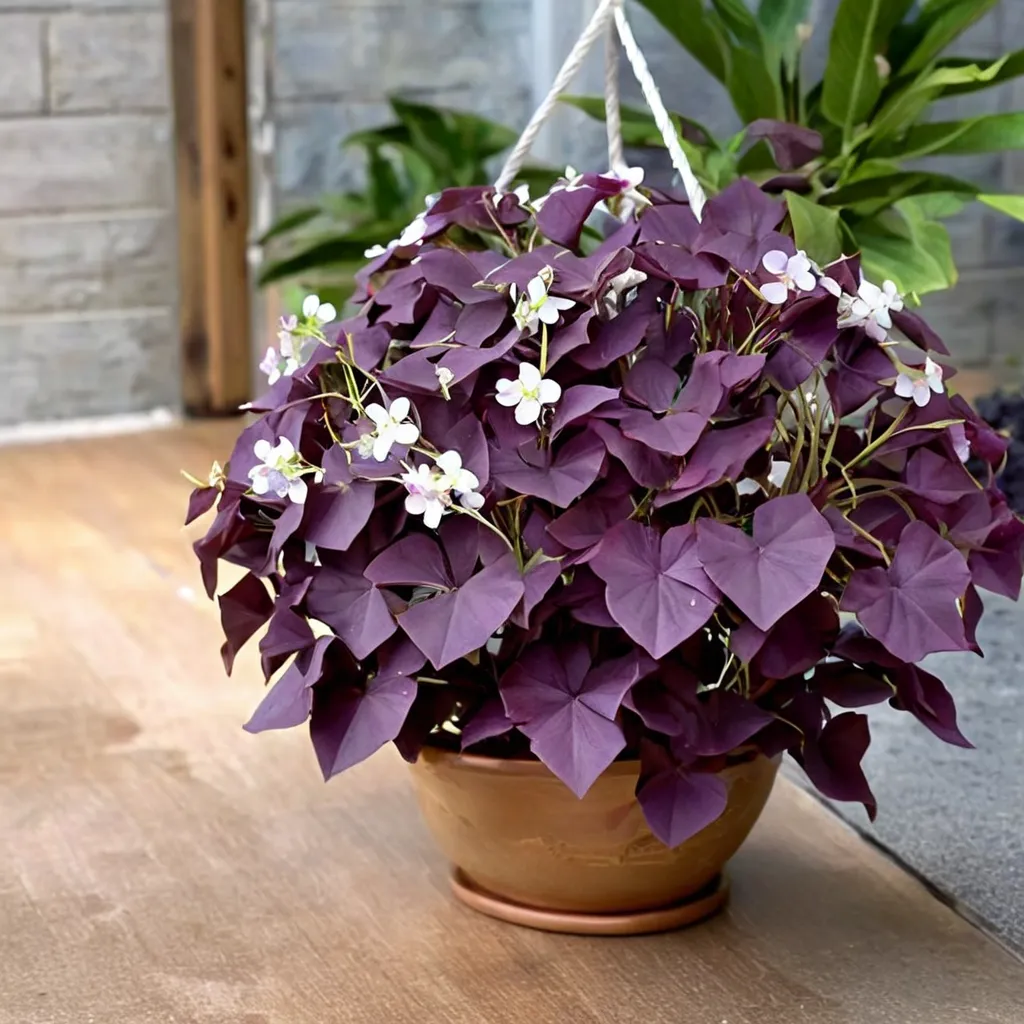
Triangular Oxalis Purple Shamrock
Oxalis triangularis
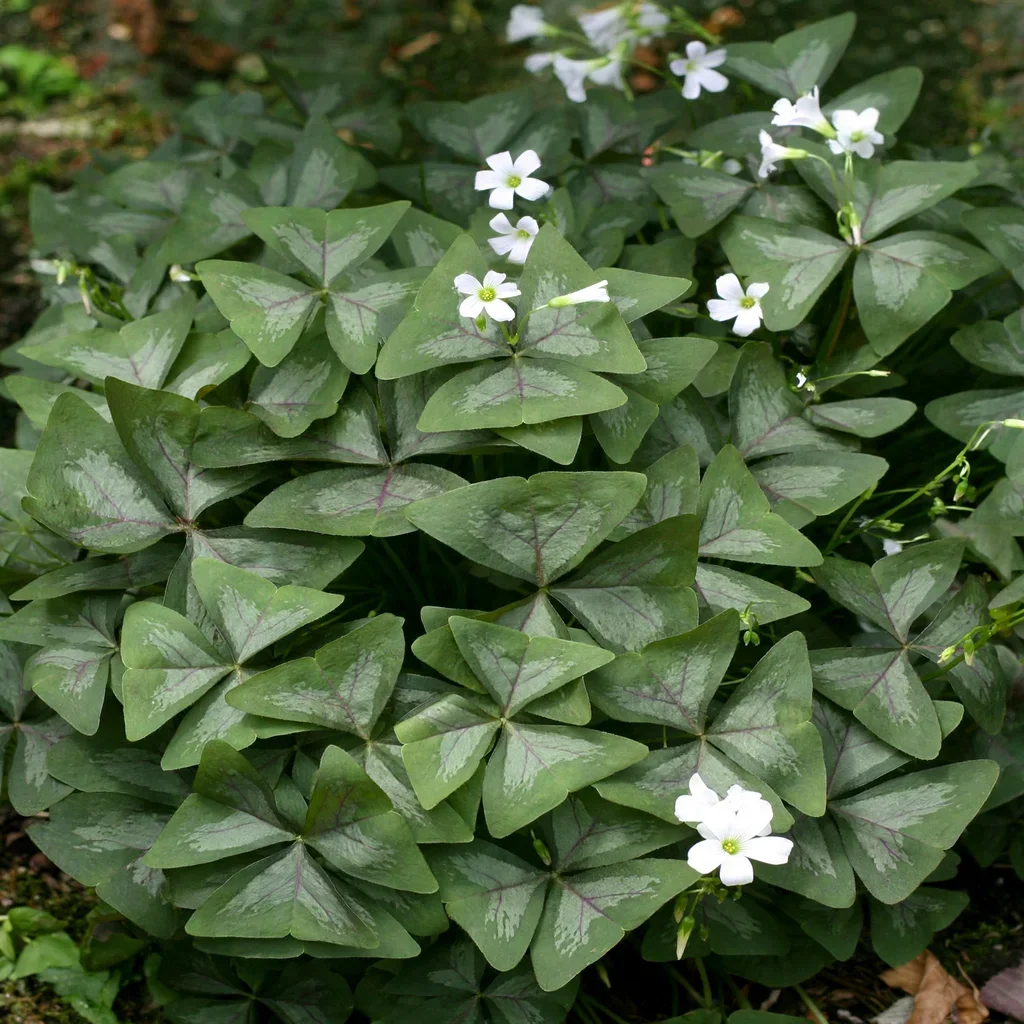
False Shamrock
Oxalis triangularis 'Fanny'
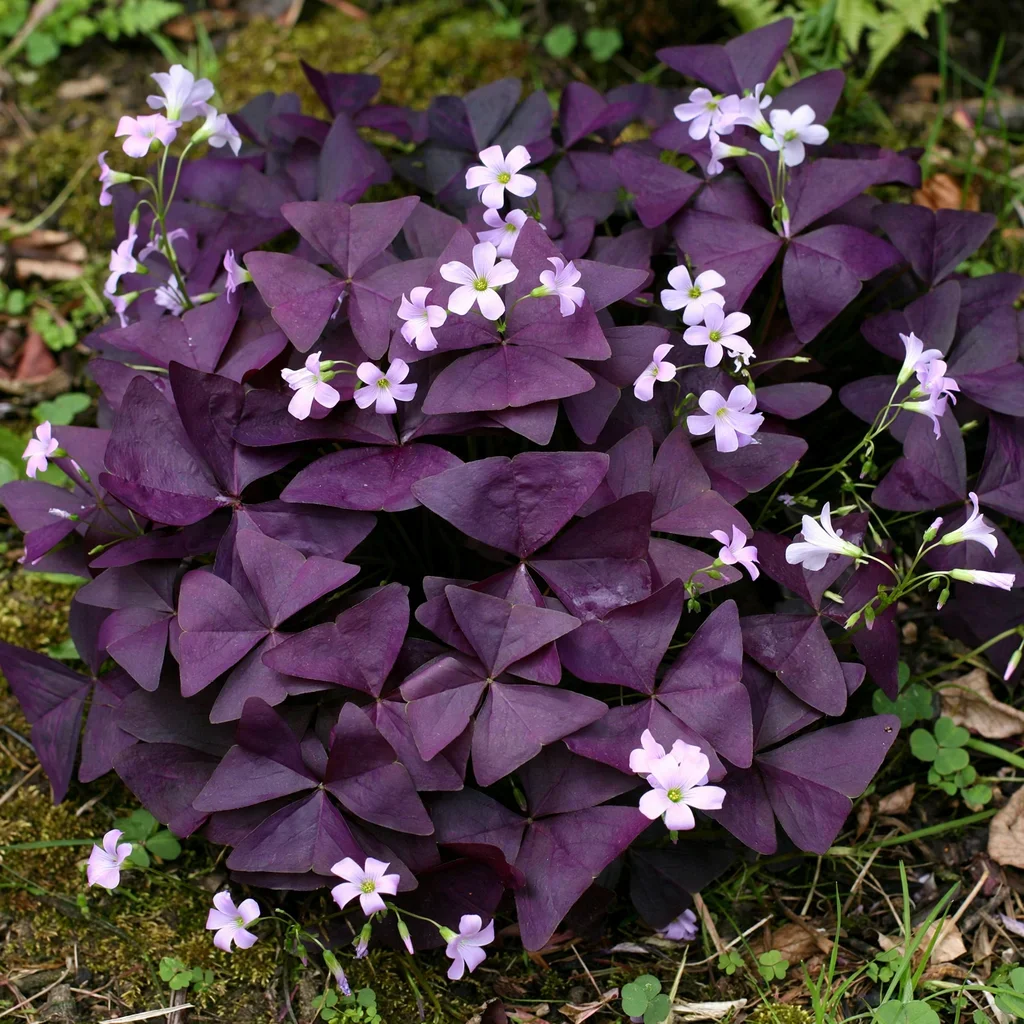
Atropurpurea Purple Shamrock
Oxalis triangularis 'Atropurpurea'

Plum Crazy Yellow Woodsorrel
Oxalis stricta 'Plum Crazy'
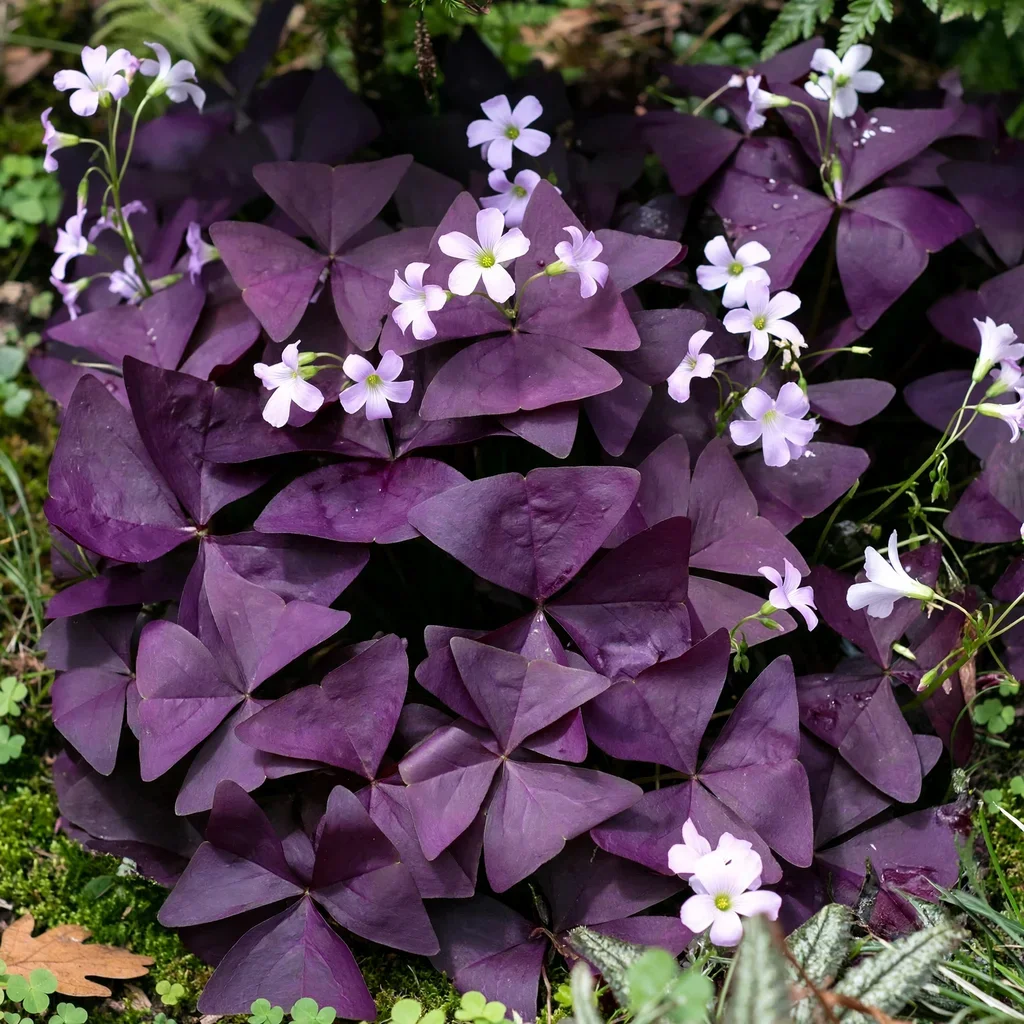
Purple Shamrock
Oxalis triangularis ssp papilionacea
Keep exploring
Explore the genus
Hardy in your zone?
Grow Oca with confidence
See it in a design of your actual yard, get zone-matched care reminders, and track it season by season in your garden journal.