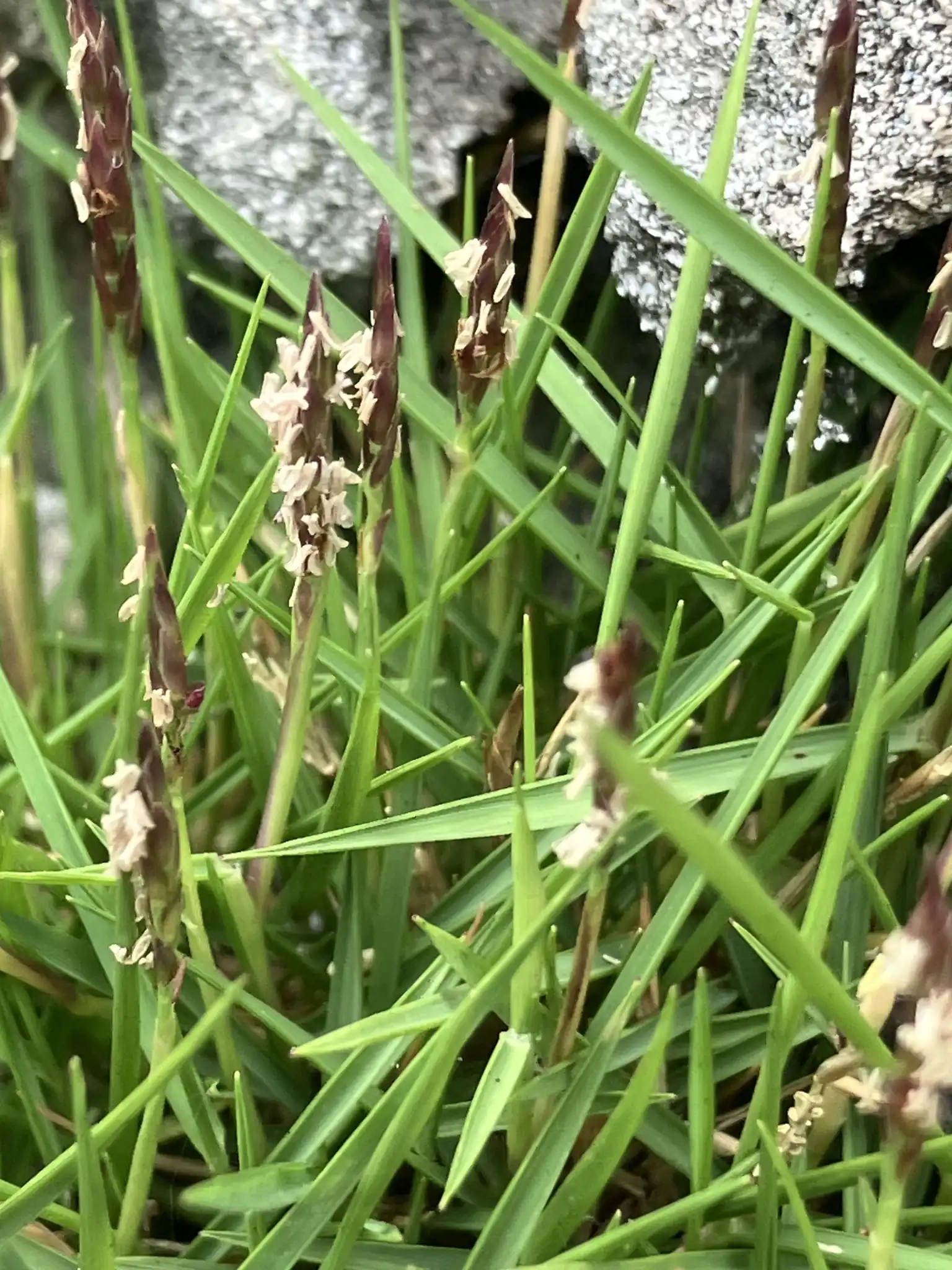
The Story
Plant Bio
Zoysia matrella is a low-growing, warm-season perennial grass that spreads by creeping stolons and underground rhizomes to form an exceptionally dense, fine-textured turf. The stiff, narrow leaf blades measure two to four millimeters wide and feature tiny hairs near the collar, maintaining a bright green color throughout the active growing season.
This species is distinguished by its superior shade tolerance and finer texture compared to other warm-season turfgrasses. It excels in coastal environments due to high tolerance for salinity, salt spray, and humid conditions.
Uses & Benefits:
Essentials
At a Glance
Plant Type
Grass
Height
4"
Width
120"
Light
Full Sun, Partial Sun
Zones
7, 8, 9, 10
Water
Medium
Humidity
High
Lifespan
Perennial
Native To
Southeastern Asia and southern Japan
Toxicity
Non-toxic
Bloom period
Summer – Autumn
In flower about 6 months of the year
Planting
How to Grow
- Prepare a well-drained planting site in full sun or partial shade, clearing all existing weeds and debris.
- Lay sod rolls tightly together or space plugs six to twelve inches apart in sandy or loamy soil with a pH between 6.0 and 7.0.
- Water daily to keep the soil consistently moist until the root system establishes and stolons begin to spread.
- Mow regularly to a height of one to two inches using a sharp blade, avoiding cutting more than one-third of the leaf height at any single time.
Pro Tip
Avoid applying high-nitrogen soluble fertilizers late in the season; excessive nitrogen stimulates rapid, soft growth that leads to heavy thatch accumulation and increases susceptibility to large patch disease.
Keep It Thriving
Care Guide
Do
- Mow every ten to fourteen days during the active spring-to-fall growing season to maintain a dense mat.
- Apply a balanced, slow-release fertilizer once or twice a year in spring and early summer.
- Irrigate deeply but infrequently, allowing the leaf blades to dry completely before nightfall.
Don't
- Do not over-fertilize with soluble nitrogen, which causes rapid thatch buildup and fungal issues.
- Do not allow the soil to remain permanently waterlogged, as wet conditions trigger root rot.
- Do not scalp the lawn by mowing too low or too infrequently, which exposes the brown stem layer.
Seasonal Care Calendar
| Task | Jan | Feb | Mar | Apr | May | Jun | Jul | Aug | Sep | Oct | Nov | Dec |
|---|---|---|---|---|---|---|---|---|---|---|---|---|
| Fertilize | ||||||||||||
| Pest Check | ||||||||||||
| Prune | ||||||||||||
| Spring Cleanup |
Watch Out For
Pests & Diseases
Common Pests
Common Diseases
In the Garden
Landscape Uses & Companions
Landscape Uses
Companion Plants
Multiply
Propagation Methods
Good to Know
Common Questions
Manila Grass questions
What zones can Manila Grass grow in?
Manila Grass is hardy in USDA Zones 7–10. Inside that range it survives winter in the ground; outside it, grow it as an annual or a container plant you protect.
When does Manila Grass bloom?
Manila Grass typically blooms in summer through autumn. Exact timing shifts a week or two with your zone — Sow's bloom calendar maps it to your garden.
Does Manila Grass need full sun?
Manila Grass does best in full sun to part shade. In hot climates, afternoon shade keeps blooms fresher longer.
Is Manila Grass drought tolerant?
Yes — once established (usually after the first full season), Manila Grass handles dry spells with minimal watering. Water deeply its first year to build the root system that makes that possible.
More Zoysia to compare
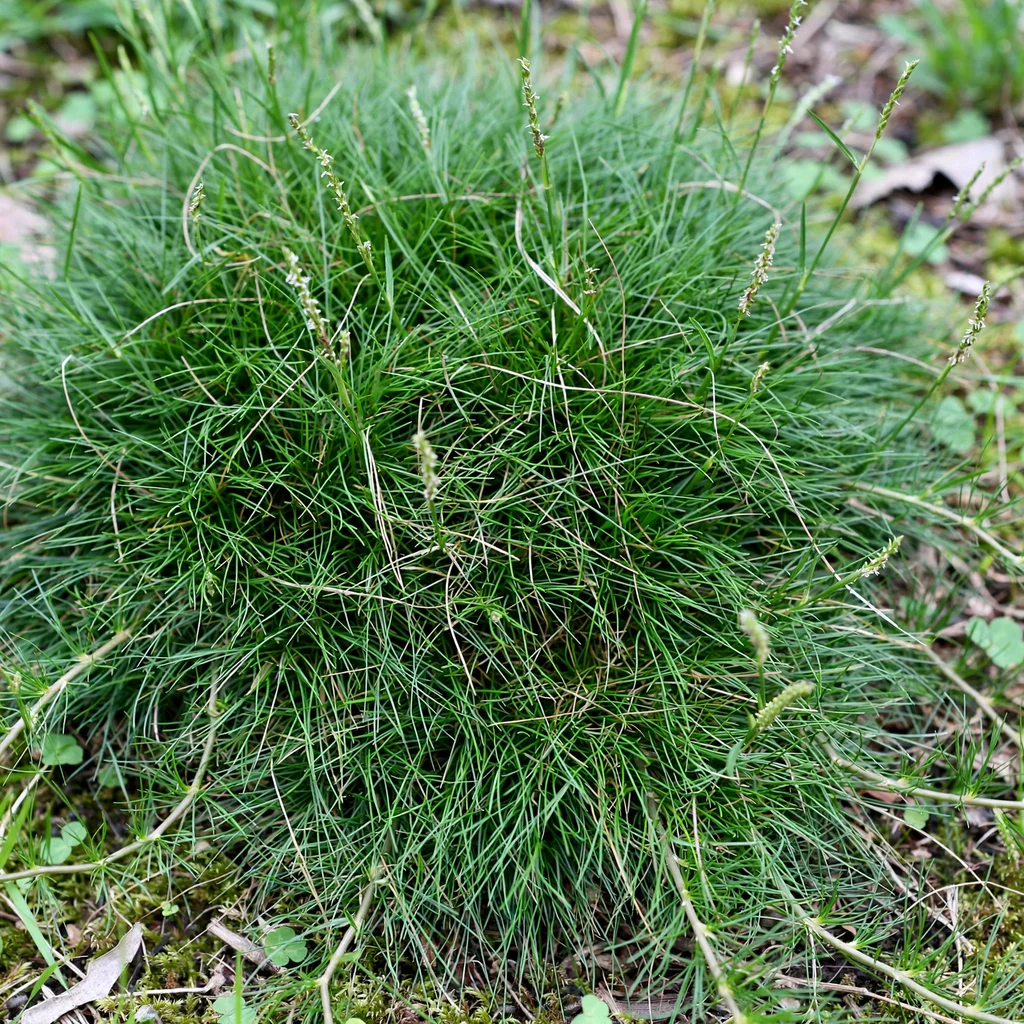
Keep exploring
Explore the genus
Hardy in your zone?
Grow Manila Grass with confidence
See it in a design of your actual yard, get zone-matched care reminders, and track it season by season in your garden journal.