The Story
Plant Bio
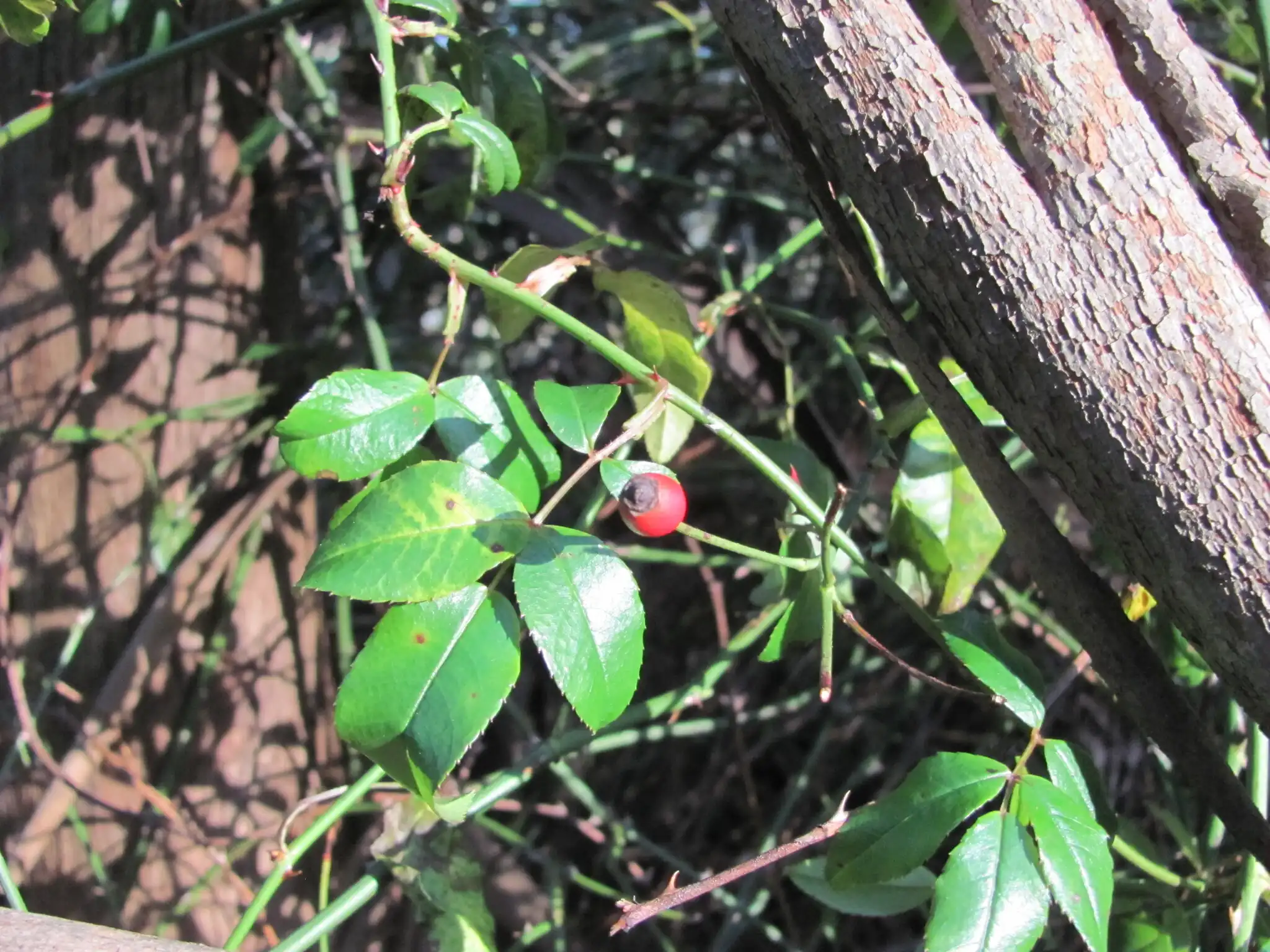
Rosa sempervirens, the evergreen rose, is a vigorous climbing shrub native to southern Europe and North Africa, characterized by its long, flexible, arching stems that scramble over structures. The pinnate foliage remains glossy and dark green through mild winters, providing a year-round backdrop for the clusters of white flowers that open in late spring.
Unlike most wild roses, this species retains its leaves in all but the coldest climates, making it highly effective for year-round screening. The single, five-petaled white blossoms feature prominent golden-yellow stamens and mature into small, orange-red hips by fall.
Uses & Benefits:
Essentials
At a Glance
Plant Type
Vine
Height
236"
Width
196"
Light
Full Sun, Partial Sun
Zones
6, 7, 8, 9
Water
Moderate
Humidity
Average to high
Lifespan
Long-lived
Native To
Southern Europe, Mediterranean basin, North Africa
Toxicity
Non-toxic
Bloom period
Late spring – Early summer
In flower about 2 months of the year
Planting
How to Grow
- Plant in a location receiving at least five to six hours of direct sunlight daily to ensure optimal flowering.
- Provide fertile, well-drained soil, incorporating organic matter to improve moisture retention without creating waterlogged conditions.
- Install a sturdy trellis, fence, or wall support to guide the long, flexible canes as they scramble upward.
- Water deeply during dry spells in the first growing season to establish a deep, drought-tolerant root system.
Pro Tip
Avoid pruning this species into a rigid, stubby dome like a modern bush rose; shearing back into old, leafless wood prevents new buds from breaking and destroys the arching framework needed for flowering.
Keep It Thriving
Care Guide
Do
- Prune annually immediately after the summer flowering wave to maintain shape and remove dead wood.
- Apply a balanced organic rose fertilizer in early spring as new growth begins.
- Ensure excellent air circulation around the foliage to minimize the risk of powdery mildew and black spot.
Don't
- Do not prune hard into old, leafless wood, as these stems fail to produce new buds.
- Avoid overhead watering, which leaves foliage wet and increases susceptibility to fungal diseases.
- Do not allow the soil to become waterlogged, which quickly leads to root rot.
Seasonal Care Calendar
| Task | Jan | Feb | Mar | Apr | May | Jun | Jul | Aug | Sep | Oct | Nov | Dec |
|---|---|---|---|---|---|---|---|---|---|---|---|---|
| Fertilize | ||||||||||||
| Pest Check | ||||||||||||
| Prune | ||||||||||||
| Winter Prep |
Watch Out For
Pests & Diseases
Common Pests
Common Diseases
In the Garden
Landscape Uses & Companions
Landscape Uses
Companion Plants
Multiply
Propagation Methods
Good to Know
Common Questions
Evergreen Rose questions
What zones can Evergreen Rose grow in?
Evergreen Rose is hardy in USDA Zones 6–9. Inside that range it survives winter in the ground; outside it, grow it as an annual or a container plant you protect.
Is Evergreen Rose deer resistant?
Not reliably. Deer may browse Evergreen Rose, especially tender spring growth — plan on repellents or fencing where pressure is high.
When does Evergreen Rose bloom?
Evergreen Rose typically blooms in late spring through early summer. Exact timing shifts a week or two with your zone — Sow's bloom calendar maps it to your garden.
Does Evergreen Rose need full sun?
Evergreen Rose does best in full sun to part shade. In hot climates, afternoon shade keeps blooms fresher longer.
Is Evergreen Rose drought tolerant?
Yes — once established (usually after the first full season), Evergreen Rose handles dry spells with minimal watering. Water deeply its first year to build the root system that makes that possible.
More Rosa to compare
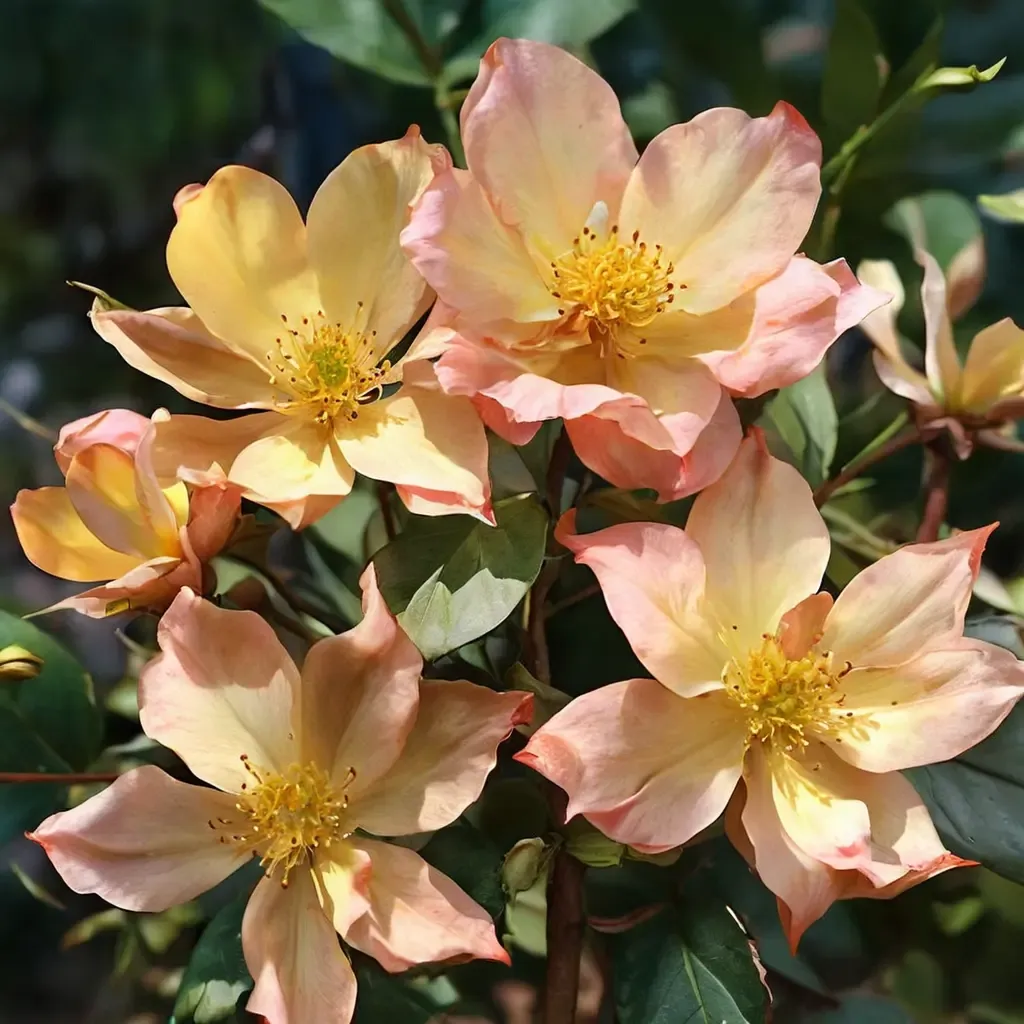
Flutterbye Rose
Rosa x hybrida 'Flutterbye'
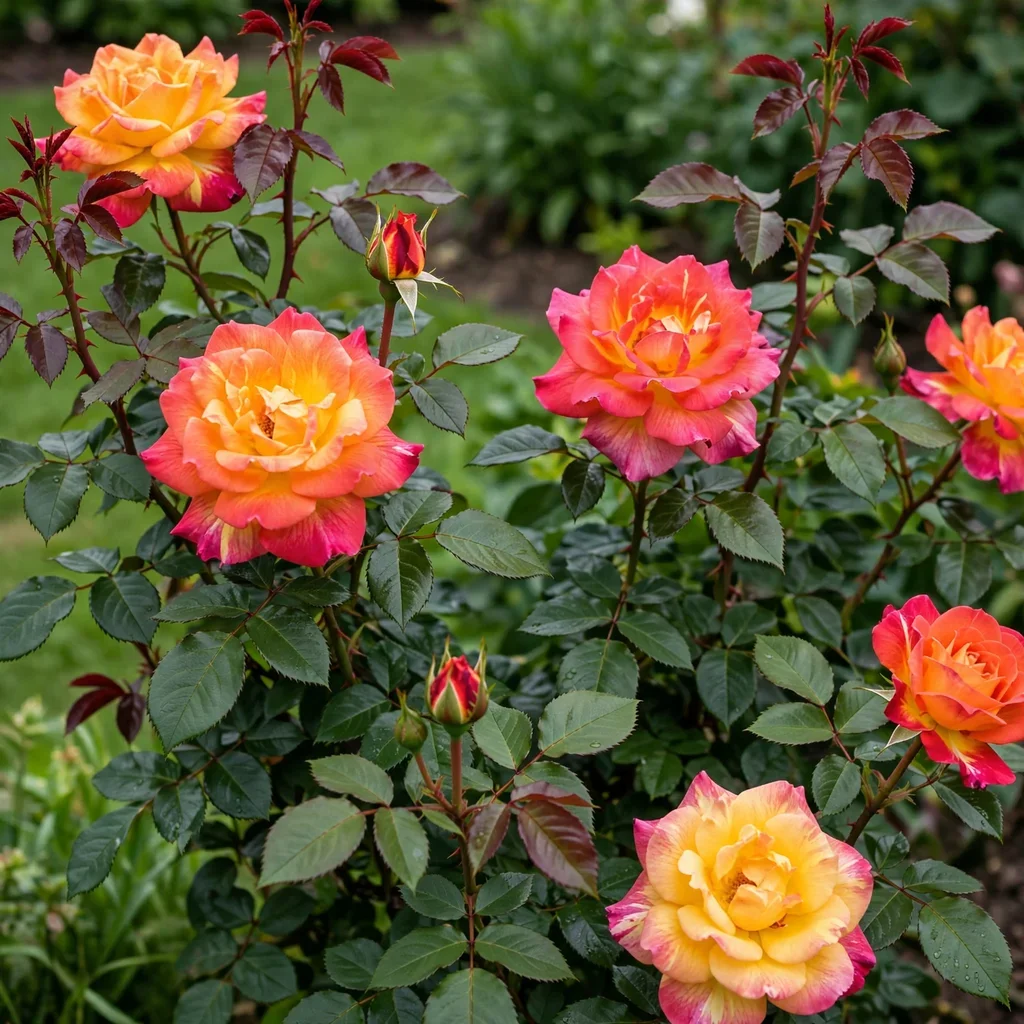
Joseph's Coat Rose
Rosa x hybrida 'Joseph's Coat'
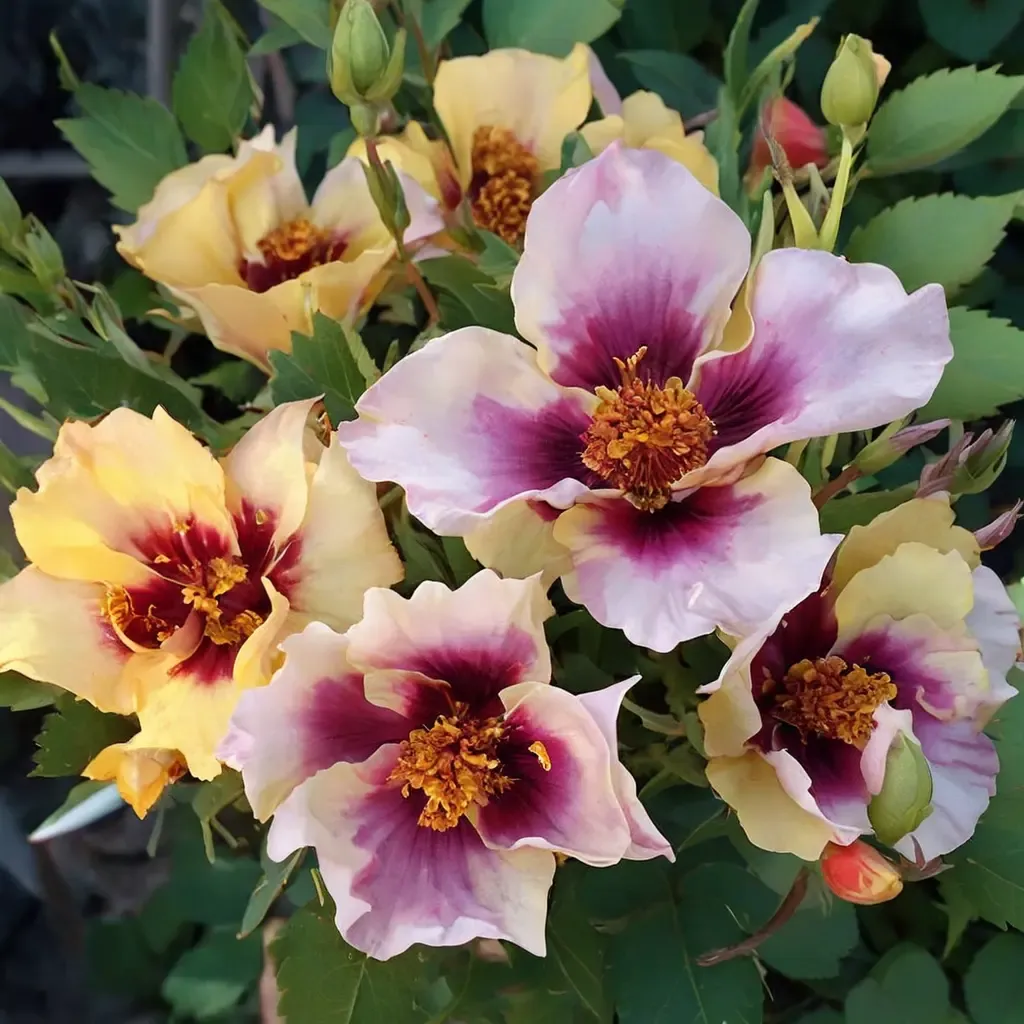
In Your Eyes Rose
Rosa x hybrida 'In Your Eyes'
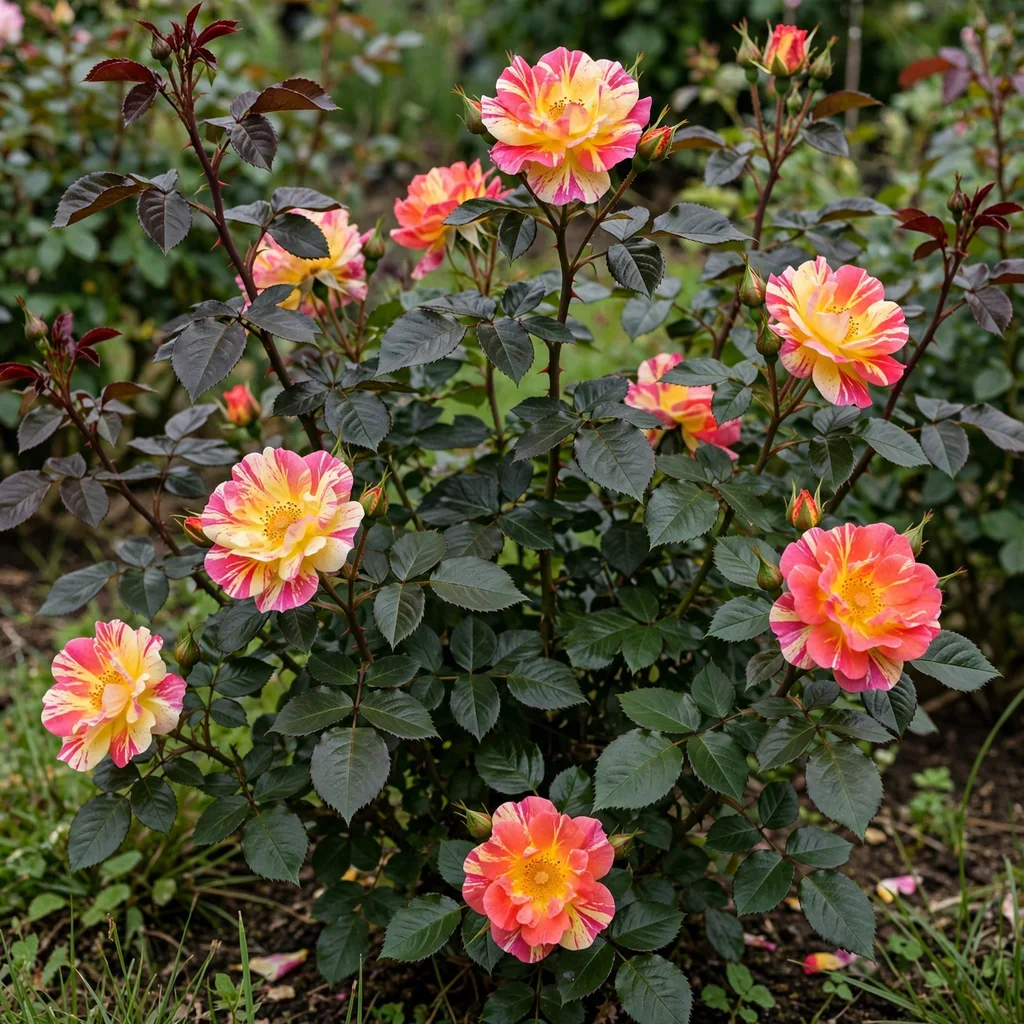
Rainbow Rose
Rosa x hybrida 'Rainbow'
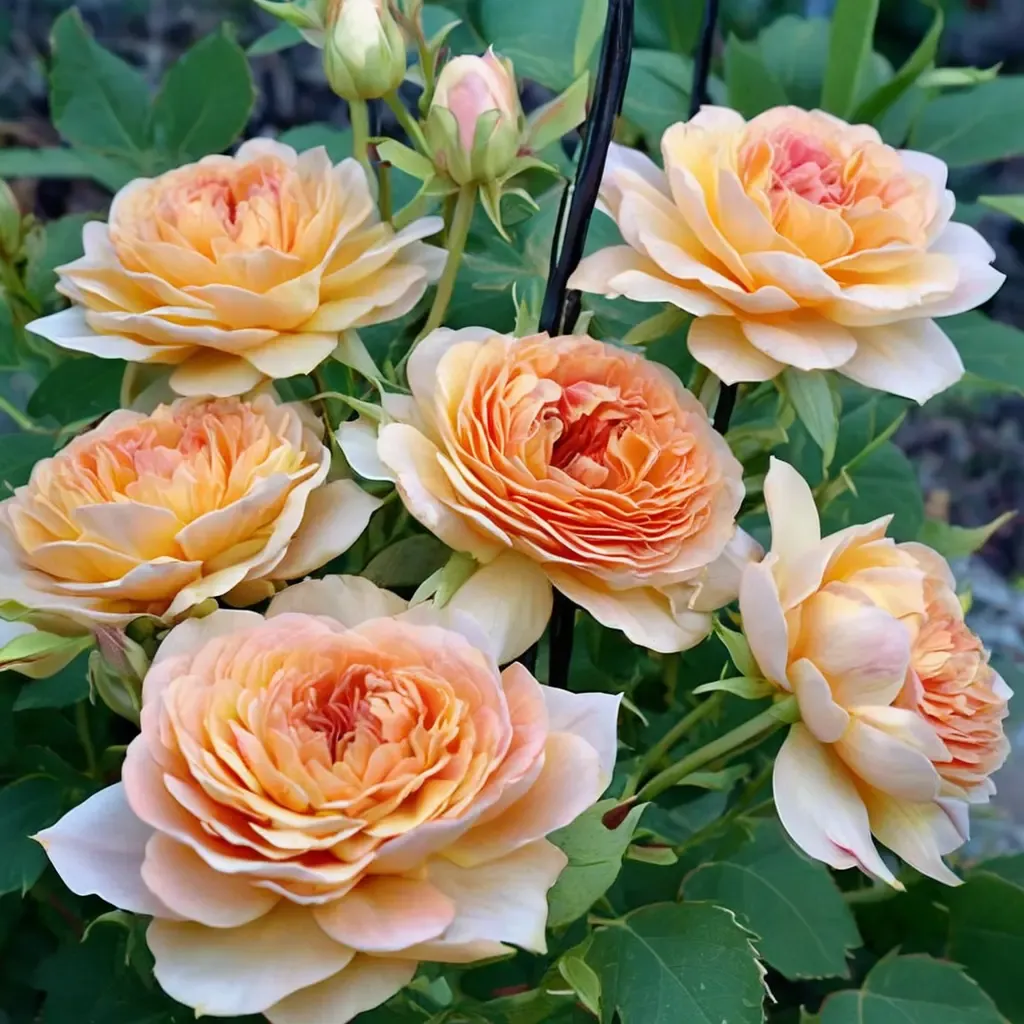
Fun in the Sun Rose
Rosa x hybrida 'Fun in the Sun'
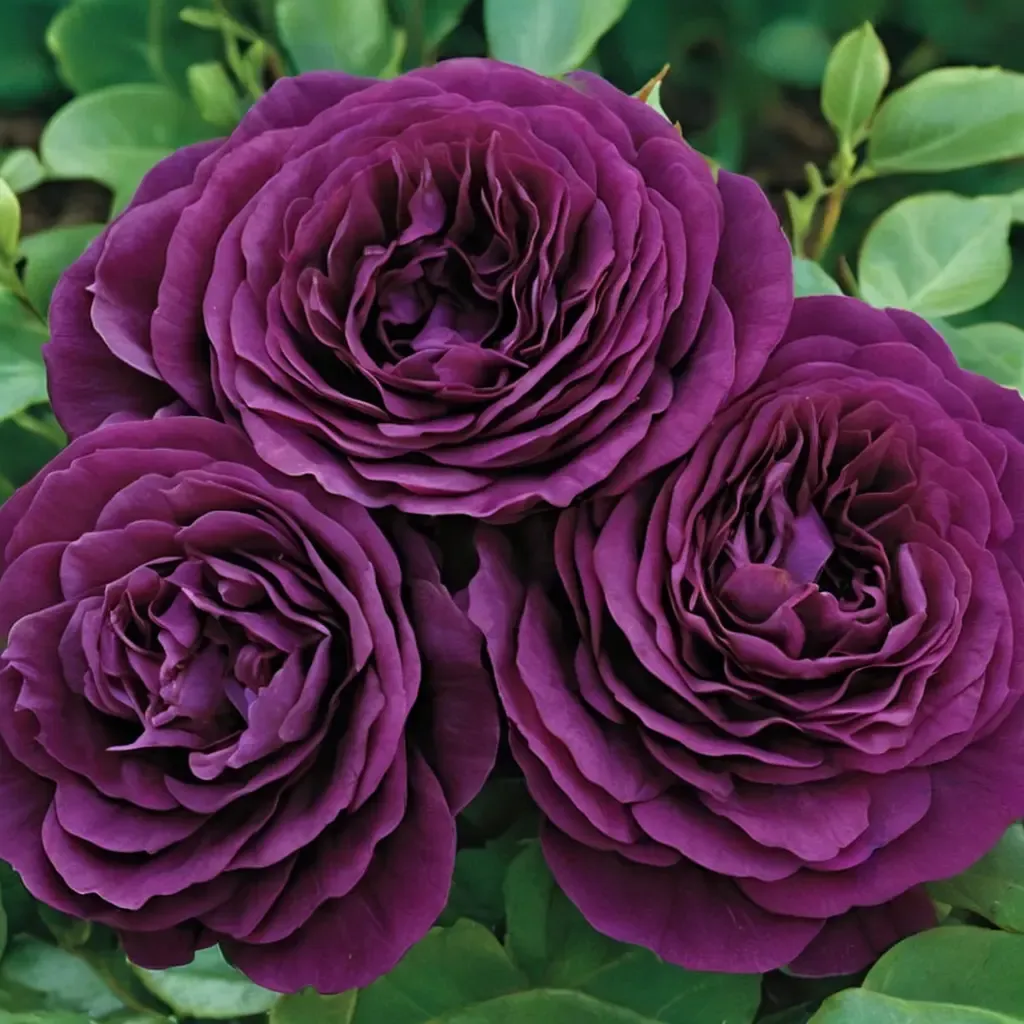
Twilight Zone Rose
Rosa x hybrida 'Twilight Zone'
Keep exploring
Explore the genus
Hardy in your zone?
Grow Evergreen Rose with confidence
See it in a design of your actual yard, get zone-matched care reminders, and track it season by season in your garden journal.