The Story
Plant Bio
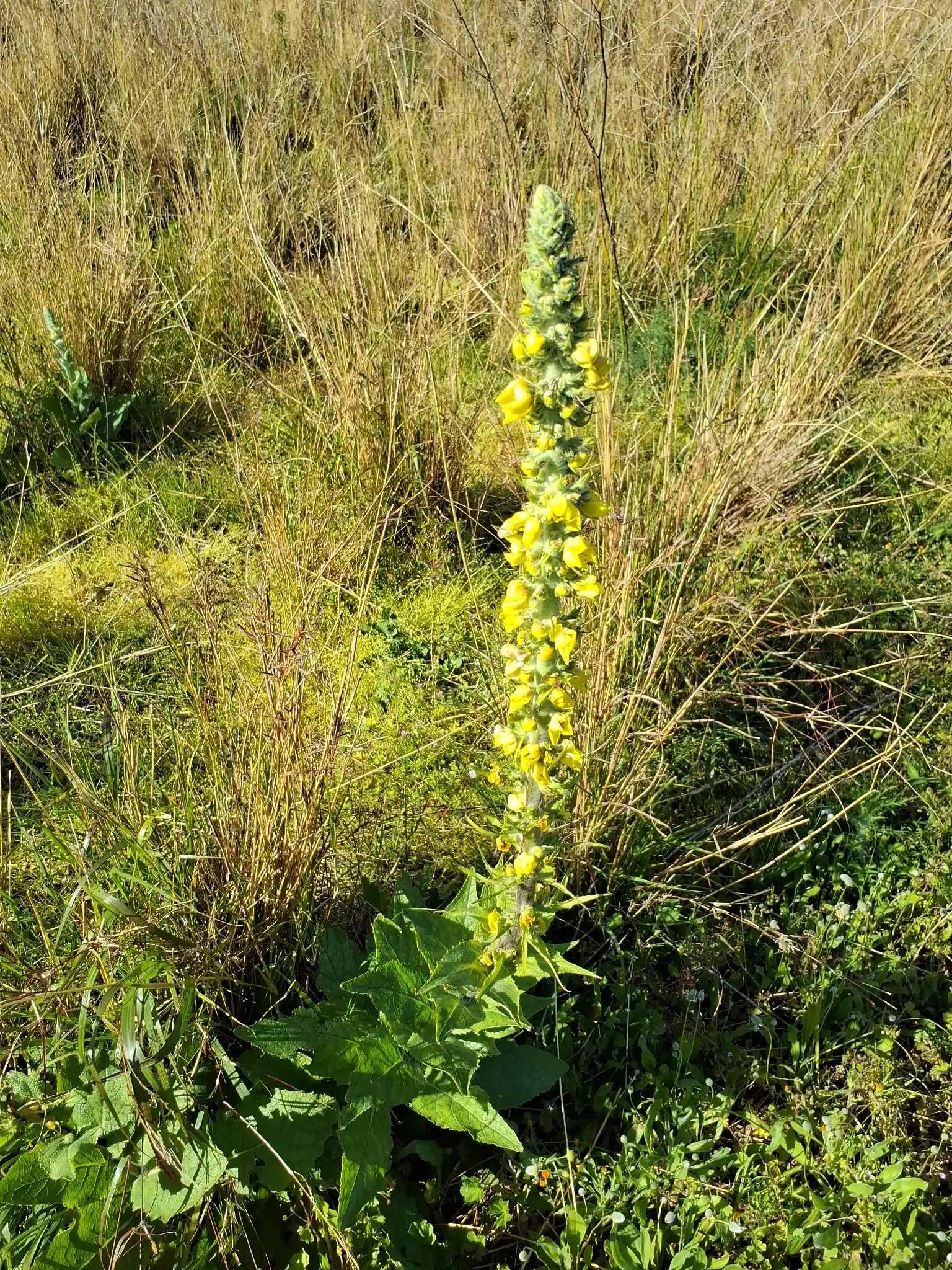
Verbascum boerhavii, commonly known as annual mullein, is a taprooted biennial or annual herb native to the Mediterranean basin. In its first season, the plant develops a tight basal rosette of bronze-tinted or green leaves, followed in the second year by an erect, mostly unbranched flowering spike.
Unlike many heavily felted mulleins, this species features sparsely pubescent foliage that reveals more of the leaf surface. The yellow flowers are arranged laxly along the terminal raceme, creating a more open, architectural silhouette than the dense spikes of common mullein.
Uses & Benefits:
Essentials
At a Glance
Plant Type
Perennial
Height
60"
Width
24"
Light
Full Sun
Zones
6, 7, 8, 9
Water
Low
Humidity
Low
Lifespan
Biennial
Native To
Southwestern Europe and the Mediterranean basin
Toxicity
Toxic if ingested
Bloom period
Late spring – Summer
In flower about 4 months of the year
Planting
How to Grow
- Select a planting site in full sun with highly drained sandy, loamy, or rocky soil.
- Sow seeds directly onto the soil surface in autumn or early spring, pressing them lightly into the earth as they require light to germinate.
- Water sparingly during the establishment phase, then transition to a dry regime once the basal rosette forms.
- Cut the spent flowering spike down to the base in late summer to prevent aggressive self-seeding and encourage a tidy habit.
Pro Tip
Withhold all fertilizer to prevent the tall flower spikes from becoming weak, leggy, and prone to flopping.
Keep It Thriving
Care Guide
Do
- Plant in poor, rocky, or sandy soils to maintain a compact, sturdy growth habit.
- Ensure excellent soil drainage to protect the taproot from winter wet.
- Allow the soil to dry out completely between waterings once established.
Don't
- Do not apply nitrogen-rich fertilizers, which cause weak, floppy stems that require staking.
- Do not plant in heavy clay or waterlogged areas where root rot is inevitable.
- Do not ingest any part of the plant, as it contains toxic secondary metabolites.
Seasonal Care Calendar
| Task | Jan | Feb | Mar | Apr | May | Jun | Jul | Aug | Sep | Oct | Nov | Dec |
|---|---|---|---|---|---|---|---|---|---|---|---|---|
| Pest Check | ||||||||||||
| Plant | ||||||||||||
| Prune | ||||||||||||
| Winter Prep |
Watch Out For
Pests & Diseases
Common Pests
Common Diseases
In the Garden
Landscape Uses & Companions
Landscape Uses
Multiply
Propagation Methods
Good to Know
Common Questions
Annual Mullein questions
What zones can Annual Mullein grow in?
Annual Mullein is hardy in USDA Zones 6–9. Inside that range it survives winter in the ground; outside it, grow it as an annual or a container plant you protect.
Is Annual Mullein deer resistant?
Yes — Annual Mullein is rated deer-resistant. Deer typically pass it over, though extreme hunger can override any plant's defenses.
When does Annual Mullein bloom?
Annual Mullein typically blooms in late spring through summer. Exact timing shifts a week or two with your zone — Sow's bloom calendar maps it to your garden.
Does Annual Mullein need full sun?
Annual Mullein does best in full sun (6+ hours).
Is Annual Mullein drought tolerant?
Yes — once established (usually after the first full season), Annual Mullein handles dry spells with minimal watering. Water deeply its first year to build the root system that makes that possible.
More Verbascum to compare
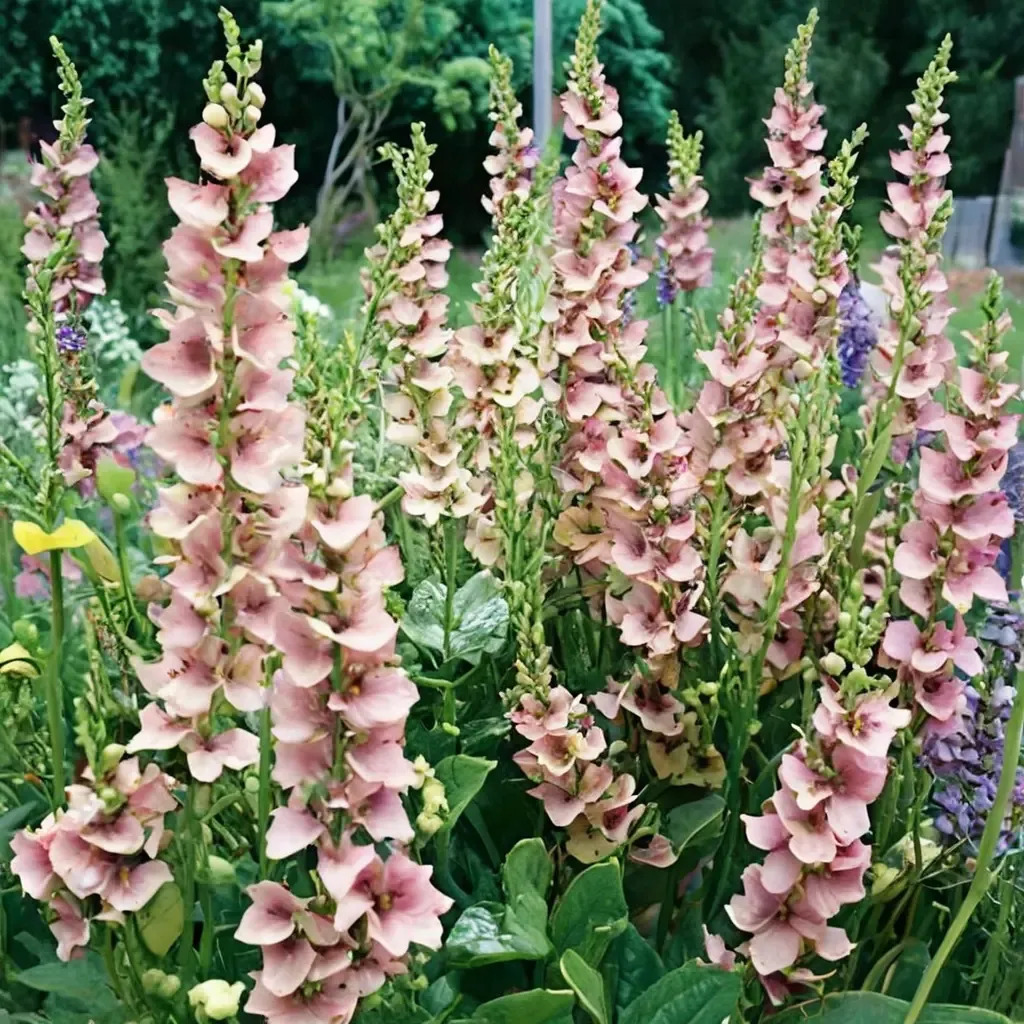
Southern Charm Mullein
Verbascum x hybridum 'Southern Charm'
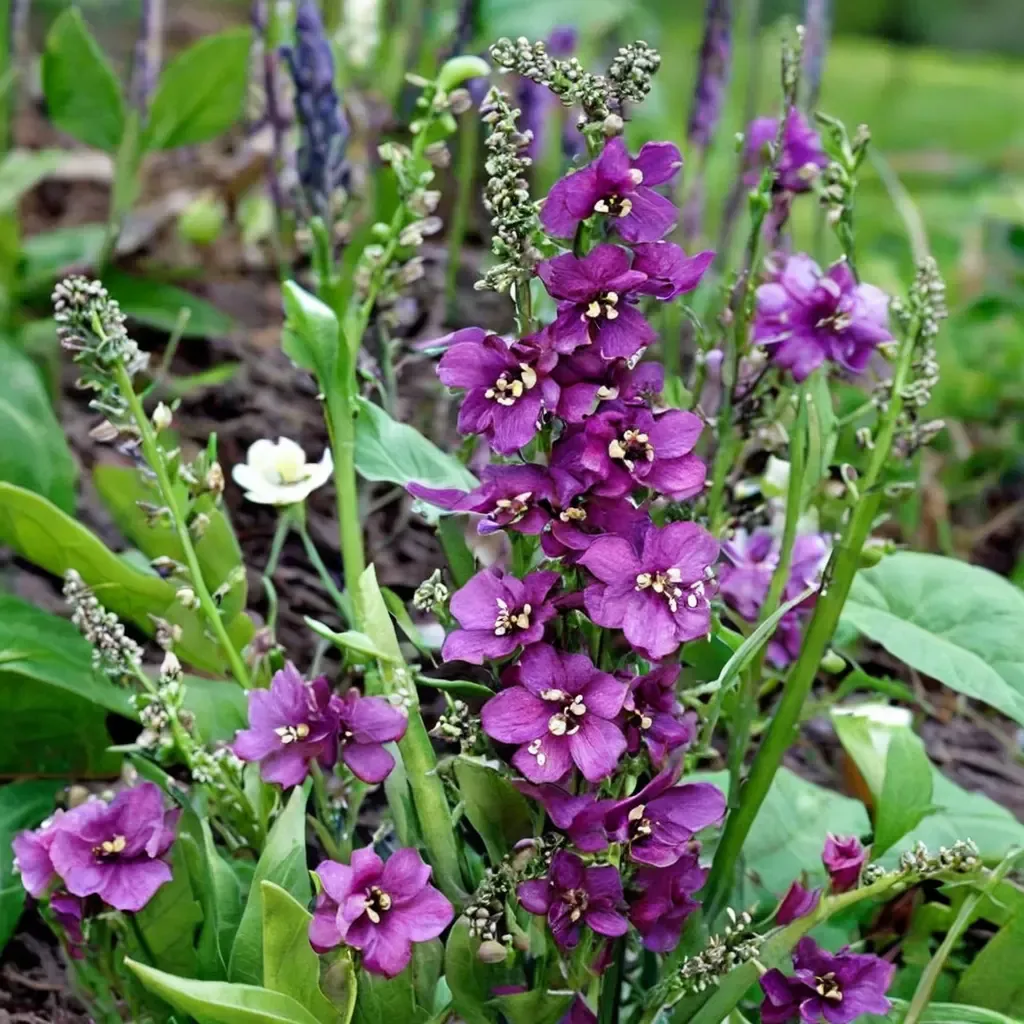
Violetta Purple Mullein
Verbascum phoeniceum 'Violetta'
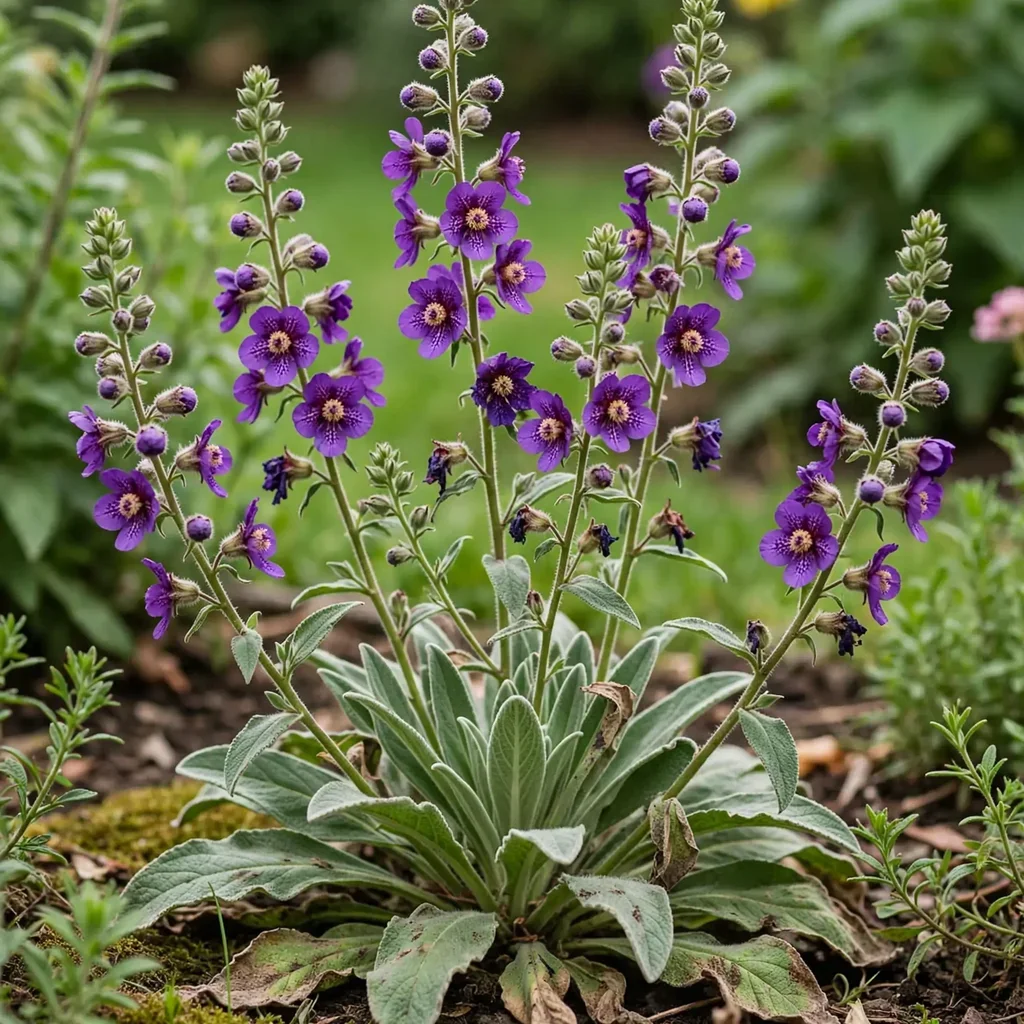
Purple Mullein
Verbascum phoeniceum
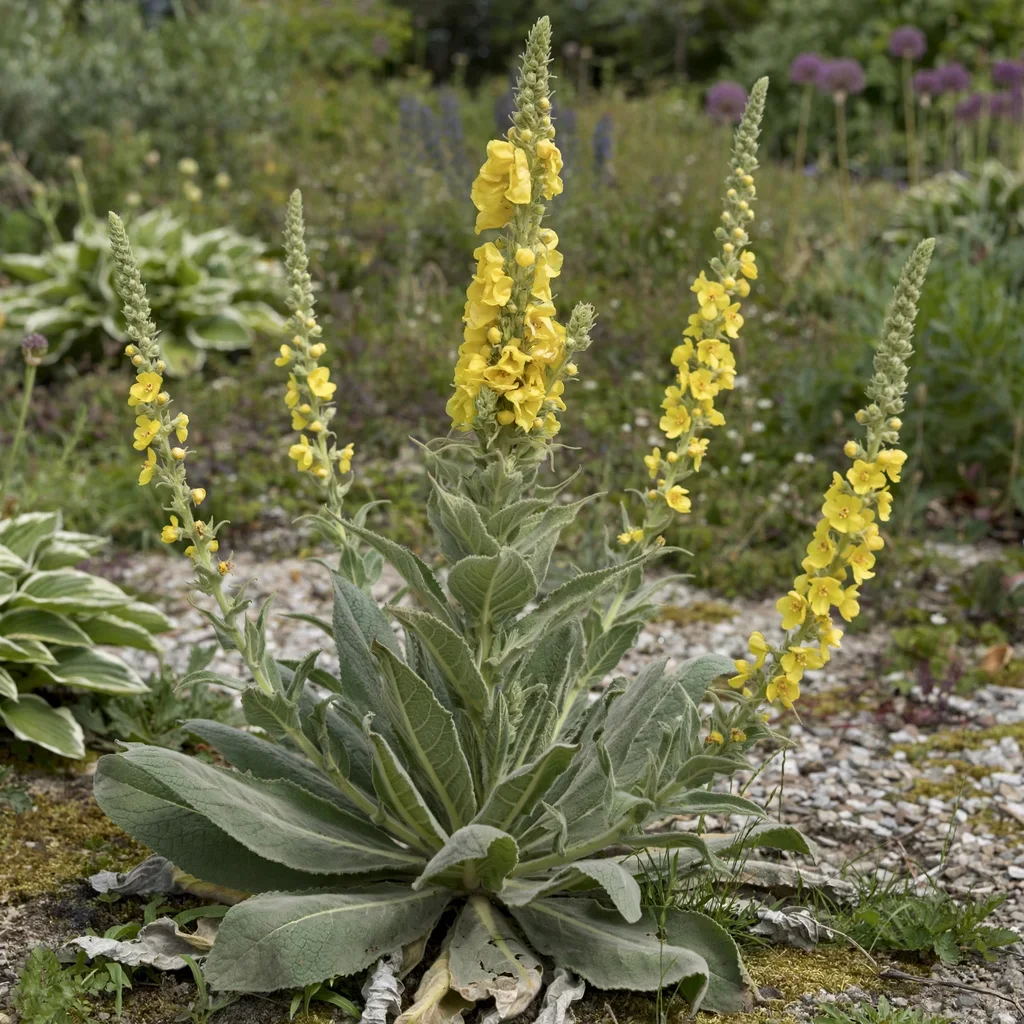
Cotswold King Mullein
Verbascum x hybridum 'Cotswold King'
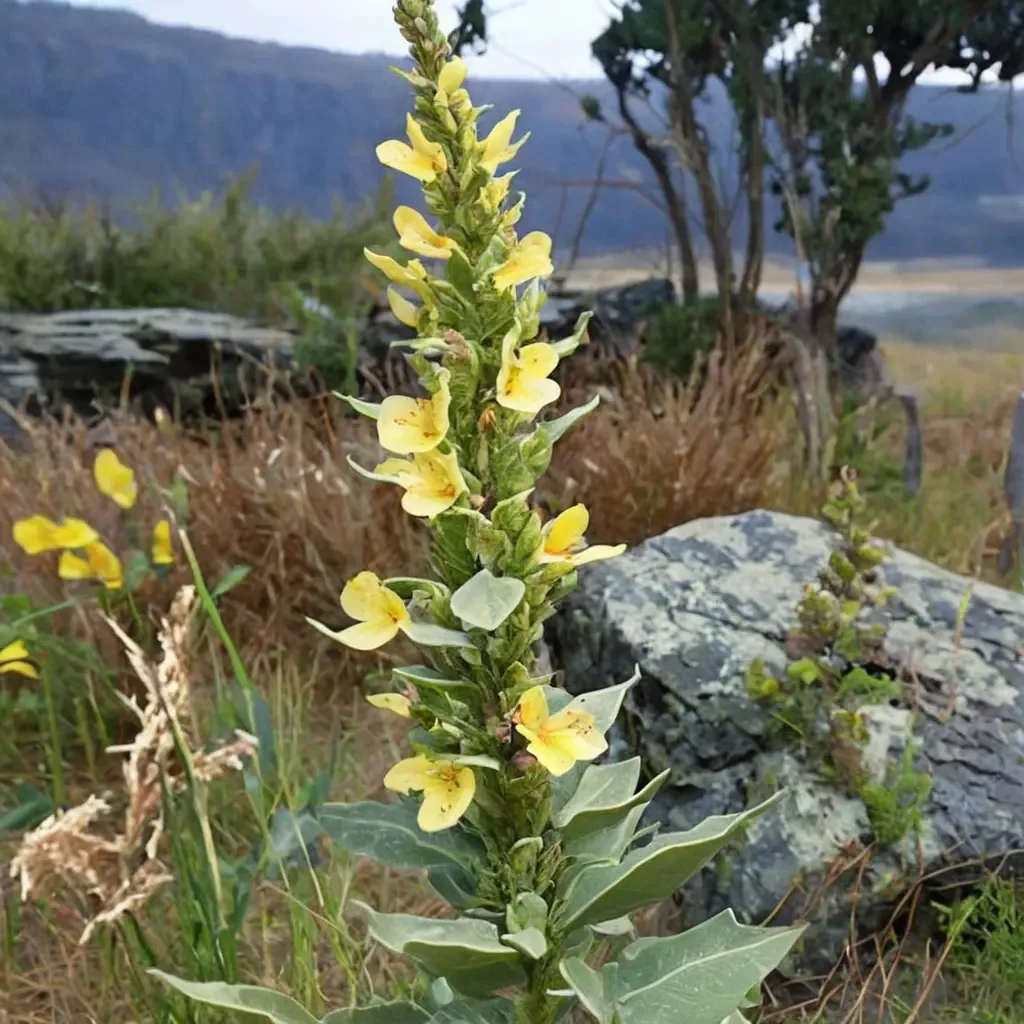
Common Mullein
Verbascum thapsus
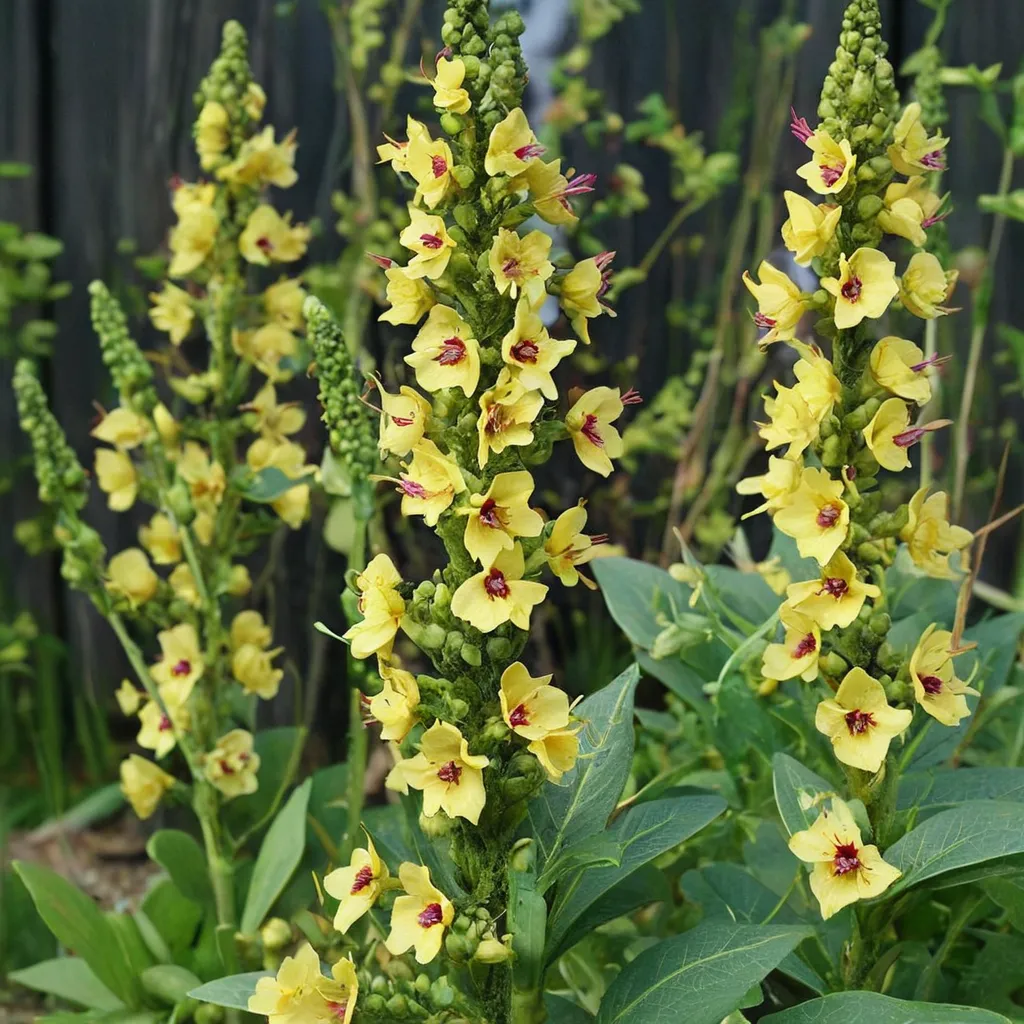
Black Mullein
Verbascum nigrum
Keep exploring
Explore the genus
Hardy in your zone?
Grow Annual Mullein with confidence
See it in a design of your actual yard, get zone-matched care reminders, and track it season by season in your garden journal.