The Story
Plant Bio
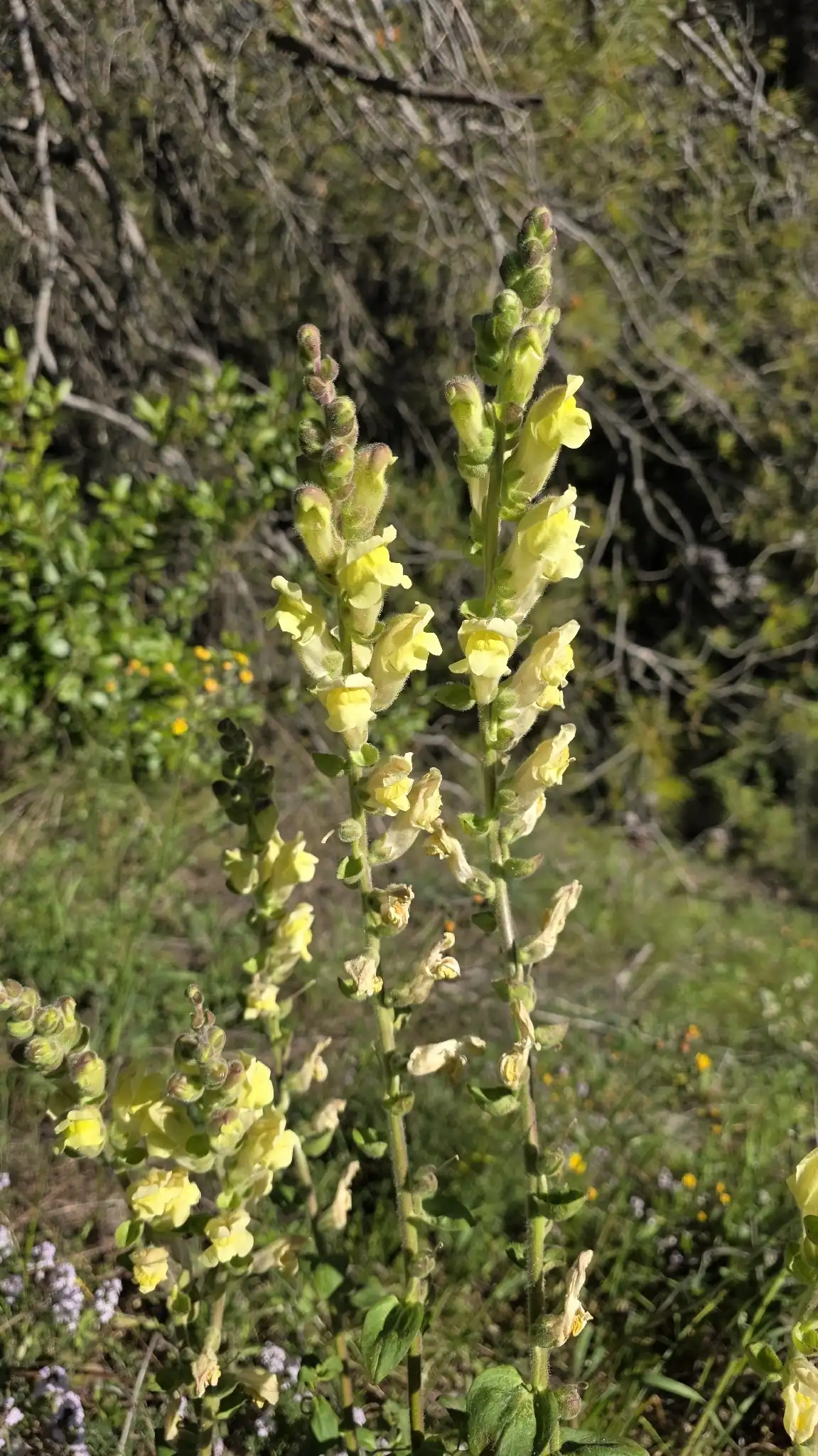
Antirrhinum latifolium is an erect, branching perennial herb native to the Mediterranean mountain regions of southern Europe, characterized by its grayish-green, glandular-pubescent foliage. The two-lipped, yellow tubular flowers measure up to nearly two inches long and cluster in dense terminal racemes from spring through fall.
This species is distinguished from the common garden snapdragon by its broader, oval to elliptic leaves and its consistently yellow blooms, which occasionally feature a purple lower lip. The stems and foliage carry a distinct sticky, glandular hairiness that covers both the opposite lower leaves and alternate upper leaves.
Uses & Benefits:
Essentials
At a Glance
Plant Type
Perennial
Height
30"
Width
16"
Light
Full Sun
Zones
7, 8, 9, 10
Water
Moderate
Humidity
Moderate
Lifespan
Short-lived perennial
Native To
Europe (Mediterranean)
Toxicity
Non-toxic
Bloom period
Spring – Autumn
In flower about 9 months of the year
Planting
How to Grow
- Sow seeds indoors 6 to 10 weeks before the last spring frost, or take stem cuttings in the fall.
- Select a planting site in full sun that receives at least 6 to 8 hours of direct daily sunlight.
- Amend the planting area with grit or sand to ensure absolute drainage, keeping organic matter to a minimum.
- Pinch young stem tips early in the season to promote a bushy, heavily branched growth habit.
Pro Tip
While often mistaken for drought-tolerant desert plants, these snapdragons require consistent moisture combined with exceptionally sharp drainage; planting them in heavy, water-retentive clay soils triggers rapid, fatal root rot.
Keep It Thriving
Care Guide
Do
- Plant in sharply draining, gritty soil to prevent root rot.
- Provide at least 6 to 8 hours of direct daily sunlight.
- Deadhead spent flower spikes regularly to encourage continuous blooming.
Don't
- Do not allow water to stagnate around the roots or plant in heavy clay.
- Avoid overhead watering, which promotes rust and powdery mildew.
- Do not over-fertilize, as excess nitrogen leads to weak, floppy stems.
Seasonal Care Calendar
| Task | Jan | Feb | Mar | Apr | May | Jun | Jul | Aug | Sep | Oct | Nov | Dec |
|---|---|---|---|---|---|---|---|---|---|---|---|---|
| Deadhead | ||||||||||||
| Fertilize | ||||||||||||
| Pinch | ||||||||||||
| Propagate | ||||||||||||
| Prune |
Watch Out For
Pests & Diseases
Common Pests
Common Diseases
In the Garden
Landscape Uses & Companions
Landscape Uses
Companion Plants
Multiply
Propagation Methods
Good to Know
Common Questions
Yellow Snapdragon questions
What zones can Yellow Snapdragon grow in?
Yellow Snapdragon is hardy in USDA Zones 7–10. Inside that range it survives winter in the ground; outside it, grow it as an annual or a container plant you protect.
Is Yellow Snapdragon deer resistant?
Not reliably. Deer may browse Yellow Snapdragon, especially tender spring growth — plan on repellents or fencing where pressure is high.
When does Yellow Snapdragon bloom?
Yellow Snapdragon typically blooms in spring through autumn. Exact timing shifts a week or two with your zone — Sow's bloom calendar maps it to your garden.
Does Yellow Snapdragon need full sun?
Yellow Snapdragon does best in full sun (6+ hours).
More Antirrhinum to compare
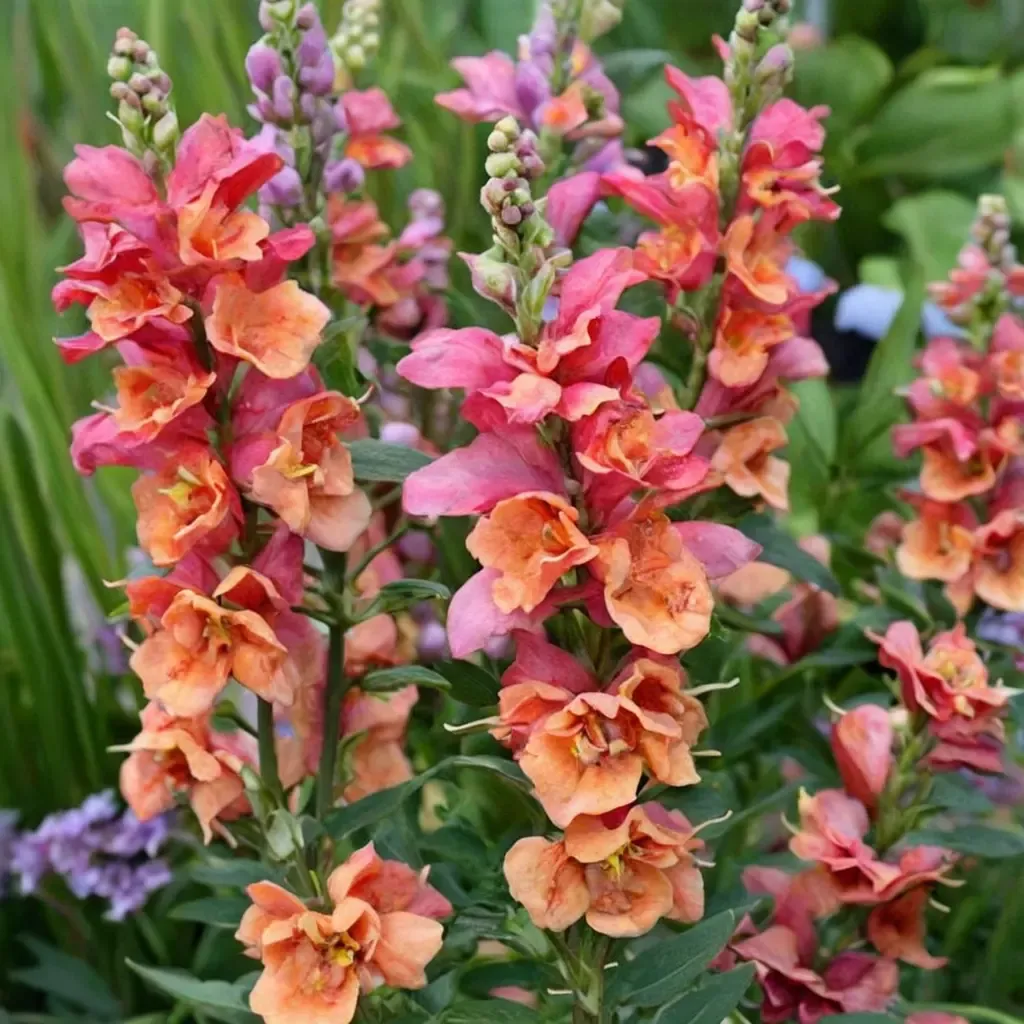
Double Azalea Bronze Snapdragons
Antirrhinum majus 'Double Azalea Bronze'
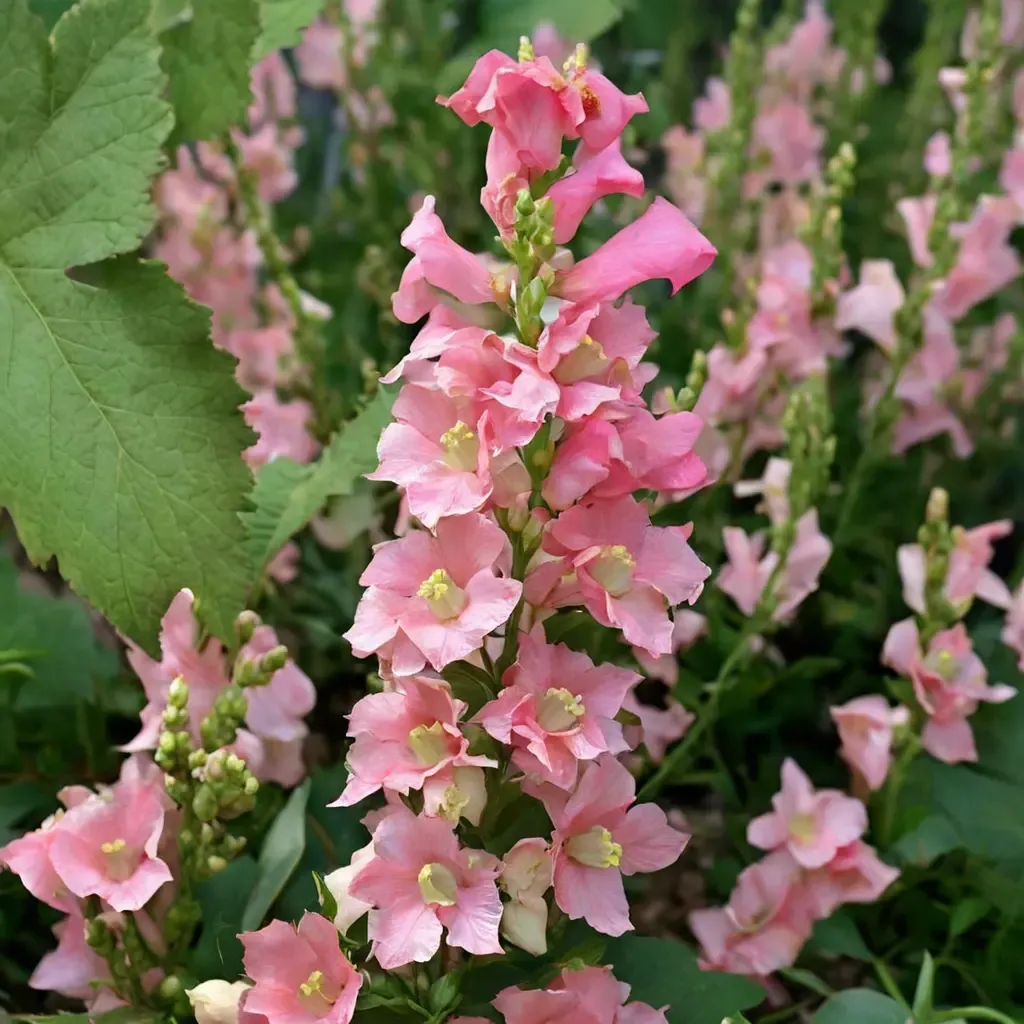
Chantilly Pink Snapdragon
Antirrhinum majus 'Chantilly Pink'
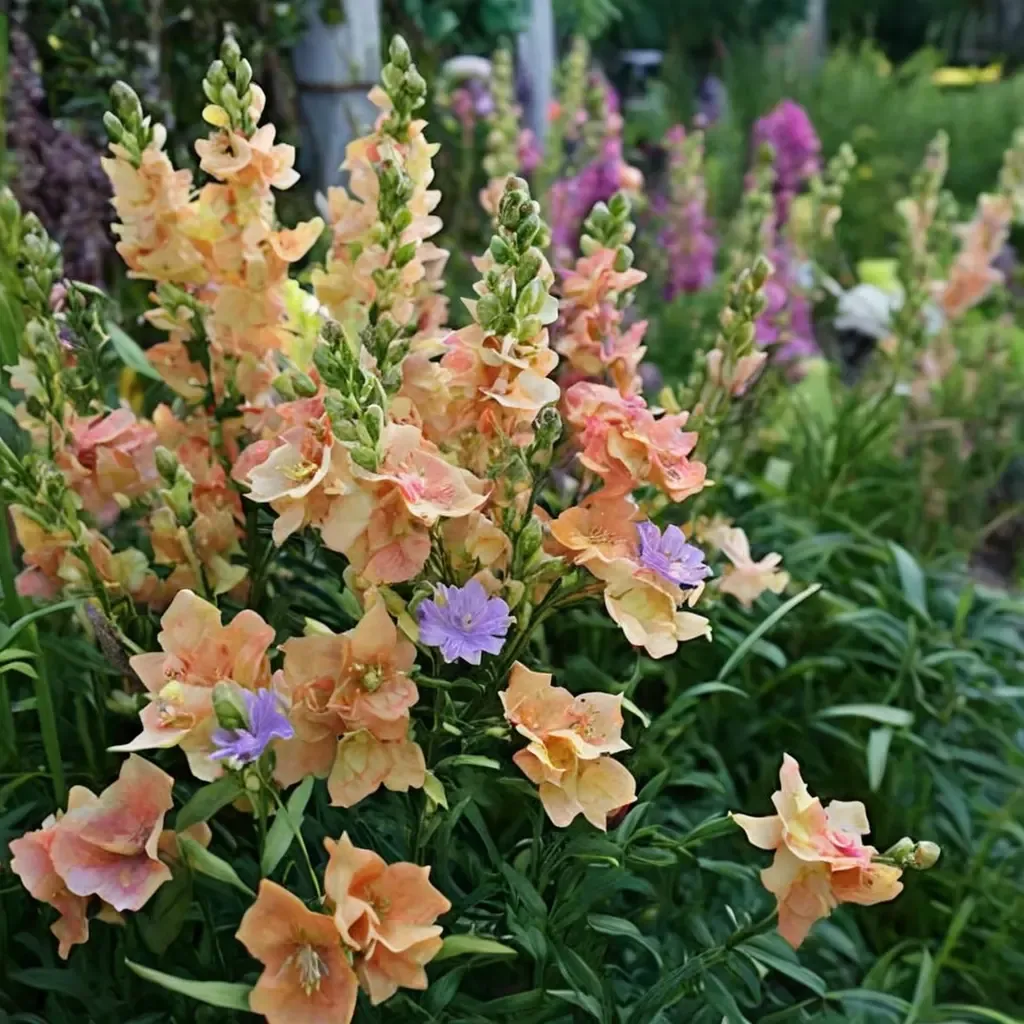
Snapdragon 'Chantilly Peach'
Antirrhinum majus 'Chantilly Peach'
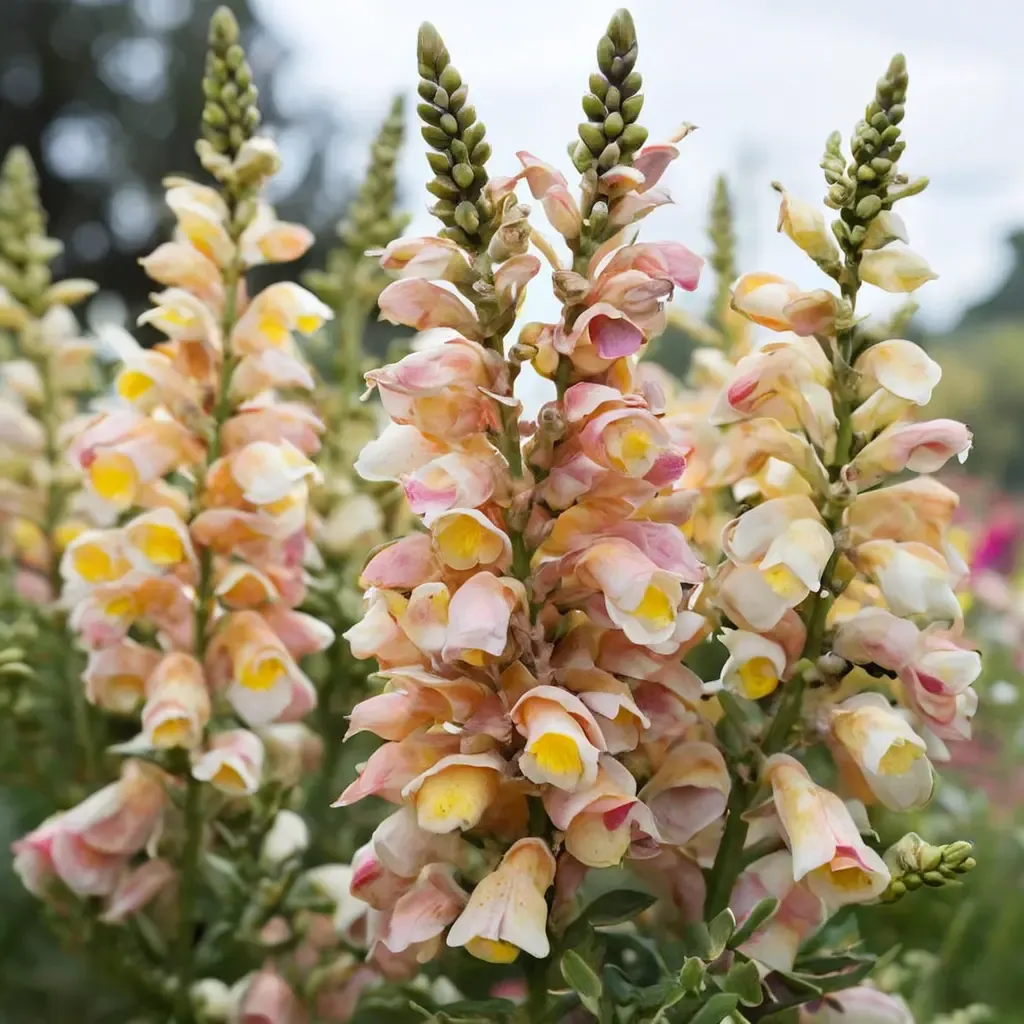
Costa Apricot Snapdragon
Antirrhinum majus 'Costa Apricot'
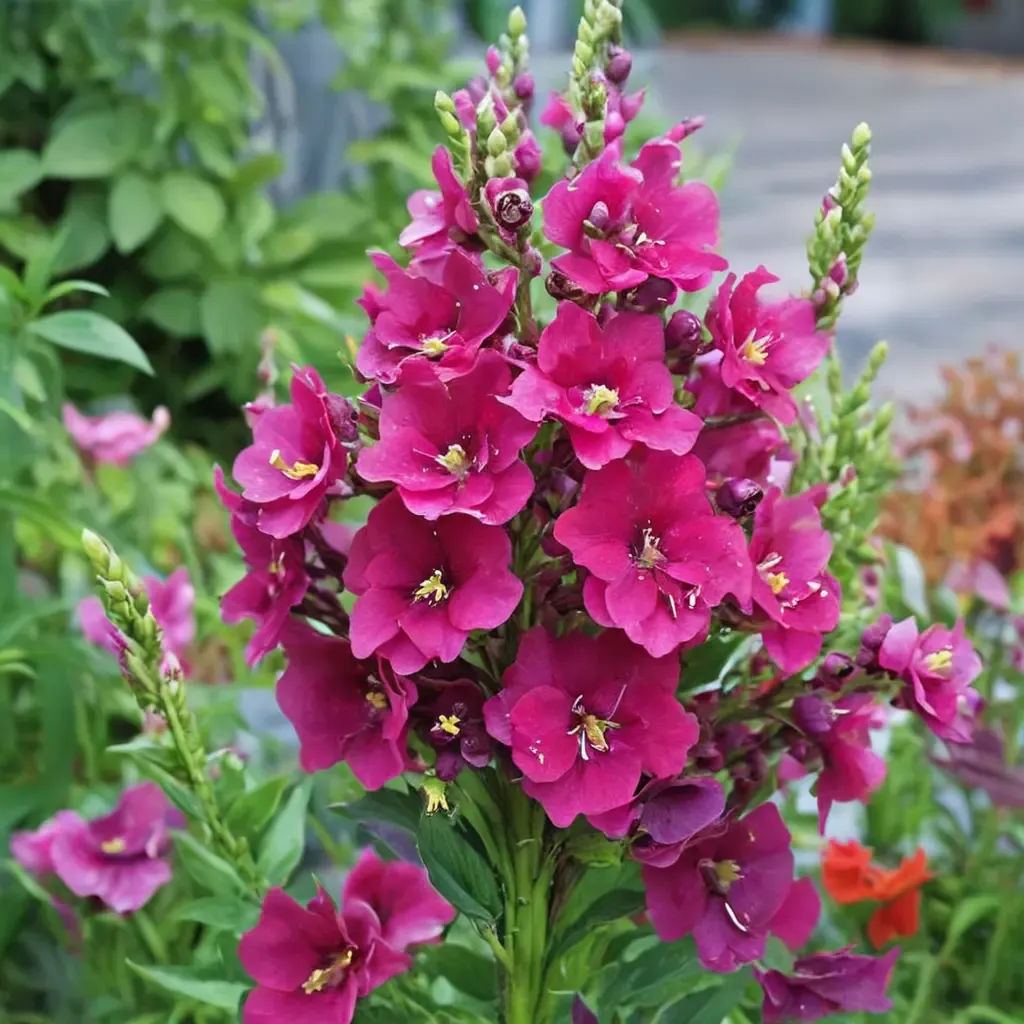
Chantilly Purple Snapdragon
Antirrhinum majus 'Chantilly Purple'
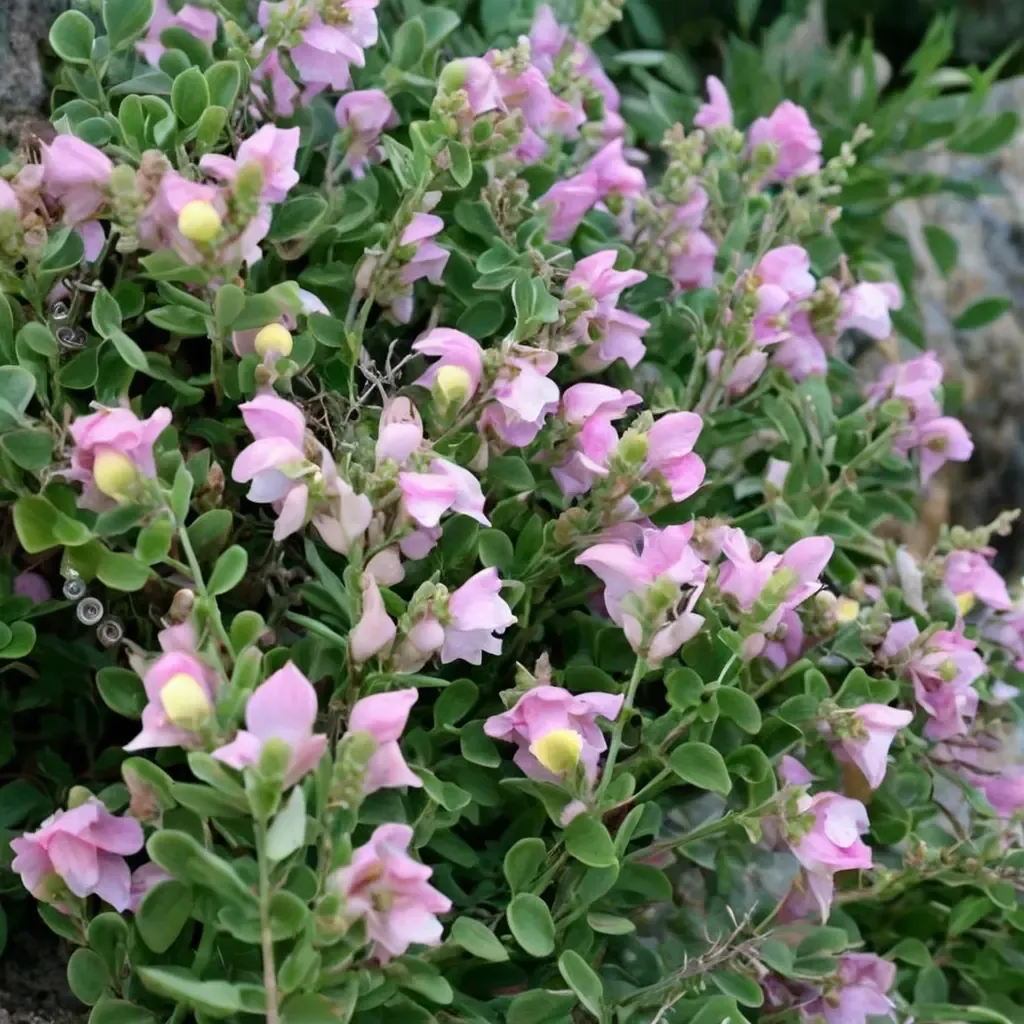
Spanish Snapdragon
Antirrhinum hispanicum
Keep exploring
Explore the genus
Hardy in your zone?
Grow Yellow Snapdragon with confidence
See it in a design of your actual yard, get zone-matched care reminders, and track it season by season in your garden journal.