Garden hybrid
This is a garden hybrid, bred from more than one wild species, so it has no single species page of its own.
2 other cultivars
The Story
Plant Bio
Viburnum is a diverse genus of woody shrubs valued for their opposite leaves, reliable spring inflorescences, and adaptability to varied garden soils. Many species produce flattened or rounded clusters of small flowers that support local insect pollinators before developing ornamental drupes.
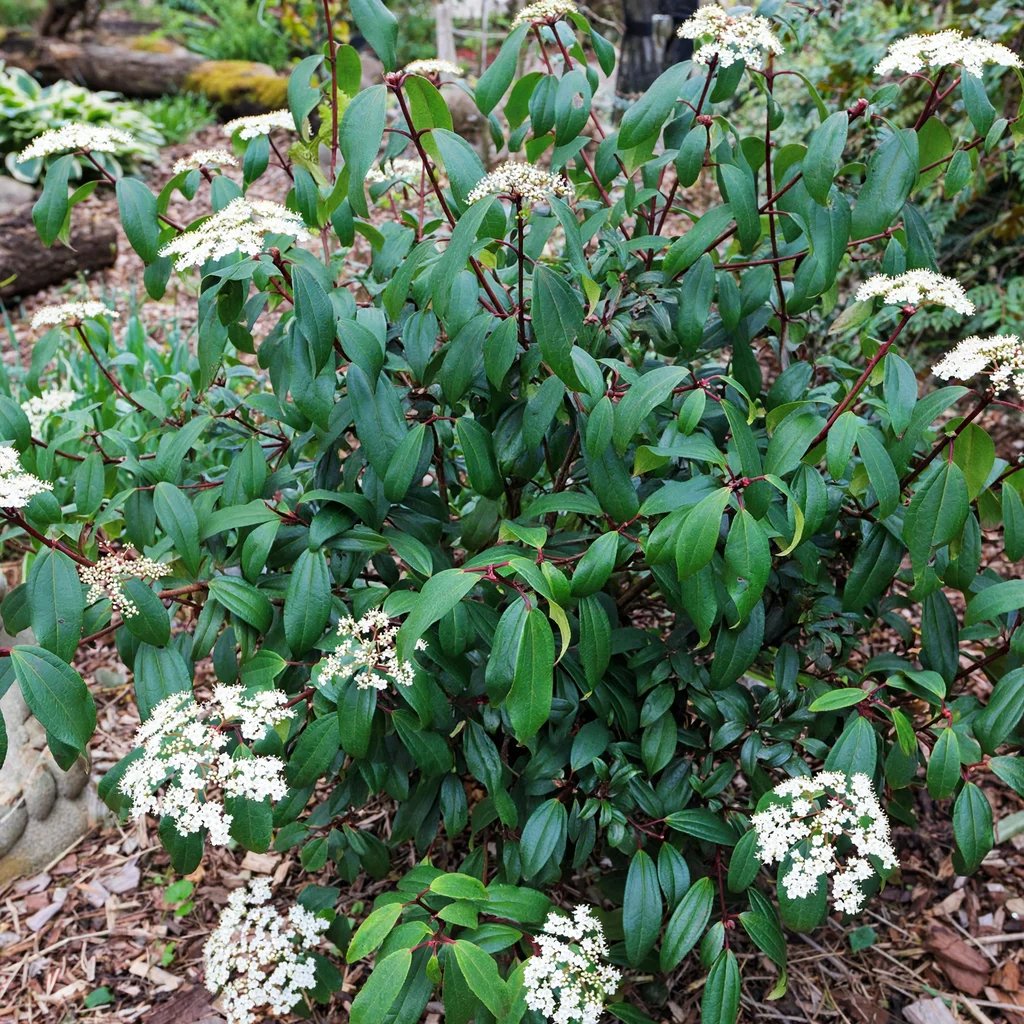
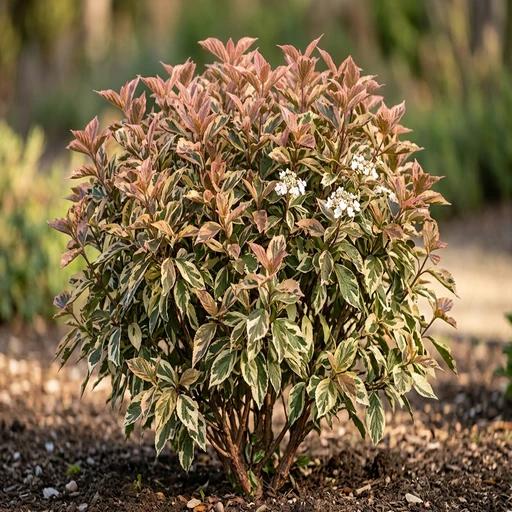
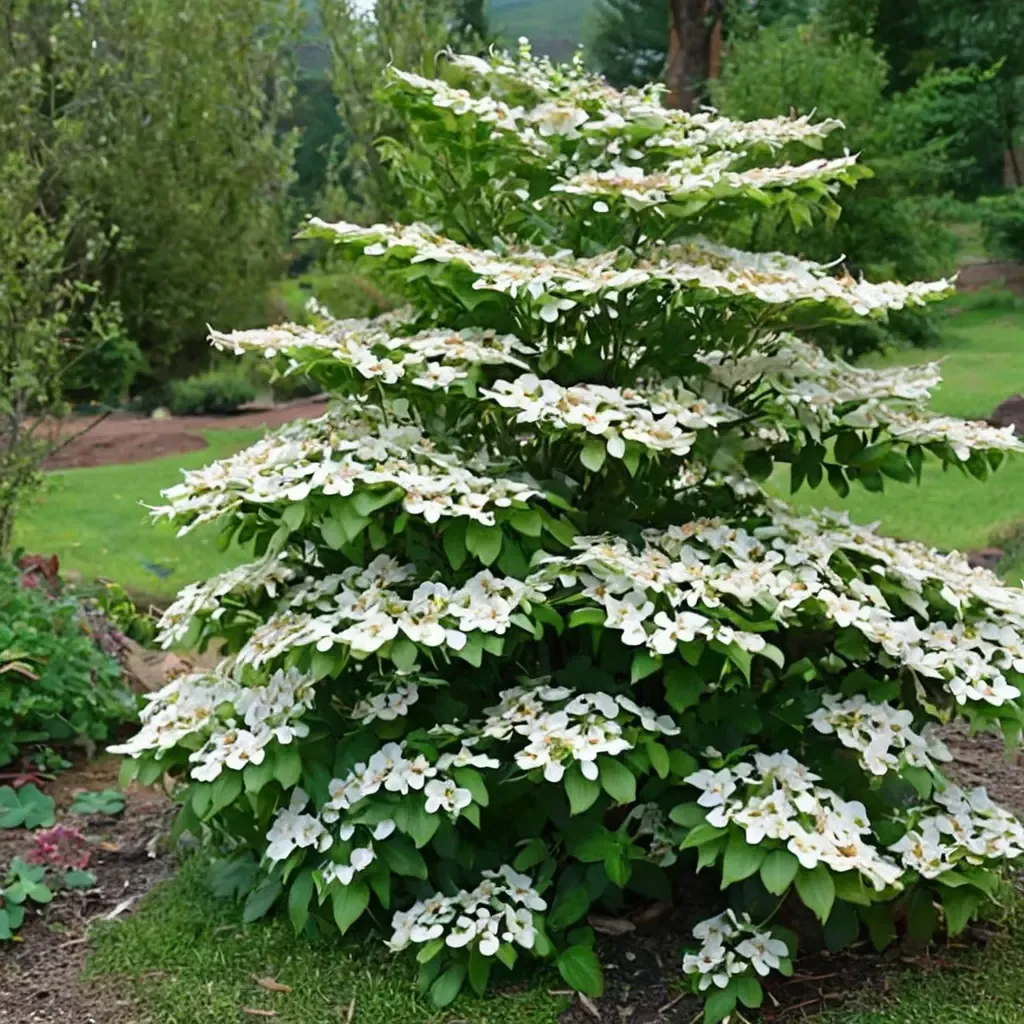
'Moonlit Lace' is a compact, mounded evergreen hybrid of Viburnum davidii and Viburnum tinus selected for its exceptional tolerance to hot, humid summer conditions. The glossy, deep blue-green leaves feature prominent deep veins and red petioles, turning a rich burgundy color during cool fall weather beneath flat, lace-like clusters of white spring flowers.
Uses & Benefits:
Bred from more than one wild species, so it has no species page of its own.
Essentials
At a Glance
Plant Type
Shrub
Height
48"
Width
60"
Light
Full Sun, Partial Sun
Zones
7, 8, 9
Water
Moderate
Humidity
High
Lifespan
Long-lived
Native To
Hybrid origin
Toxicity
Non-toxic
Bloom period
Mid spring – Late spring
In flower about 2 months of the year
Planting
How to Grow
- Select a planting site in full sun to partial shade with rich, well-drained loamy soil.
- Dig a hole twice as wide as the root ball but equal in depth to prevent settling.
- Backfill with native soil, water deeply to settle the roots, and apply a three-inch layer of organic mulch.
- Water regularly during the first growing season to establish a deep, drought-tolerant root system.
Pro Tip
Prune immediately after the spring bloom finishes; cutting back into old, leafless wood prevents new growth from emerging on those stems.
Keep It Thriving
Care Guide
Do
- Water deeply during extended dry spells to maintain foliage turgor.
- Apply a balanced, slow-release fertilizer in early spring to support new growth.
- Deadhead spent flower clusters in early summer to maintain a clean appearance.
Don't
- Do not plant in low-lying areas prone to standing water or waterlogged soil.
- Do not prune hard into old, bare wood as it will not regenerate easily.
- Do not overhead water in humid conditions to minimize the risk of powdery mildew.
Seasonal Care Calendar
| Task | Jan | Feb | Mar | Apr | May | Jun | Jul | Aug | Sep | Oct | Nov | Dec |
|---|---|---|---|---|---|---|---|---|---|---|---|---|
| Fertilize | ||||||||||||
| Mulch | ||||||||||||
| Pest Check | ||||||||||||
| Prune |
Watch Out For
Pests & Diseases
Common Pests
Common Diseases
In the Garden
Landscape Uses & Companions
Landscape Uses
Companion Plants
Multiply
Propagation Methods
Good to Know
Common Questions
Moonlit Lace Viburnum questions
What zones can Moonlit Lace Viburnum grow in?
Moonlit Lace Viburnum is hardy in USDA Zones 7–9. Inside that range it survives winter in the ground; outside it, grow it as an annual or a container plant you protect.
Is Moonlit Lace Viburnum deer resistant?
Yes — Moonlit Lace Viburnum is rated deer-resistant. Deer typically pass it over, though extreme hunger can override any plant's defenses.
When does Moonlit Lace Viburnum bloom?
Moonlit Lace Viburnum typically blooms in mid spring through late spring. Exact timing shifts a week or two with your zone — Sow's bloom calendar maps it to your garden.
Does Moonlit Lace Viburnum need full sun?
Moonlit Lace Viburnum does best in full sun to part shade. In hot climates, afternoon shade keeps blooms fresher longer.
Is Moonlit Lace Viburnum drought tolerant?
Yes — once established (usually after the first full season), Moonlit Lace Viburnum handles dry spells with minimal watering. Water deeply its first year to build the root system that makes that possible.
More Viburnum to compare
Nannyberry
Viburnum lentago
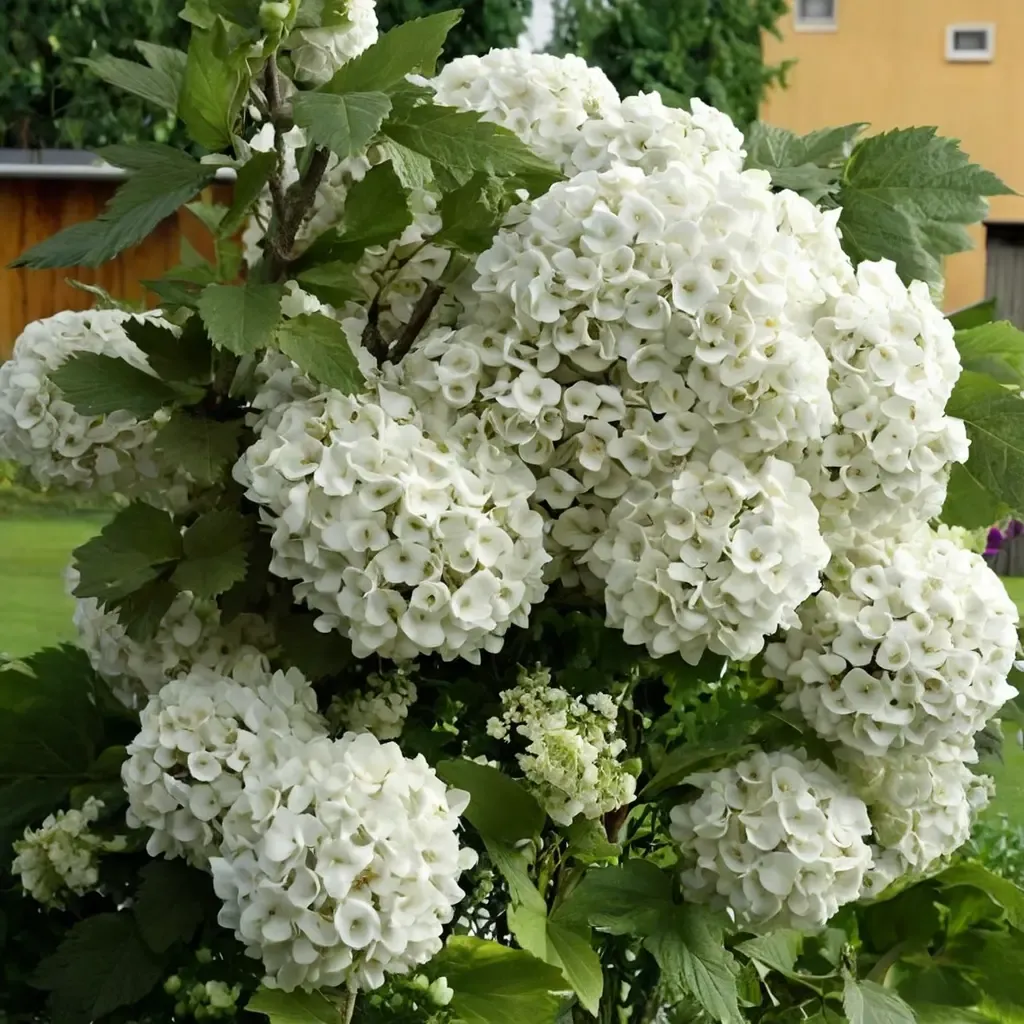
Snowball Viburnum
Viburnum opulus 'Sterile'
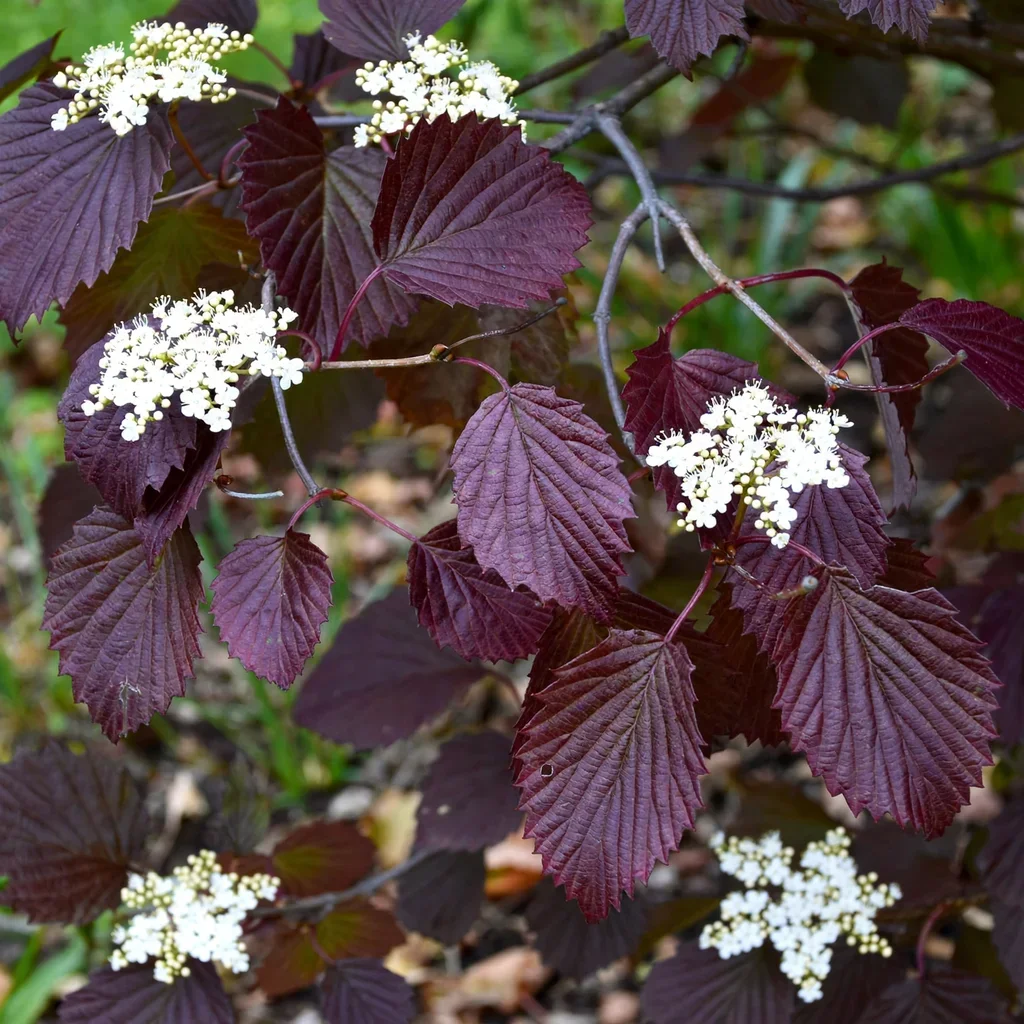
Autumn Jazz Arrowwood
Viburnum dentatum 'Autumn Jazz'
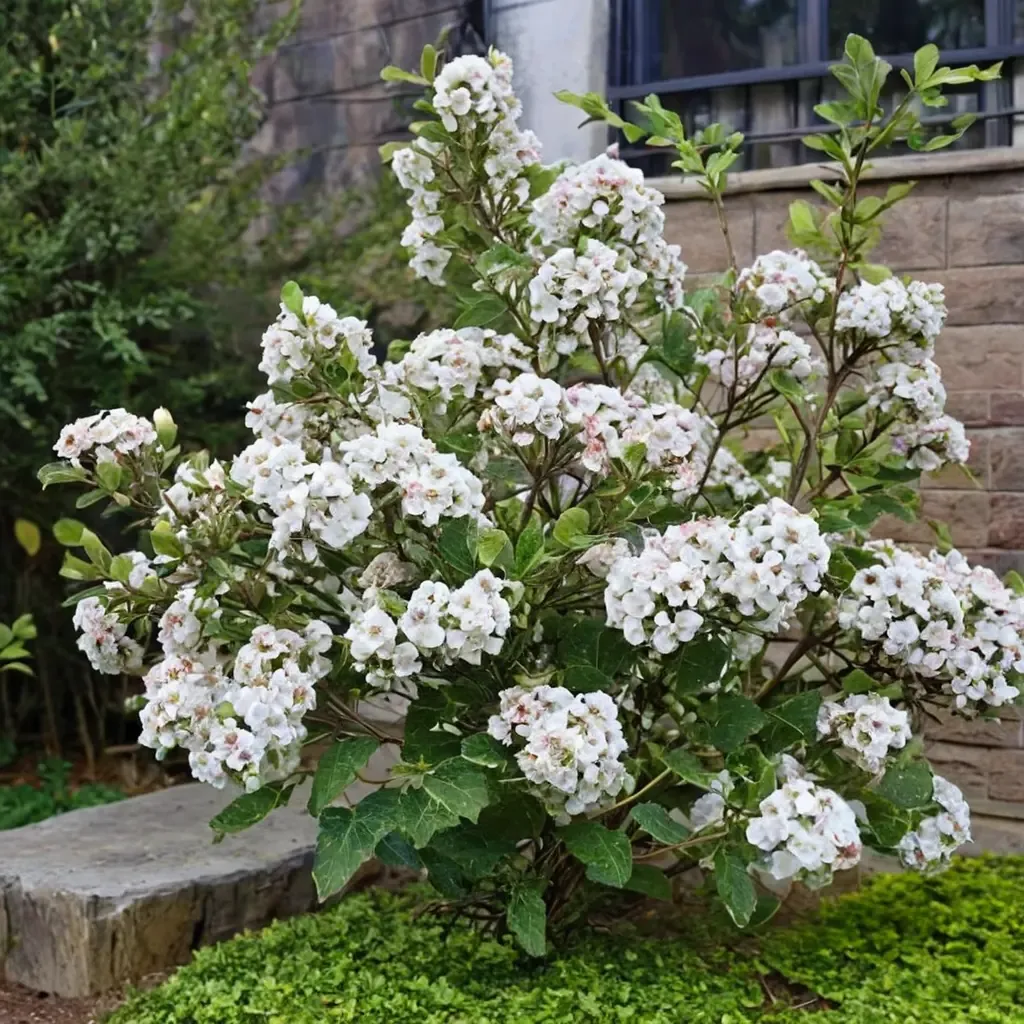
Korean spice viburnum
Viburnum carlesii
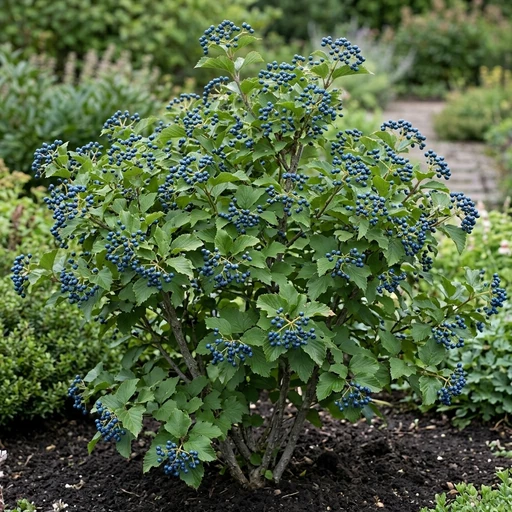
Blue Muffin Viburnum
Viburnum dentatum 'Christom'
Mariesii Japanese Snowball
Viburnum plicatum 'Mariesii'
Keep exploring
Explore the genus
Hardy in your zone?
Grow Moonlit Lace Viburnum with confidence
See it in a design of your actual yard, get zone-matched care reminders, and track it season by season in your garden journal.