The Story
Plant Bio
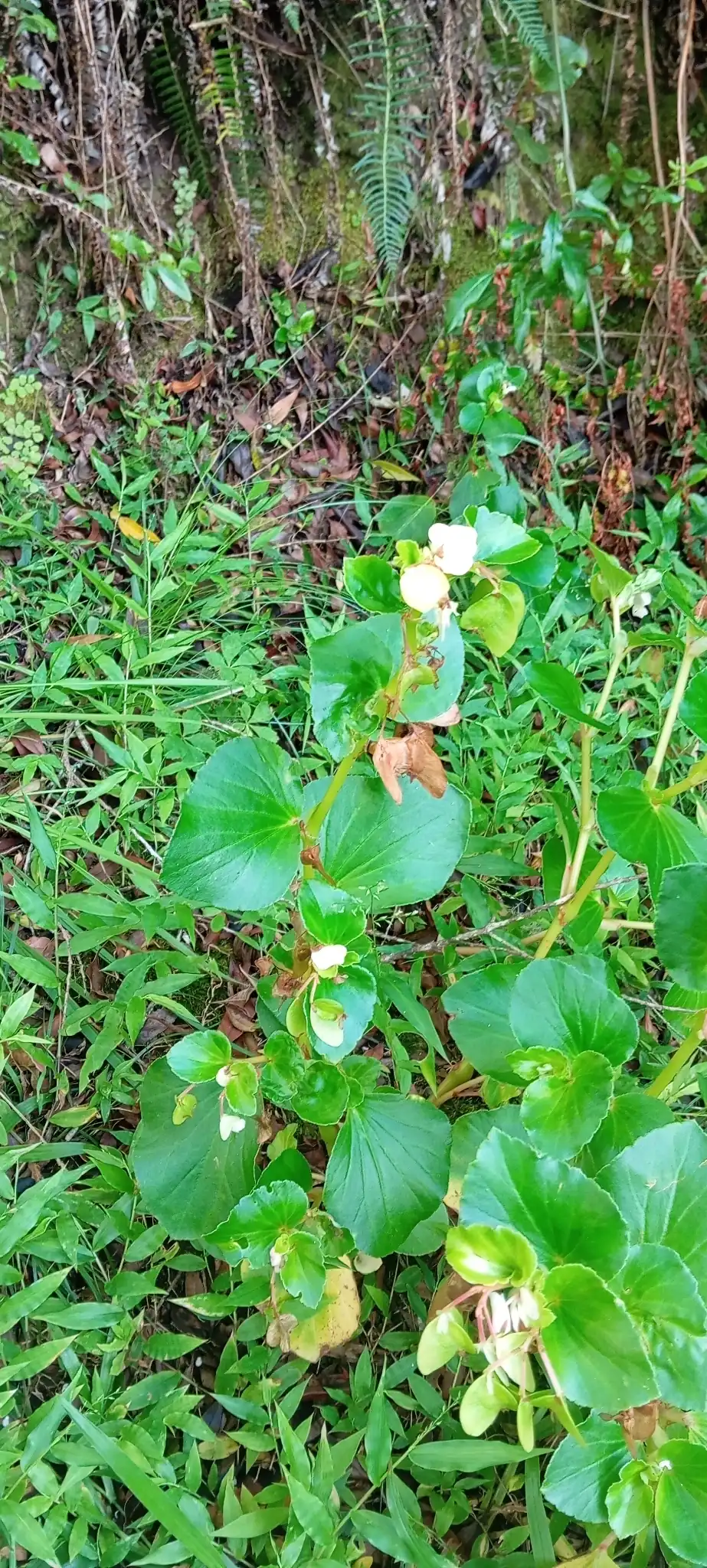
Begonia cucullata is a compact, mounded herbaceous perennial with succulent, fibrous roots and fleshy, glossy, nearly symmetrical ovate leaves. The plant produces axillary cymes of showy pink, red, white, or coral flowers continuously from spring through fall, followed by three-winged seed capsules.
New foliage emerges in shades of pale green to deep bronze depending on the cultivar, providing strong foliage contrast. Though native to South America, it has naturalized in parts of Florida, Georgia, and Hawaii, where it acts as a tender perennial.
Uses & Benefits:
Essentials
At a Glance
Plant Type
Perennial
Height
20"
Width
24"
Light
Full Sun, Partial Sun
Zones
10
Water
Moderate
Humidity
High
Lifespan
Perennial (often grown as an annual)
Native To
South America
Toxicity
Low toxicity (roots contain mildly toxic compounds)
Bloom period
Spring – Fall
In flower about 9 months of the year
Planting
How to Grow
- Select a planting site with moderately organic, humus-rich soil that drains exceptionally well.
- Position the plant so the crown sits slightly elevated above the soil line to prevent water from pooling around the stem base.
- Water thoroughly at planting, and thereafter only when the top half-inch of soil feels dry to the touch.
- Apply a balanced, water-soluble fertilizer diluted to half strength every three to four weeks during the active growing season.
Pro Tip
Keep the plant crown slightly elevated above the surrounding soil level and ensure pristine soil aeration to prevent stem rot, a common failure point in heavy or overwatered soils.
Keep It Thriving
Care Guide
Do
- Pinch back growing tips occasionally to encourage a bushier, more compact habit.
- Regularly remove spent flowers and yellowed leaves to promote continuous blooming.
- Provide partial shade in regions with intense summer heat to prevent leaf scorch.
Don't
- Do not overwater or allow the plant to sit in soggy, poorly drained soil.
- Avoid overhead watering, especially in the evening, to minimize the risk of powdery mildew.
- Do not apply high-nitrogen fertilizers, which stimulate weak, lush foliage at the expense of flowers.
Seasonal Care Calendar
| Task | Jan | Feb | Mar | Apr | May | Jun | Jul | Aug | Sep | Oct | Nov | Dec |
|---|---|---|---|---|---|---|---|---|---|---|---|---|
| Deadhead | ||||||||||||
| Fertilize | ||||||||||||
| Pest Check | ||||||||||||
| Pinch | ||||||||||||
| Propagate |
Watch Out For
Pests & Diseases
Common Pests
Common Diseases
In the Garden
Landscape Uses & Companions
Landscape Uses
Companion Plants
Multiply
Propagation Methods
Good to Know
Common Questions
Wax Begonia questions
What zones can Wax Begonia grow in?
Wax Begonia is hardy in USDA Zone 10. Inside that range it survives winter in the ground; outside it, grow it as an annual or a container plant you protect.
When does Wax Begonia bloom?
Wax Begonia typically blooms in spring through fall. Exact timing shifts a week or two with your zone — Sow's bloom calendar maps it to your garden.
Does Wax Begonia need full sun?
Wax Begonia does best in full sun to part shade. In hot climates, afternoon shade keeps blooms fresher longer.
More Begonia to compare
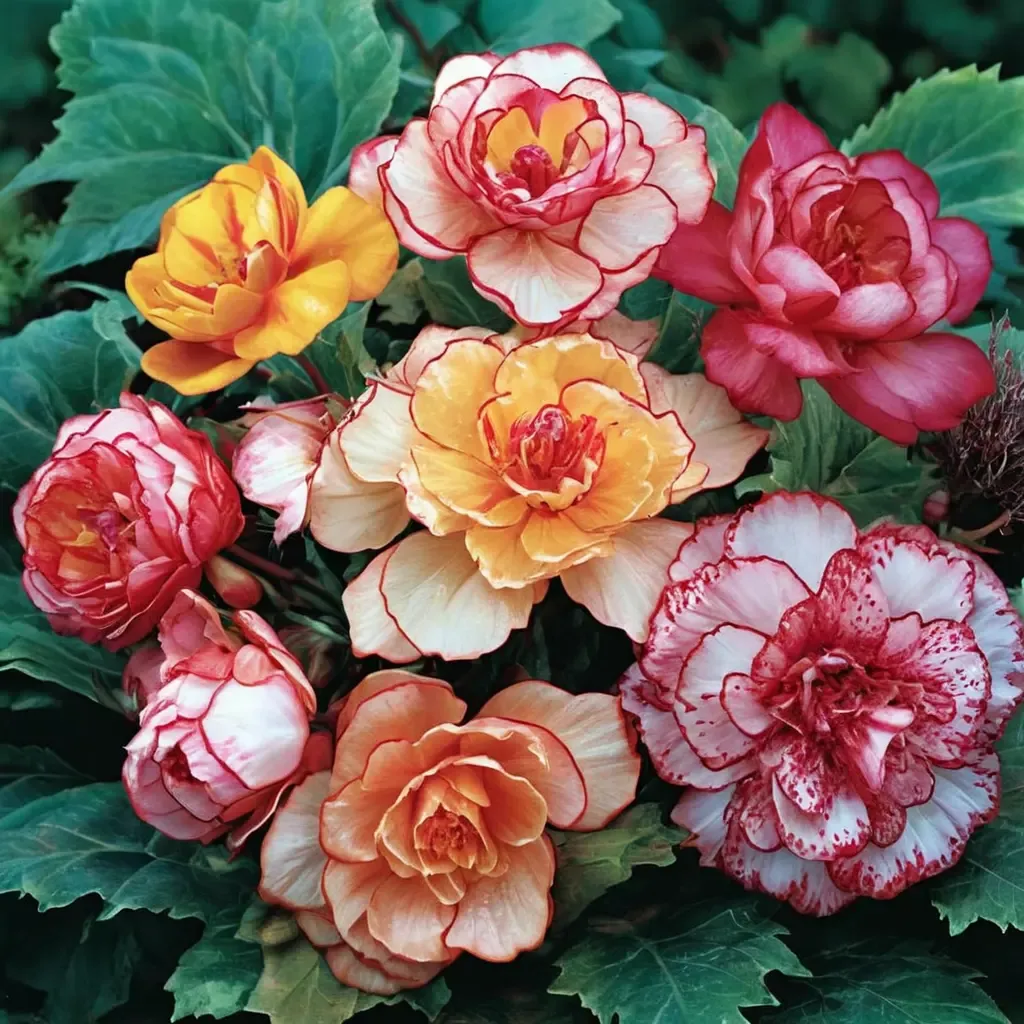
Picotee Tuberous Begonia
Begonia x tuberhybrida 'Picotee Mix'
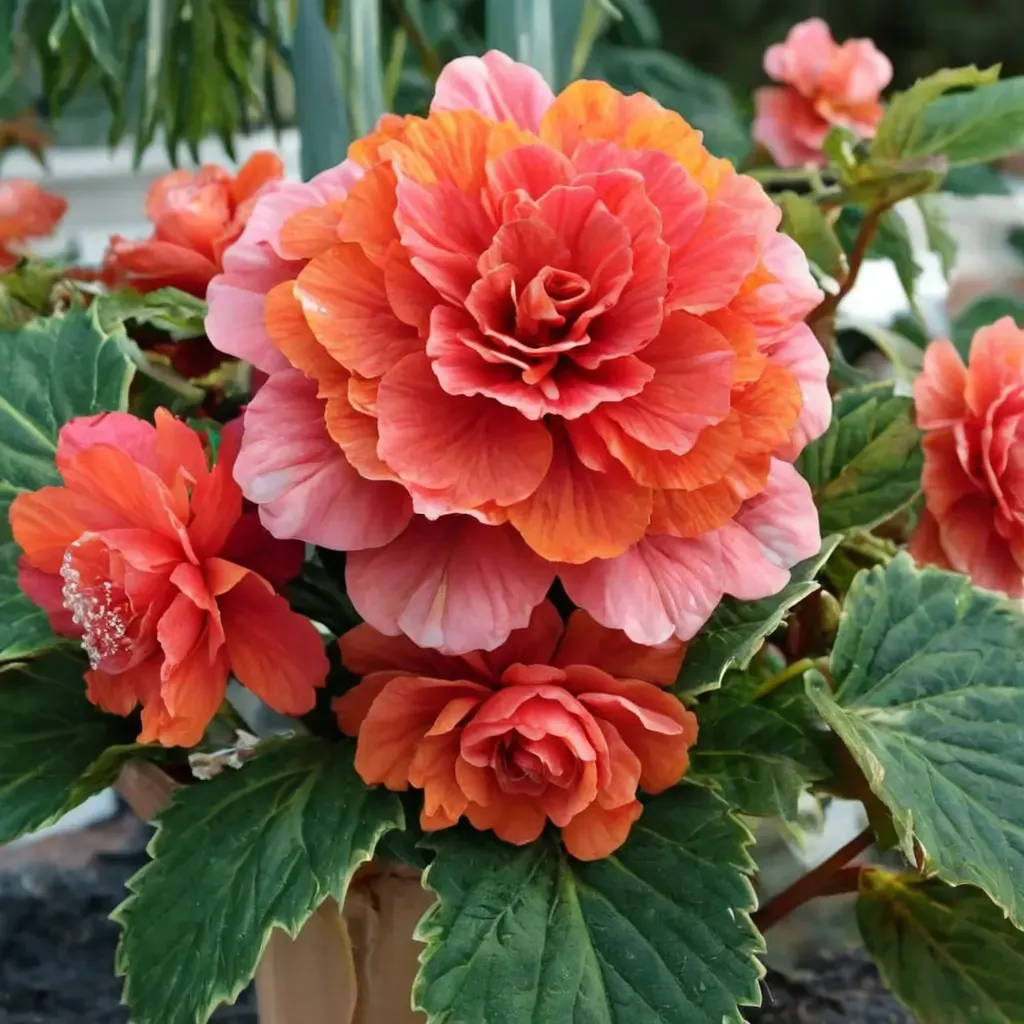
Hardy Begonia
Begonia x tuberhybrida 'Hardy Begonia'
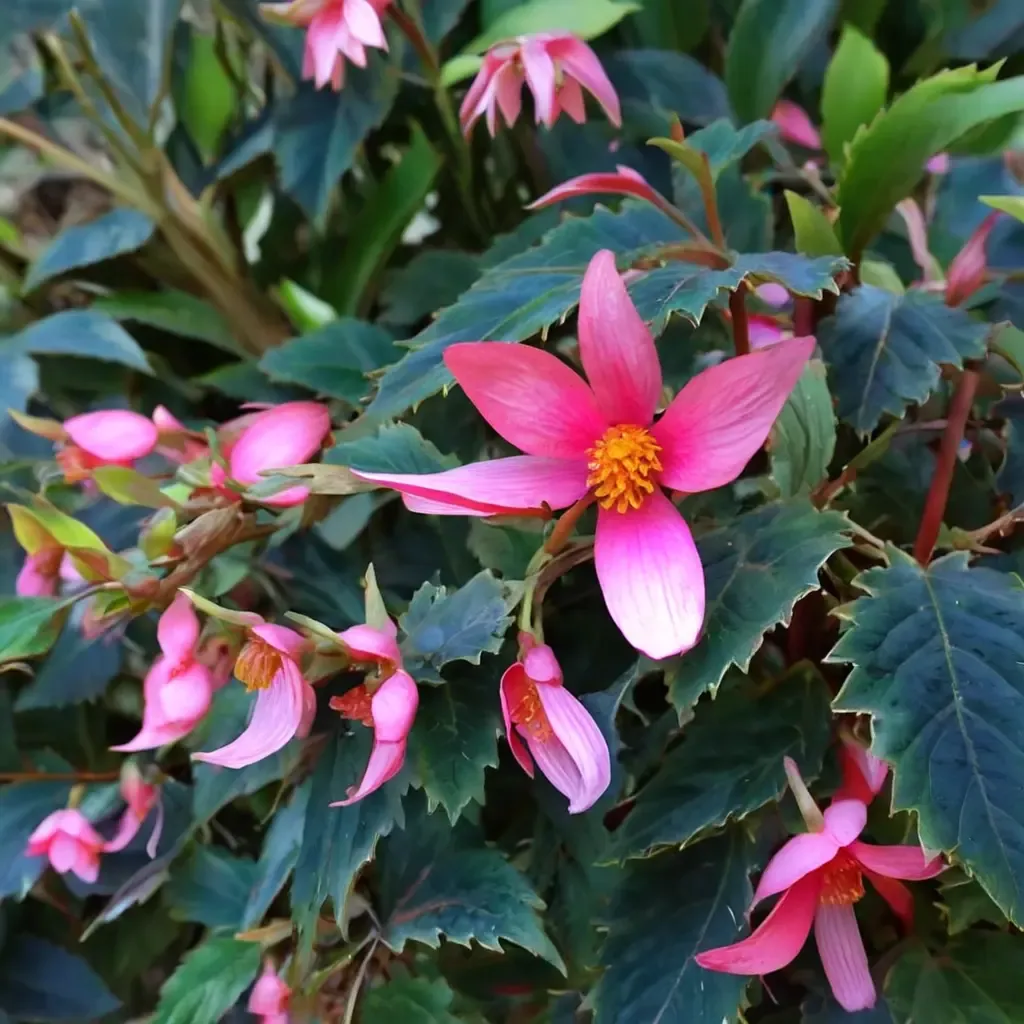
Mistral Pink Begonia
Begonia x hybrida 'Mistral Pink'
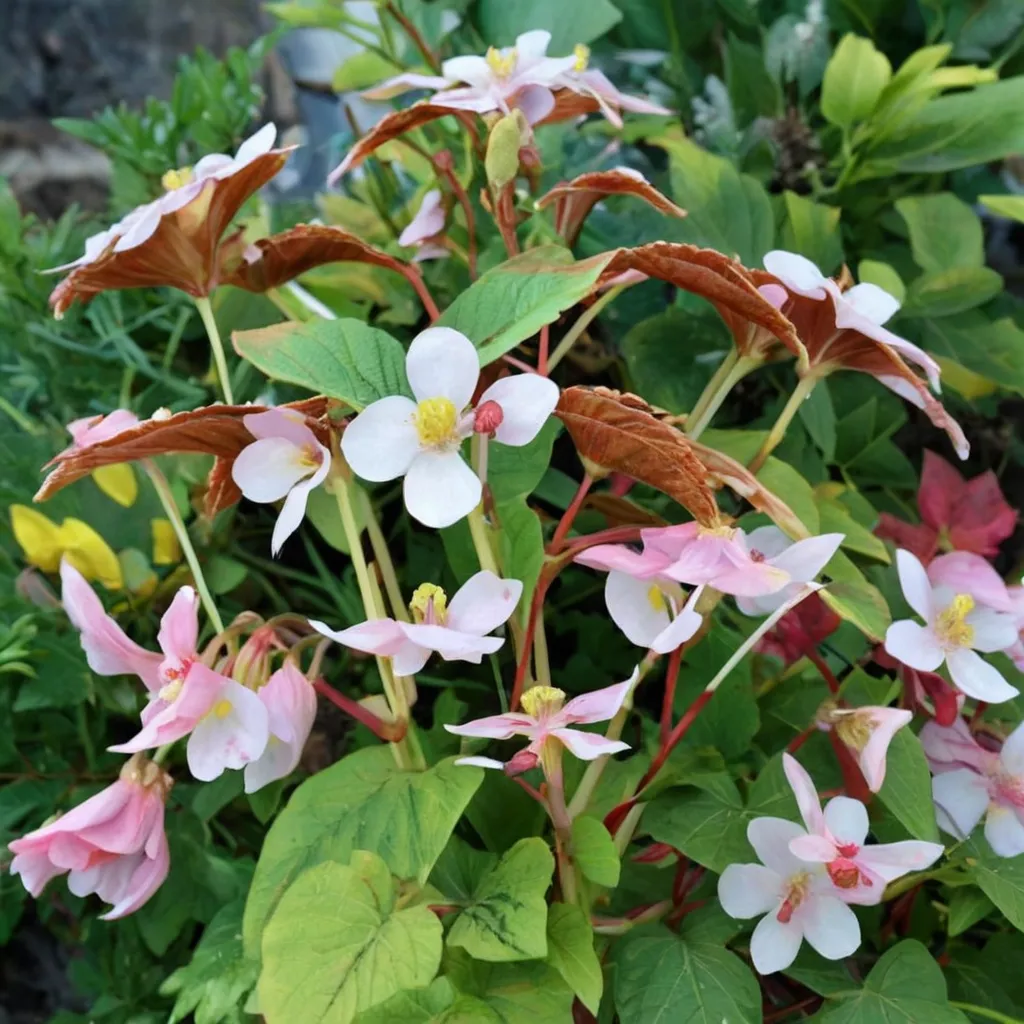
Wildwood Purity Begonia
Begonia grandis 'Wildwood Purity'
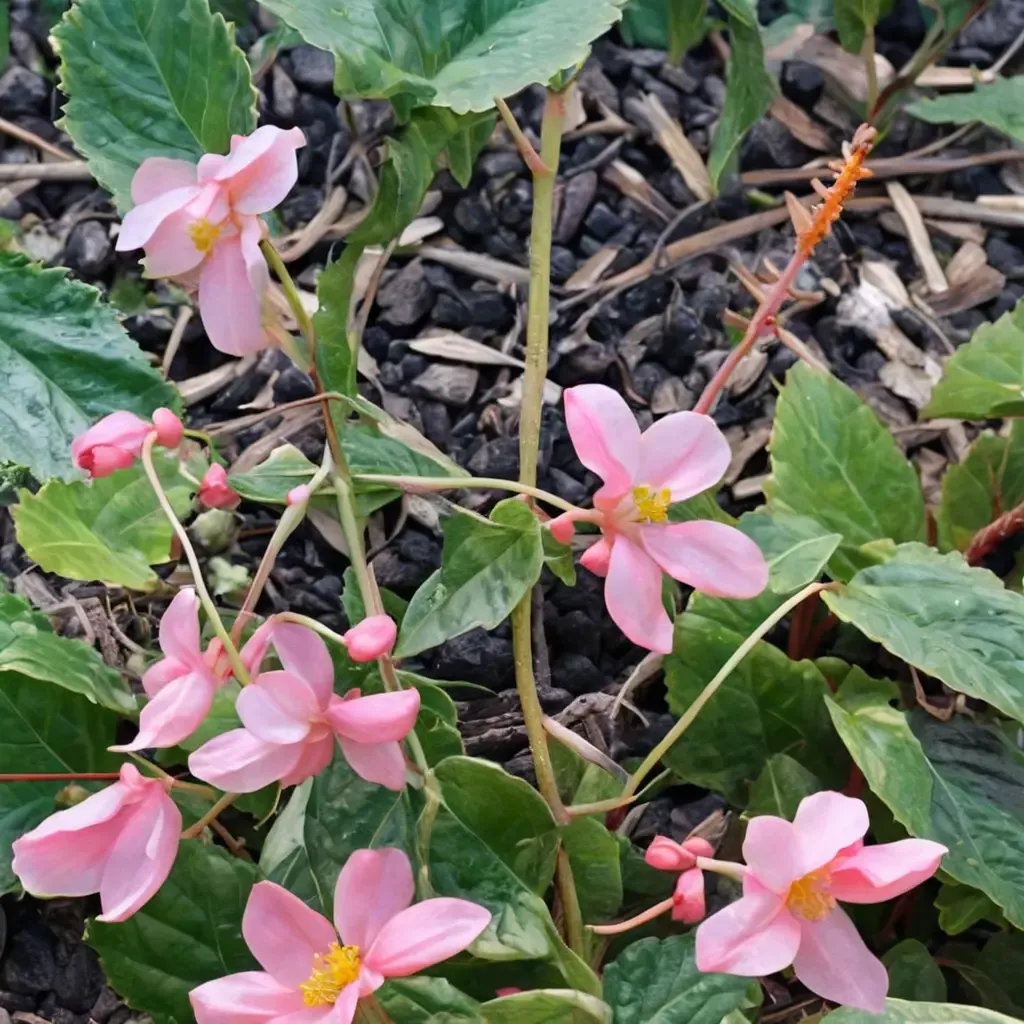
Smooch Begonia
Begonia x tuberhybrida 'Smooch'
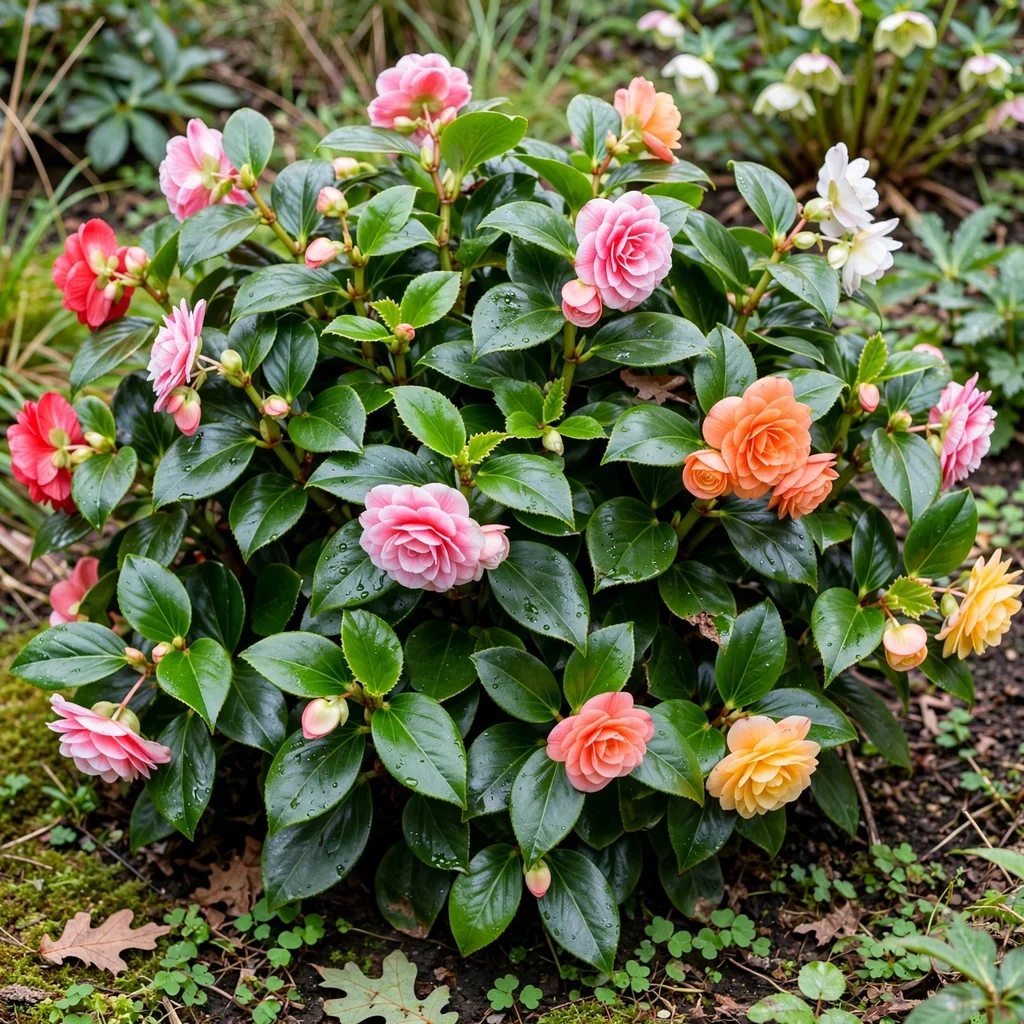
Rieger Begonia
Begonia x hiemalis 'Giant Camellia Mix'
Keep exploring
Explore the genus
Hardy in your zone?
Grow Wax Begonia with confidence
See it in a design of your actual yard, get zone-matched care reminders, and track it season by season in your garden journal.