Also known as Periwinkle · 21 saves
Catharanthus
Catharanthus, the genus most gardeners know as periwinkle. We track 4 varieties; the ones most used by real gardeners.
The 2 most-saved Catharanthus varieties
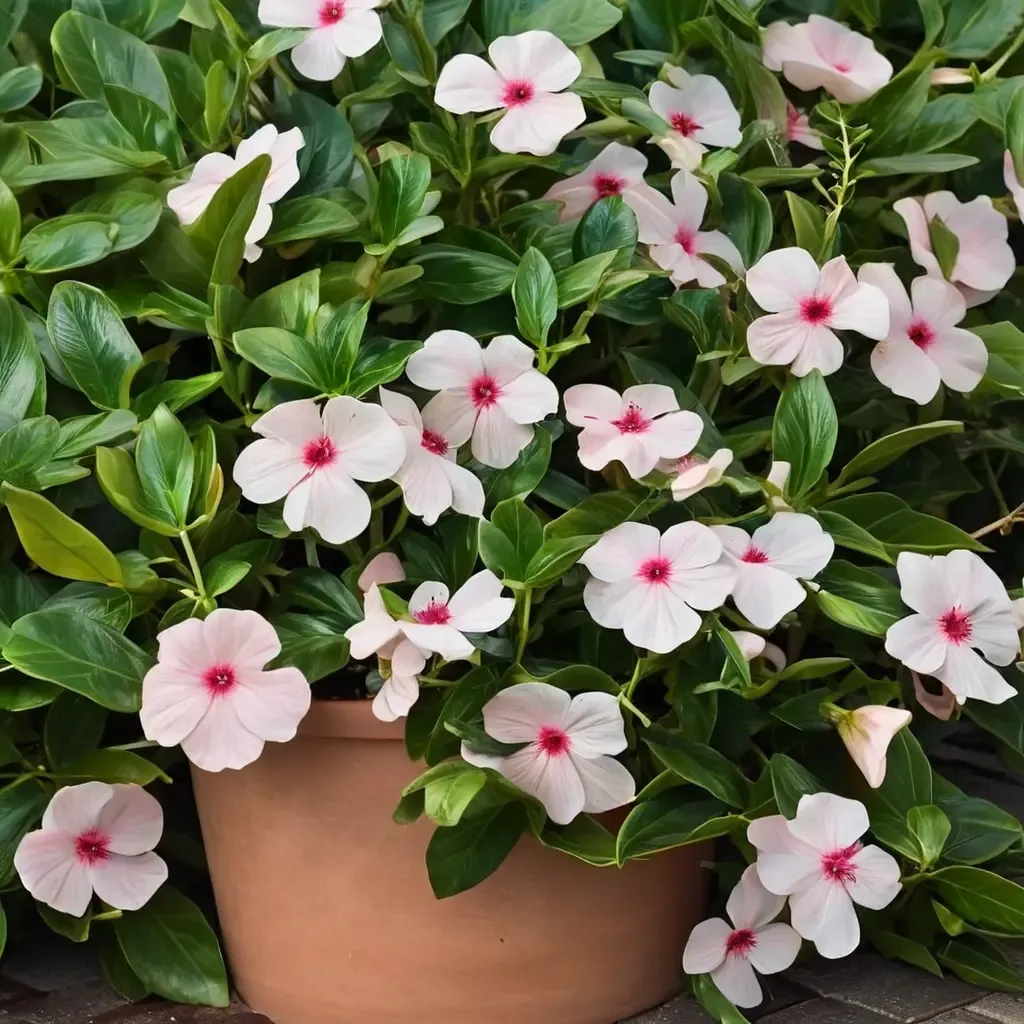
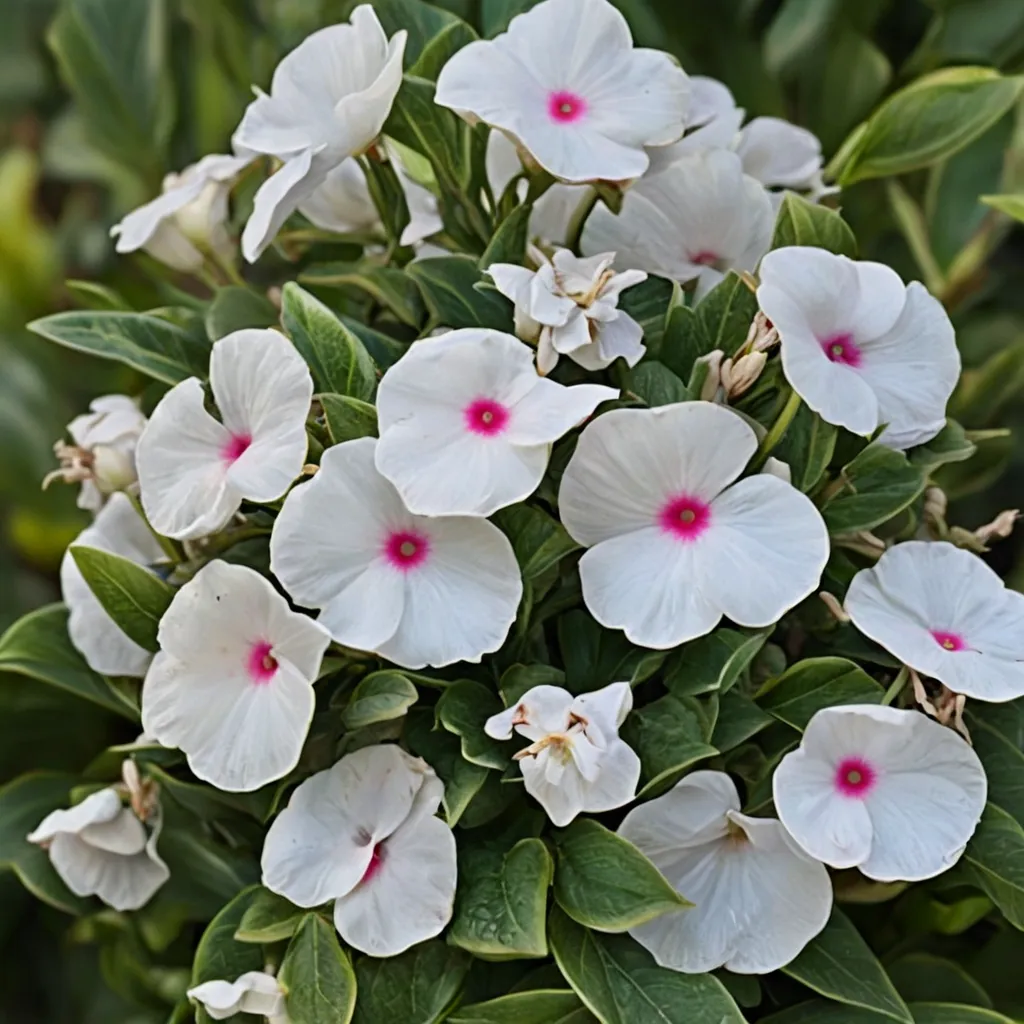
Browse all 4 Catharanthus varieties →
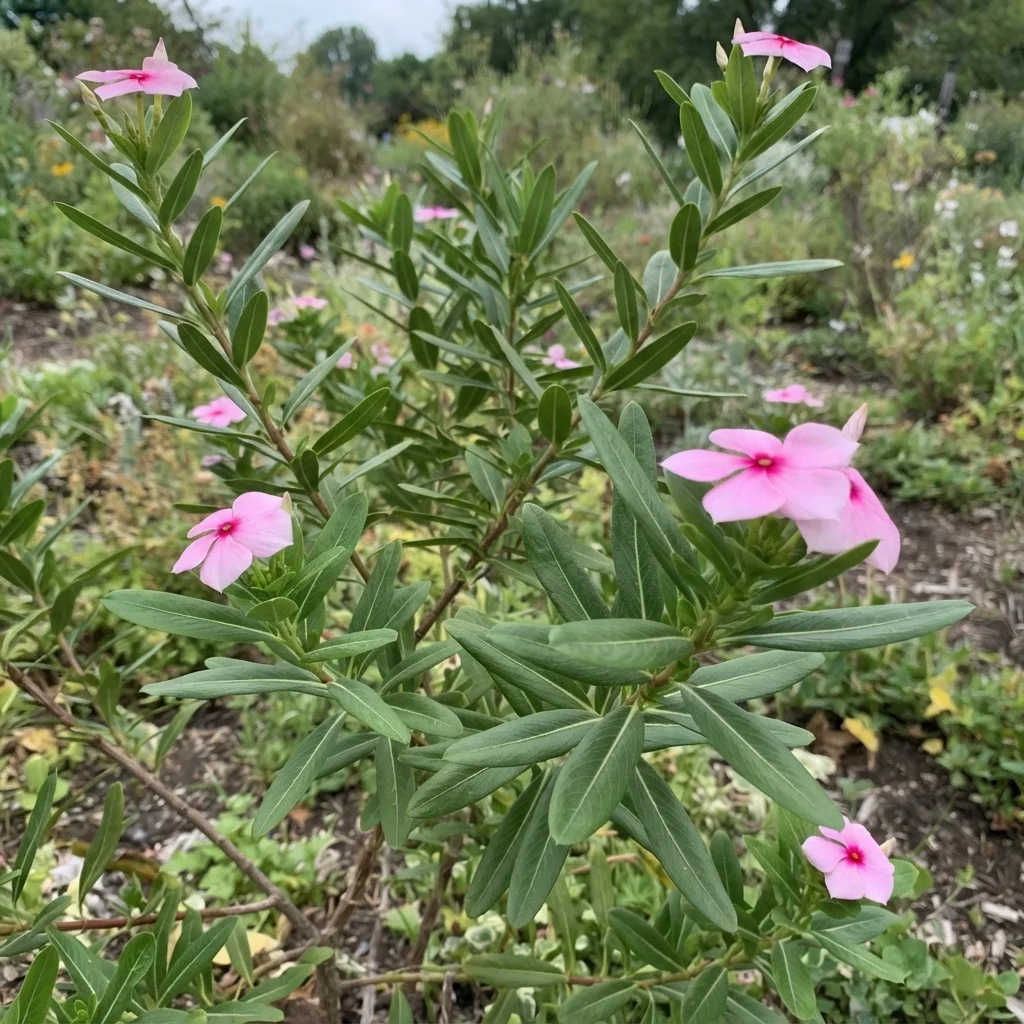
2 species of Catharanthus
Each one is a parent of the varieties above.

Track your Catharanthus in Sow
Save the Catharanthus you grow and get care reminders timed to your zone.
How to grow Catharanthus
Whats common across all Catharanthus varieties in our catalog — drawn from the care records of the 4 most-grown of them.
The Catharanthus year
- FertilizeJune–September75% of varieties
Feed sparingly with a balanced, low-strength liquid fertilizer during active growth.
- Check for PestsJune–August50% of varieties
Inspect foliage for aphids and spider mites during warm, dry summer months.
- PlantMay and June50% of varieties
Plant outdoors after all danger of frost has passed.


Do
- Plant into warm, well-drained soil ☀️
- Water sparingly once established 💧
- Let it self-clean rather than deadheading 🌸
- Keep it out of reach of pets 🐈
- Grow in pots with high-drainage gritty mix to control soil moisture.
Avoid
- Plant out into cold soil ❌
- Overwater it ❌
- Let anyone eat any part of it ❌
- Do not overwater or allow the roots to sit in waterlogged soil.
What goes wrong with Catharanthus
| Problem | What you'll see | What to do |
|---|---|---|
| Aphids | Colonies on the soft shoot tips, with sticky honeydew and distorted growth | Wash off with a jet of water; plants in hot dry positions are rarely troubled for long |
| Spider mites | Fine webbing and yellow stippling on the foliage. | Apply horticultural oil and increase local humidity if grown indoors. |
| Generally pest-free | No significant insect damage is typical | Monitor only; NCSU rates it resistant to deer and rabbits |
| Powdery mildew | White, powdery fungal patches on leaf surfaces. | Ensure good air circulation and avoid overhead watering. |
| Root rot | Sudden wilting, yellowing leaves, and blackening at the base of the stem. | Improve soil drainage immediately, reduce watering, and discard severely infected plants. |
| Phytophthora root rot | Sudden wilting and collapse of otherwise healthy plants, often within days, in cool wet soil | Plant only into warm, freely drained soil and water sparingly; there is no cure once plants collapse |
Making more Catharanthus
Seed
- Sow indoors ten to twelve weeks before the last frost.
- Cover the seed and keep it warm and dark to germinate.
- Plant out only once the soil is thoroughly warm.
Stem cuttings
- Take cuttings from active, non-woody growth in spring or summer.
- Dip the cut end in rooting hormone if desired.
- Insert into a gritty, well-draining propagation mix.
- Keep warm and lightly moist until roots establish.
Catharanthus questions
How many types of Catharanthus are there?
The Sow catalog tracks 4 distinct Catharanthus varieties. The most popular — ranked by 21 real gardeners — are shown first above.
What zones does Catharanthus grow in?
Across its varieties, Catharanthus covers USDA Zones 7–10. Individual varieties differ — each plant page lists its exact range, and Sow filters the catalog to your zone automatically.
When does Catharanthus bloom?
Most Catharanthus varieties bloom in mid-summer, summer to frost. Staggering early, mid, and late varieties extends the genus's season in one bed.
Which Catharanthus should I choose?
Start from the most-saved varieties above — popularity across thousands of gardens is a strong signal of reliability — then filter by your zone and sun. In the Sow app you can preview any of them in a photo of your actual yard before you buy.