The Story
Plant Bio
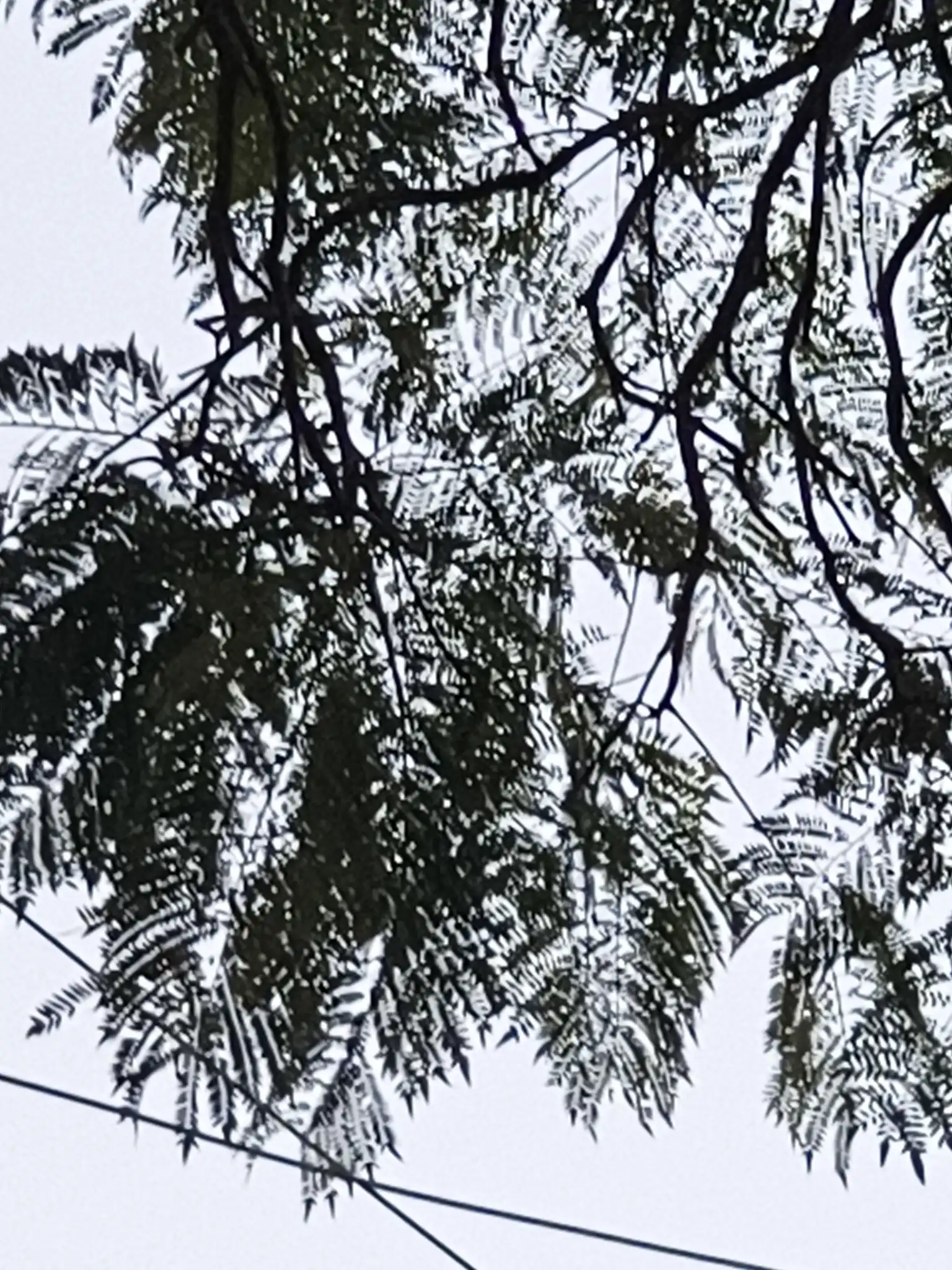
Jacaranda mimosifolia is a deciduous to semi-evergreen tree reaching twenty-five to fifty feet tall, developing an open, rounded canopy of weeping outer branches. The large, bipinnate compound leaves measure up to eighteen inches long and feature hundreds of tiny leaflets that create a delicate, fern-like texture.
The species is highly valued for its dramatic spring display of tubular, violet-blue flowers borne in upright terminal panicles up to twelve inches long. These blossoms emerge on bare branches or alongside the first bright green spring growth, followed by flat, circular woody seed pods.
Uses & Benefits:
Essentials
At a Glance
Plant Type
Tree
Height
600"
Width
480"
Light
Full Sun
Zones
9, 10
Water
Low to Moderate
Humidity
High
Lifespan
Long-lived
Native To
South America
Toxicity
Non-toxic
Bloom period
Spring – Early summer
In flower about 4 months of the year
Marketplace
Where to Buy
Shipping costs Year-round shipping Free shipping
Planting
How to Grow
- Select a planting site in full sun with deep, sandy, or loamy soil that drains rapidly.
- Dig a hole twice as wide as the root ball but no deeper, ensuring the root flare sits level with or slightly above the surrounding soil.
- Water deeply and regularly during the first two growing seasons to establish a deep, drought-tolerant root system.
- Train young trees to a single central leader by removing competing upright stems, leaving the lateral branches to form the canopy.
Pro Tip
Avoid planting directly adjacent to pools, walkways, or driveways; the heavy seasonal drop of sticky spent flowers and large woody pods creates a significant slip hazard and clogs drainage systems.
Keep It Thriving
Care Guide
Do
- Prune young trees early to establish a strong central trunk.
- Clear fallen leaves and spent flowers promptly to prevent mold accumulation on underlying turf or hardscapes.
- Protect young trees from frost using burlap wraps if temperatures threaten to drop below freezing.
Don't
- Do not prune heavily into old, leafless wood, which triggers weak, unsightly epicormic water sprouts.
- Do not plant in heavy, waterlogged clay or poorly drained depressions where root rot can develop.
- Do not over-fertilize mature trees, as excess nitrogen reduces flowering and encourages weak vegetative growth.
Seasonal Care Calendar
| Task | Jan | Feb | Mar | Apr | May | Jun | Jul | Aug | Sep | Oct | Nov | Dec |
|---|---|---|---|---|---|---|---|---|---|---|---|---|
| Fertilize | ||||||||||||
| Pest Check | ||||||||||||
| Prune | ||||||||||||
| Winter Prep |
Watch Out For
Pests & Diseases
Common Pests
Common Diseases
In the Garden
Landscape Uses & Companions
Landscape Uses
Multiply
Propagation Methods
Good to Know
Common Questions
Jacaranda questions
What zones can Jacaranda grow in?
Jacaranda is hardy in USDA Zones 9–10. Inside that range it survives winter in the ground; outside it, grow it as an annual or a container plant you protect.
When does Jacaranda bloom?
Jacaranda typically blooms in spring through early summer. Exact timing shifts a week or two with your zone — Sow's bloom calendar maps it to your garden.
Does Jacaranda need full sun?
Jacaranda does best in full sun (6+ hours).
Is Jacaranda drought tolerant?
Yes — once established (usually after the first full season), Jacaranda handles dry spells with minimal watering. Water deeply its first year to build the root system that makes that possible.
Keep exploring
Explore the genus
Hardy in your zone?
Grow Jacaranda with confidence
See it in a design of your actual yard, get zone-matched care reminders, and track it season by season in your garden journal.