The Story
Plant Bio
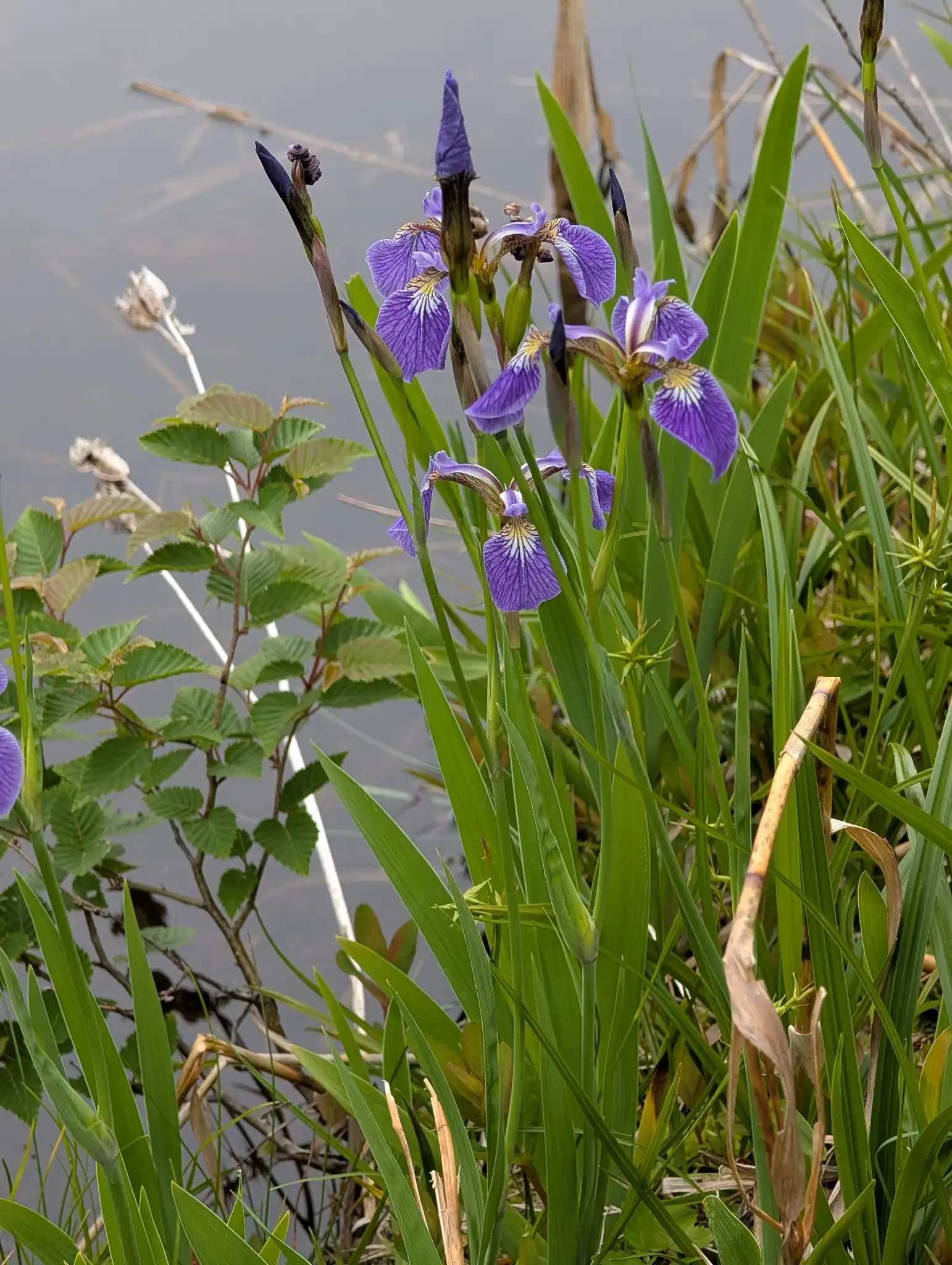
Iris setosa is an upright, clump-forming geophyte native to cold coastal meadows, bogs, and northern shorelines across North America and Asia. The plant produces fan-like arrangements of green, strap-shaped foliage that reach 12 to 35 inches in height beneath terminal clusters of purple blooms.
Unlike standard irises, this species features severely reduced, bristle-like inner standards paired with large, spreading falls marked with darker veins and yellow-white base crests. It is exceptionally cold-hardy and thrives in consistently saturated soils where other garden irises rot.
Uses & Benefits:
Essentials
At a Glance
Plant Type
Perennial
Height
35"
Width
24"
Light
Full Sun, Partial Sun
Zones
4, 5, 6, 7
Water
High
Humidity
High
Lifespan
Perennial
Native To
North America, Asia
Toxicity
Mildly toxic if ingested; sap causes skin irritation.
Bloom period
Early summer – Mid summer
In flower about 2 months of the year
Planting
How to Grow
- Select a full sun to partial shade location with humus-rich, moisture-retentive soil.
- Plant rhizomes just below the soil surface, spacing clumps 12 to 24 inches apart.
- Keep the planting bed consistently moist or wet, never allowing the soil to dry out during summer growth.
- Apply a light top-dressing of organic fertilizer each spring as new growth emerges.
Pro Tip
Plant rhizomes slightly below the soil surface rather than leaving them exposed, maintaining continuous moisture throughout the growing season.
Keep It Thriving
Care Guide
Do
- Do plant rhizomes shallowly covered with soil.
- Do maintain continuous soil moisture throughout summer.
Don't
- Don't let the soil dry out completely during warm months.
- Don't leave rhizomes exposed above ground like bearded irises.
Seasonal Care Calendar
| Task | Jan | Feb | Mar | Apr | May | Jun | Jul | Aug | Sep | Oct | Nov | Dec |
|---|---|---|---|---|---|---|---|---|---|---|---|---|
| Divide | ||||||||||||
| Fertilize | ||||||||||||
| Pest Check | ||||||||||||
| Spring Cleanup | ||||||||||||
| Winter Prep |
Watch Out For
Pests & Diseases
Common Pests
Common Diseases
In the Garden
Landscape Uses & Companions
Landscape Uses
Multiply
Propagation Methods
Good to Know
Common Questions
Bristle-pointed iris questions
What zones can Bristle-pointed iris grow in?
Bristle-pointed iris is hardy in USDA Zones 4–7. Inside that range it survives winter in the ground; outside it, grow it as an annual or a container plant you protect.
Is Bristle-pointed iris deer resistant?
Not reliably. Deer may browse Bristle-pointed iris, especially tender spring growth — plan on repellents or fencing where pressure is high.
When does Bristle-pointed iris bloom?
Bristle-pointed iris typically blooms in early summer through mid summer. Exact timing shifts a week or two with your zone — Sow's bloom calendar maps it to your garden.
Does Bristle-pointed iris need full sun?
Bristle-pointed iris does best in full sun to part shade. In hot climates, afternoon shade keeps blooms fresher longer.
More Iris to compare
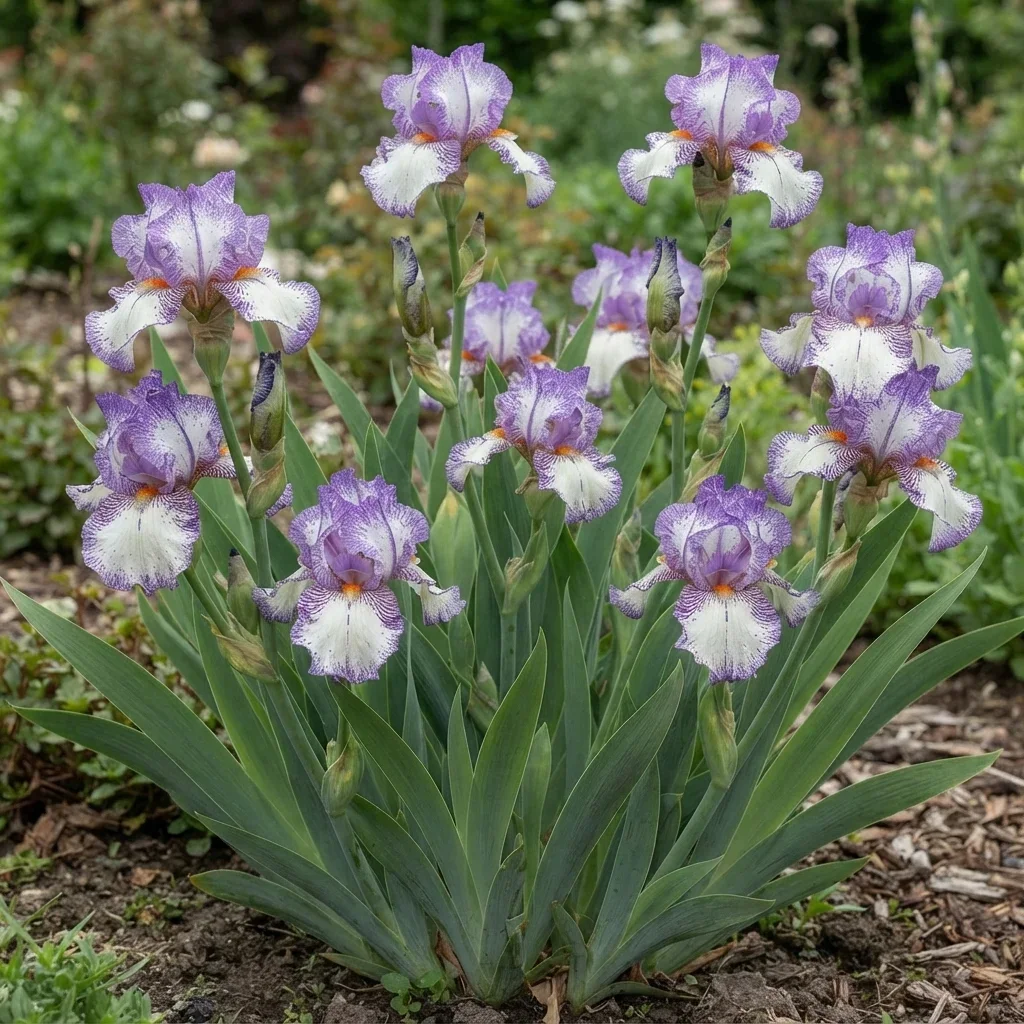
German Iris Bearded Iris
Iris x germanica 'Mix'
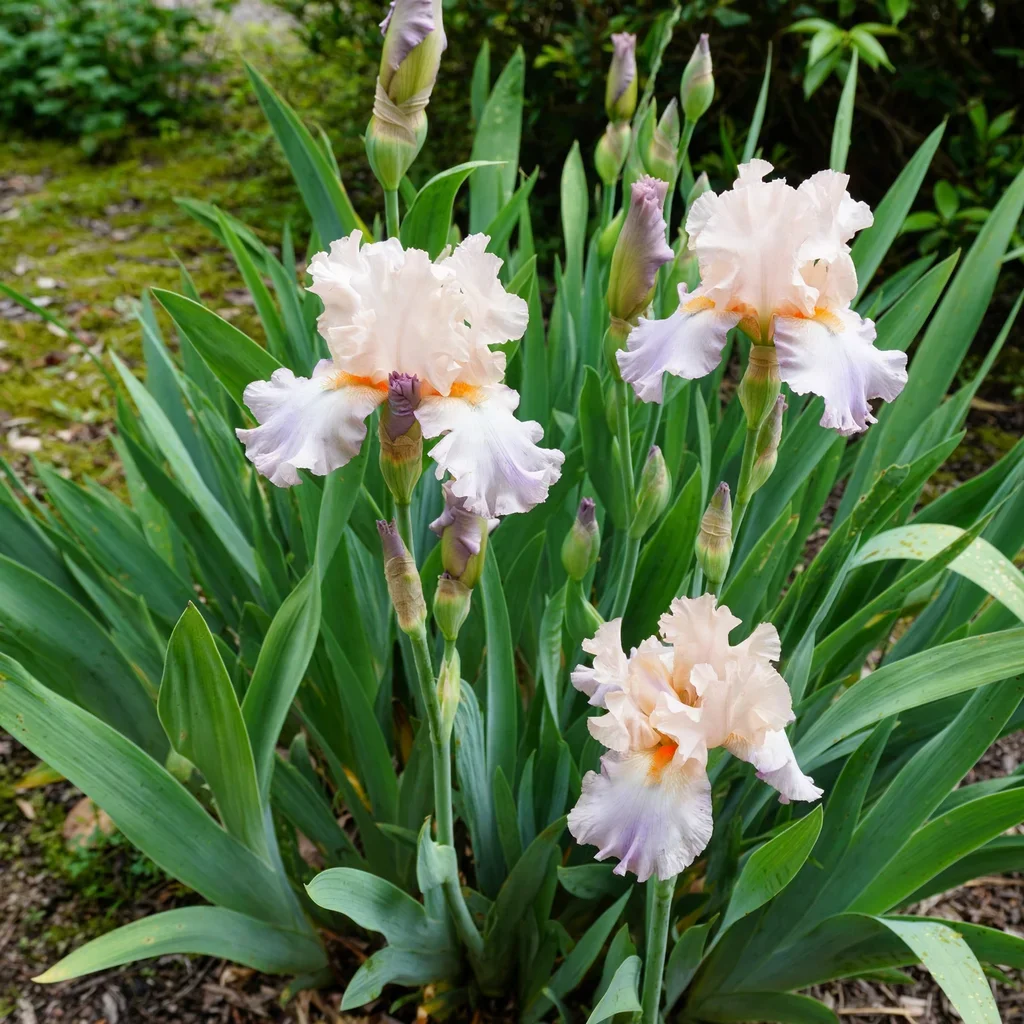
Celebration Song Iris
Iris tenuissima 'Celebration Song'
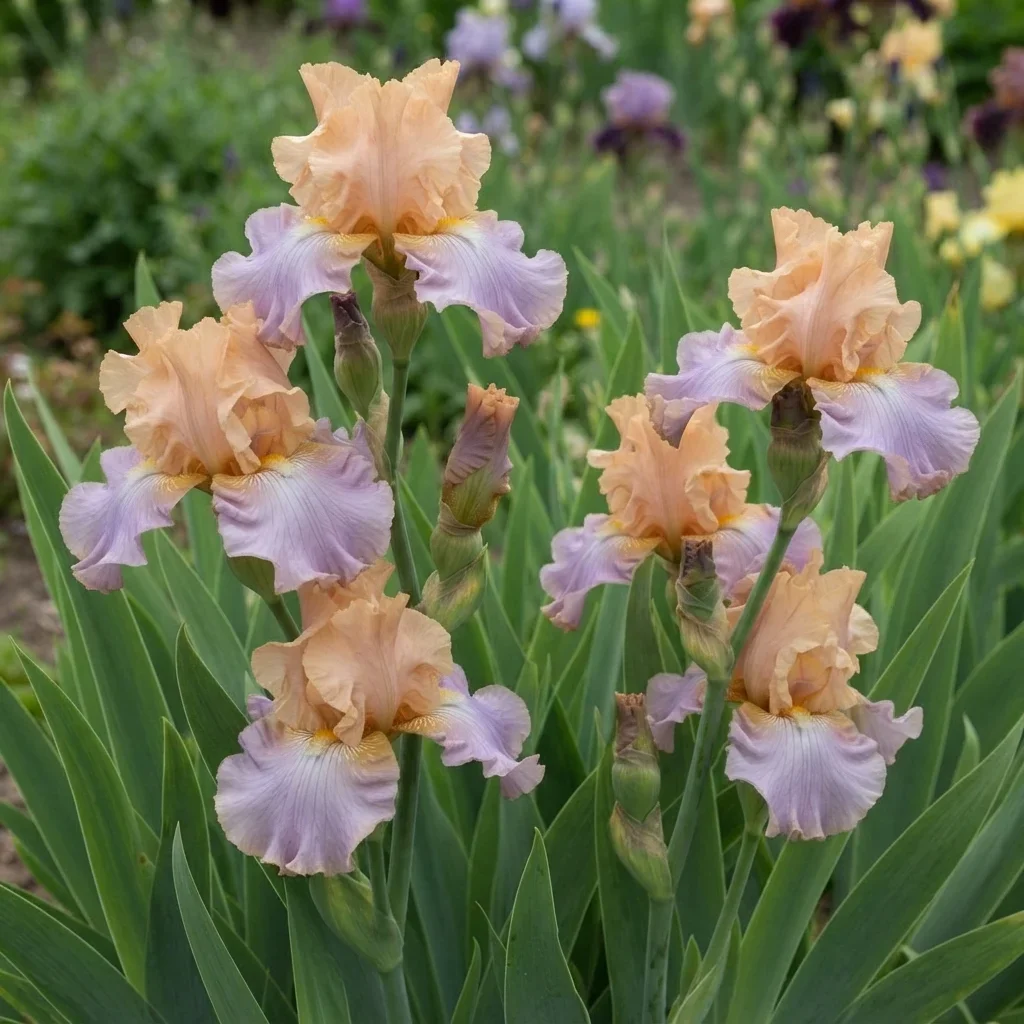
Poem of Ecstasy German Iris
Iris x germanica 'Poem Of Ecstasy'
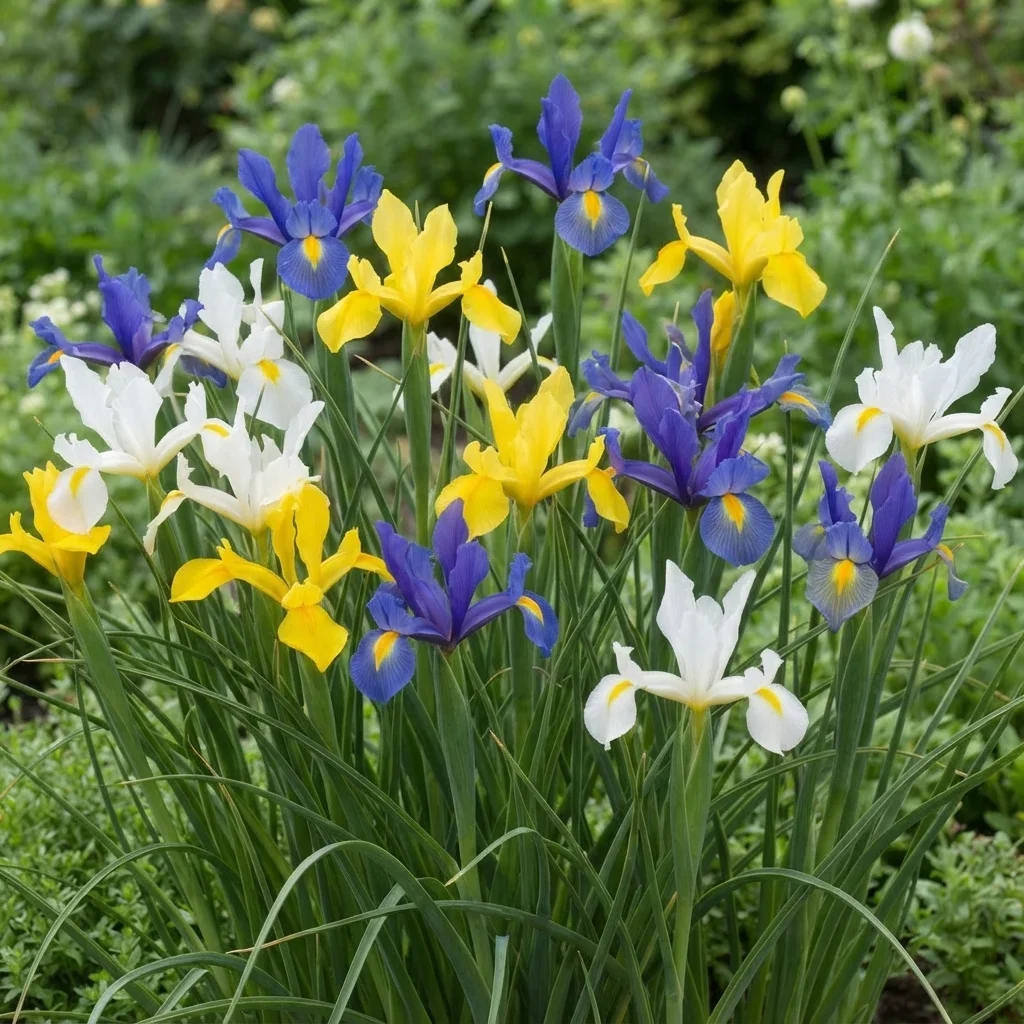
Dutch Iris Mix
Iris x hollandica 'Mix'
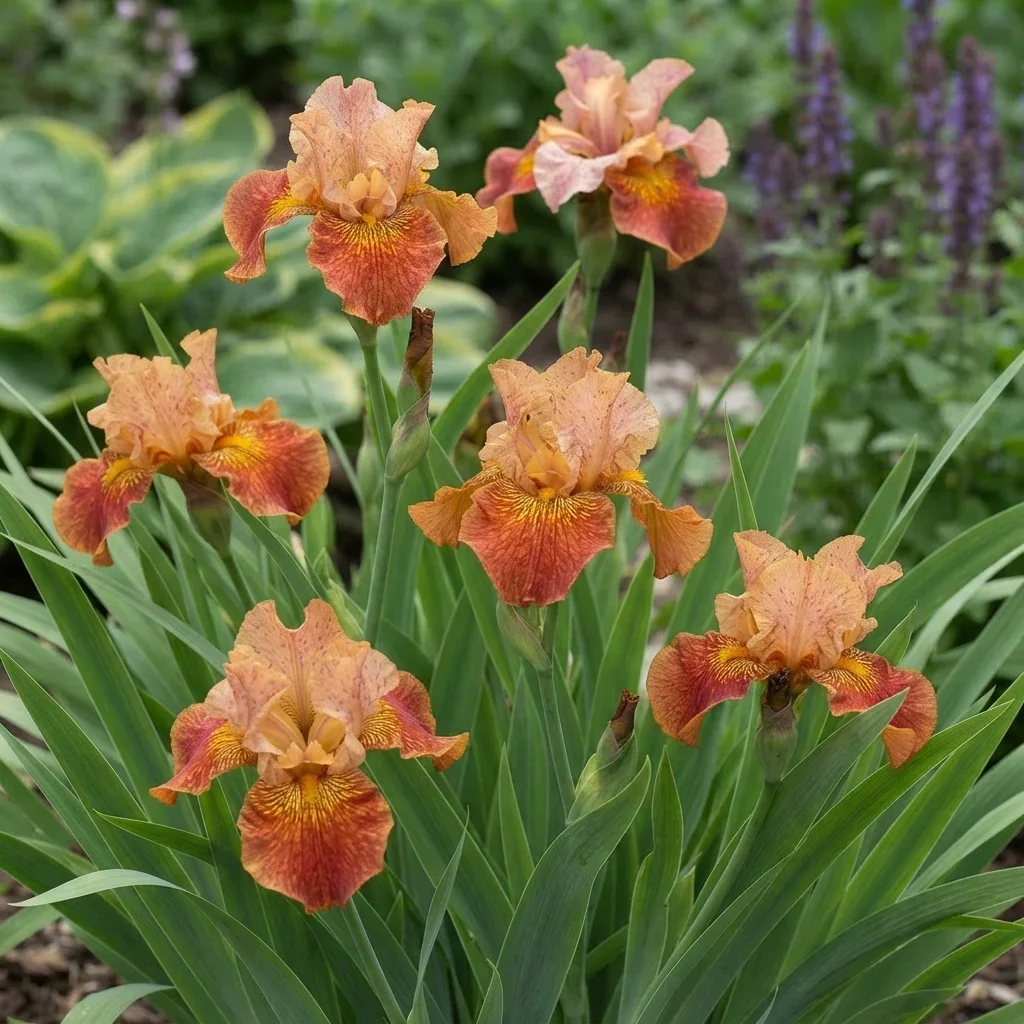
Siberian Iris 'Paprikash'
Iris x hybrida 'Paprikash'
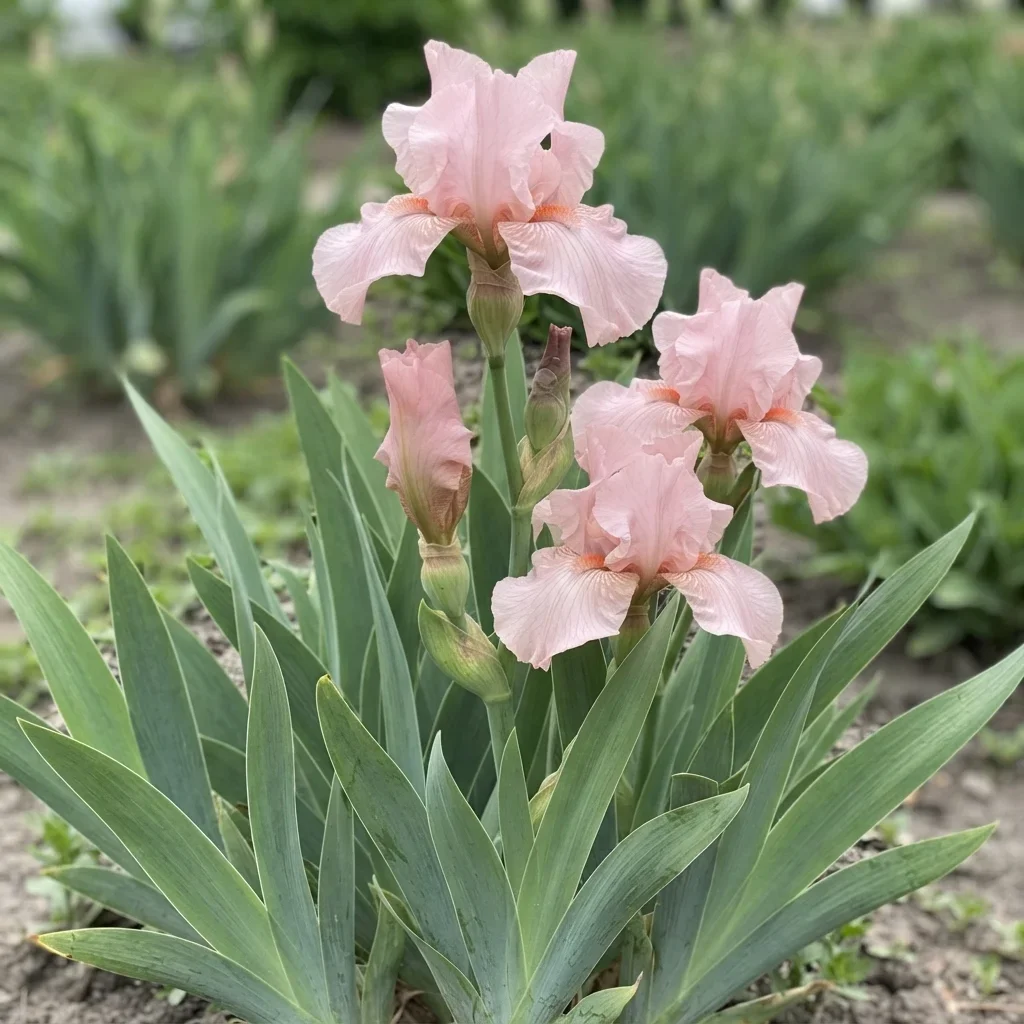
Baboon Bottom Bearded Iris
Iris x germanica 'Baboon Bottom Bearded'
Keep exploring
Explore the genus
Hardy in your zone?
Grow Bristle-pointed iris with confidence
See it in a design of your actual yard, get zone-matched care reminders, and track it season by season in your garden journal.