The Story
Plant Bio
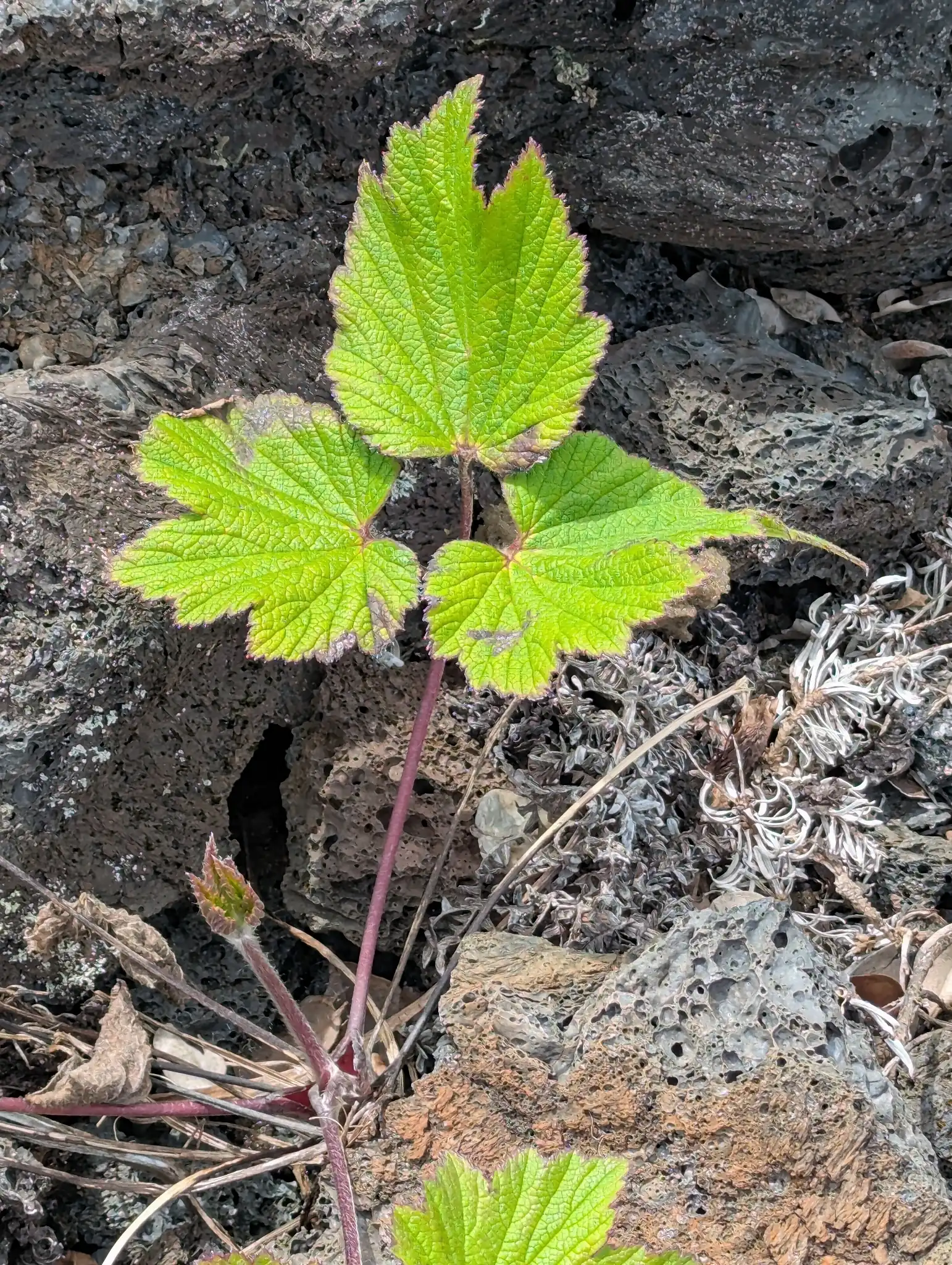
Eriocapitella japonica, commonly known as Japanese anemone, is a clump-forming herbaceous perennial native to China, Taiwan, and Vietnam. The species spreads via fibrous, running underground rhizomes to produce upright, wiry branching stems that bear ternate, deeply lobed dark green leaves with soft downy hairs on their undersides.
The single, cup-shaped flowers feature pinkish-white to pale rose-mauve tepals surrounding a contrasting green central button and yellow stamens. These blooms open from late summer through autumn, held aloft on slender stalks rising from whorls of bract-like foliage.
Uses & Benefits:
Essentials
At a Glance
Plant Type
Perennial
Height
36"
Width
36"
Light
Full Sun, Partial Sun
Zones
4, 5, 6, 7, 8
Water
Medium
Humidity
Moderate
Lifespan
Perennial
Native To
China, Taiwan, Vietnam
Toxicity
Toxic if ingested; skin irritant
Bloom period
Late summer – Autumn
In flower about 4 months of the year
Planting
How to Grow
- Select a site with partial shade and fertile, humus-rich soil that drains freely.
- Amend the planting area with organic compost to improve moisture retention without causing waterlogging.
- Position the plant so the crown sits level with the soil surface, then water thoroughly to settle the roots.
- Apply a thick layer of organic mulch around the base to keep the root zone cool and consistently moist.
Pro Tip
Plant in a permanently moist, humus-rich site protected from hot afternoon sun, and avoid moving established clumps; these perennials establish slowly in their first year and resent root disturbance.
Keep It Thriving
Care Guide
Do
- Mulch annually in spring with organic compost to supply nutrients and retain moisture.
- Provide supplemental watering during dry spells to prevent foliage scorch.
- Stake taller flowering stems if they begin to flop in windy positions.
Don't
- Do not plant in poorly drained or waterlogged soils, which cause winter root rot.
- Avoid frequent division or transplanting, as established clumps take one to two years to recover.
- Do not allow the soil to dry out completely during the active growing season.
Seasonal Care Calendar
| Task | Jan | Feb | Mar | Apr | May | Jun | Jul | Aug | Sep | Oct | Nov | Dec |
|---|---|---|---|---|---|---|---|---|---|---|---|---|
| Mulch | ||||||||||||
| Pest Check | ||||||||||||
| Propagate | ||||||||||||
| Prune |
Watch Out For
Pests & Diseases
Common Pests
Common Diseases
In the Garden
Landscape Uses & Companions
Landscape Uses
Multiply
Propagation Methods
Good to Know
Common Questions
Japanese Anemone questions
What zones can Japanese Anemone grow in?
Japanese Anemone is hardy in USDA Zones 4–8. Inside that range it survives winter in the ground; outside it, grow it as an annual or a container plant you protect.
When does Japanese Anemone bloom?
Japanese Anemone typically blooms in late summer through autumn. Exact timing shifts a week or two with your zone — Sow's bloom calendar maps it to your garden.
Does Japanese Anemone need full sun?
Japanese Anemone does best in full sun to part shade. In hot climates, afternoon shade keeps blooms fresher longer.
Keep exploring
Explore the genus
Hardy in your zone?
Grow Japanese Anemone with confidence
See it in a design of your actual yard, get zone-matched care reminders, and track it season by season in your garden journal.