The Story
Plant Bio
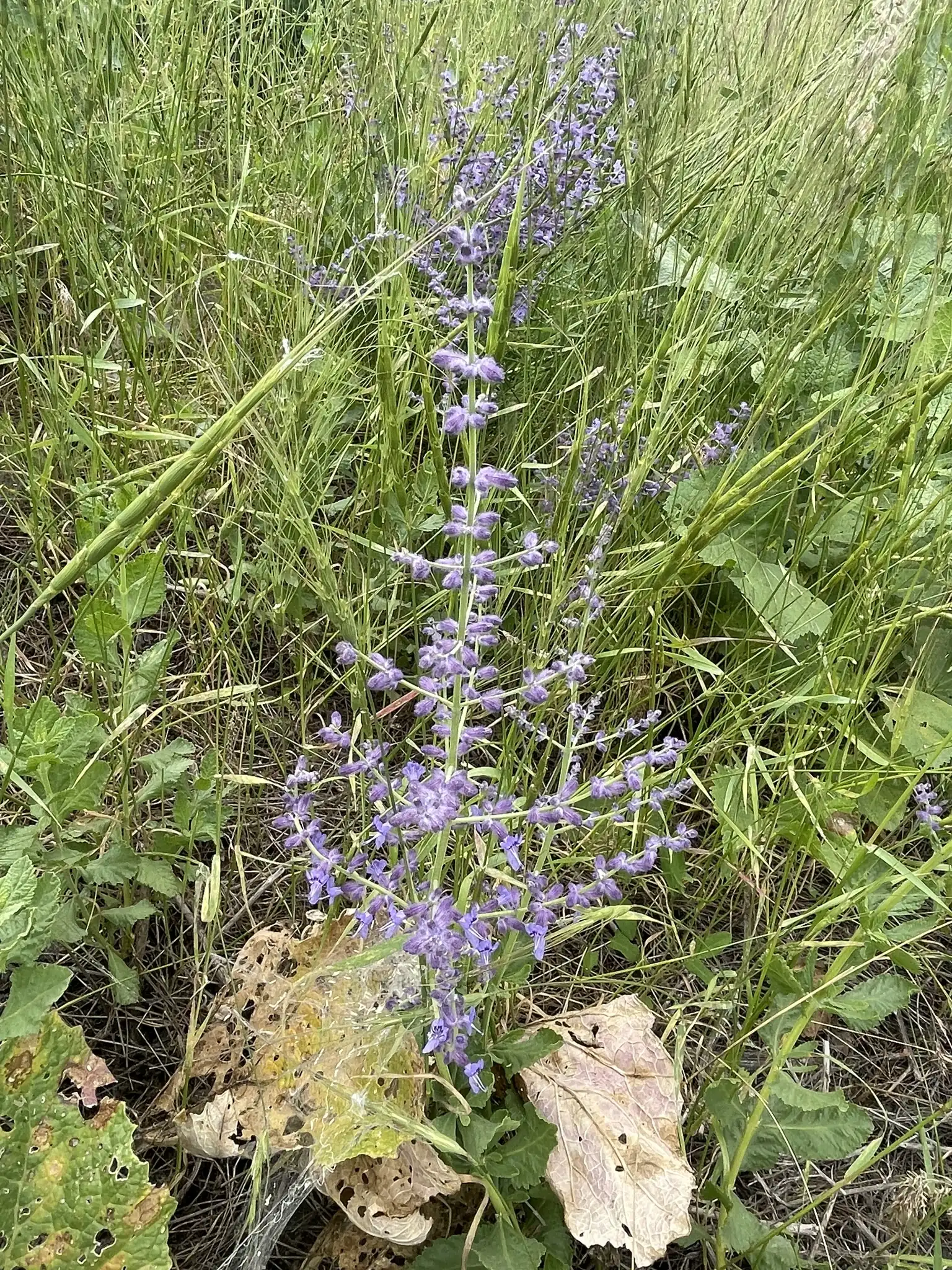
Salvia yangii, commonly known as Russian sage, is a deciduous subshrub native to the dry steppes and rocky slopes of Central Asia. It forms an upright, widely branched clump of stiff, square, whitish-gray stems clothed in deeply dissected, silvery-green foliage.
The intensely aromatic leaves emit a pungent scent when crushed, which deters mammalian pests. From mid-summer through late fall, the branches terminate in airy, branched panicles of small, tubular, lavender-blue flowers.
Uses & Benefits:
Essentials
At a Glance
Plant Type
Perennial
Height
60"
Width
48"
Light
Full Sun
Zones
4, 5, 6, 7, 8, 9
Water
Low
Humidity
Moderate
Lifespan
Perennial
Native To
Central Asia
Toxicity
Skin Irritant
Bloom period
Summer – Fall
In flower about 6 months of the year
Marketplace
Where to Buy
Shipping costs Year-round shipping Free shipping
Planting
How to Grow
- Select a planting site in full sun with exceptionally sharp, fast-draining sandy or loamy soil.
- Dig a hole twice the width of the root ball and set the plant at the same depth it was growing in the container.
- Water thoroughly to settle the soil, then withhold regular watering once the root system is established.
- Avoid applying organic mulches near the crown; use gravel or stone mulch to keep the base dry.
Pro Tip
Prune the entire plant back hard to six to twelve inches above the ground in early spring; cutting into old, leafless wood without active buds will prevent new growth.
Keep It Thriving
Care Guide
Do
- Plant in poor, rocky, or sandy soils to maintain a sturdy, upright growth habit.
- Prune back annually in early spring to encourage vigorous new flowering stems.
- Ensure excellent winter drainage to prevent root rot.
Don't
- Do not overwater or plant in heavy, wet clay soils.
- Do not apply heavy fertilizers, which cause weak, leggy stems that flop.
- Do not prune late in the fall, as standing stems provide winter protection for the crown.
Seasonal Care Calendar
| Task | Jan | Feb | Mar | Apr | May | Jun | Jul | Aug | Sep | Oct | Nov | Dec |
|---|---|---|---|---|---|---|---|---|---|---|---|---|
| Pest Check | ||||||||||||
| Prune | ||||||||||||
| Winter Prep |
Watch Out For
Pests & Diseases
Common Pests
Common Diseases
In the Garden
Landscape Uses & Companions
Landscape Uses
Multiply
Propagation Methods
Good to Know
Common Questions
Russian Sage questions
What zones can Russian Sage grow in?
Russian Sage is hardy in USDA Zones 4–9. Inside that range it survives winter in the ground; outside it, grow it as an annual or a container plant you protect.
Is Russian Sage deer resistant?
Yes — Russian Sage is rated deer-resistant. Deer typically pass it over, though extreme hunger can override any plant's defenses.
When does Russian Sage bloom?
Russian Sage typically blooms in summer through fall. Exact timing shifts a week or two with your zone — Sow's bloom calendar maps it to your garden.
Does Russian Sage need full sun?
Russian Sage does best in full sun (6+ hours).
Is Russian Sage drought tolerant?
Yes — once established (usually after the first full season), Russian Sage handles dry spells with minimal watering. Water deeply its first year to build the root system that makes that possible.
More Salvia to compare
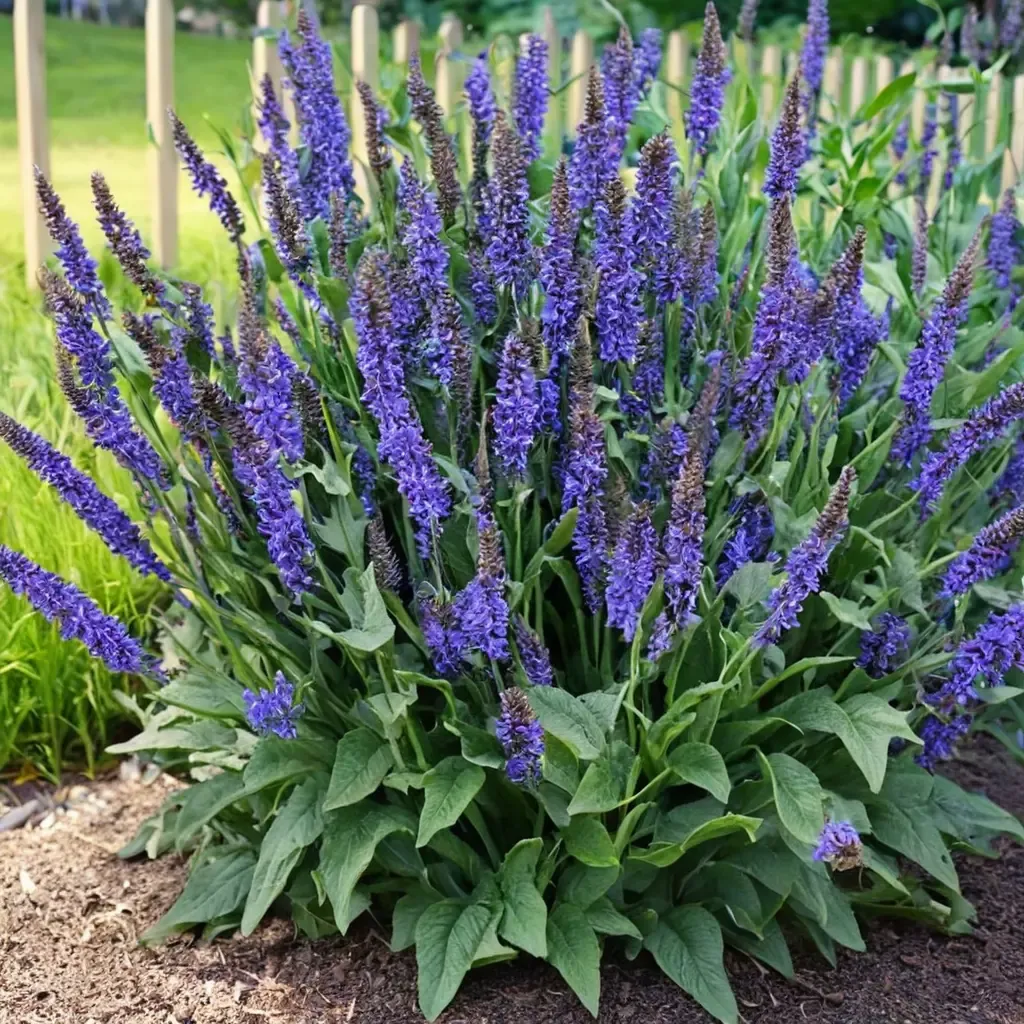
May Night Sage
Salvia nemorosa 'May Night'
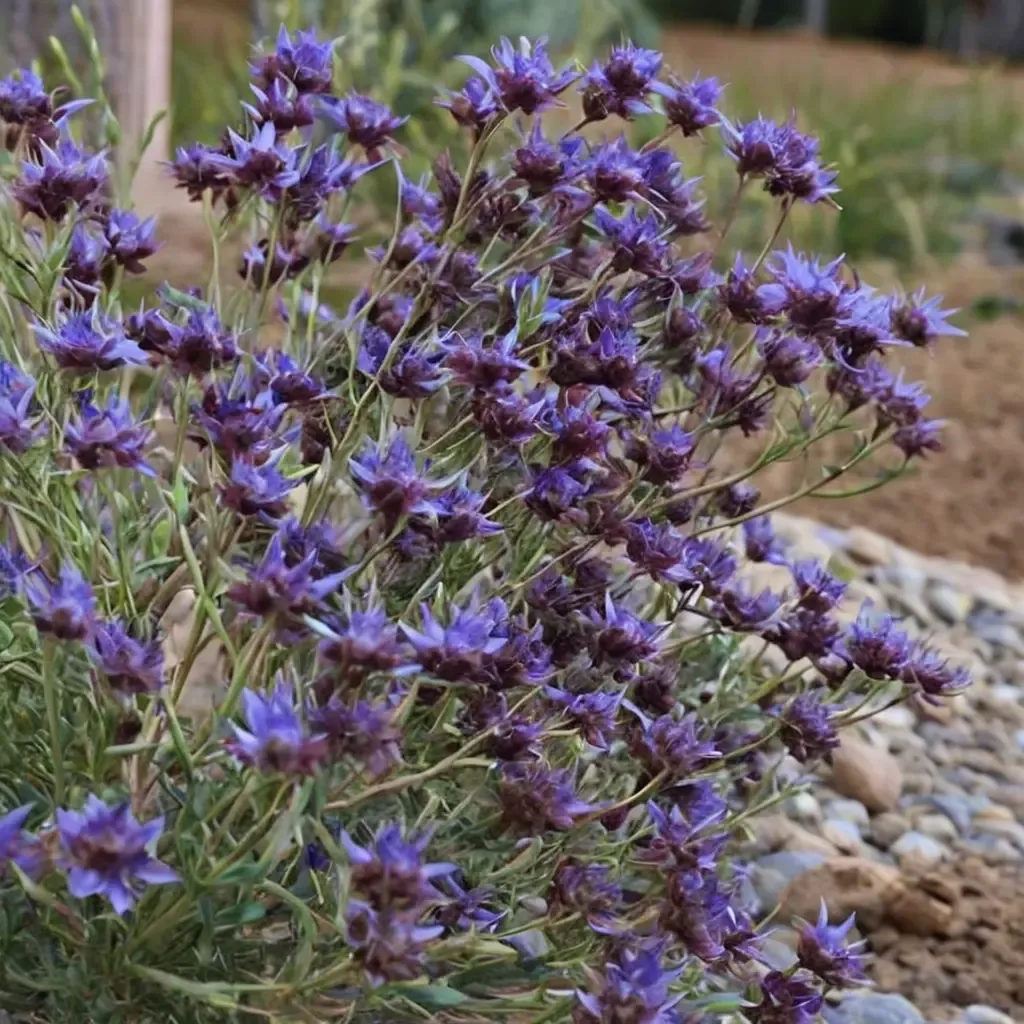
Celestial Blue Sage Wood Sage
Salvia nemorosa 'Celestial Blue'
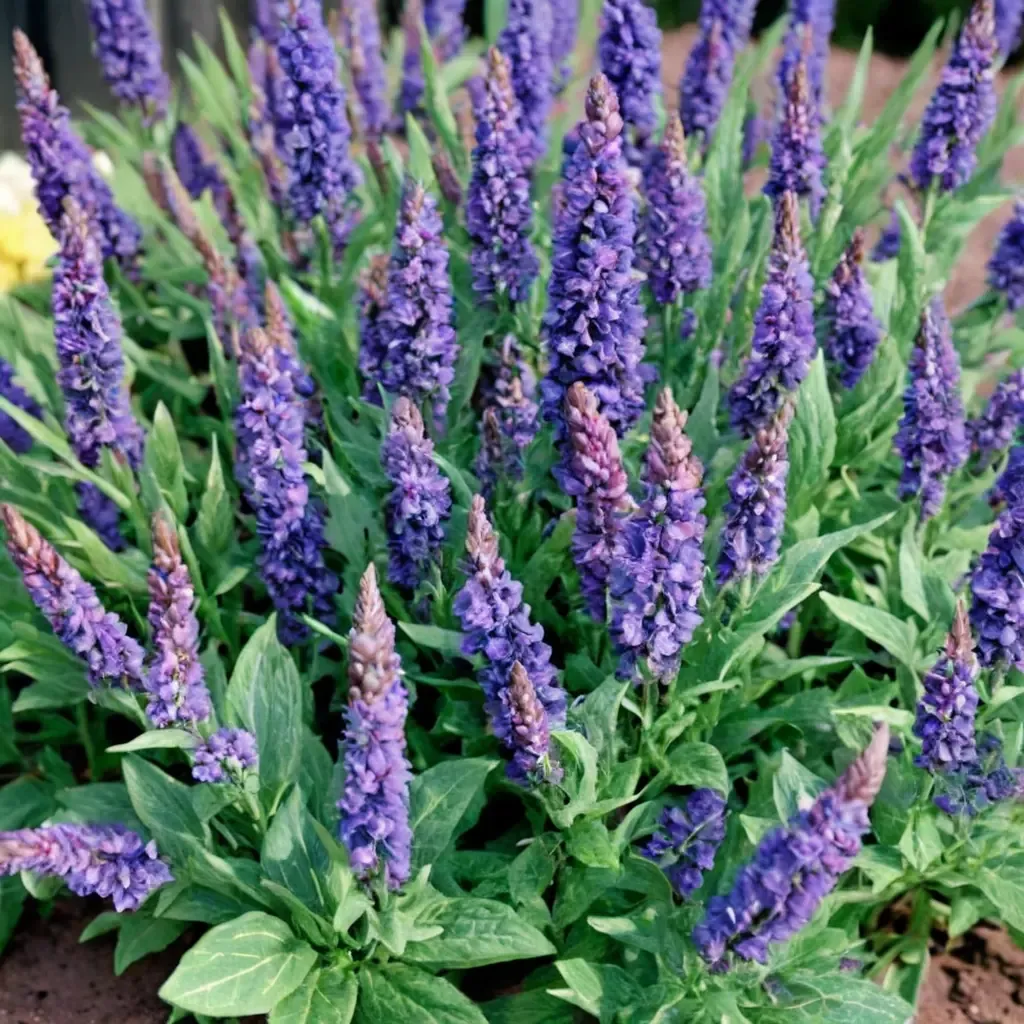
Marcus Woodland Sage
Salvia nemorosa 'Marcus'
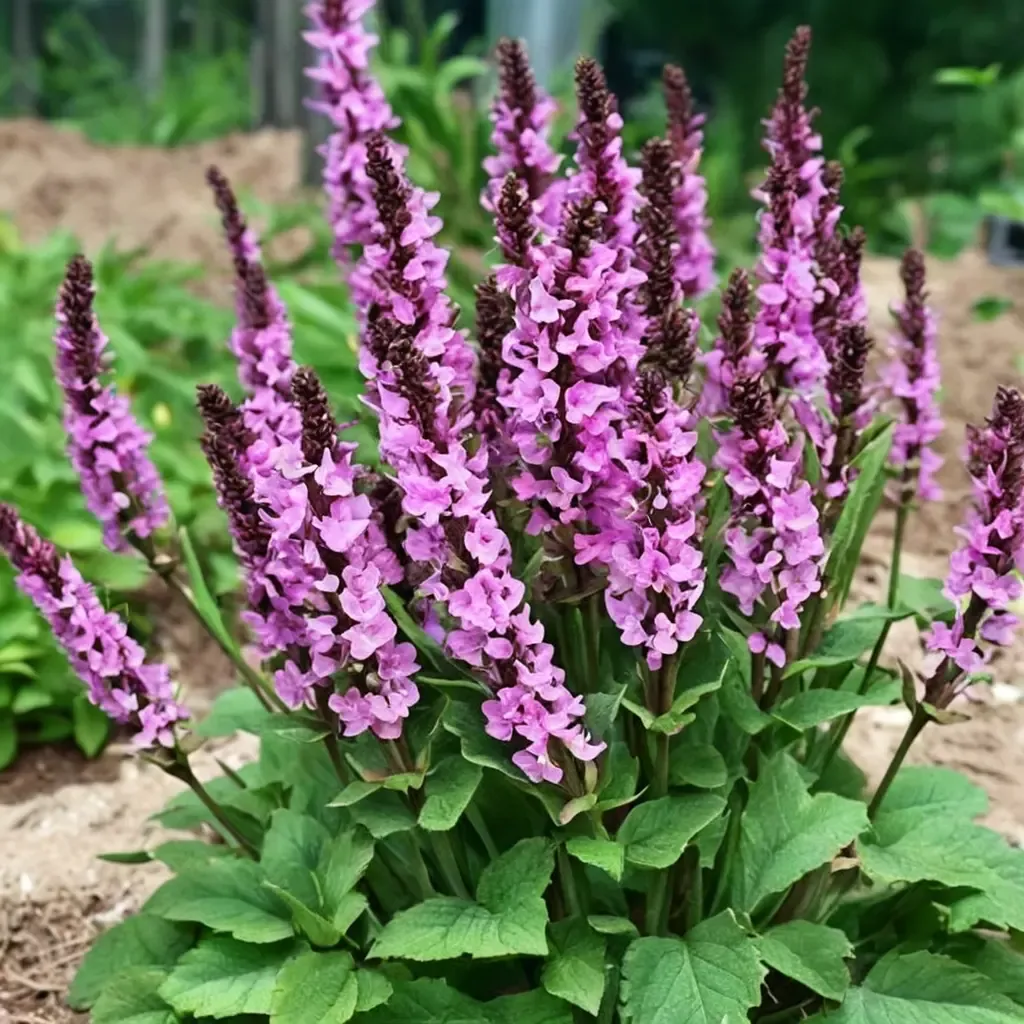
Rose Marvel Sage
Salvia nemorosa 'Rose Marvel'
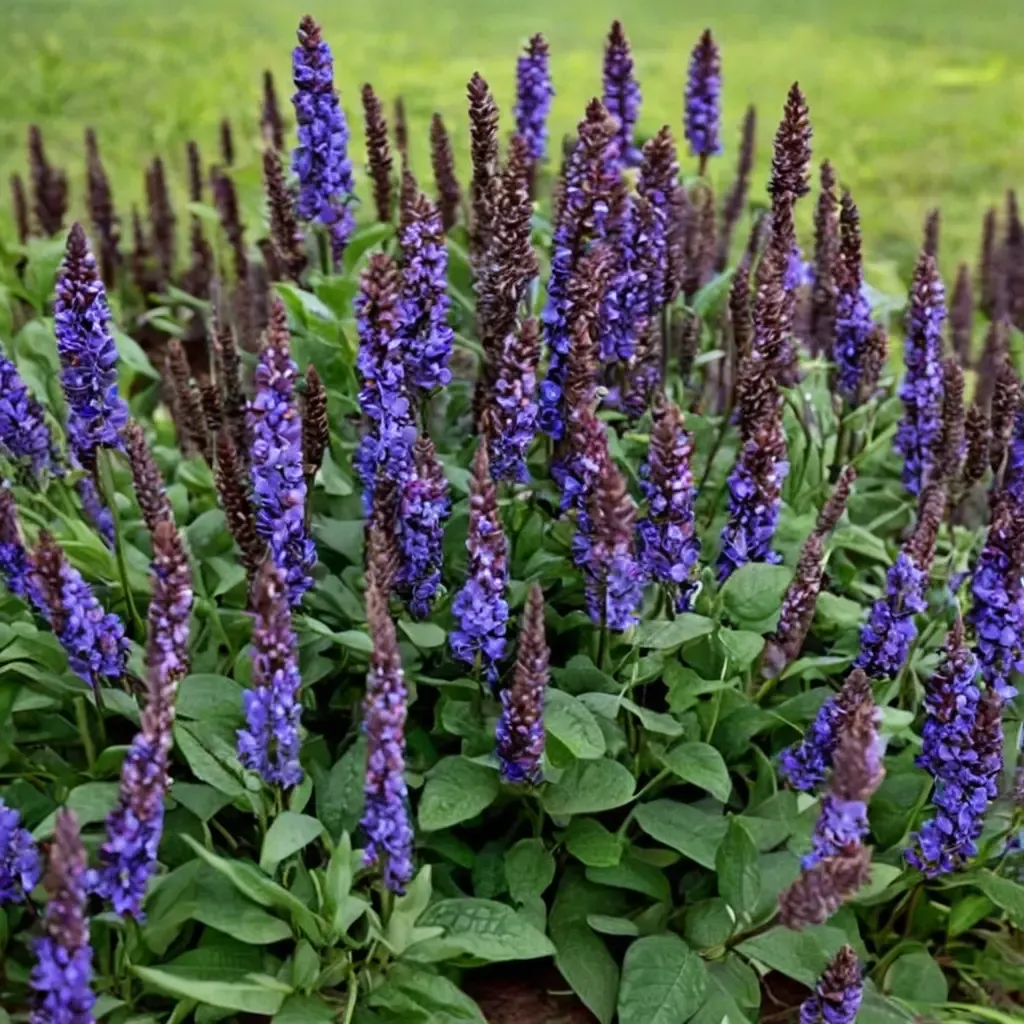
Bumbleblue Sage
Salvia nemorosa 'Bumbleblue'
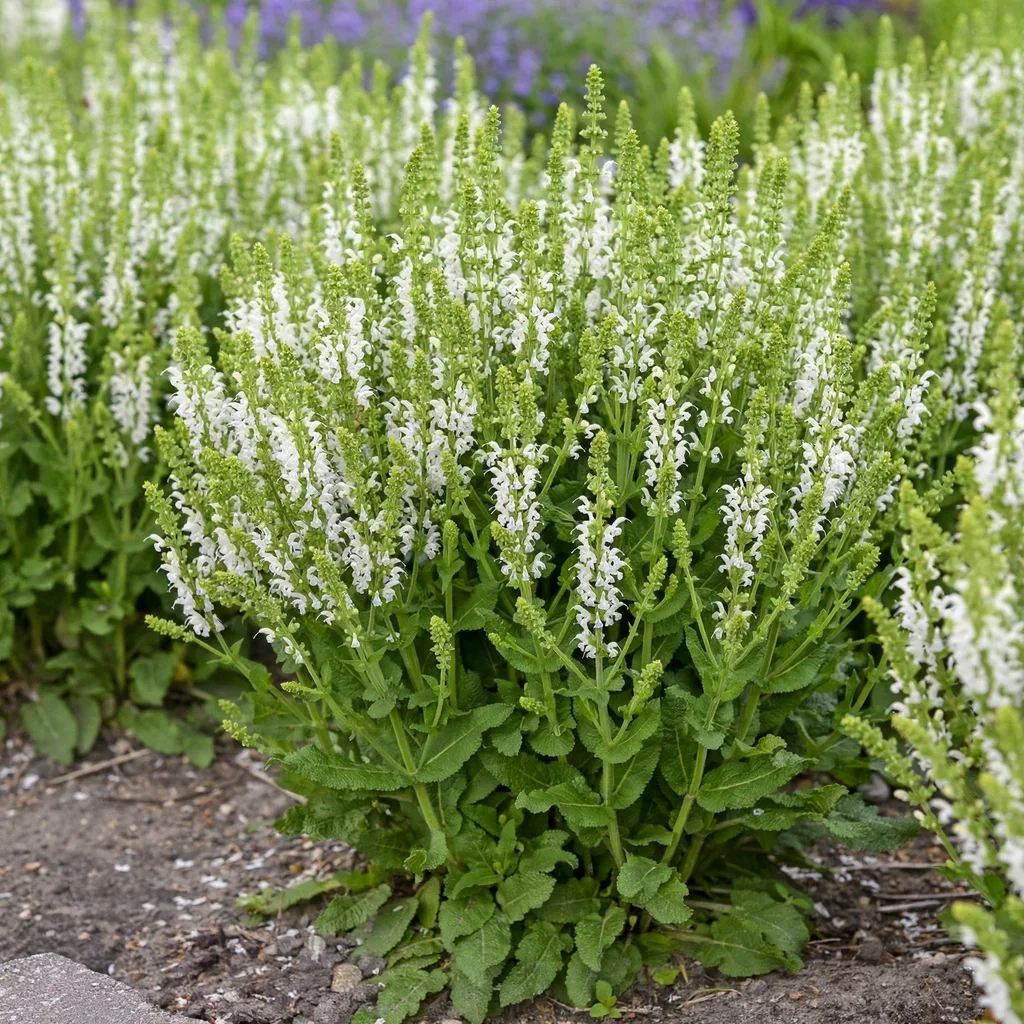
White Profusion Salvia
Salvia x hybrida 'White Profusion'
Keep exploring
Explore the genus
Grow Russian Sage with confidence
See it in a design of your actual yard, get zone-matched care reminders, and track it season by season in your garden journal.