The Story
Plant Bio
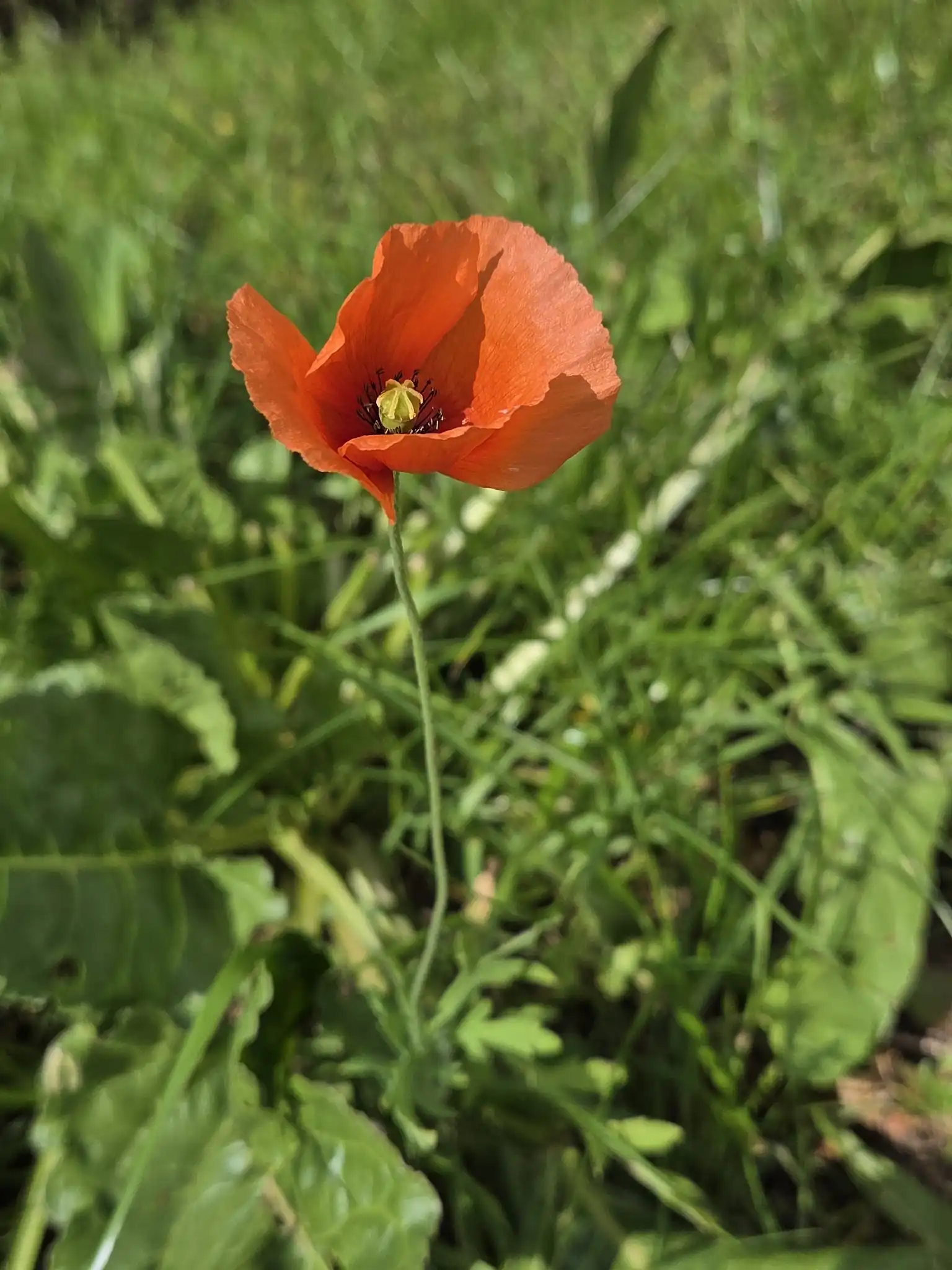
Papaver dubium is an erect, slender annual herb native to temperate Eurasia, characterized by bristly stems and deeply lobed foliage. The solitary flowers feature pale orange to red petals on long, bristly stalks, followed by distinctive elongated seed capsules that are more than twice as long as they are wide.
This species is distinguished from the closely related corn poppy by its hairless, narrow seed capsules and the strongly flattened, appressed hairs on the upper section of the flower stems. The foliage lacks prickles on the lobes, and the sap contains bitter isoquinoline alkaloids that deter browsing herbivores.
Uses & Benefits:
Essentials
At a Glance
Plant Type
Annual
Height
28"
Width
12"
Light
Full Sun
Zones
4, 5, 6, 7, 8, 9
Water
Low to Moderate
Humidity
Moderate
Lifespan
Annual
Native To
Europe, North Africa, Western Asia
Toxicity
Toxic if ingested; sap is a skin irritant
Bloom period
Spring – Summer
In flower about 6 months of the year
Planting
How to Grow
- Select a site in full sun with well-drained, gravelly or sandy soil.
- Sow seeds directly onto the soil surface in early spring, pressing them lightly into the ground without burying them, as they require light to germinate.
- Water gently to keep the soil moist until germination occurs, then reduce watering to allow the soil to dry between applications.
- Thin seedlings to stand six to twelve inches apart to prevent overcrowding and reduce the risk of powdery mildew.
Pro Tip
Always sow seeds directly into their permanent garden positions; the sensitive taproot of this species reacts poorly to transplanting and rarely survives container-grown cultivation.
Keep It Thriving
Care Guide
Do
- Sow seeds directly in place to avoid root disturbance.
- Deadhead spent flowers before they drop seed if you wish to limit self-seeding.
- Ensure the soil drains rapidly to prevent root rot.
Don't
- Do not attempt to transplant established seedlings or plug plants.
- Do not apply heavy fertilizers, which cause weak, leggy stems.
- Do not overwater or allow the soil to become waterlogged.
Seasonal Care Calendar
| Task | Jan | Feb | Mar | Apr | May | Jun | Jul | Aug | Sep | Oct | Nov | Dec |
|---|---|---|---|---|---|---|---|---|---|---|---|---|
| Deadhead | ||||||||||||
| Harvest | ||||||||||||
| Pest Check | ||||||||||||
| Plant |
Watch Out For
Pests & Diseases
Common Pests
Common Diseases
In the Garden
Landscape Uses & Companions
Landscape Uses
Companion Plants
Multiply
Propagation Methods
Good to Know
Common Questions
Long-headed poppy questions
What zones can Long-headed poppy grow in?
Long-headed poppy is hardy in USDA Zones 4–9. Inside that range it survives winter in the ground; outside it, grow it as an annual or a container plant you protect.
Is Long-headed poppy deer resistant?
Yes — Long-headed poppy is rated deer-resistant. Deer typically pass it over, though extreme hunger can override any plant's defenses.
When does Long-headed poppy bloom?
Long-headed poppy typically blooms in spring through summer. Exact timing shifts a week or two with your zone — Sow's bloom calendar maps it to your garden.
Does Long-headed poppy need full sun?
Long-headed poppy does best in full sun (6+ hours).
Is Long-headed poppy drought tolerant?
Yes — once established (usually after the first full season), Long-headed poppy handles dry spells with minimal watering. Water deeply its first year to build the root system that makes that possible.
More Papaver to compare
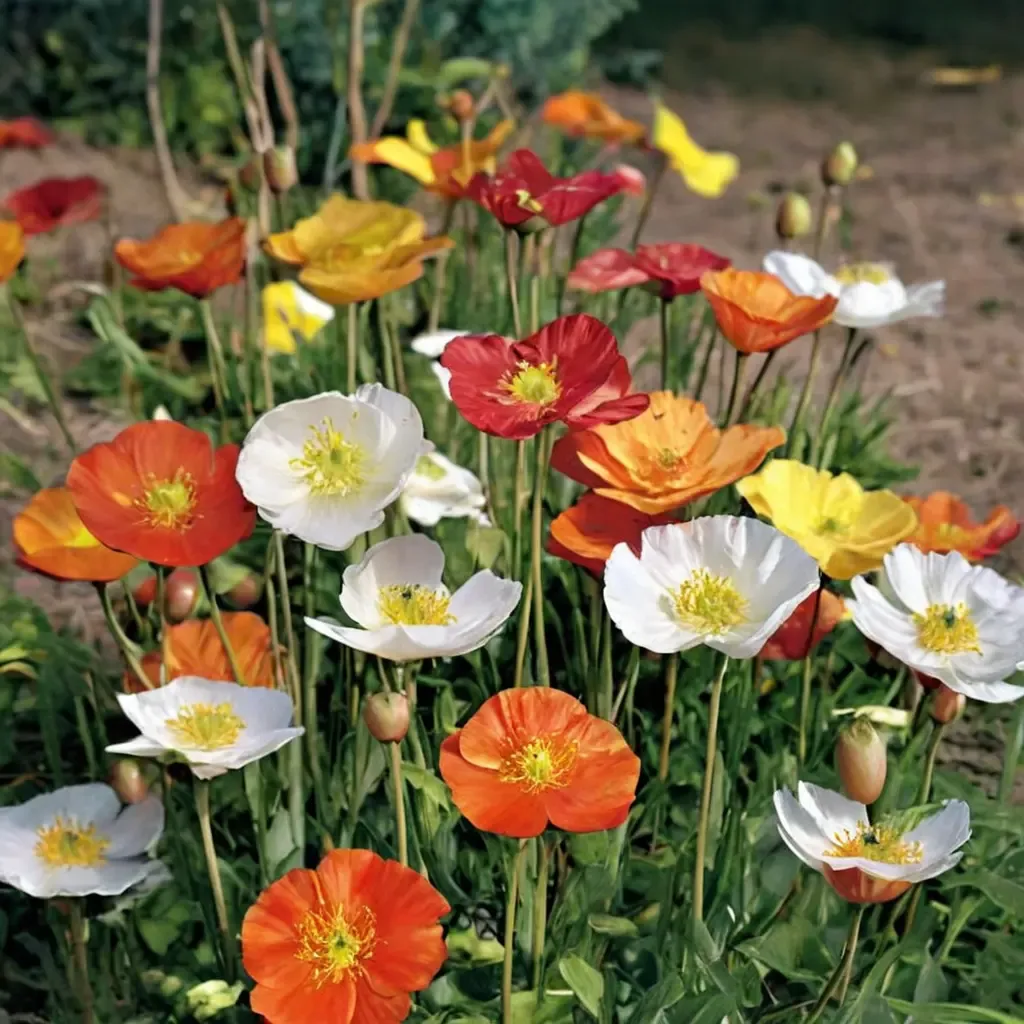
Iceland Poppy
Papaver nudicaule 'Mix'
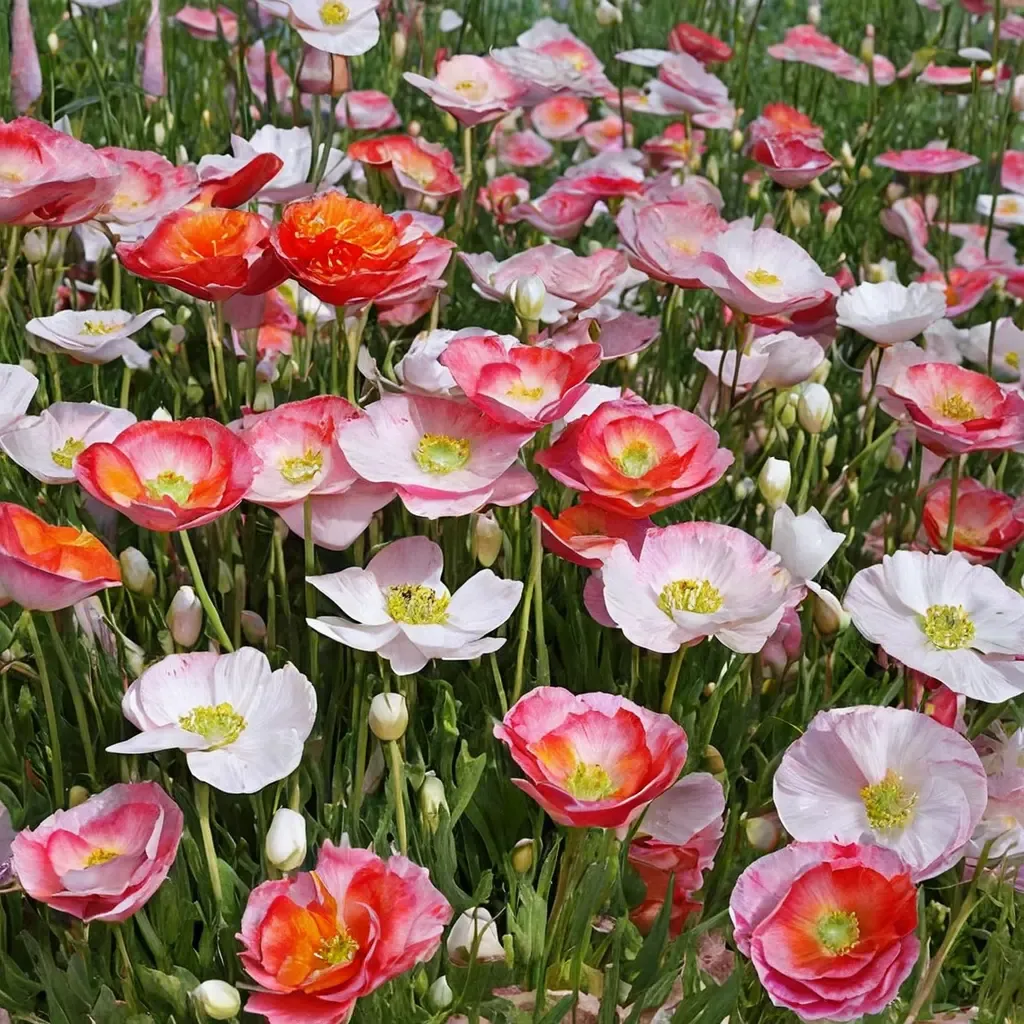
Falling in Love Corn Poppy
Papaver rhoeas 'Falling in Love'
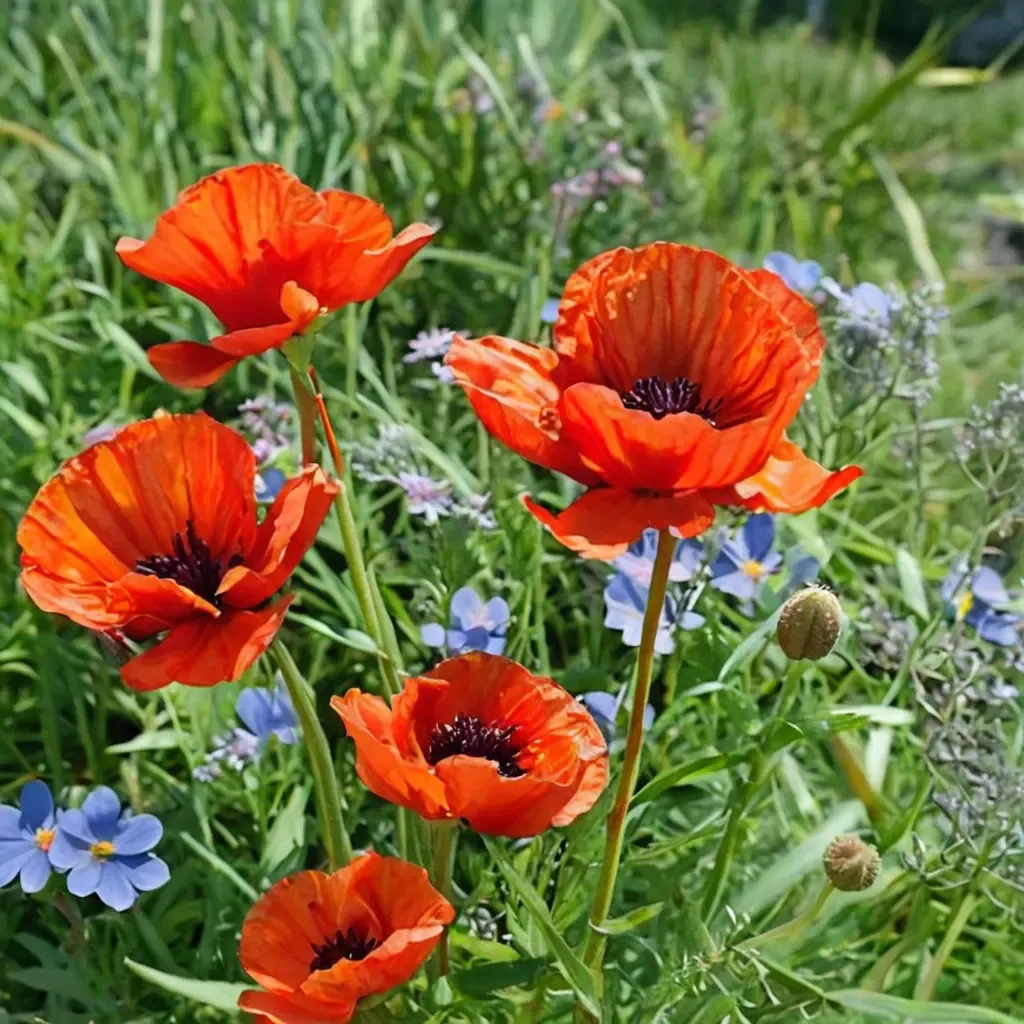
Brilliant Oriental Poppy
Papaver orientale 'Brilliant'
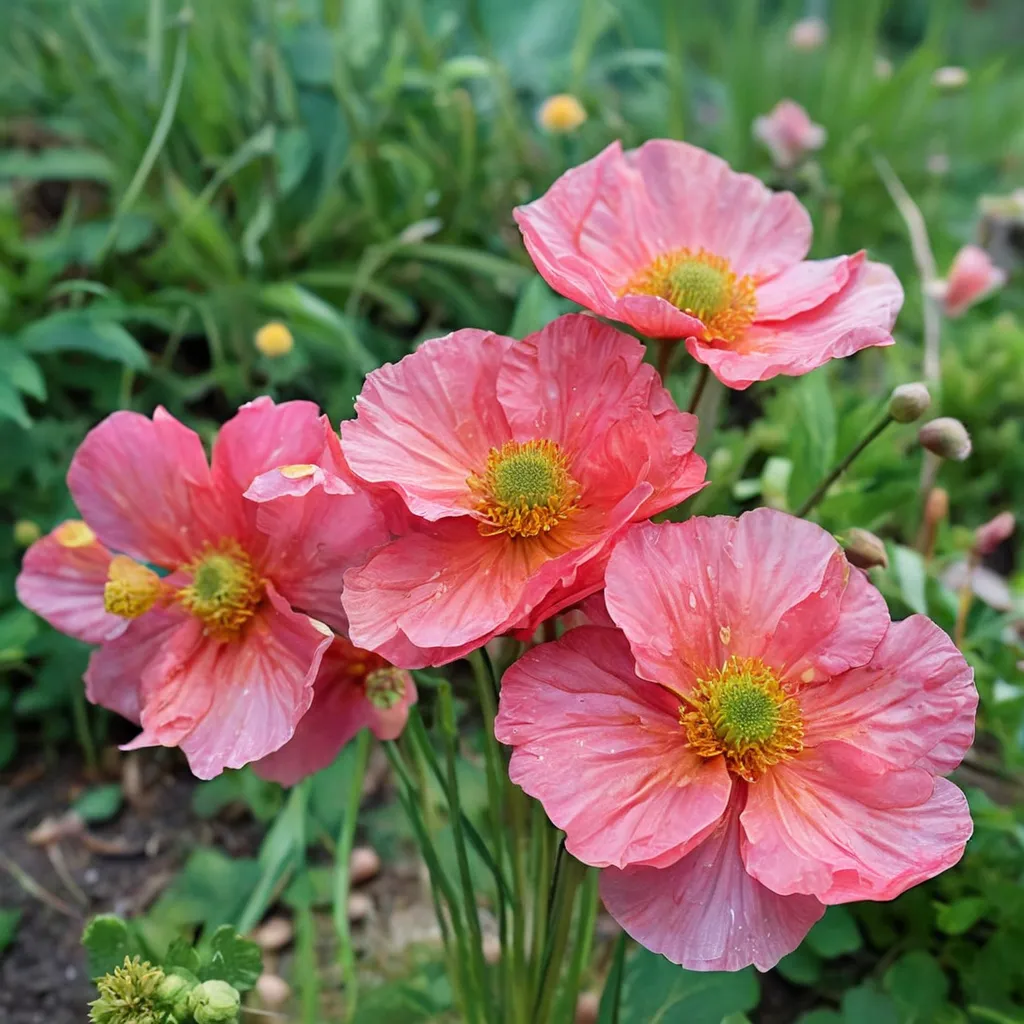
Pink Iceland Poppy
Papaver nudicaule 'Champagne Bubbles Pink'
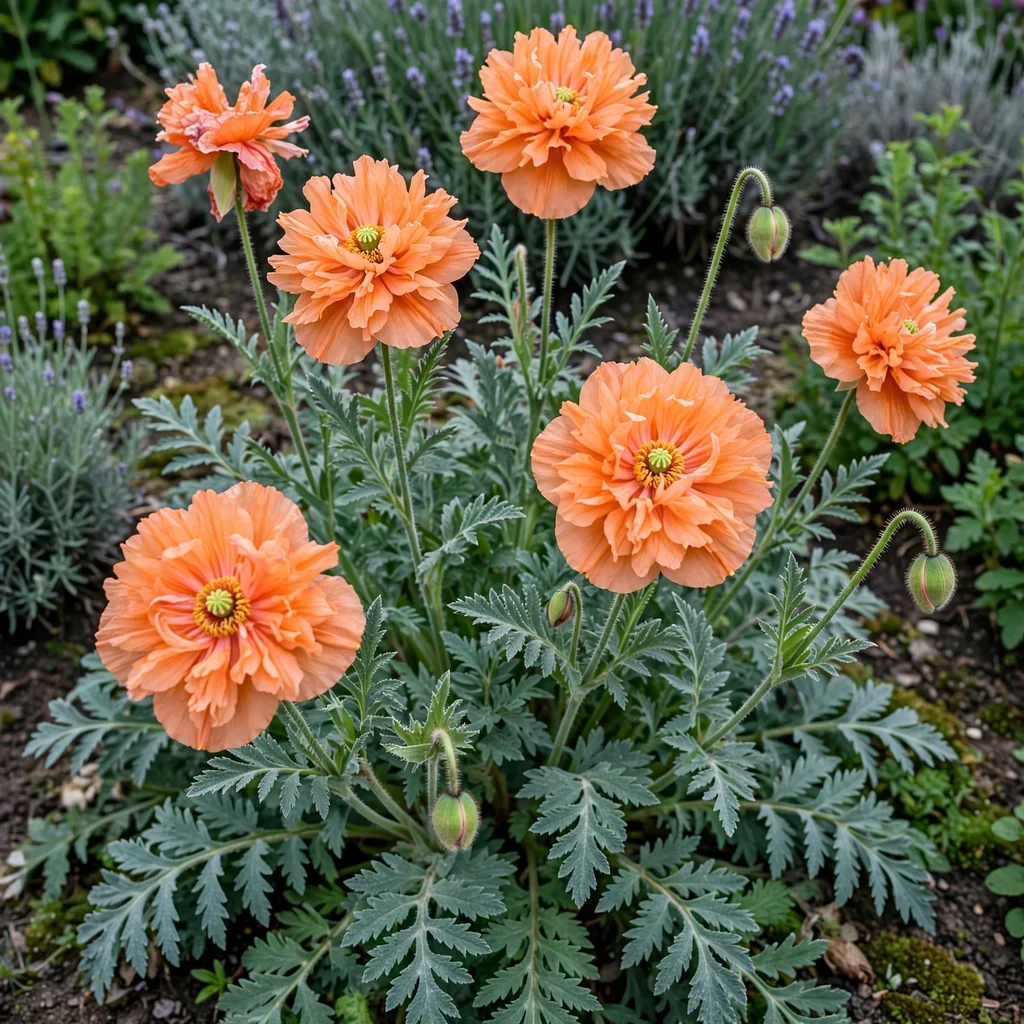
Double Atlantic Poppy
Papaver atlanticum 'Flore Pleno'
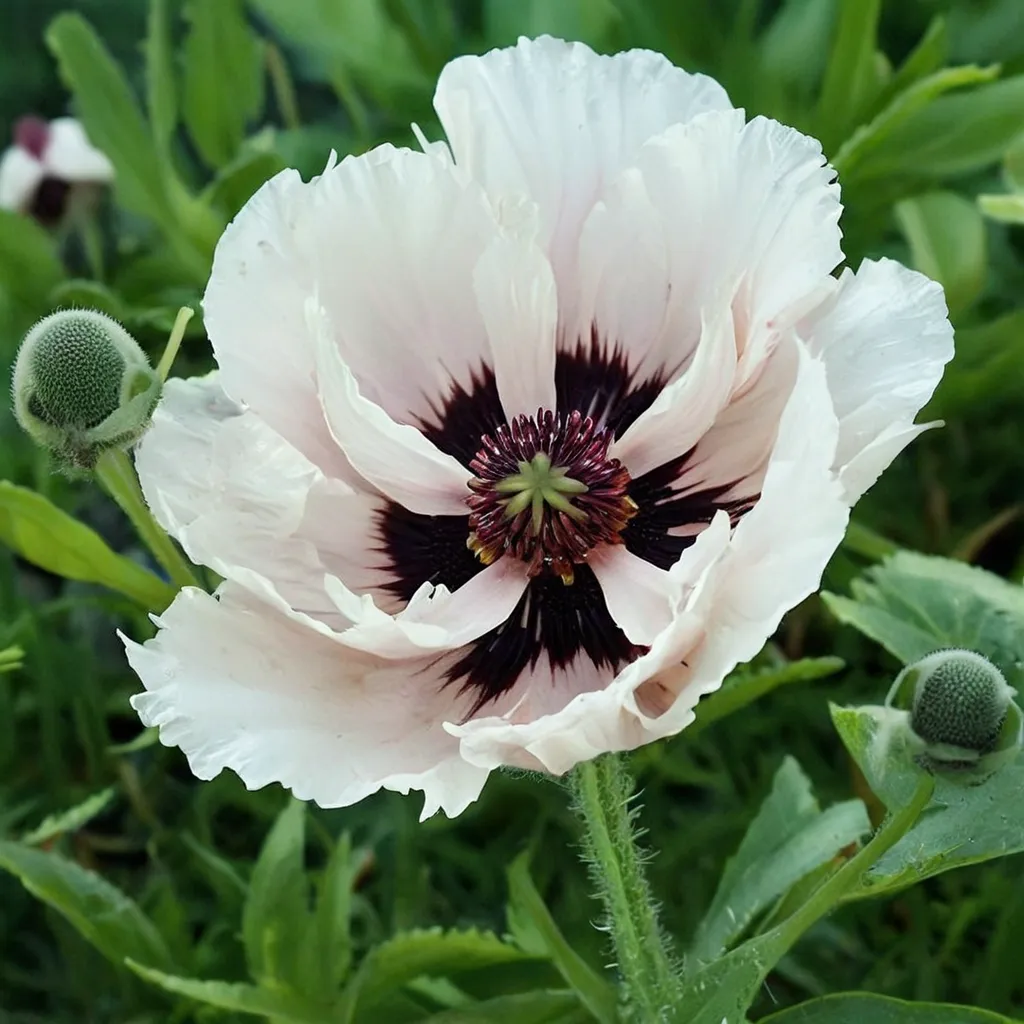
Oriental Poppy Royal Wedding
Papaver orientale 'Royal Wedding'
Keep exploring
Explore the genus
Grow Long-headed poppy with confidence
See it in a design of your actual yard, get zone-matched care reminders, and track it season by season in your garden journal.