The Story
Plant Bio
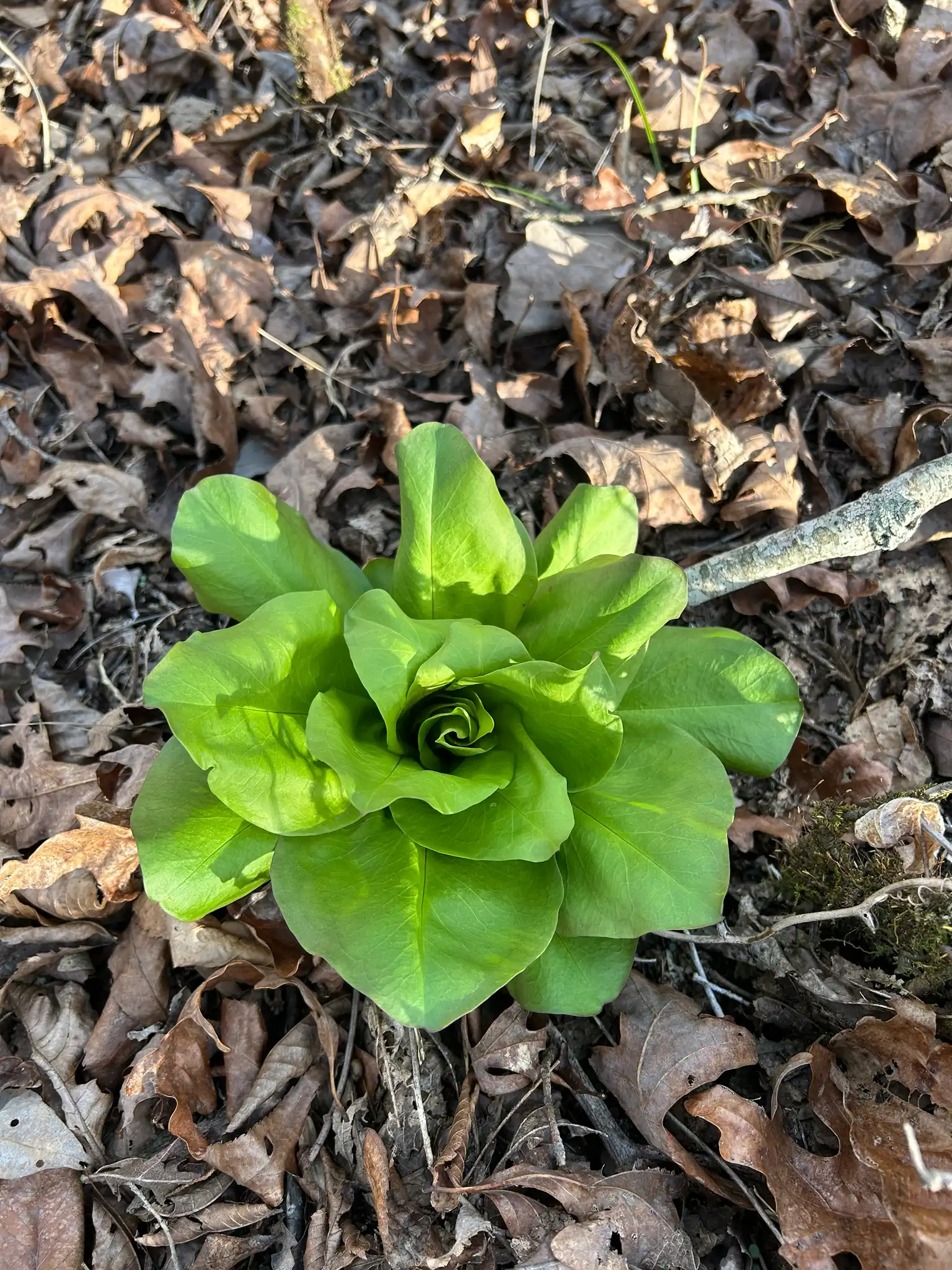
Frasera caroliniensis is a monocarpic North American perennial that spends 5 to 30 years as a low basal rosette of broad, smooth leaves before flowering. Upon reaching maturity, it produces a single, stout vertical stalk crowned with a large terminal panicle of green to yellowish-white flowers, after which the plant sets seed and dies.
The flowers feature four purple-speckled petals, each fitted with a central fringed nectar gland that provides a key food source for native bees. Leaves on the central flowering stalk decrease in size as they ascend and grow in symmetrical whorls of four or five.
Uses & Benefits:
Essentials
At a Glance
Plant Type
Perennial
Height
94"
Width
35"
Light
Full Sun, Partial Sun
Zones
4, 5, 6, 7, 8
Water
Low to Medium
Humidity
Moderate
Lifespan
Perennial (Monocarpic)
Native To
North America
Toxicity
Fresh root is cathartic and emetic
Bloom period
Late spring – Summer
In flower about 4 months of the year
Planting
How to Grow
- Select a planting site in full sun or partial woodland shade with well-drained loamy or clay soil.
- Sow seeds directly outdoors in fall so natural winter temperatures break seed dormancy.
- Keep young seedlings clear of aggressive weeds while the basal rosette slowly establishes.
- Avoid applying heavy synthetic fertilizers, which can harm root development.
Pro Tip
Never attempt to transplant or divide an established rosette, as disturbing its deep, fragile taproot almost always kills the plant.
Keep It Thriving
Care Guide
Do
- Plant in light, well-drained soils over calcareous or limestone bases.
- Allow soil to dry slightly between waterings once the taproot establishes.
- Protect young basal rosettes from browsing animals.
Don't
- Do not disturb or attempt to relocate established rosettes.
- Do not overwater or plant in soggy, waterlogged sites where roots will rot.
- Do not cut back or prune the basal foliage during the growing season.
Seasonal Care Calendar
| Task | Jan | Feb | Mar | Apr | May | Jun | Jul | Aug | Sep | Oct | Nov | Dec |
|---|---|---|---|---|---|---|---|---|---|---|---|---|
| Pest Check | ||||||||||||
| Propagate | ||||||||||||
| Spring Cleanup | ||||||||||||
| Winter Prep |
Watch Out For
Pests & Diseases
Common Pests
Common Diseases
In the Garden
Landscape Uses & Companions
Landscape Uses
Multiply
Propagation Methods
Good to Know
Common Questions
American Columbo questions
What zones can American Columbo grow in?
American Columbo is hardy in USDA Zones 4–8. Inside that range it survives winter in the ground; outside it, grow it as an annual or a container plant you protect.
Is American Columbo deer resistant?
Not reliably. Deer may browse American Columbo, especially tender spring growth — plan on repellents or fencing where pressure is high.
When does American Columbo bloom?
American Columbo typically blooms in late spring through summer. Exact timing shifts a week or two with your zone — Sow's bloom calendar maps it to your garden.
Does American Columbo need full sun?
American Columbo does best in full sun to part shade. In hot climates, afternoon shade keeps blooms fresher longer.
Is American Columbo drought tolerant?
Yes — once established (usually after the first full season), American Columbo handles dry spells with minimal watering. Water deeply its first year to build the root system that makes that possible.
Keep exploring
Explore the genus
Hardy in your zone?
Grow American Columbo with confidence
See it in a design of your actual yard, get zone-matched care reminders, and track it season by season in your garden journal.