The Story
Plant Bio
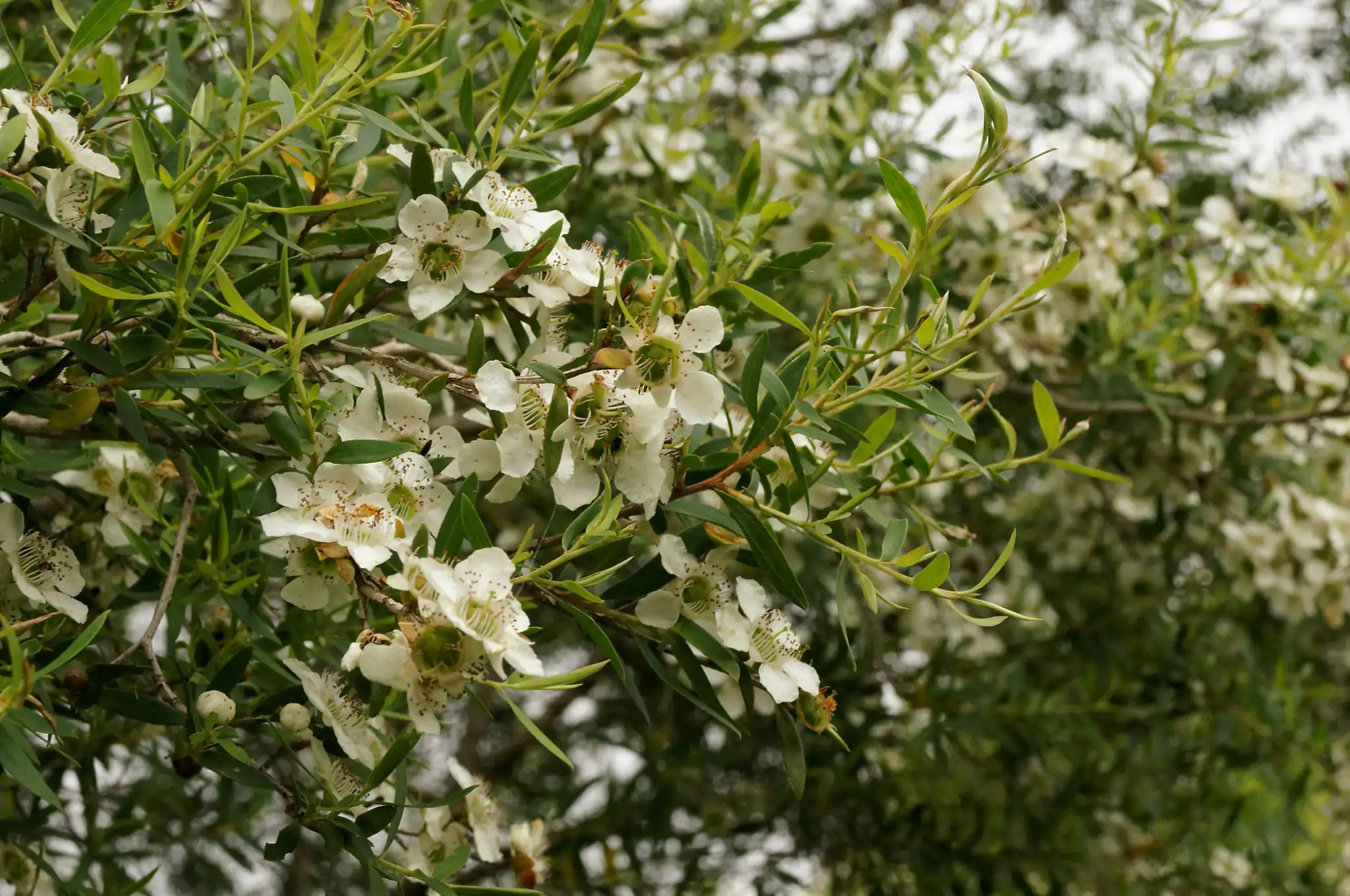
Leptospermum morrisonii is an evergreen Australian shrub or small tree with an upright, spreading habit and weeping branches of aromatic, narrow-elliptic foliage. Solitary white to creamy-white flowers with five petals and bundles of white stamens open along the branchlet ends from late winter through spring.
New foliage emerges with rich burgundy-purple or bronze tones before maturing to a deep green or blue-green. The species displays strong coastal wind tolerance and adapts well to poor, sandy soils.
Uses & Benefits:
Essentials
At a Glance
Plant Type
Shrub
Height
120"
Width
80"
Light
Full Sun, Partial Sun
Zones
8, 9, 10
Water
Low
Humidity
Adaptable
Lifespan
Moderate
Native To
Australia
Toxicity
Non-toxic
Bloom period
Late winter – Spring
In flower about 4 months of the year
Planting
How to Grow
- Select a planting site in full sun to partial shade with highly permeable, sandy or loamy soil.
- Dig a hole twice as wide as the root ball but equal in depth to prevent settling.
- Backfill with native soil without adding organic amendments or high-phosphorus fertilizers.
- Water deeply to settle the soil and apply a light organic mulch, keeping it clear of the main stem.
Pro Tip
Plant in free-draining sandy or loamy soil to prevent root rot, and avoid pruning back into old, leafless wood as branches lack dormant buds to generate new growth.
Keep It Thriving
Care Guide
Do
- Prune lightly after flowering to maintain a dense, compact shape.
- Provide full sun to maximize the vibrant burgundy coloration of new foliage.
- Ensure the soil drains rapidly to protect the root system from rot.
Don't
- Do not cut back into old, bare wood, as the plant will fail to reshoot.
- Do not apply high-phosphorus fertilizers, which can damage the root system.
- Do not plant in heavy, poorly drained clay soils.
Seasonal Care Calendar
| Task | Jan | Feb | Mar | Apr | May | Jun | Jul | Aug | Sep | Oct | Nov | Dec |
|---|---|---|---|---|---|---|---|---|---|---|---|---|
| Fertilize | ||||||||||||
| Mulch | ||||||||||||
| Pest Check | ||||||||||||
| Prune |
Watch Out For
Pests & Diseases
Common Pests
Common Diseases
In the Garden
Landscape Uses & Companions
Landscape Uses
Companion Plants
Multiply
Propagation Methods
Good to Know
Common Questions
Large-leaf Yellow Teatree questions
What zones can Large-leaf Yellow Teatree grow in?
Large-leaf Yellow Teatree is hardy in USDA Zones 8–10. Inside that range it survives winter in the ground; outside it, grow it as an annual or a container plant you protect.
When does Large-leaf Yellow Teatree bloom?
Large-leaf Yellow Teatree typically blooms in late winter through spring. Exact timing shifts a week or two with your zone — Sow's bloom calendar maps it to your garden.
Does Large-leaf Yellow Teatree need full sun?
Large-leaf Yellow Teatree does best in full sun to part shade. In hot climates, afternoon shade keeps blooms fresher longer.
Is Large-leaf Yellow Teatree drought tolerant?
Yes — once established (usually after the first full season), Large-leaf Yellow Teatree handles dry spells with minimal watering. Water deeply its first year to build the root system that makes that possible.
More Leptospermum to compare
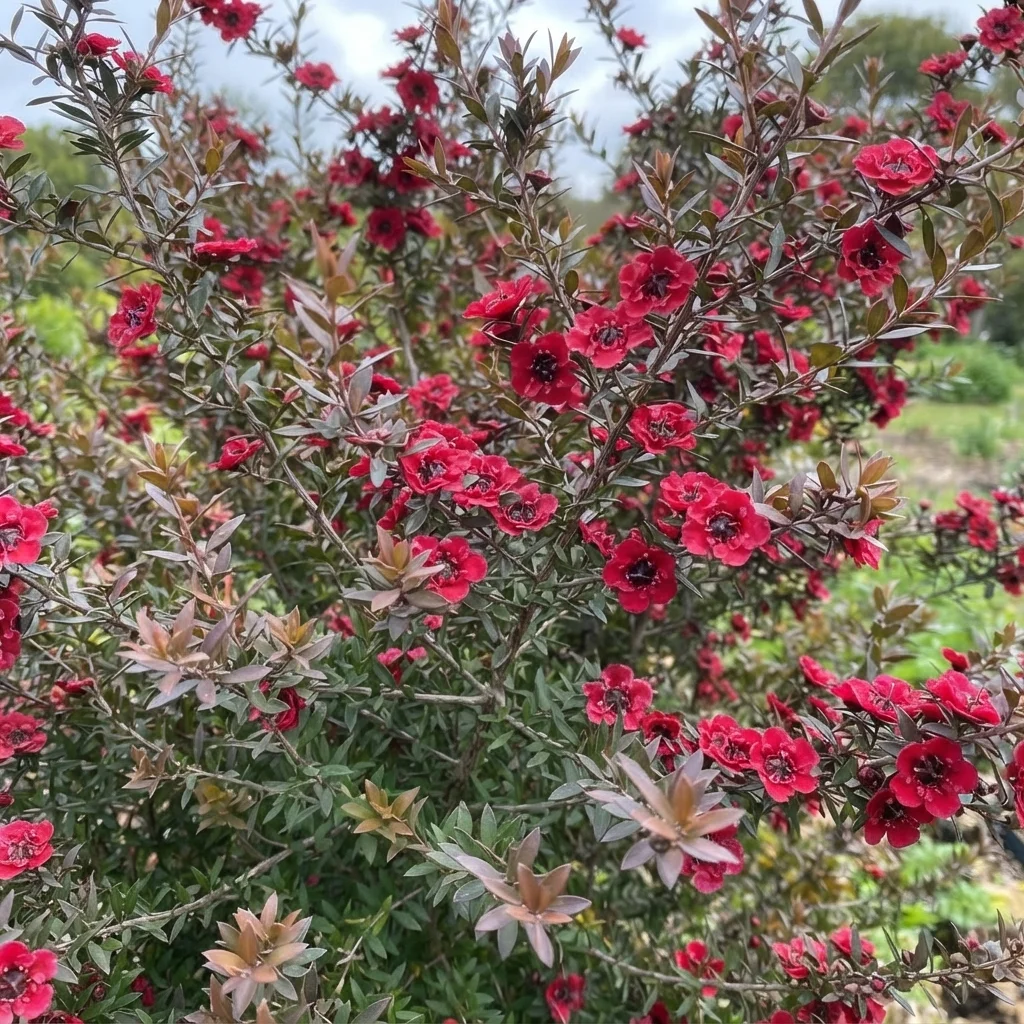
New Zealand Tea Tree
Leptospermum scoparium 'Ruby Glow'
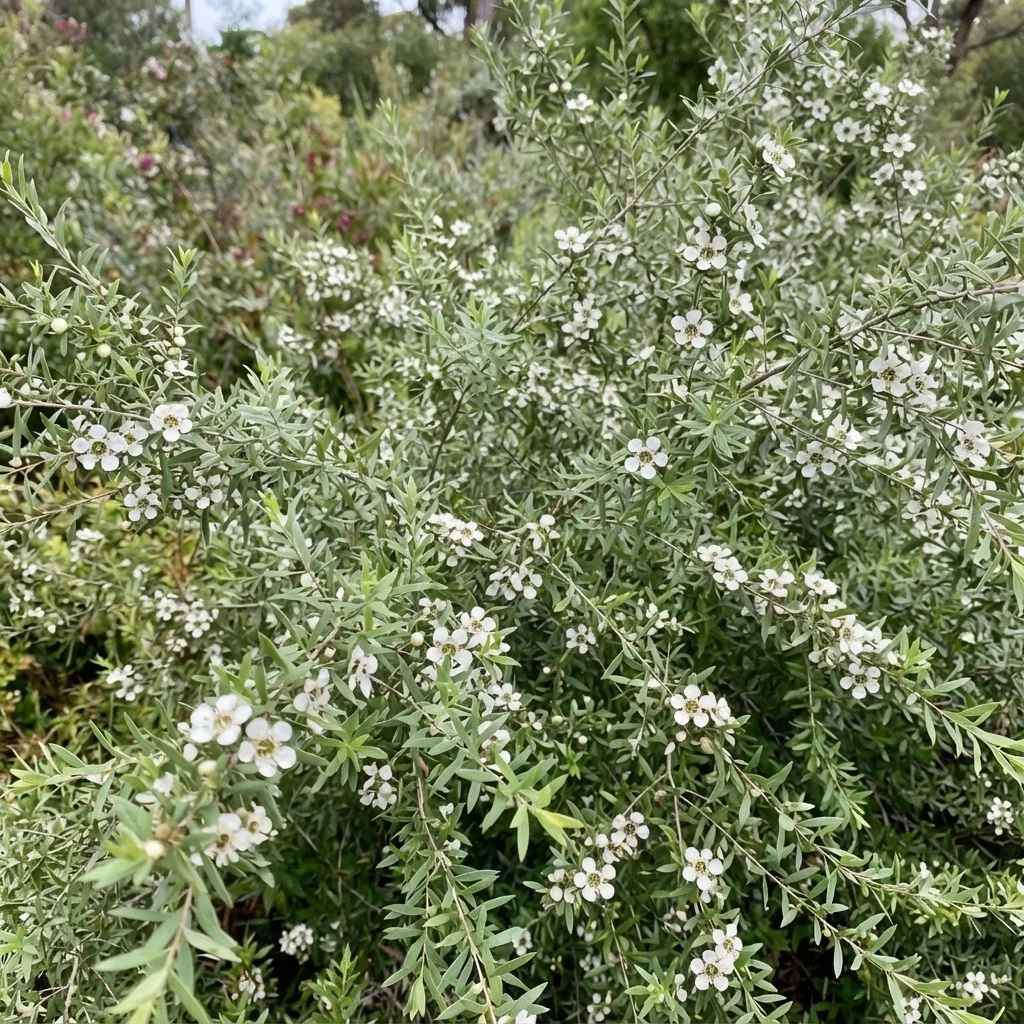
Tantoon
Leptospermum polygalifolium
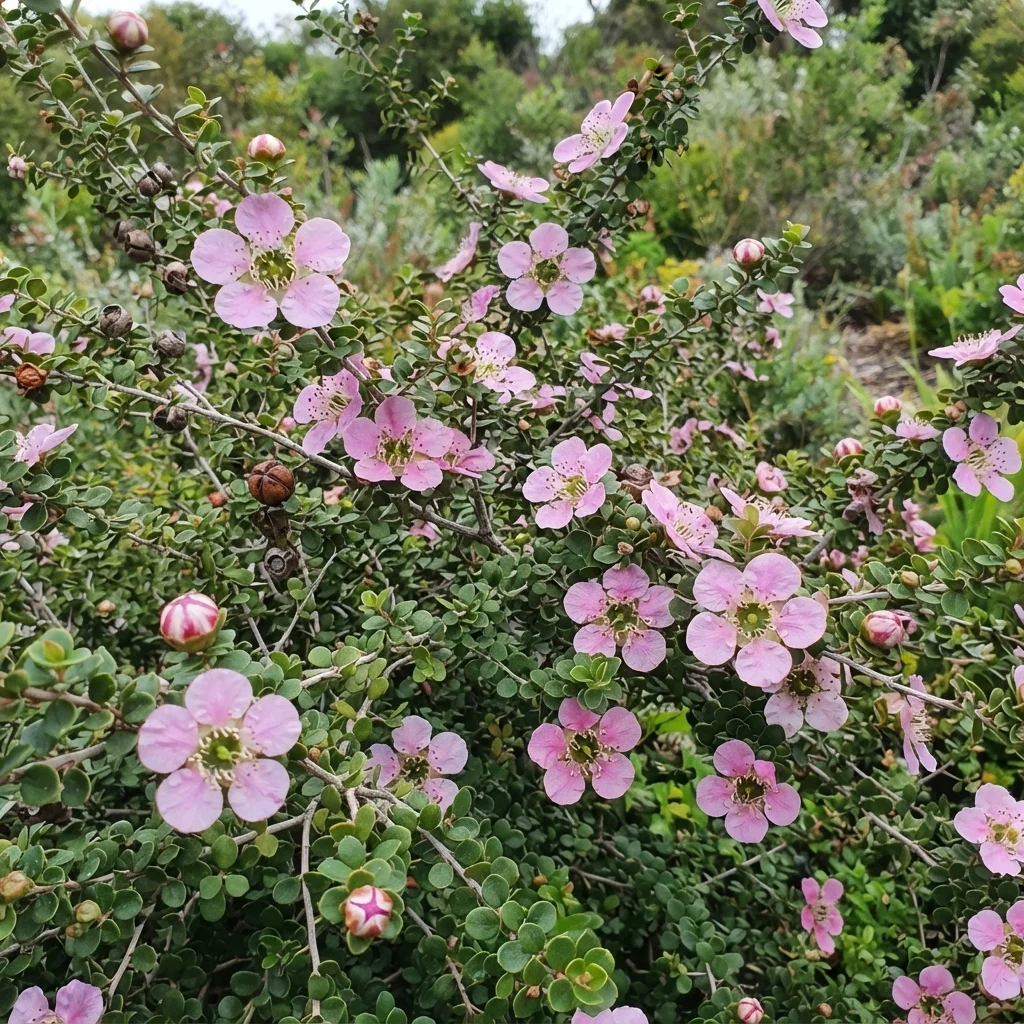
Round-leaved Tea Tree
Leptospermum rotundifolium
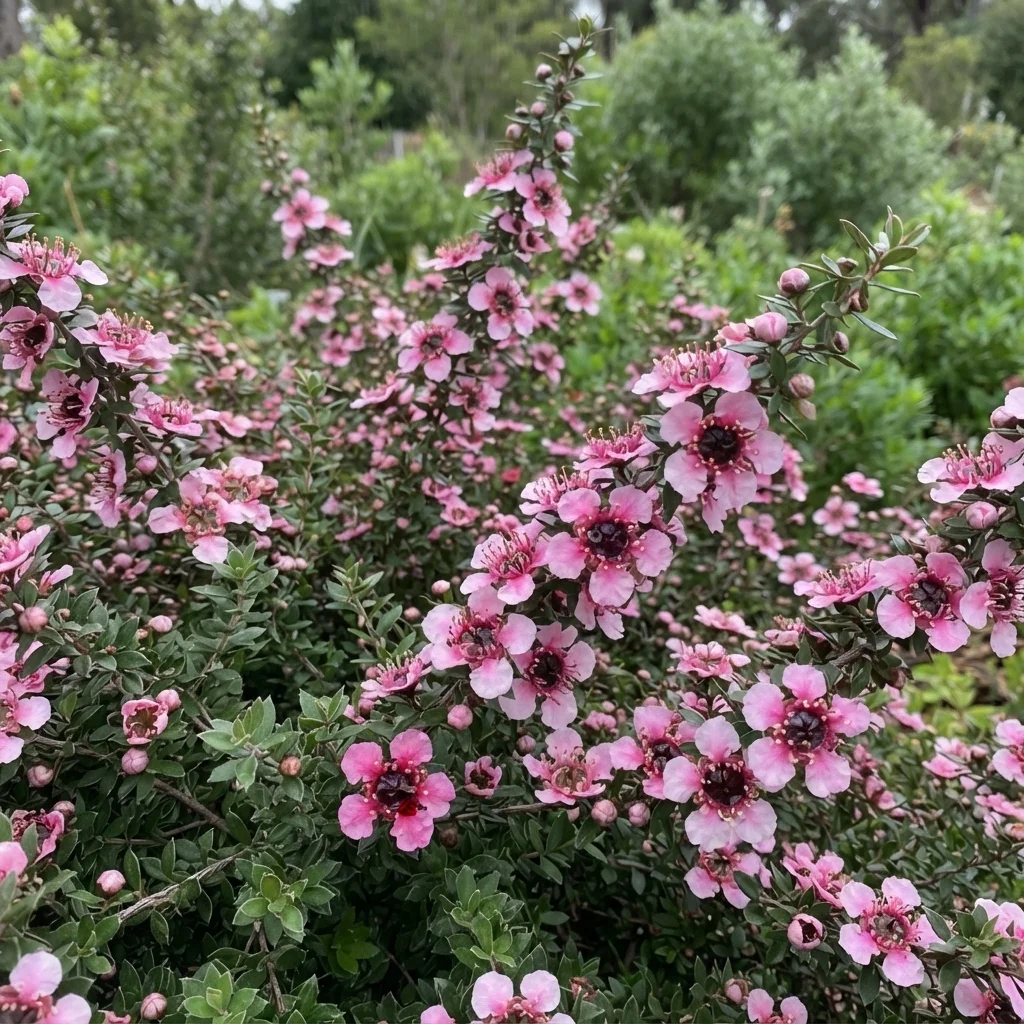
Mesmer Eyes Tea Tree
Leptospermum hybrid 'Mesmer Eyes'
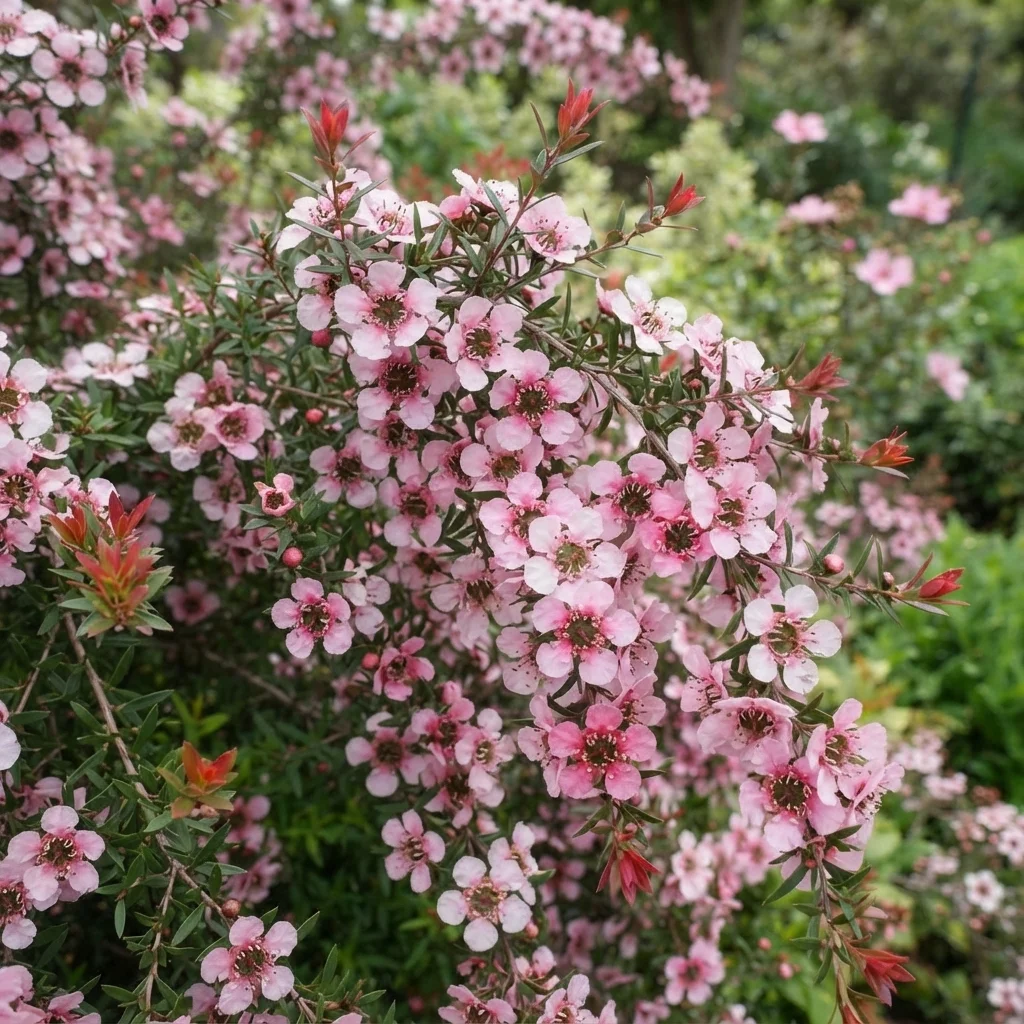
Pink Cascade Tea Tree
Leptospermum x hybrida 'Pink Cascade'
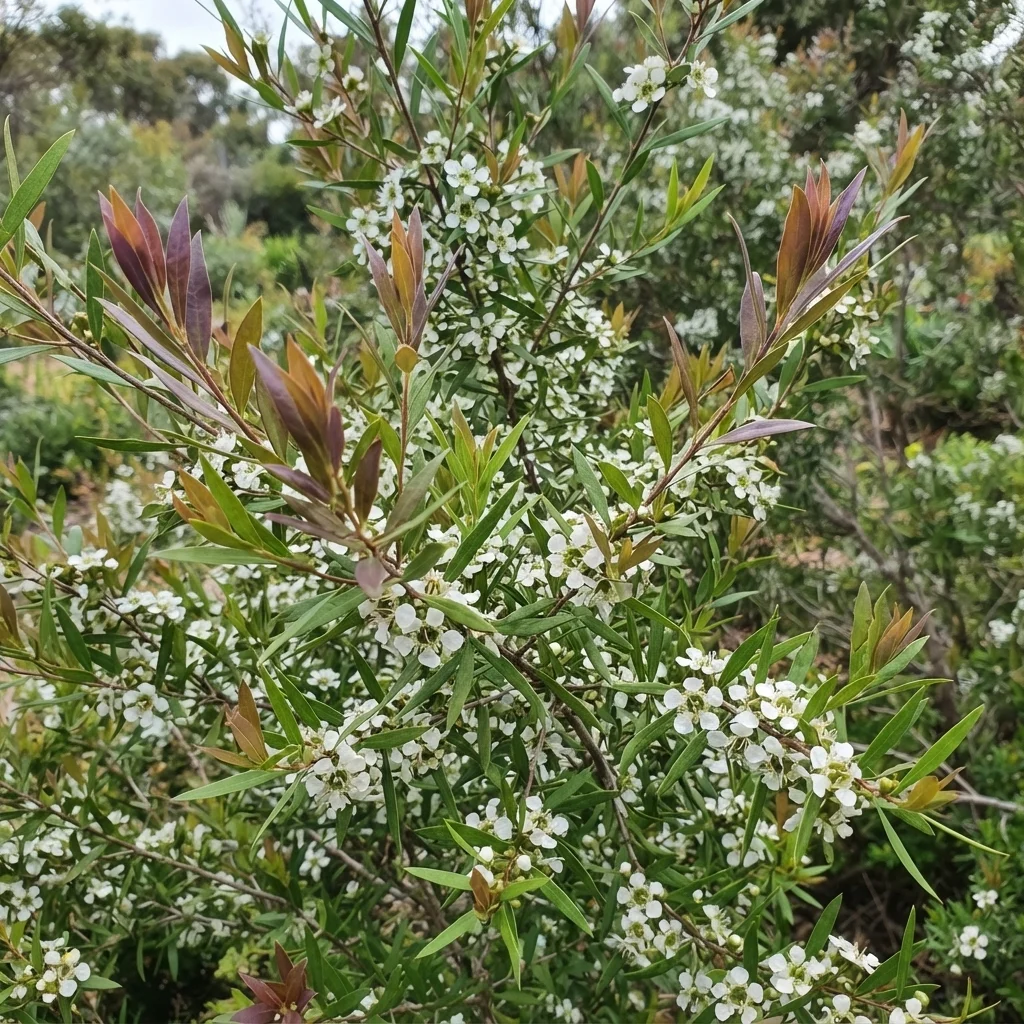
Lemon-Scented Tea Tree
Leptospermum petersonii
Keep exploring
Explore the genus
Hardy in your zone?
Grow Large-leaf Yellow Teatree with confidence
See it in a design of your actual yard, get zone-matched care reminders, and track it season by season in your garden journal.