The Story
Plant Bio
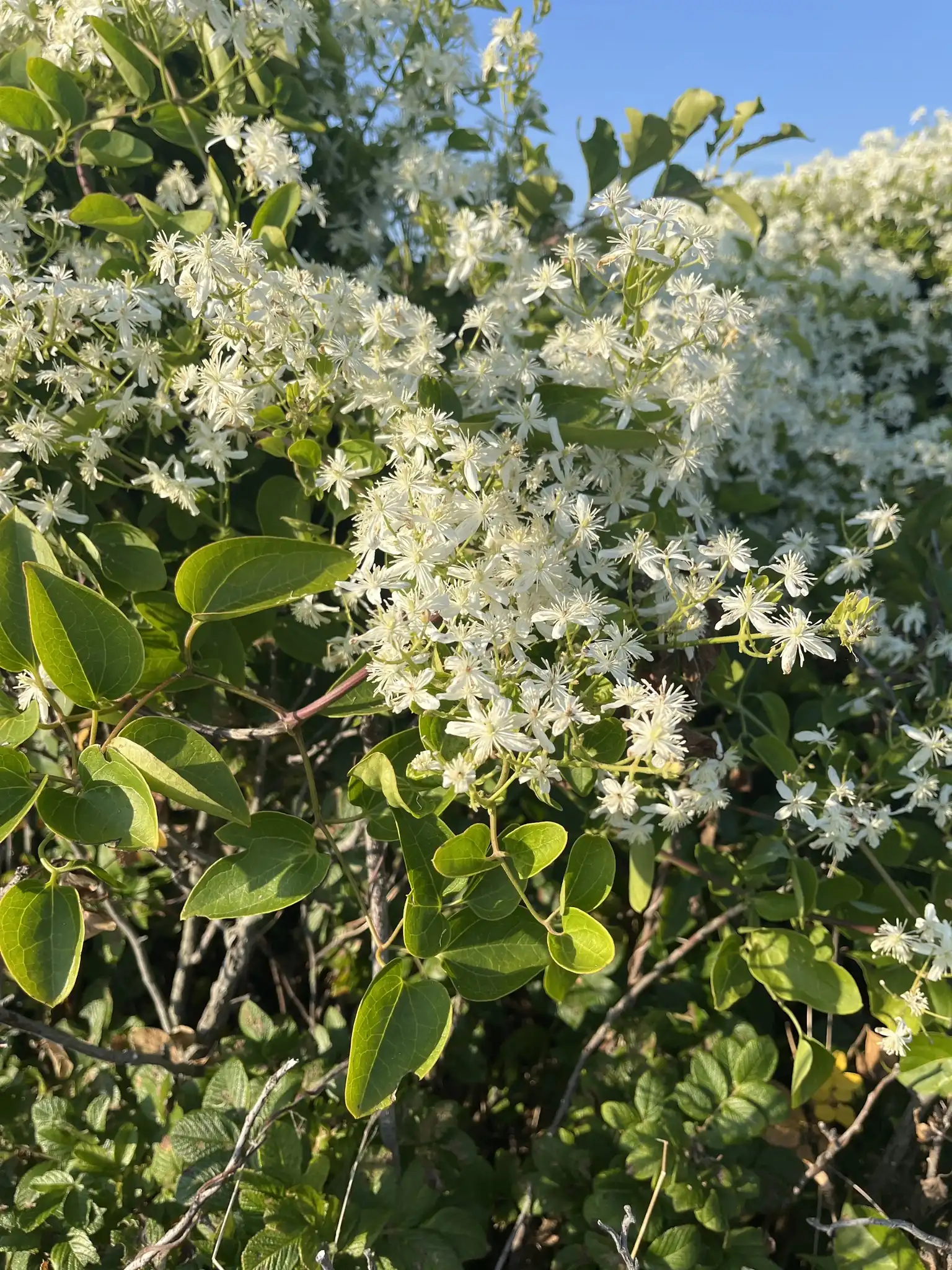
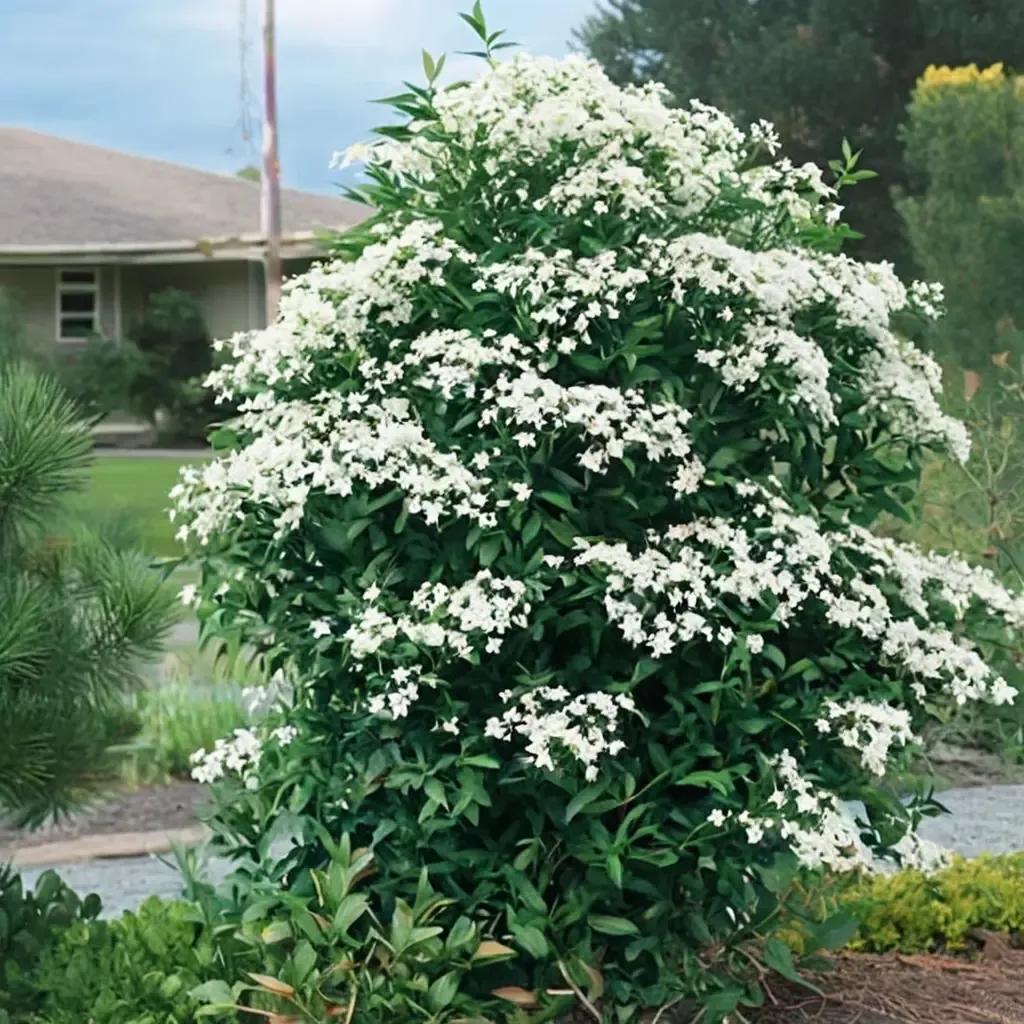
Clematis terniflora, sweet autumn clematis, is a vigorous woody twining vine from China and Japan, climbing fifteen to thirty feet in a season on shallowly grooved stems that shred longitudinally with age. In late summer and autumn it covers itself completely in small cross-shaped white flowers with a strong hawthorn-like scent, followed by silvery feathered seedheads.
NCSU lists it as a weed, and it is invasive across much of the eastern United States, where its enormous seed crop carries it into woodland edges. The native Clematis virginiana looks almost identical and behaves — tell them apart by the leaflets, which are toothed on the native and smooth-edged on this one. Plant the native instead where you have the choice.
Uses & Benefits:
Essentials
At a Glance
Plant Type
Vine
Height
240"
Width
96"
Light
Full Sun, Partial Sun
Zones
4, 5, 6, 7, 8, 9
Water
Moderate
Humidity
Moderate
Lifespan
Perennial
Native To
Central and southern China to Japan
Toxicity
Sap can irritate skin
Marketplace
Where to Buy
Shipping costs Year-round shipping Free shipping
Planting
How to Grow
- Check your state's invasive listing before planting.
- Prefer native Clematis virginiana where available.
- Give it full sun to partial shade and free drainage.
- Provide a strong support; it is genuinely heavy.
- Cut it back hard in late winter — it flowers on new wood.
- Remove seedheads before they disperse.
Pro Tip
Check the leaflet edges to tell it from the native: toothed means Clematis virginiana, smooth-edged means this invasive species.
Keep It Thriving
Care Guide
Do
- Cut it hard back in late winter ✂️
- Remove seedheads before they blow ✂️
- Give it a genuinely strong support 🏗️
- Check local invasive listings first ⚠️
Don't
- Let it seed near woodland ❌
- Grow it up a living tree ❌
- Confuse it with the native virgin's bower ❌
Seasonal Care Calendar
| Task | Jan | Feb | Mar | Apr | May | Jun | Jul | Aug | Sep | Oct | Nov | Dec |
|---|---|---|---|---|---|---|---|---|---|---|---|---|
| Deadhead | ||||||||||||
| Prune |
Watch Out For
Pests & Diseases
Common Pests
Common Diseases
In the Garden
Landscape Uses & Companions
Landscape Uses
Companion Plants
Multiply
Propagation Methods
Good to Know
Common Questions
Sweet Autumn Clematis questions
What zones can Sweet Autumn Clematis grow in?
Sweet Autumn Clematis is hardy in USDA Zones 4–9. Inside that range it survives winter in the ground; outside it, grow it as an annual or a container plant you protect.
Is Sweet Autumn Clematis deer resistant?
Yes — Sweet Autumn Clematis is rated deer-resistant. Deer typically pass it over, though extreme hunger can override any plant's defenses.
When does Sweet Autumn Clematis bloom?
Sweet Autumn Clematis typically blooms in late summer to fall through early fall. Exact timing shifts a week or two with your zone — Sow's bloom calendar maps it to your garden.
Does Sweet Autumn Clematis need full sun?
Sweet Autumn Clematis does best in full sun to part shade. In hot climates, afternoon shade keeps blooms fresher longer.
Is Sweet Autumn Clematis drought tolerant?
Yes — once established (usually after the first full season), Sweet Autumn Clematis handles dry spells with minimal watering. Water deeply its first year to build the root system that makes that possible.
More Clematis to compare
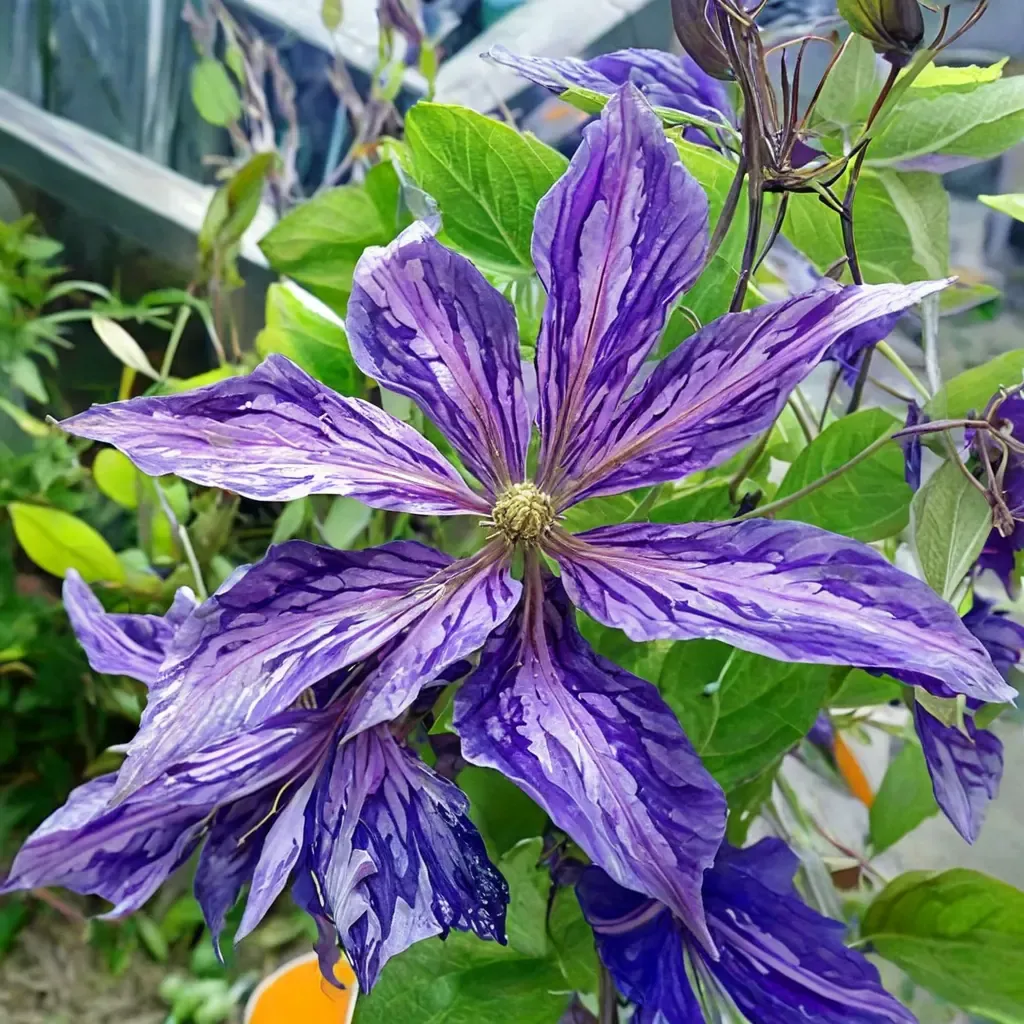
Tie Dye Clematis
Clematis viticella 'Tie Dye'
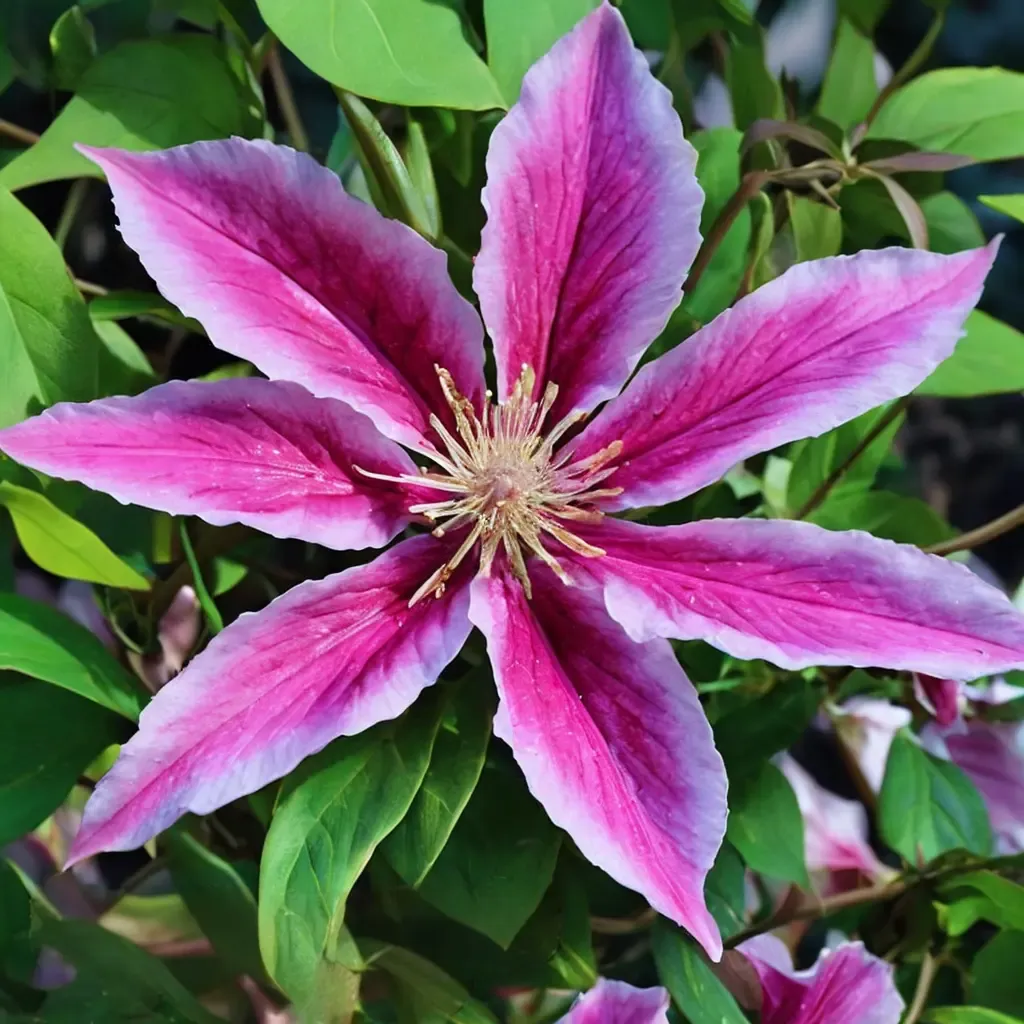
Dr. Ruppel Clematis
Clematis x jackmanii 'Dr Ruppel'
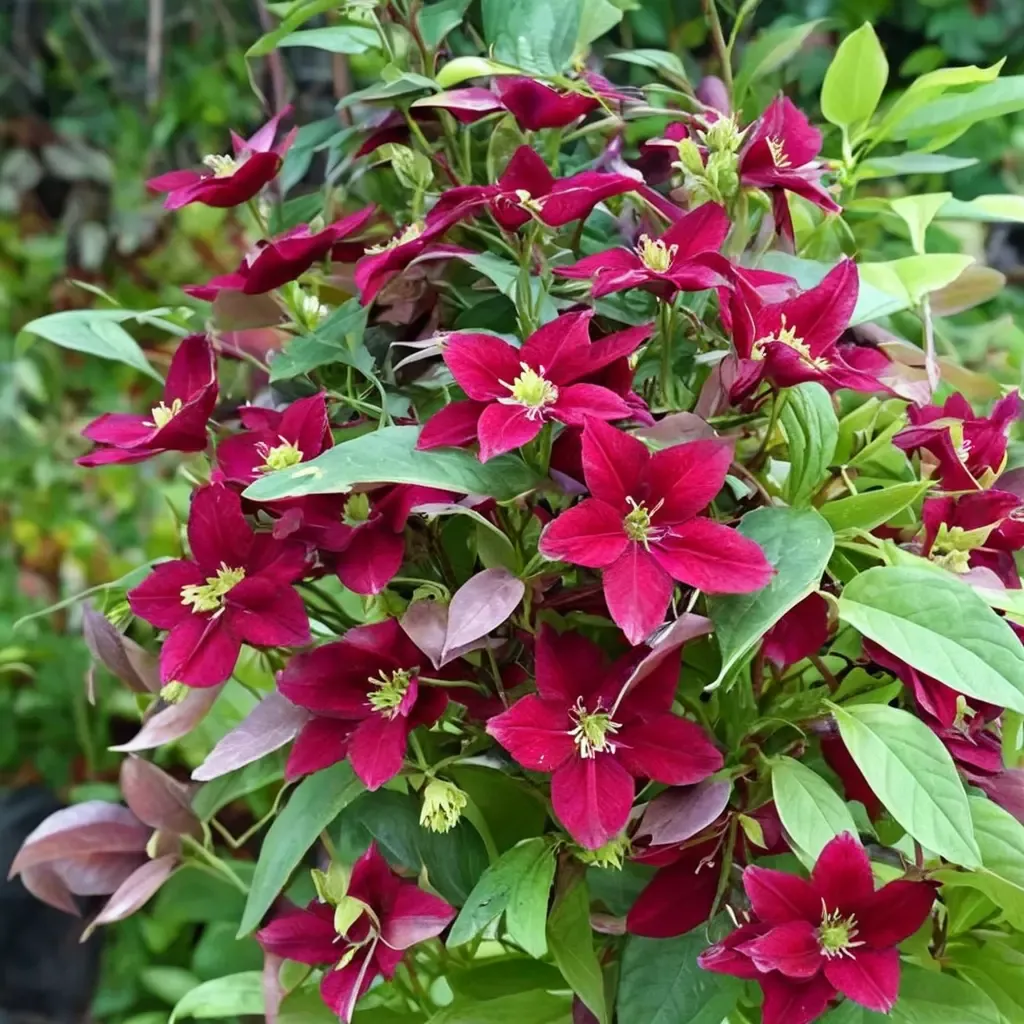
Burning Love Clematis
Clematis x cartmanii 'Burning Love'
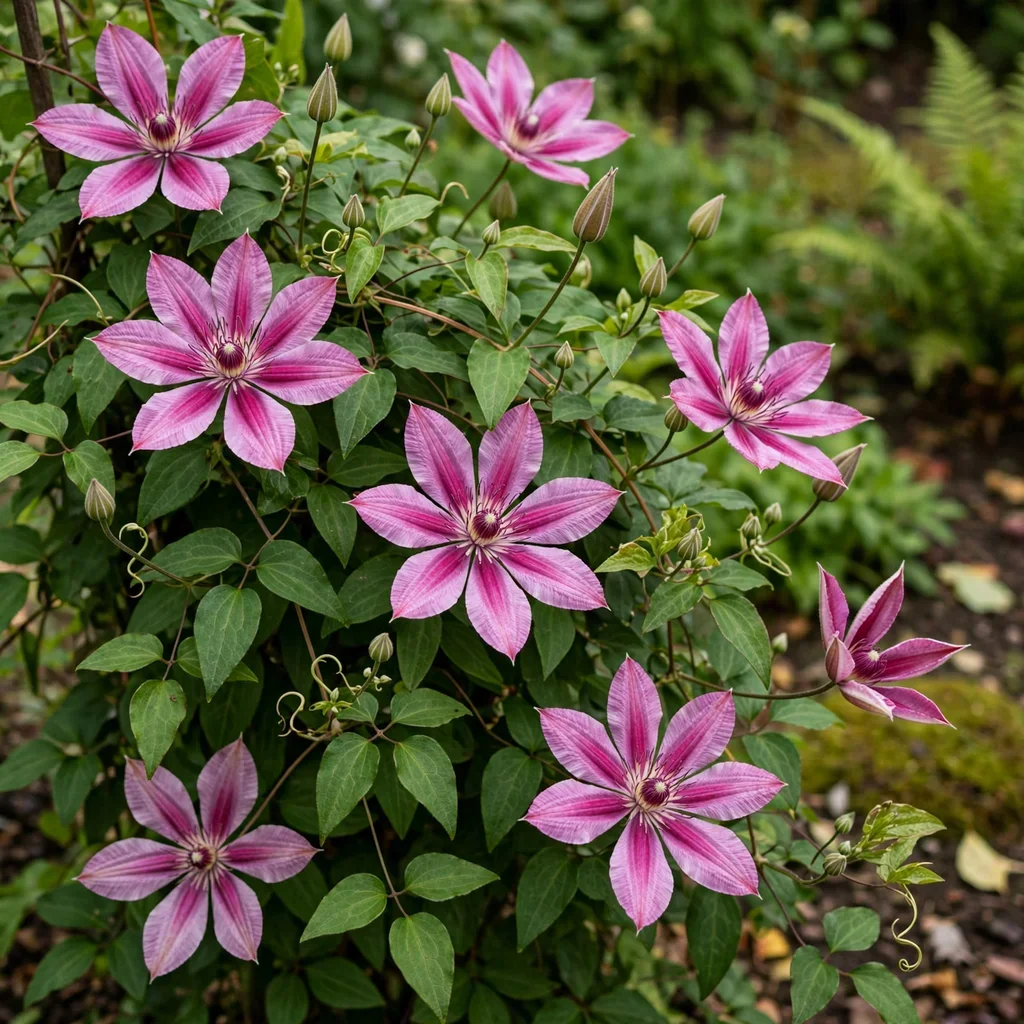
Yuan Clematis
Clematis viticella 'Yuan'
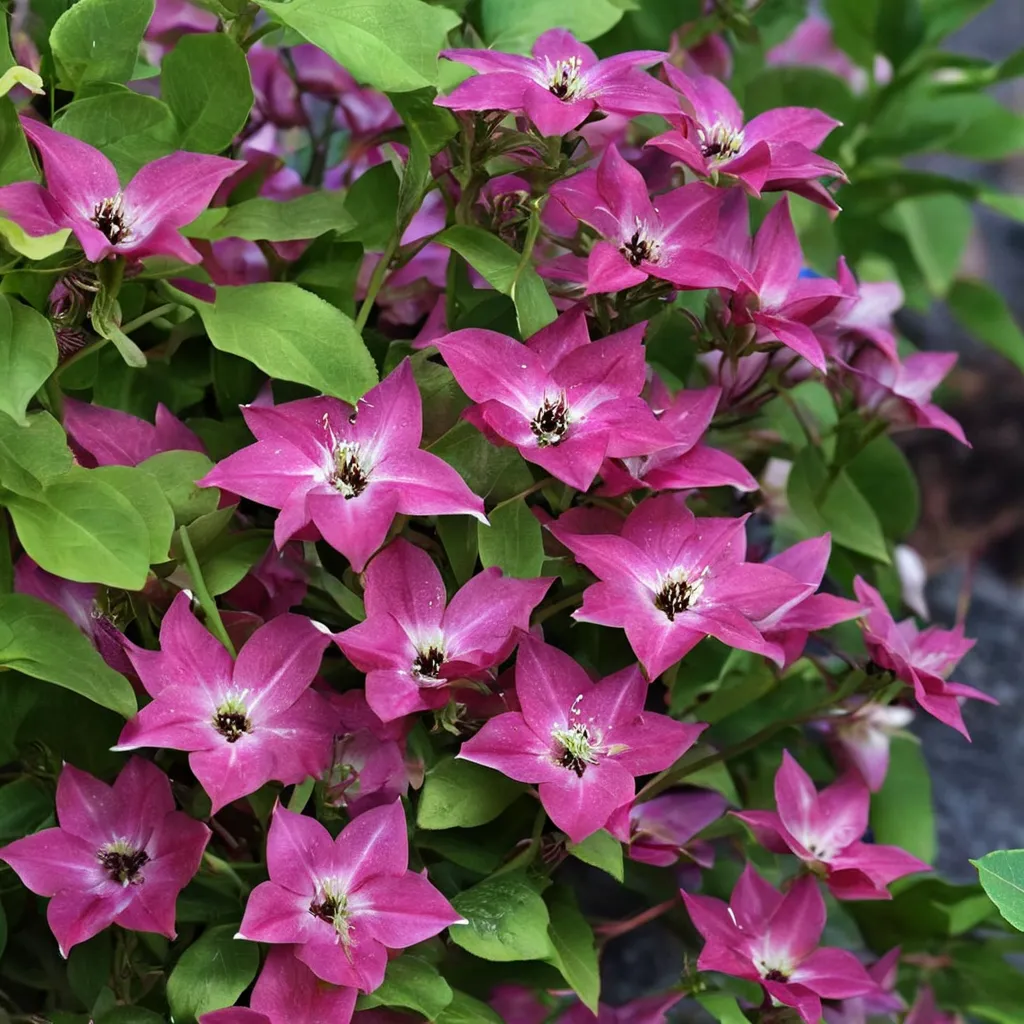
Viva Polonia Clematis
Clematis x hybrida 'Viva Polonia'
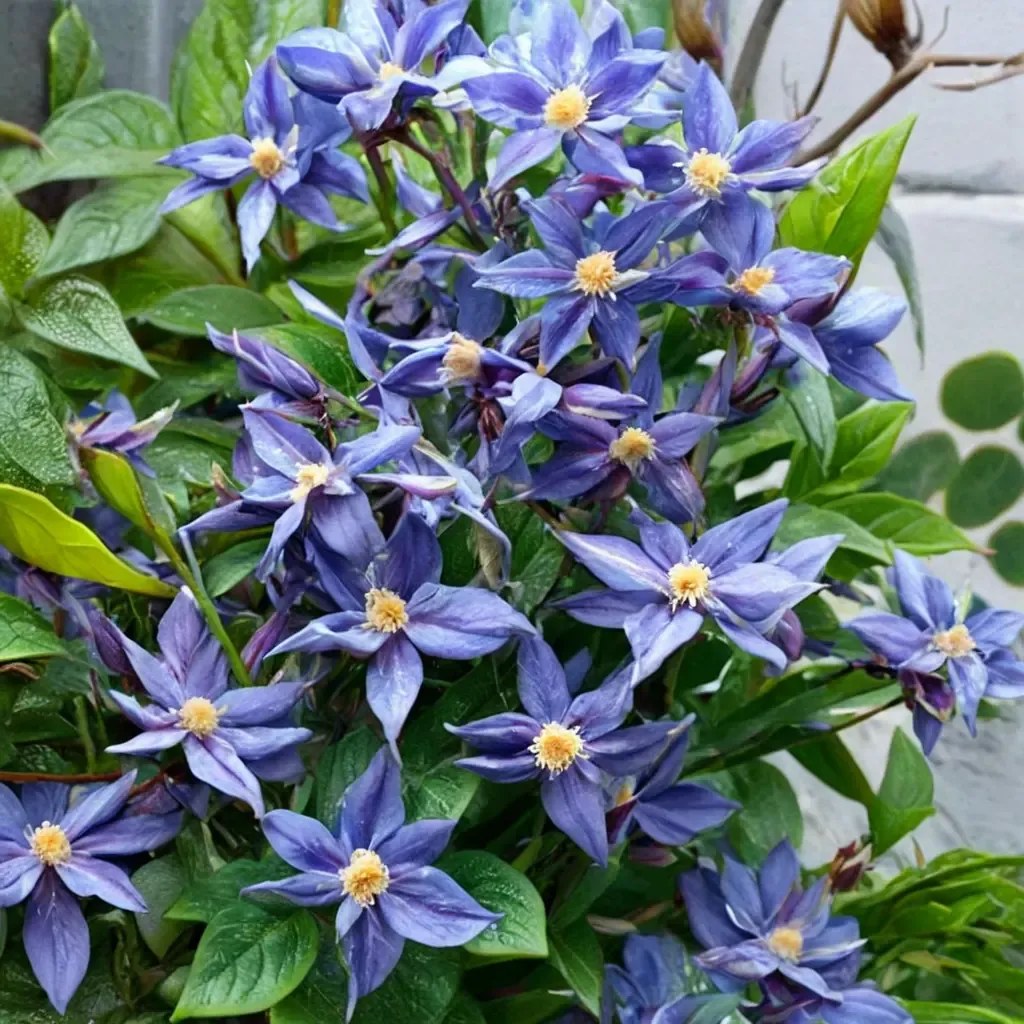
Tsukiko Clematis
Clematis x durandii 'Tsukiko'
Keep exploring
Explore the genus
Grow Sweet Autumn Clematis with confidence
See it in a design of your actual yard, get zone-matched care reminders, and track it season by season in your garden journal.