The Story
Plant Bio
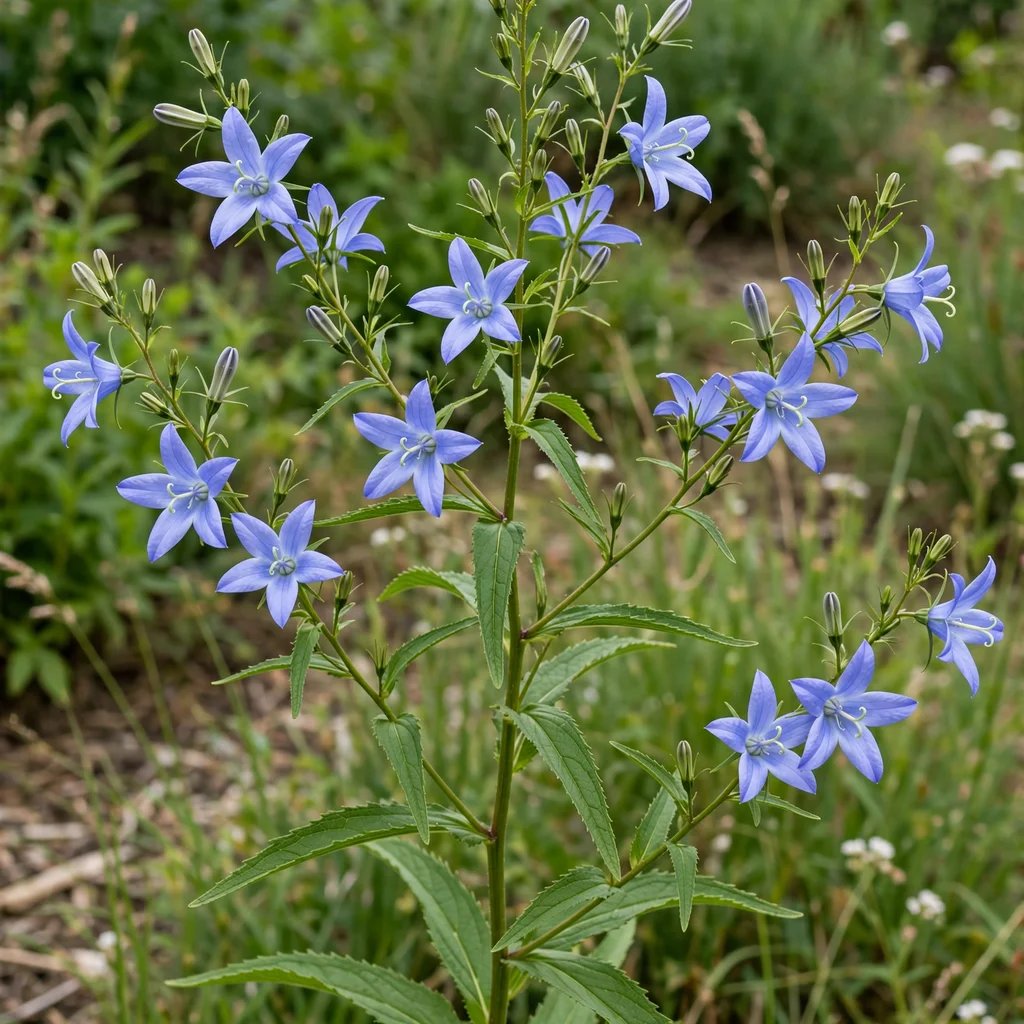
Campanulastrum americanum, known as tall bellflower, is an erect herbaceous native annual or biennial producing a slender central stem lined with alternate, lance-shaped serrated leaves. Flat, five-lobed blue blooms with prominent curved styles emerge along elongated terminal spikes from midsummer into early fall.
Unlike traditional cup-shaped bellflowers, this species produces flat wheel-shaped flowers featuring a pale ring at the throat. It persists in naturalistic garden settings by self-seeding, forming low basal rosettes in its first year before flowering on tall stems in the second.
Uses & Benefits:
Essentials
At a Glance
Plant Type
Annual
Height
72"
Width
24"
Light
Partial Sun, Shade
Zones
4, 5, 6, 7, 8
Water
High
Humidity
Moderate to High
Lifespan
Annual / Biennial
Native To
Eastern and Central North America
Toxicity
Non-toxic
Bloom period
Mid summer – Early fall
In flower about 3 months of the year
Planting
How to Grow
- Select a planting location in partial sun or dappled shade with rich, moist soil.
- Incorporate leaf mold or compost into the planting hole to maximize organic moisture retention.
- Space plants 12 to 18 inches apart to accommodate their mature height and narrow habit.
- Keep soil consistently moist throughout the first growing season until plants establish.
Pro Tip
Do not weed out the low basal rosettes during their first year, as removing these young plants will eradicate self-seeding stands.
Keep It Thriving
Care Guide
Do
- Keep soil evenly moist, especially during hot summer months.
- Allow flower stalks to mature fully if natural self-seeding is desired.
- Provide dappled shade in hot afternoon environments to prevent leaf scorch.
Don't
- Do not allow soil to dry out completely during active growth.
- Do not pull up low basal foliage during autumn or early spring weeding.
- Do not cut stems back into old bare wood.
Seasonal Care Calendar
| Task | Jan | Feb | Mar | Apr | May | Jun | Jul | Aug | Sep | Oct | Nov | Dec |
|---|---|---|---|---|---|---|---|---|---|---|---|---|
| Deadhead | ||||||||||||
| Mulch | ||||||||||||
| Plant | ||||||||||||
| Spring Cleanup | ||||||||||||
| Winter Prep |
Watch Out For
Pests & Diseases
Common Pests
Common Diseases
In the Garden
Landscape Uses & Companions
Landscape Uses
Multiply
Propagation Methods
Good to Know
Common Questions
Tall Bellflower questions
What zones can Tall Bellflower grow in?
Tall Bellflower is hardy in USDA Zones 4–8. Inside that range it survives winter in the ground; outside it, grow it as an annual or a container plant you protect.
Is Tall Bellflower deer resistant?
Not reliably. Deer may browse Tall Bellflower, especially tender spring growth — plan on repellents or fencing where pressure is high.
When does Tall Bellflower bloom?
Tall Bellflower typically blooms in mid summer through early fall. Exact timing shifts a week or two with your zone — Sow's bloom calendar maps it to your garden.
Does Tall Bellflower need full sun?
Tall Bellflower does best in part shade.
More Campanula to compare
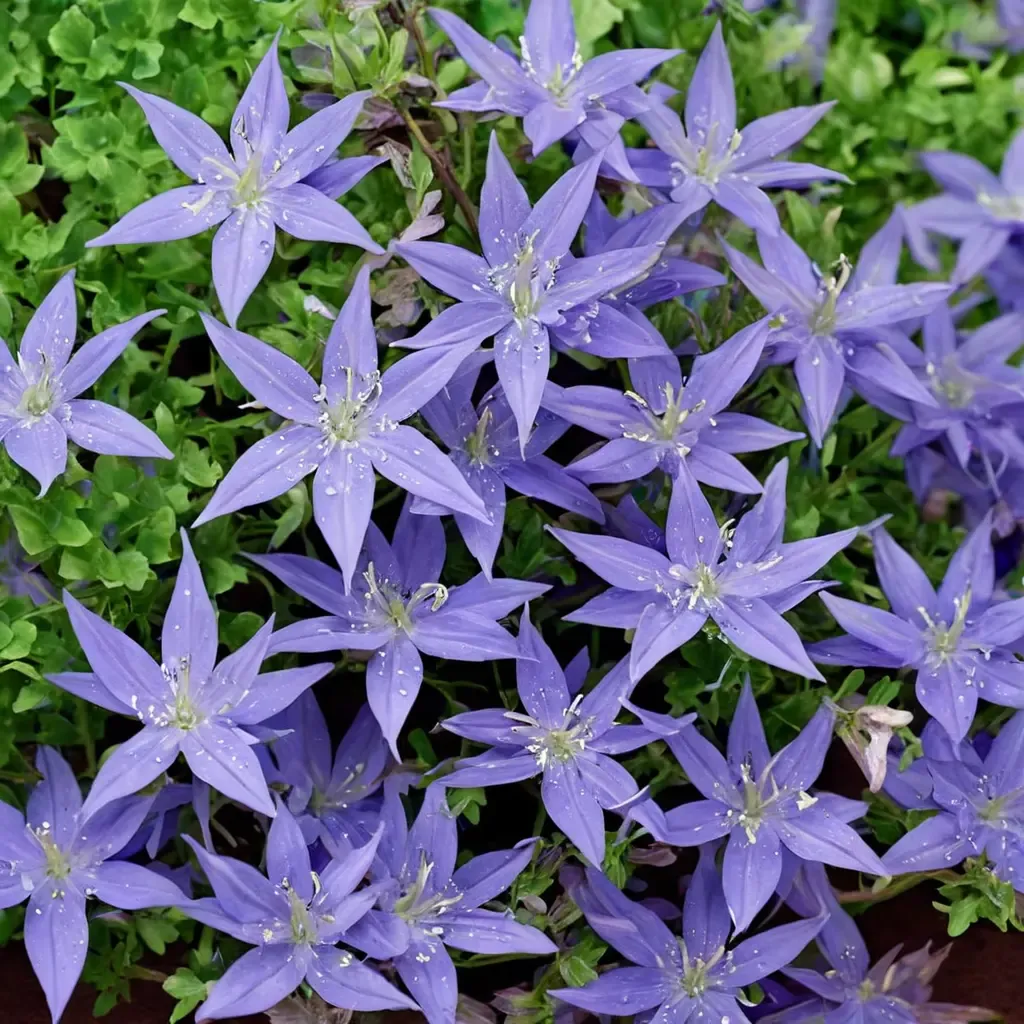
Blue Waterfall Bellflower
Campanula poscharskyana 'Blue Waterfall'
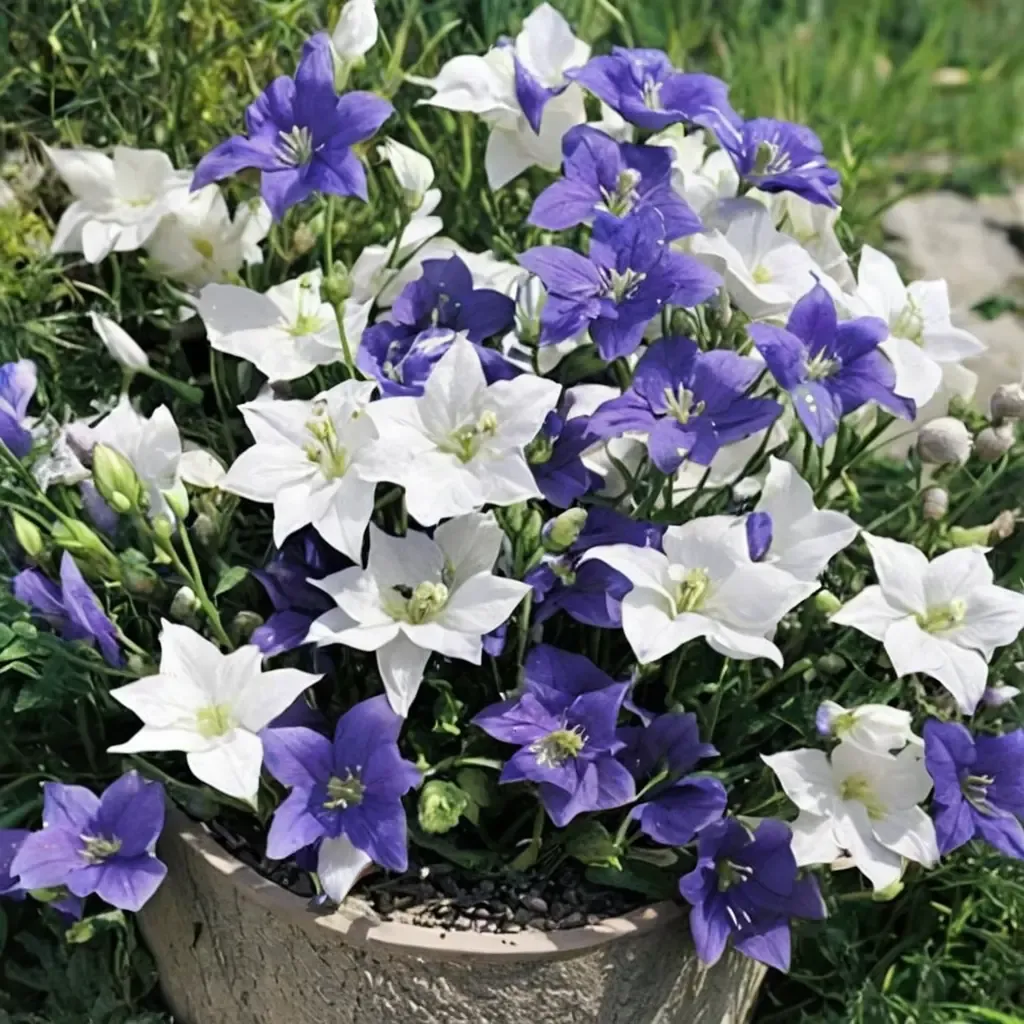
Carpathian Bellflower
Campanula carpatica 'Mix'
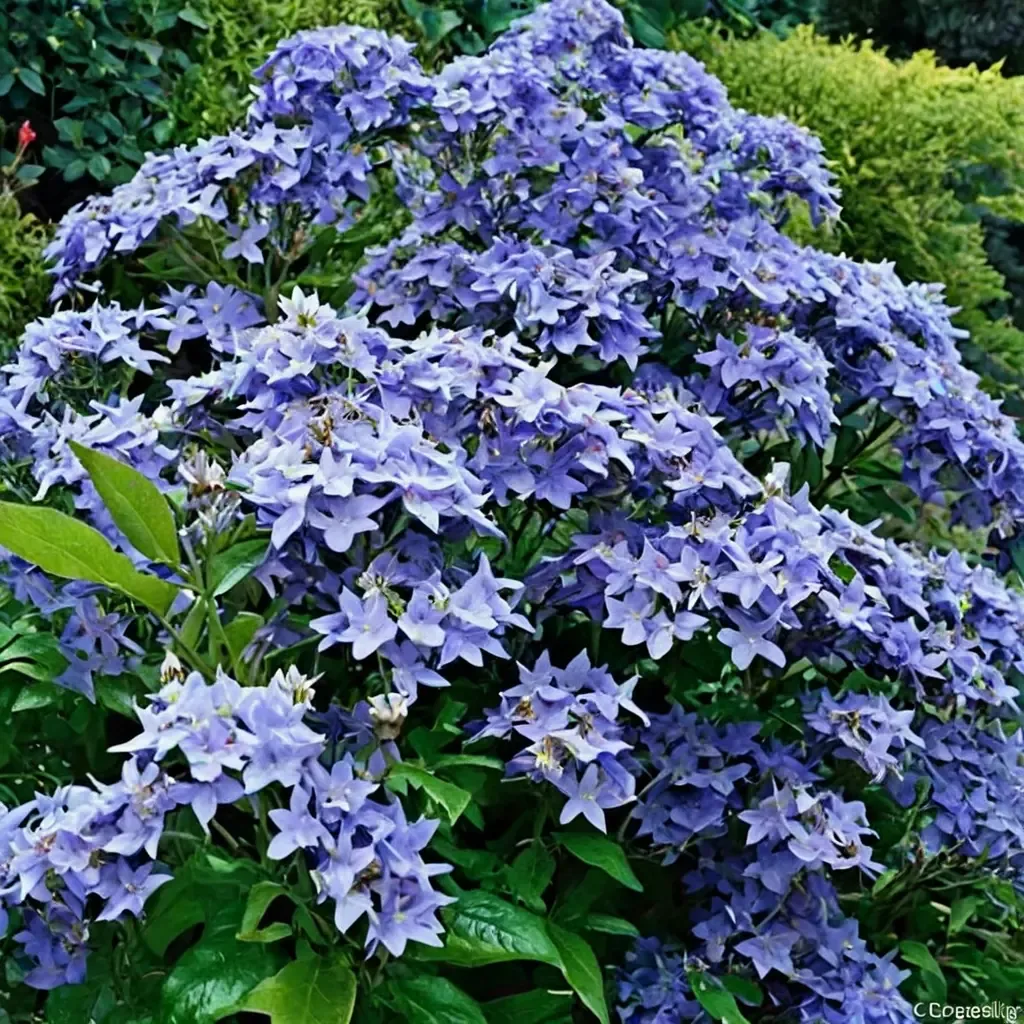
Prichard Milky Bellflower
Campanula lactiflora 'Prichard'
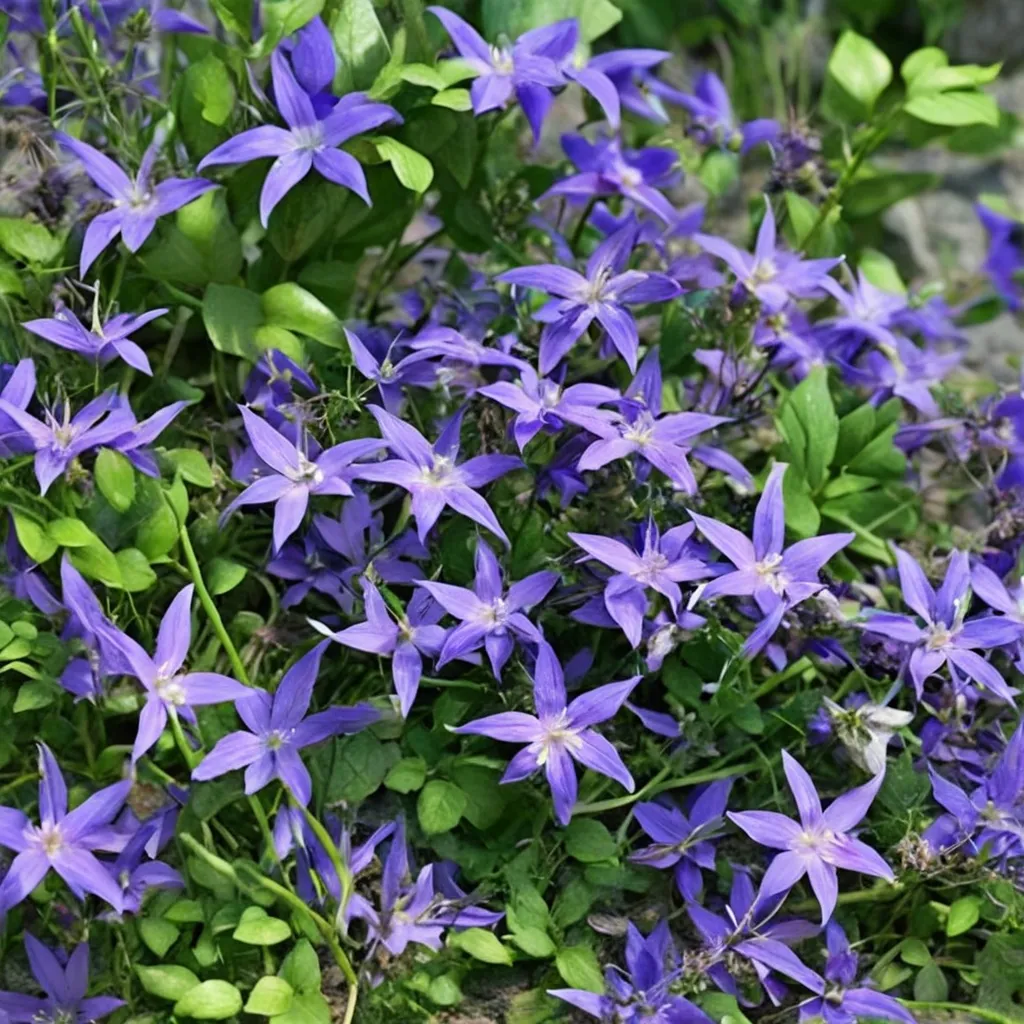
Serrated Bellflower
Campanula poscharskyana 'Stella'
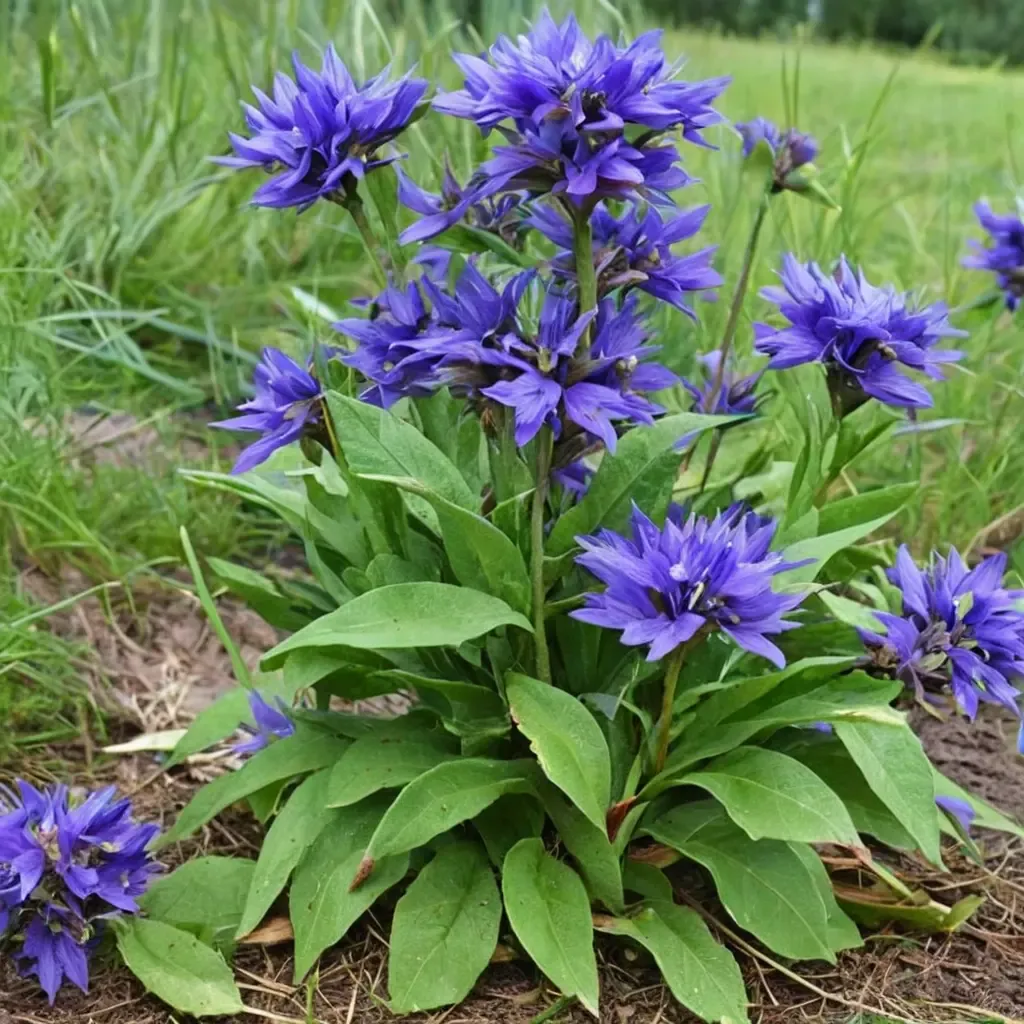
Clustered Bellflower
Campanula glomerata
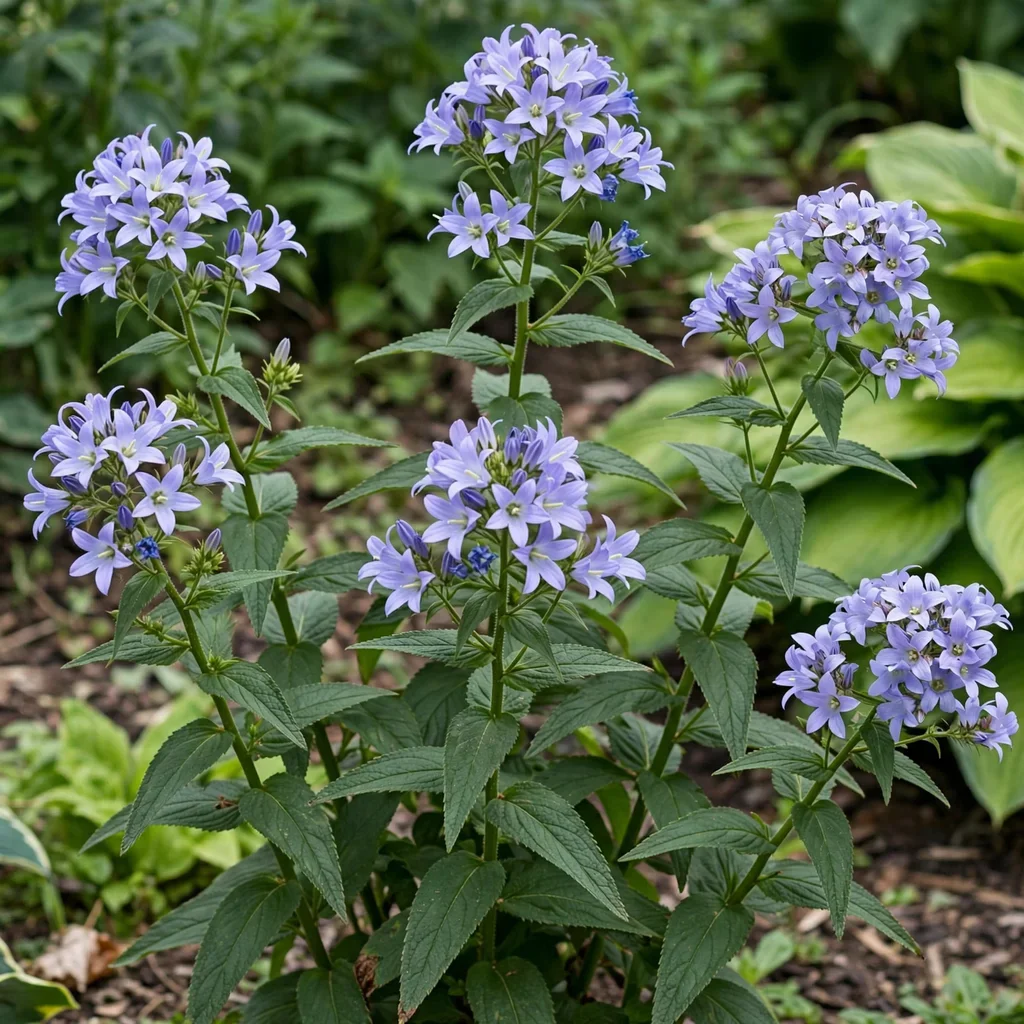
Prichard's Variety Milky Bellflower
Campanula lactiflora 'Prichard's Variety'
Keep exploring
Explore the genus
Hardy in your zone?
Grow Tall Bellflower with confidence
See it in a design of your actual yard, get zone-matched care reminders, and track it season by season in your garden journal.