The Story
Plant Bio
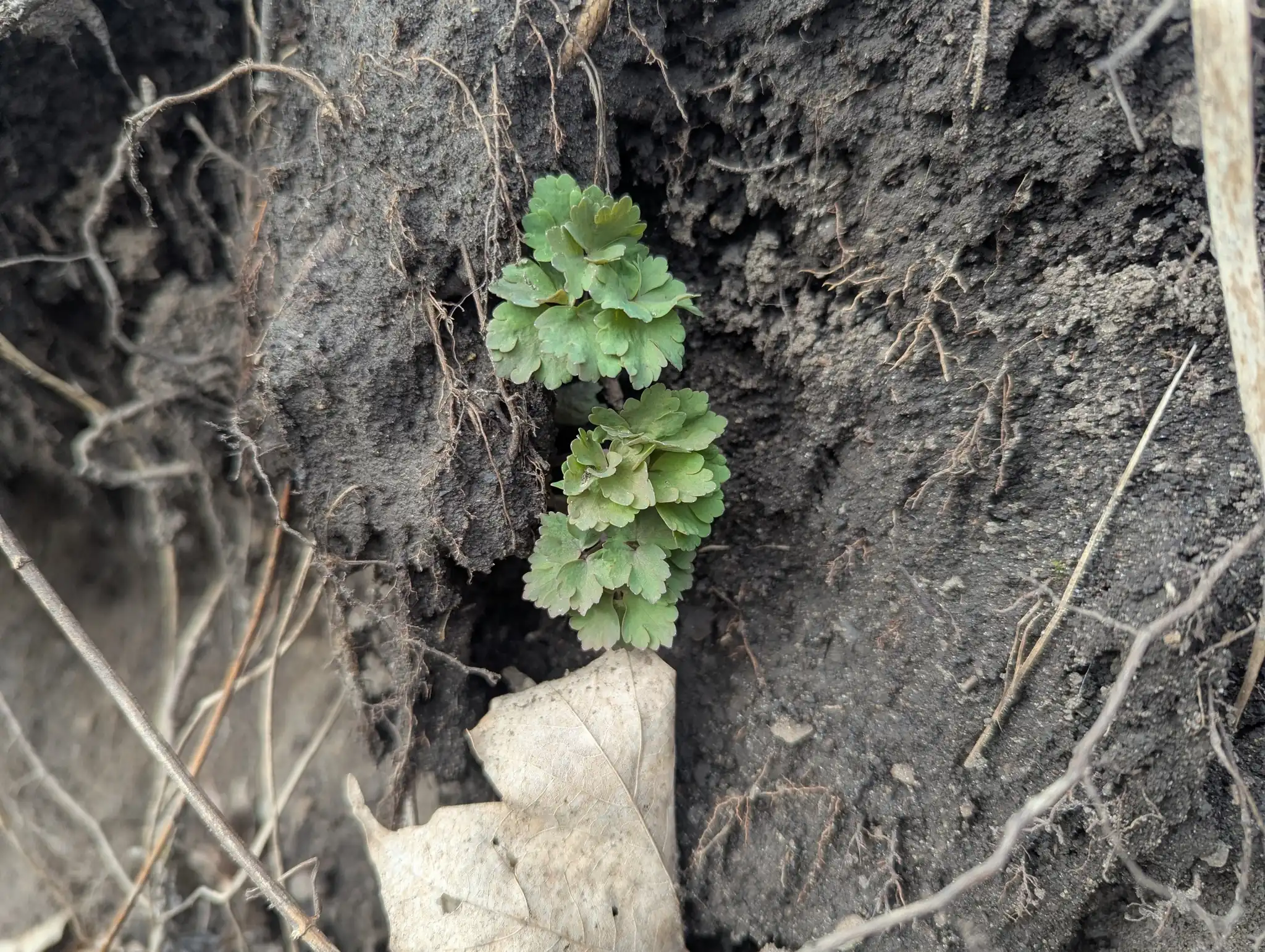
Thalictrum dioicum is an upright, clump-forming herbaceous perennial native to rich deciduous woodlands across eastern and central North America. Its delicate, ternately compound foliage closely resembles maidenhair fern, emerging with reddish stems before maturing to a soft bluish-green.
As a dioecious species, individual plants bear exclusively male or female flowers in early spring without petals. Male plants produce drooping, tassel-like clusters of yellow-green stamens, while female plants display subtle purplish pistils designed for wind pollination.
Uses & Benefits:
Essentials
At a Glance
Plant Type
Perennial
Height
36"
Width
24"
Light
Partial Sun, Shade
Zones
4, 5, 6, 7, 8
Water
Moderate
Humidity
Low to Moderate
Lifespan
Perennial
Native To
North America
Toxicity
Toxic if ingested
Bloom period
Early spring – Mid spring
In flower about 2 months of the year
Planting
How to Grow
- Select a sheltered planting location receiving partial to full shade, away from direct afternoon sun.
- Incorporate organic matter or leaf mold into well-draining mesic soil to simulate forest floor conditions.
- Set crowns at soil level, space plants 12 to 24 inches apart, and water thoroughly after planting.
- Apply a shallow top-dressing of leaf mulch annually in fall to preserve moisture and suppress weeds.
Pro Tip
Plant in clusters of at least three to five individuals to ensure both sexes are present if self-sowing and natural seed set are desired in woodland settings.
Keep It Thriving
Care Guide
Do
- Plant in dappled or deep shade to prevent foliage scorch.
- Keep soil consistently moist throughout the spring growing period.
- Mulch with leaf mold annually to mimic rich forest humus.
Don't
- Do not plant in dry, hot locations with direct afternoon sun.
- Do not cut back green active foliage during the mid-summer growing season.
- Do not allow soil around the root crown to become waterlogged during winter dormancy.
Seasonal Care Calendar
| Task | Jan | Feb | Mar | Apr | May | Jun | Jul | Aug | Sep | Oct | Nov | Dec |
|---|---|---|---|---|---|---|---|---|---|---|---|---|
| Divide | ||||||||||||
| Mulch | ||||||||||||
| Pest Check | ||||||||||||
| Spring Cleanup |
Watch Out For
Pests & Diseases
Common Pests
Common Diseases
In the Garden
Landscape Uses & Companions
Landscape Uses
Multiply
Propagation Methods
Good to Know
Common Questions
Early Meadow-Rue questions
What zones can Early Meadow-Rue grow in?
Early Meadow-Rue is hardy in USDA Zones 4–8. Inside that range it survives winter in the ground; outside it, grow it as an annual or a container plant you protect.
Is Early Meadow-Rue deer resistant?
Yes — Early Meadow-Rue is rated deer-resistant. Deer typically pass it over, though extreme hunger can override any plant's defenses.
When does Early Meadow-Rue bloom?
Early Meadow-Rue typically blooms in early spring through mid spring. Exact timing shifts a week or two with your zone — Sow's bloom calendar maps it to your garden.
Does Early Meadow-Rue need full sun?
Early Meadow-Rue does best in part shade.
More Thalictrum to compare
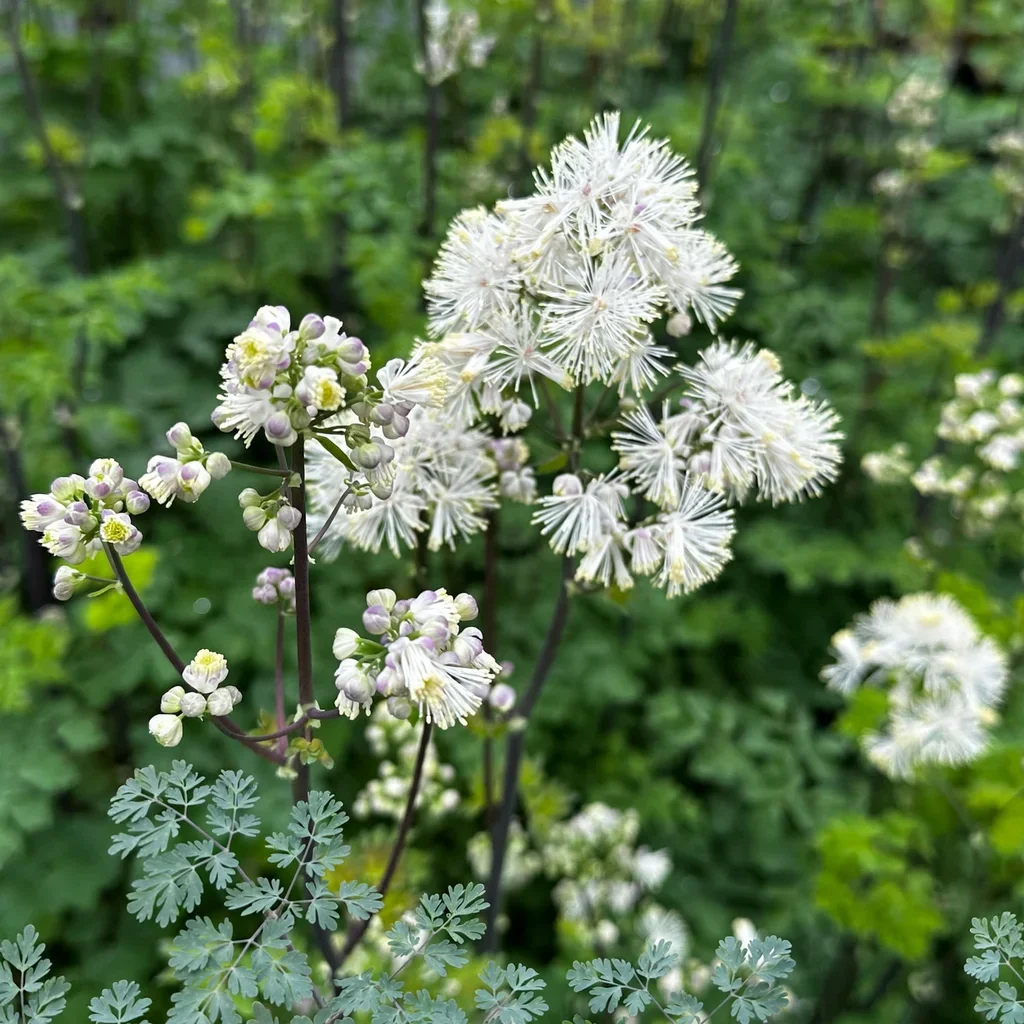
Nimbus White Meadow-rue
Thalictrum aquilegiifolium 'Nimbus White'
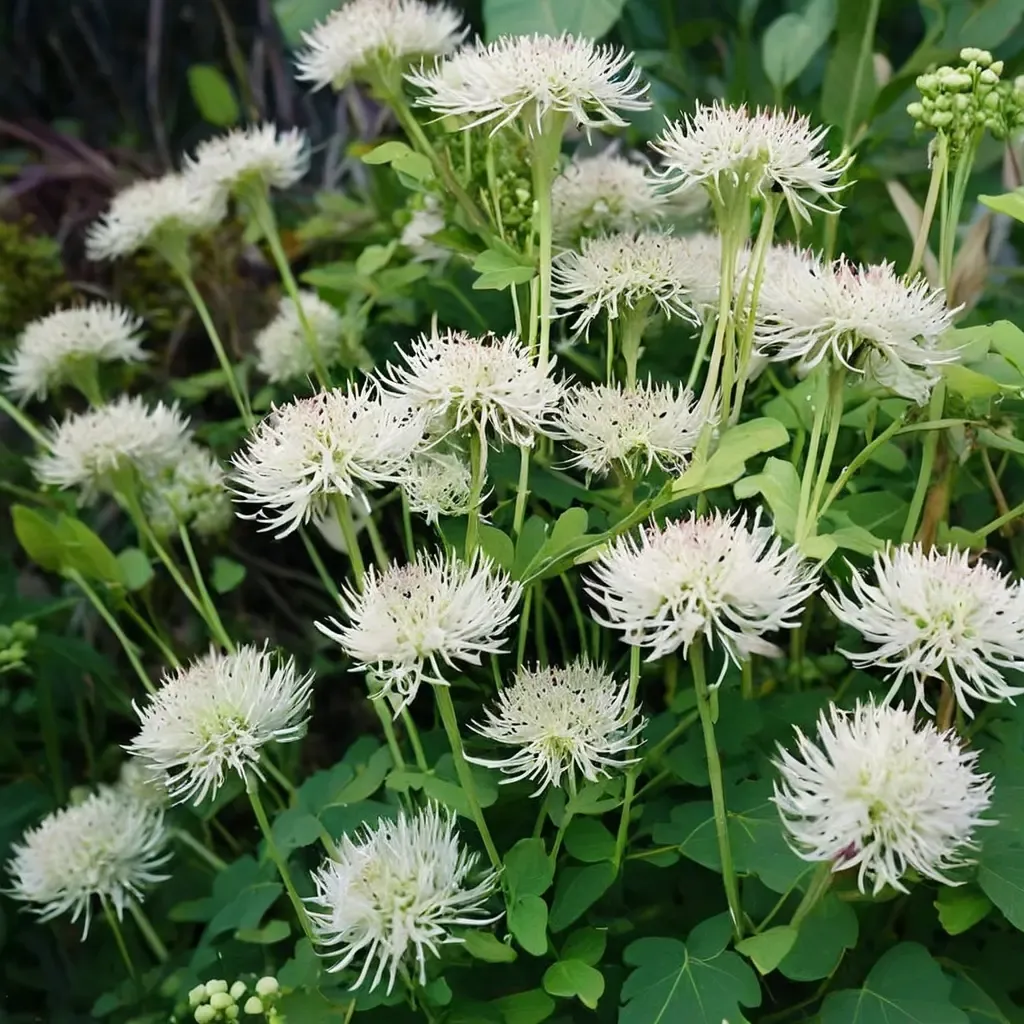
Album White Meadow Rue
Thalictrum aquilegiifolium 'Album'
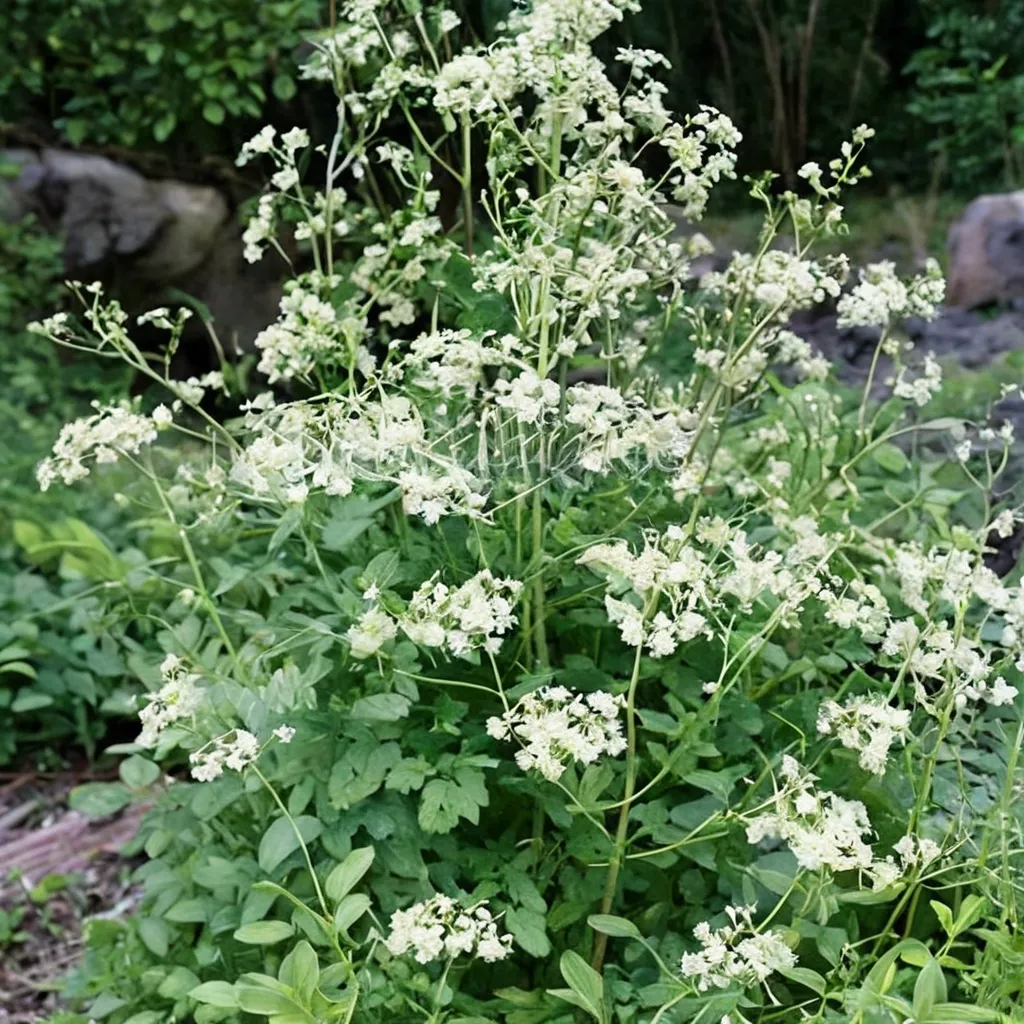
Tall Meadow-rue
Thalictrum polygamum
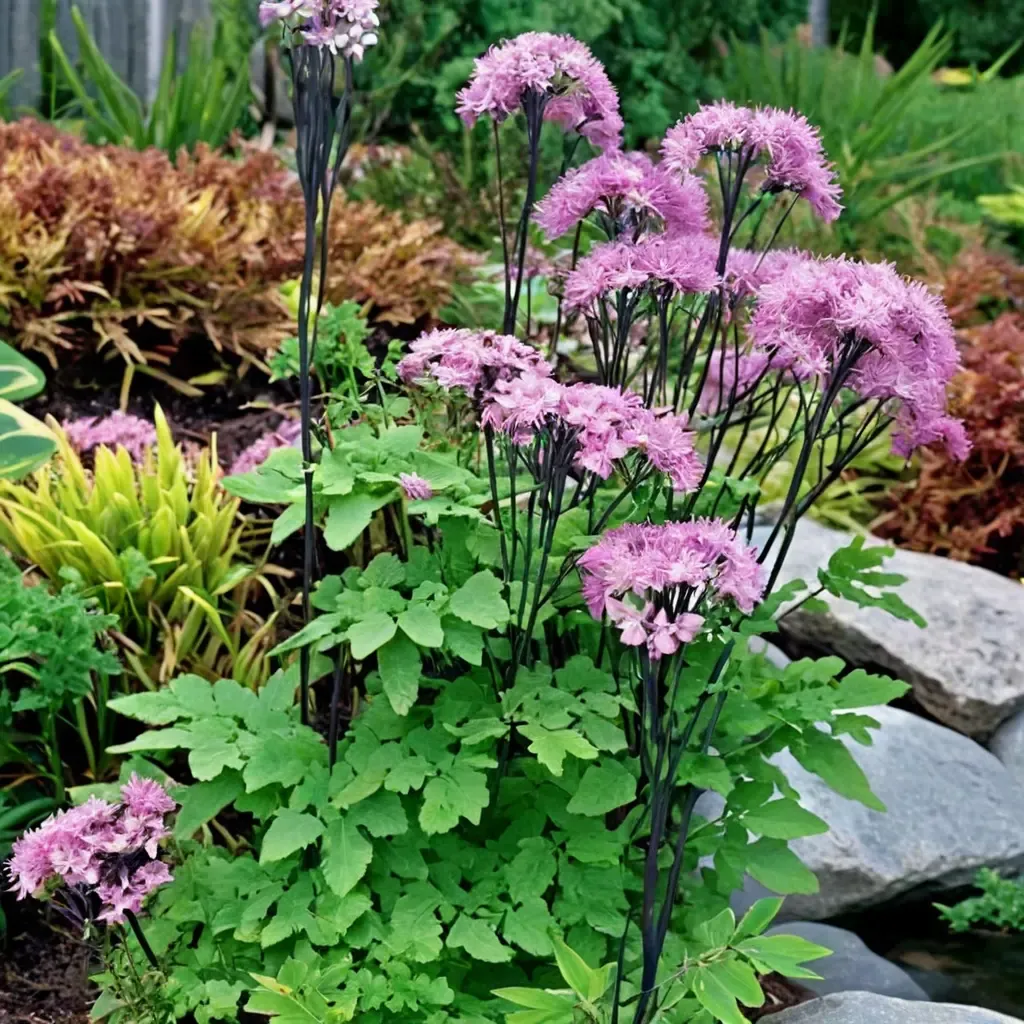
Black Stockings Meadow Rue
Thalictrum x hybrida 'Black Stockings'
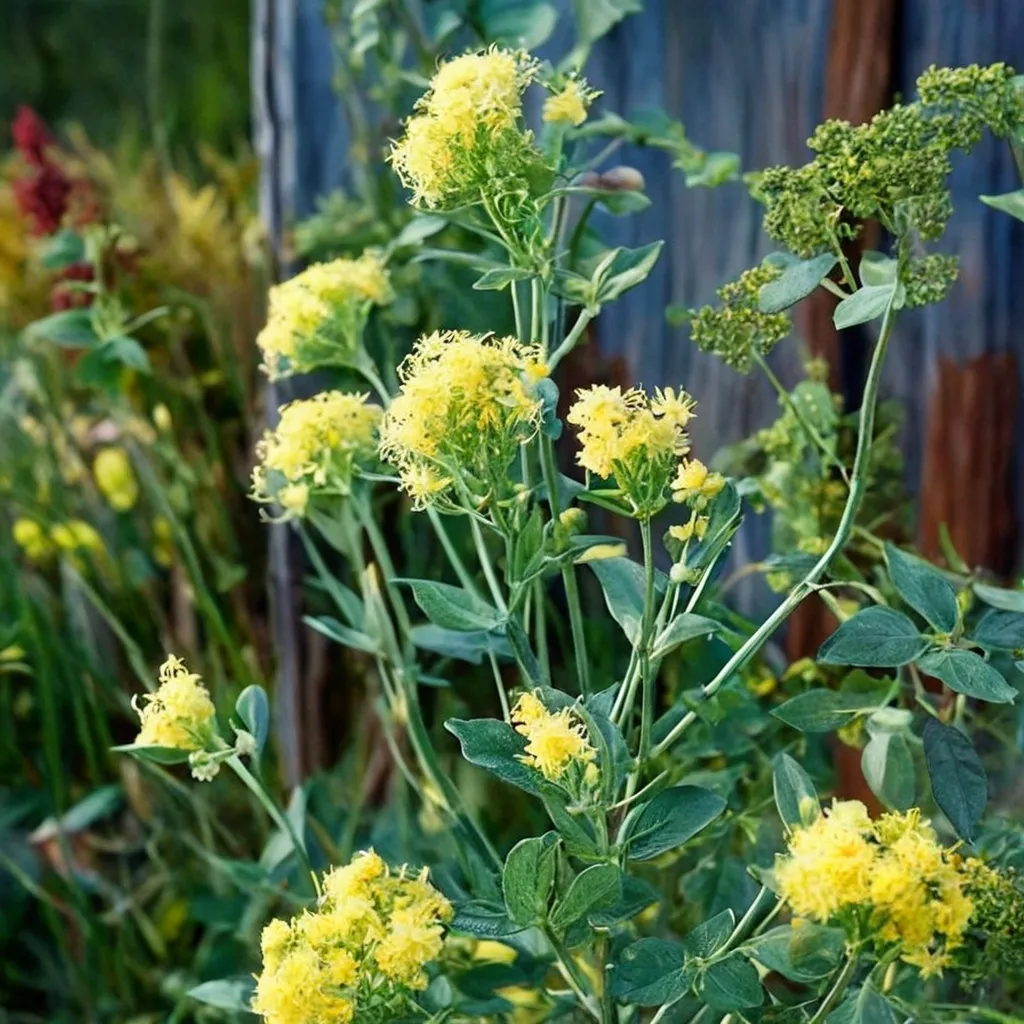
True Blue Yellow Meadow Rue
Thalictrum flavum 'True Blue'
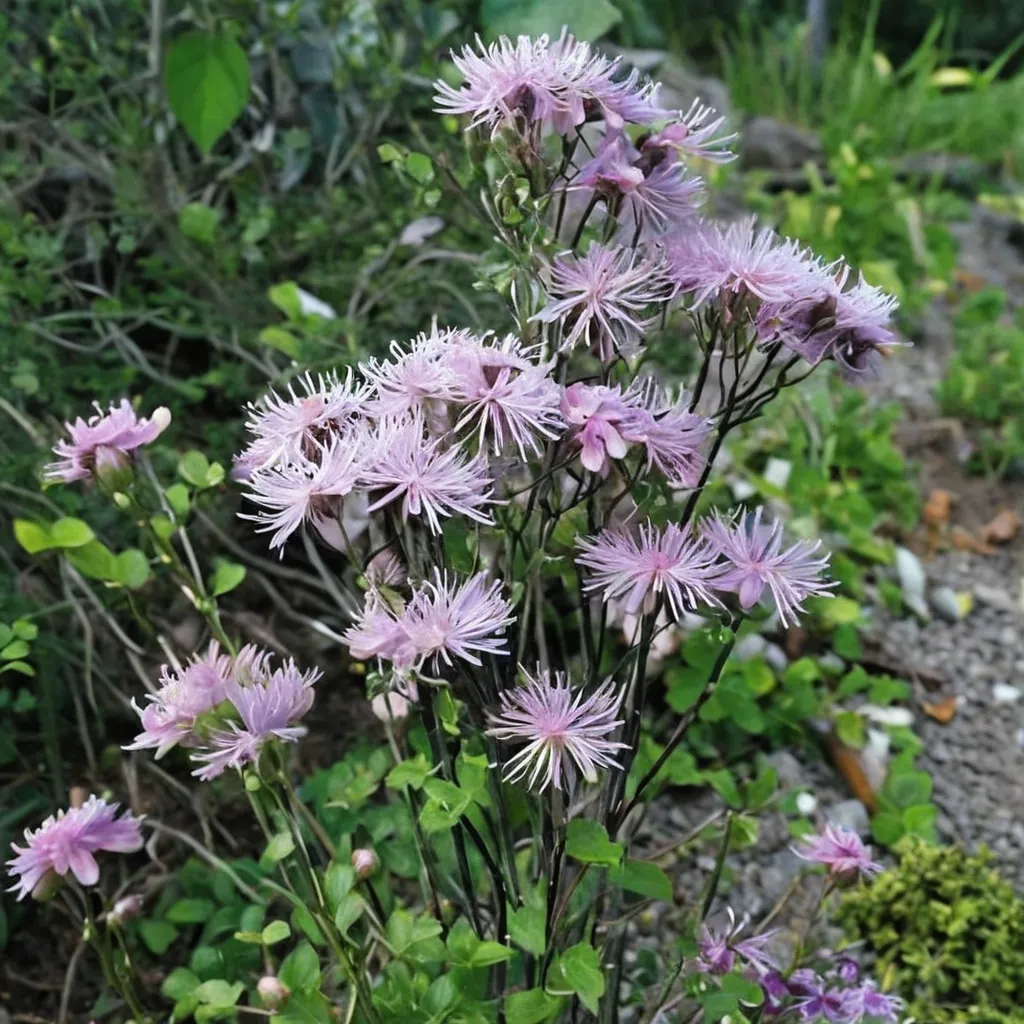
Hybrid Meadow Rue
Thalictrum x hybrida 'HH-03CH196'
Keep exploring
Explore the genus
Hardy in your zone?
Grow Early Meadow-Rue with confidence
See it in a design of your actual yard, get zone-matched care reminders, and track it season by season in your garden journal.