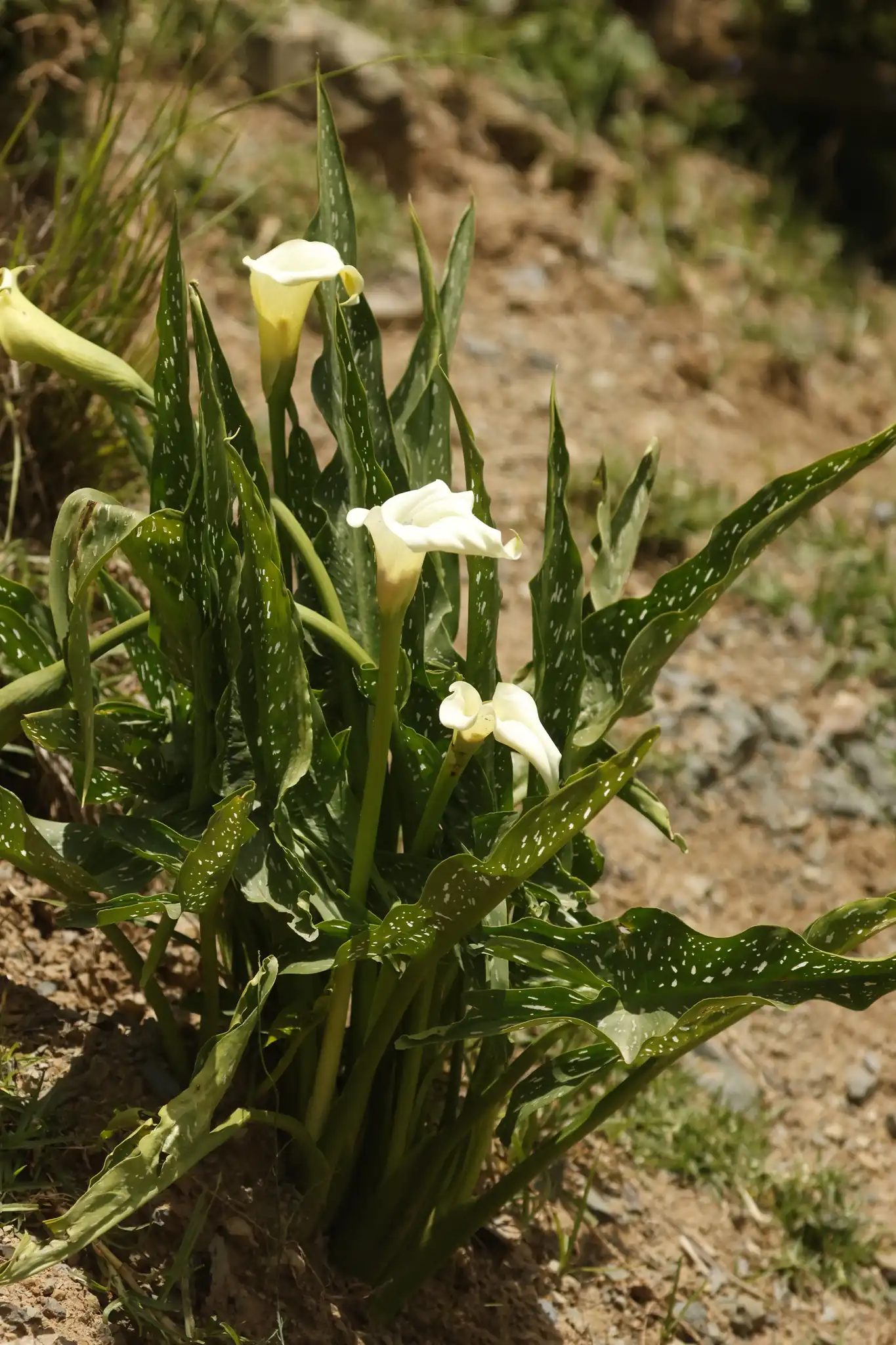
The Story
Plant Bio
Zantedeschia albomaculata is a deciduous, clump-forming perennial arising from an underground tuberous rhizome, native to seasonally wet African grasslands. The semi-erect, arrow-shaped mid-green leaves are distinctively marked with translucent white spots, providing ornamental interest even when the plant is not in bloom.
The inflorescence consists of an ivory-white to pale yellow chalice-shaped spathe with a dark purple throat, enclosing a bright yellow central spadix. Flowers emerge from mid-summer to early fall on sturdy stems held just above the spotted foliage.
Uses & Benefits:
Essentials
At a Glance
Plant Type
Bulb Corm Tuber
Height
28"
Width
20"
Light
Full Sun, Partial Sun
Zones
8, 9, 10
Water
Medium to Wet
Humidity
Moderate to High
Lifespan
Perennial
Native To
Africa
Toxicity
Highly toxic to pets and humans
Bloom period
Mid summer – Early fall
In flower about 3 months of the year
Planting
How to Grow
- Select a planting site with rich, organic loam in full sun or afternoon shade in hot climates.
- Plant tubers two to four inches deep with the growing tips or eyes facing upward.
- Water thoroughly after planting and maintain consistently moist soil throughout the active summer growing season.
- Lift the tubers in autumn before the first hard freeze in zones colder than USDA Zone 8, storing them in a dry, cool location for winter.
Pro Tip
Plant the tubers five to ten centimeters deep with the growing eyes facing upward. To prevent fatal soft rot, keep the soil completely dry during the winter dormancy period rather than maintaining year-round moisture.
Keep It Thriving
Care Guide
Do
- Keep the soil consistently moist and rich during the active spring and summer growing phases.
- Allow the foliage to die back naturally in autumn to return energy to the tuber.
- Apply a balanced, slow-release fertilizer monthly while the plant is actively growing.
Don't
- Do not water the tubers during their winter dormancy period to prevent soft rot.
- Never cut back green, active leaves or stems before they have completely yellowed and dried.
- Avoid planting in poorly drained soils that collect standing water during cold weather.
Seasonal Care Calendar
| Task | Jan | Feb | Mar | Apr | May | Jun | Jul | Aug | Sep | Oct | Nov | Dec |
|---|---|---|---|---|---|---|---|---|---|---|---|---|
| Divide | ||||||||||||
| Fertilize | ||||||||||||
| Lift Store | ||||||||||||
| Pest Check | ||||||||||||
| Prune |
Watch Out For
Pests & Diseases
Common Pests
Common Diseases
In the Garden
Landscape Uses & Companions
Landscape Uses
Companion Plants
Multiply
Propagation Methods
Good to Know
Common Questions
Spotted Calla Lily questions
What zones can Spotted Calla Lily grow in?
Spotted Calla Lily is hardy in USDA Zones 8–10. Inside that range it survives winter in the ground; outside it, grow it as an annual or a container plant you protect.
Is Spotted Calla Lily deer resistant?
Yes — Spotted Calla Lily is rated deer-resistant. Deer typically pass it over, though extreme hunger can override any plant's defenses.
When does Spotted Calla Lily bloom?
Spotted Calla Lily typically blooms in mid summer through early fall. Exact timing shifts a week or two with your zone — Sow's bloom calendar maps it to your garden.
Does Spotted Calla Lily need full sun?
Spotted Calla Lily does best in full sun to part shade. In hot climates, afternoon shade keeps blooms fresher longer.
More Zantedeschia to compare
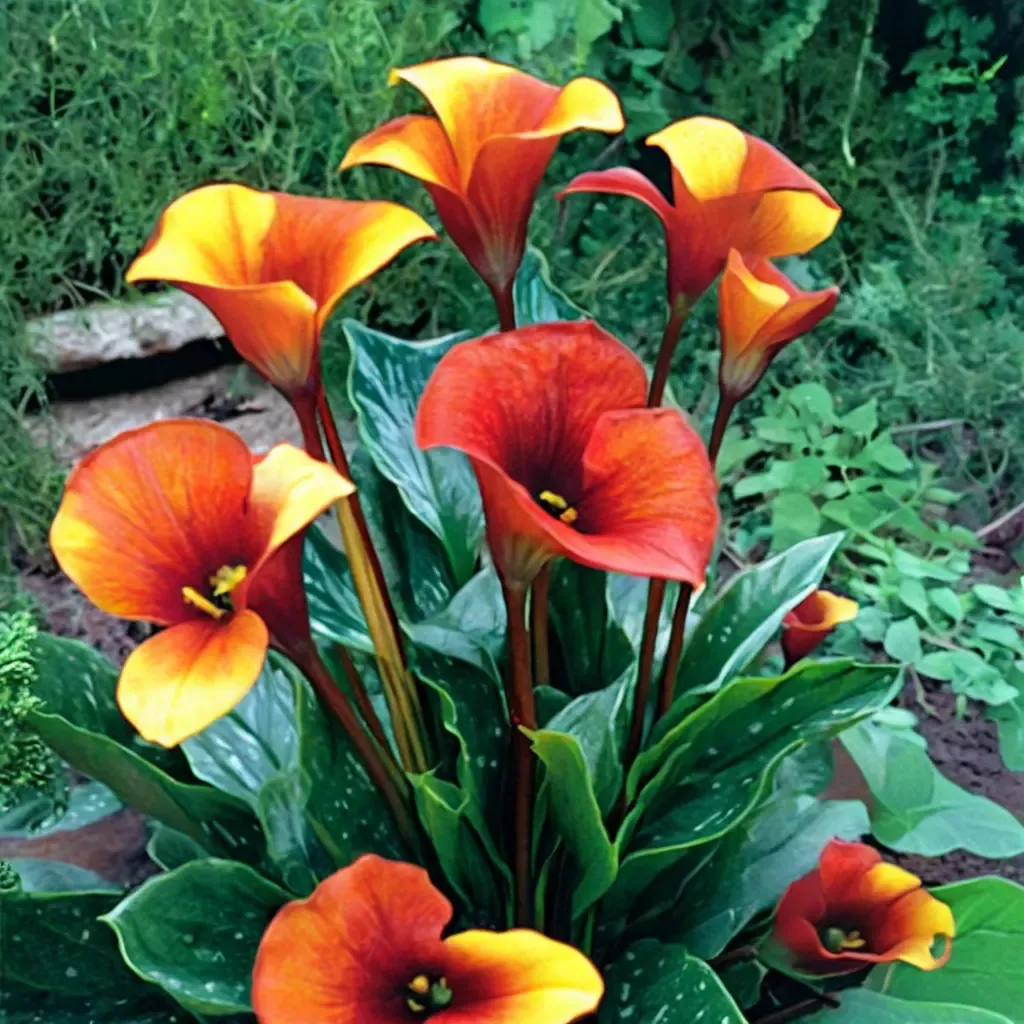
Flame Calla Lily
Zantedeschia x hybrida 'Flame'
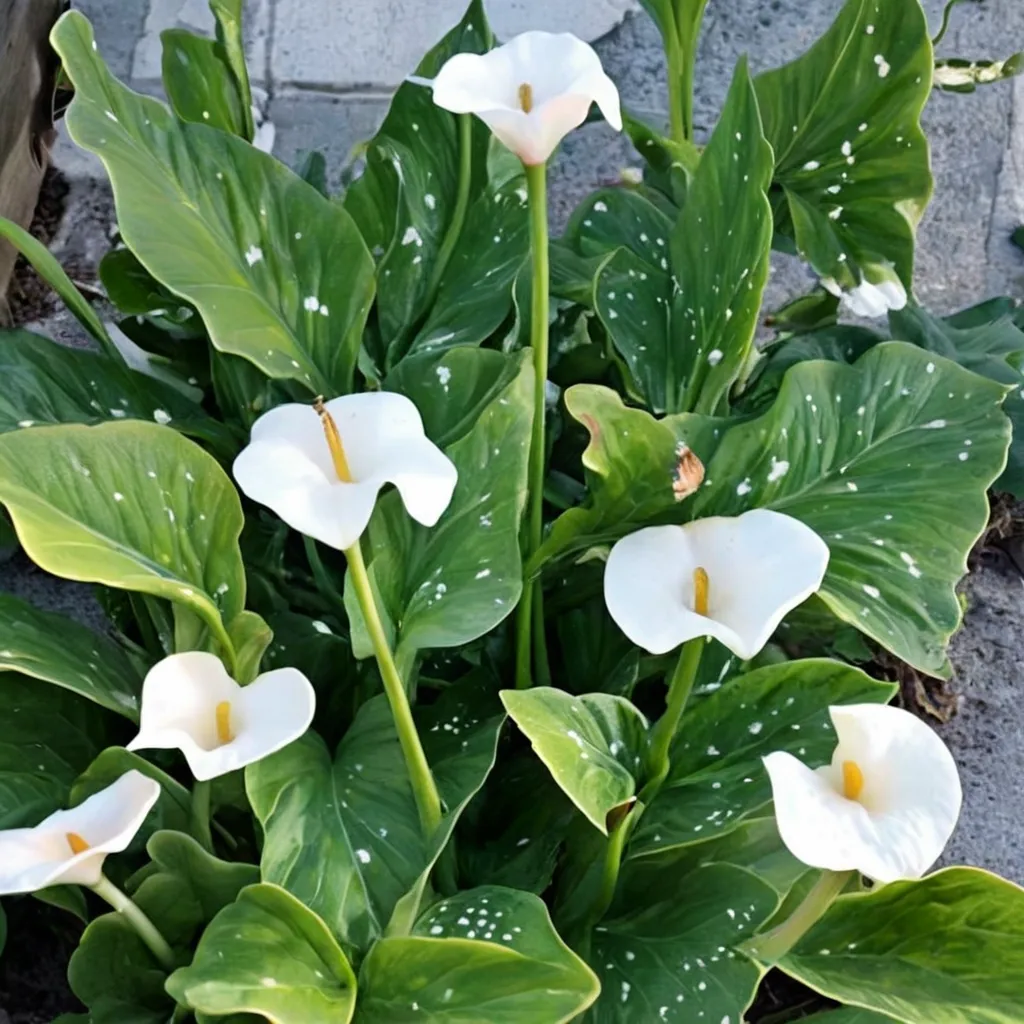
Ethiopian Calla Lily Hercules
Zantedeschia aethiopica 'Hercules'
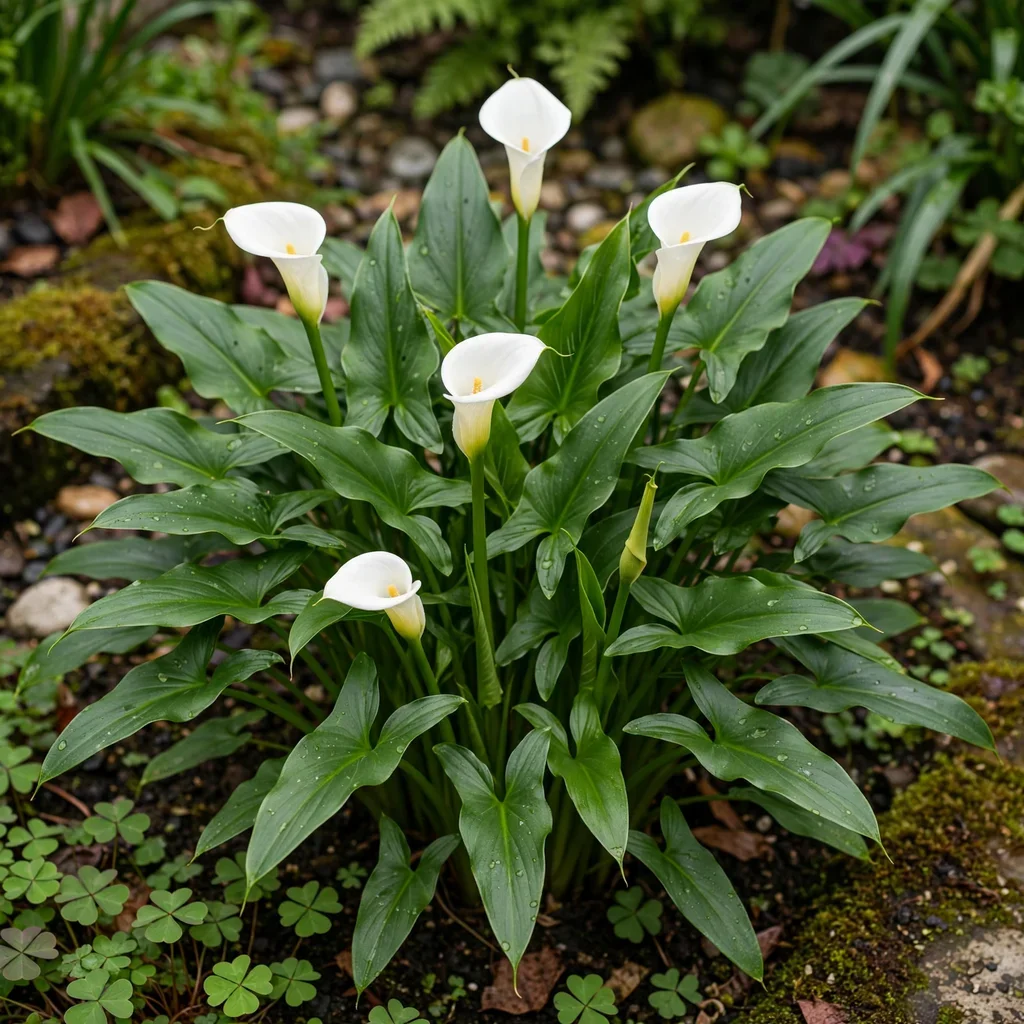
Dwarf Calla Lily
Zantedeschia aethiopica 'Little Gem'
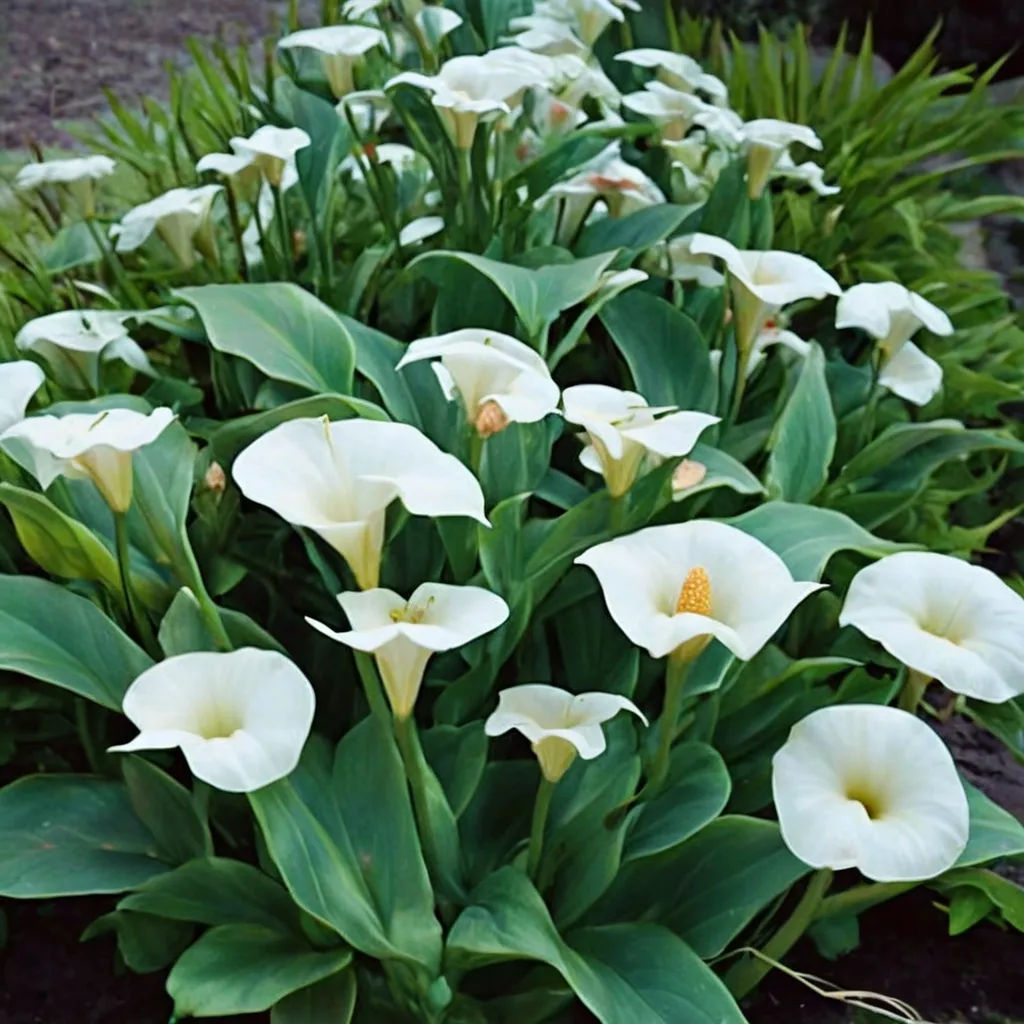
Ethiopian Calla Lily Childsiana
Zantedeschia aethiopica 'Childsiana'
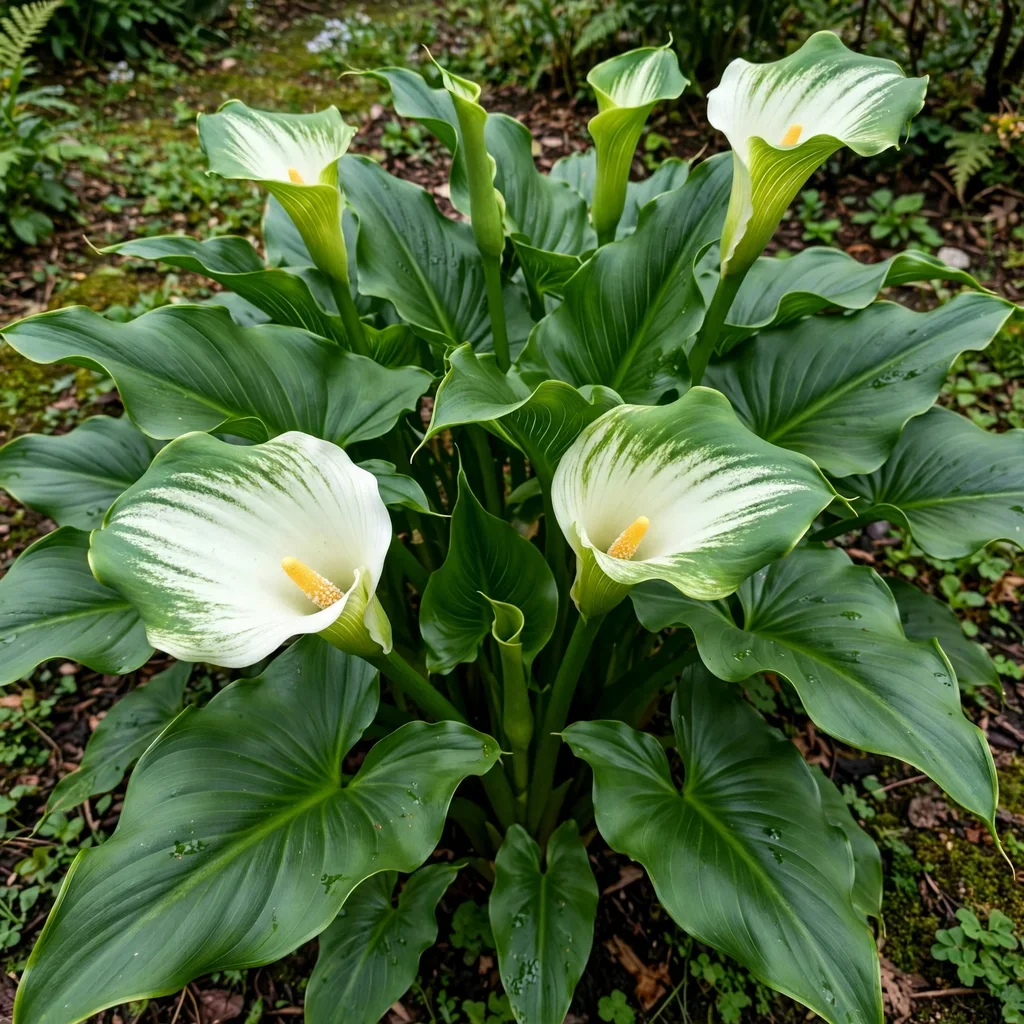
Green Goddess Calla Lily
Zantedeschia aethiopica 'Green Goddess'
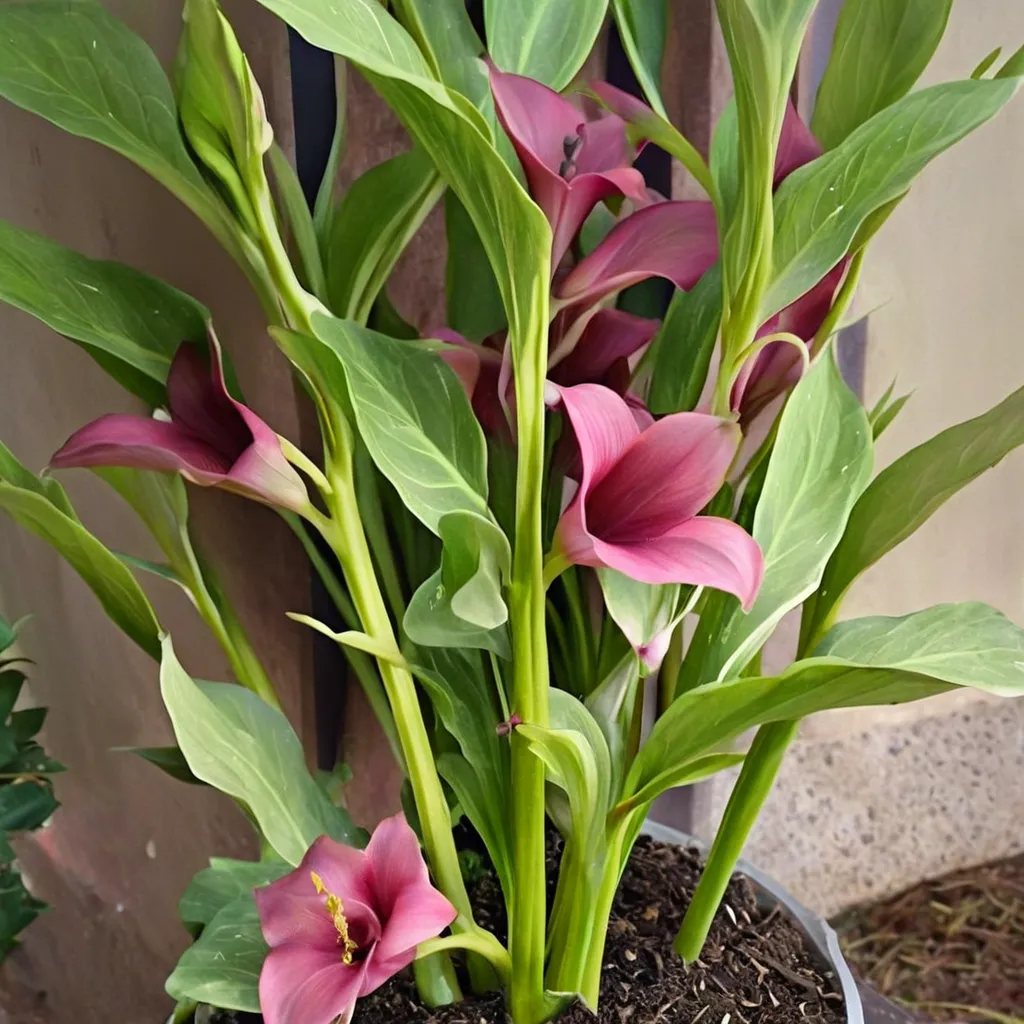
Pink Calla Lily
Zantedeschia rehmannii
Keep exploring
Explore the genus
Hardy in your zone?
Grow Spotted Calla Lily with confidence
See it in a design of your actual yard, get zone-matched care reminders, and track it season by season in your garden journal.