1 named cultivar
The Story
Plant Bio
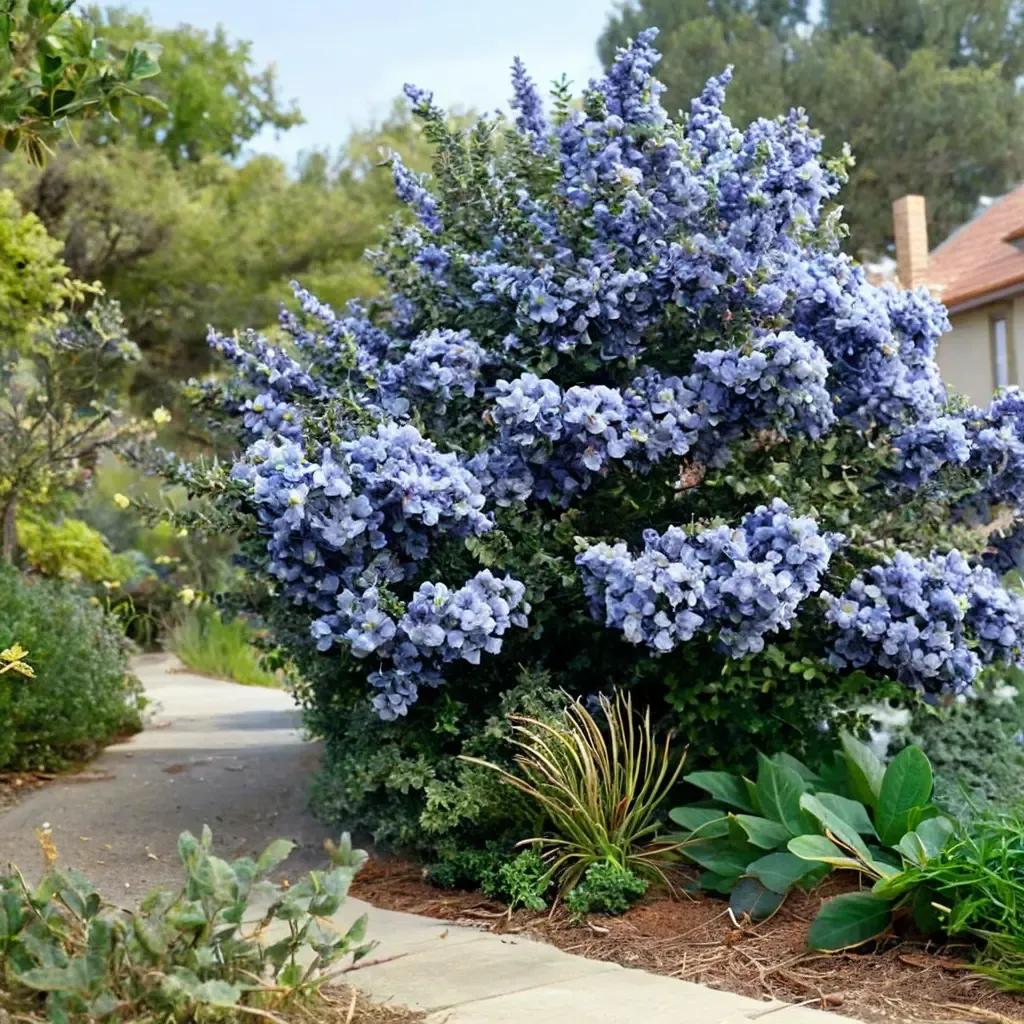
Ceanothus x delileanus is a deciduous shrub raised in France from North American parentage, three to five feet high and three to six across. Broad oval finely toothed light green leaves up to three inches long cover a dense rounded frame, and large panicles of tiny blue flowers open through summer and into autumn.
Unlike the evergreen Californian ceanothus, this deciduous hybrid flowers on the current season's wood, which means it can be cut back hard every spring and still bloom — and it flowers in summer rather than spring. That makes it far easier to keep in a small garden and much hardier, since winter dieback costs nothing.
Uses & Benefits:
Essentials
At a Glance
Plant Type
Shrub
Height
48"
Width
54"
Light
Full Sun, Partial Sun
Zones
7, 8, 9, 10
Water
Low
Humidity
Low
Lifespan
Perennial
Native To
Garden hybrid raised in France from North American species
Toxicity
Non-toxic
Planting
How to Grow
- Plant in full sun in freely drained soil.
- Cut back hard in early spring; it flowers on new wood.
- Water while establishing, then only in drought.
- Do not feed; lean soil suits it better.
- Avoid heavy or wet ground, which it will not tolerate.
- Leave winter dieback until spring growth shows.
Pro Tip
It flowers on new wood, unlike the evergreen ceanothus, so hard spring pruning increases the display rather than removing it.
Keep It Thriving
Care Guide
Do
- Cut back hard each spring ✂️
- Give it full sun and sharp drainage ☀️
- Leave it unfed 🚫
- Wait for spring growth before pruning ⏳
Don't
- Plant it in heavy wet soil ❌
- Prune it in autumn ❌
- Confuse it with evergreen ceanothus ❌
Seasonal Care Calendar
| Task | Jan | Feb | Mar | Apr | May | Jun | Jul | Aug | Sep | Oct | Nov | Dec |
|---|---|---|---|---|---|---|---|---|---|---|---|---|
| Enjoy | ||||||||||||
| Prune |
Watch Out For
Pests & Diseases
Common Pests
Common Diseases
In the Garden
Landscape Uses & Companions
Landscape Uses
Companion Plants
Multiply
Propagation Methods
Good to Know
Common Questions
California Lilac questions
What zones can California Lilac grow in?
California Lilac is hardy in USDA Zones 7–10. Inside that range it survives winter in the ground; outside it, grow it as an annual or a container plant you protect.
Is California Lilac deer resistant?
Yes — California Lilac is rated deer-resistant. Deer typically pass it over, though extreme hunger can override any plant's defenses.
When does California Lilac bloom?
California Lilac typically blooms in early summer to fall through late summer. Exact timing shifts a week or two with your zone — Sow's bloom calendar maps it to your garden.
Does California Lilac need full sun?
California Lilac does best in full sun to part shade. In hot climates, afternoon shade keeps blooms fresher longer.
Is California Lilac drought tolerant?
Yes — once established (usually after the first full season), California Lilac handles dry spells with minimal watering. Water deeply its first year to build the root system that makes that possible.
More Ceanothus to compare
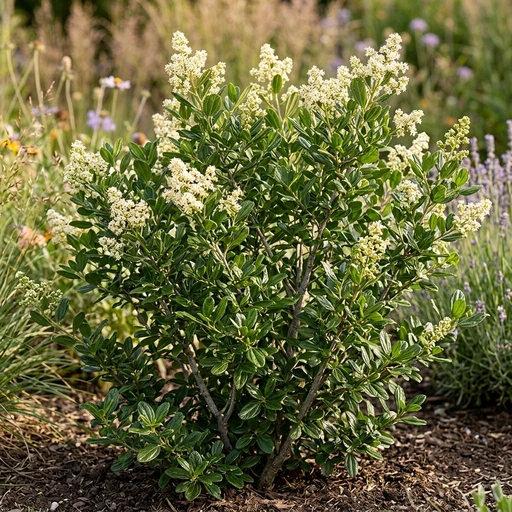
New Jersey Tea
Ceanothus americanus
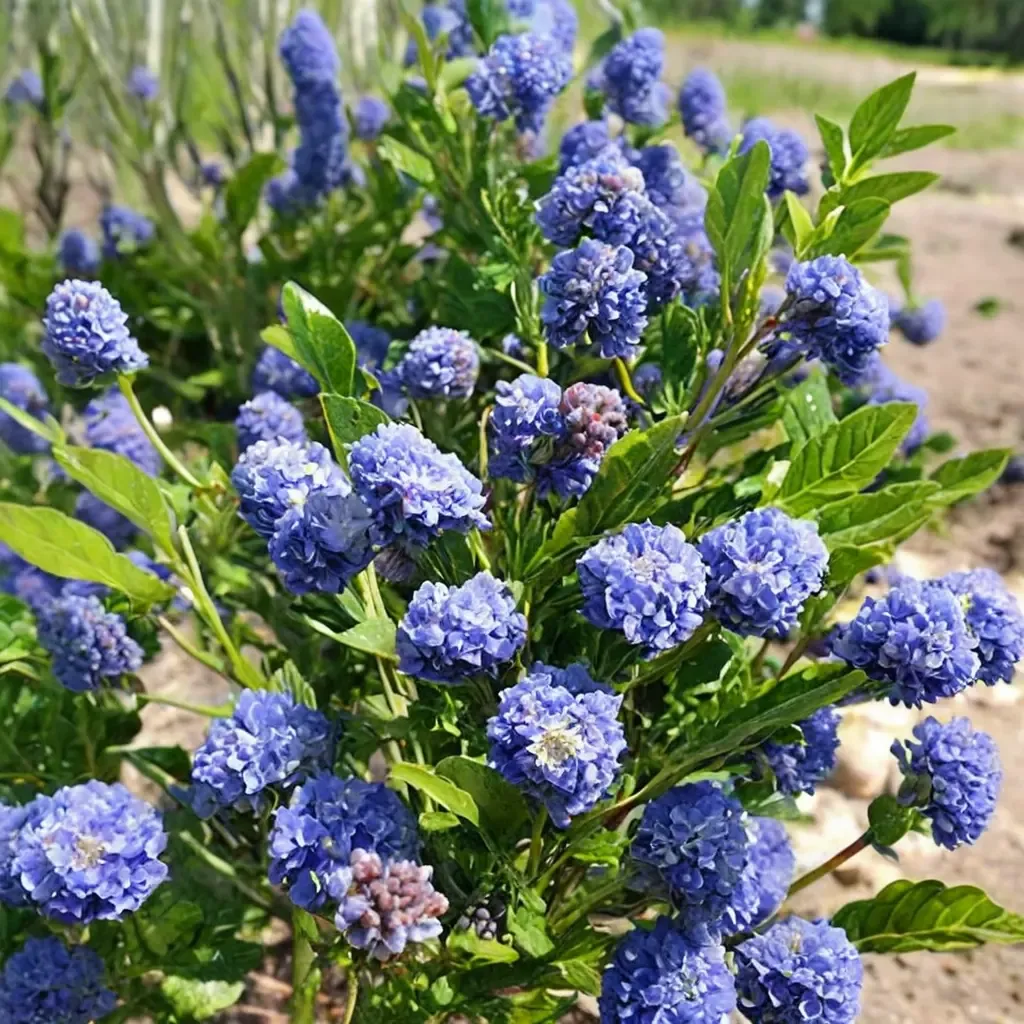
Skylark California Lilac
Ceanothus thyrsiflorus 'Skylark'
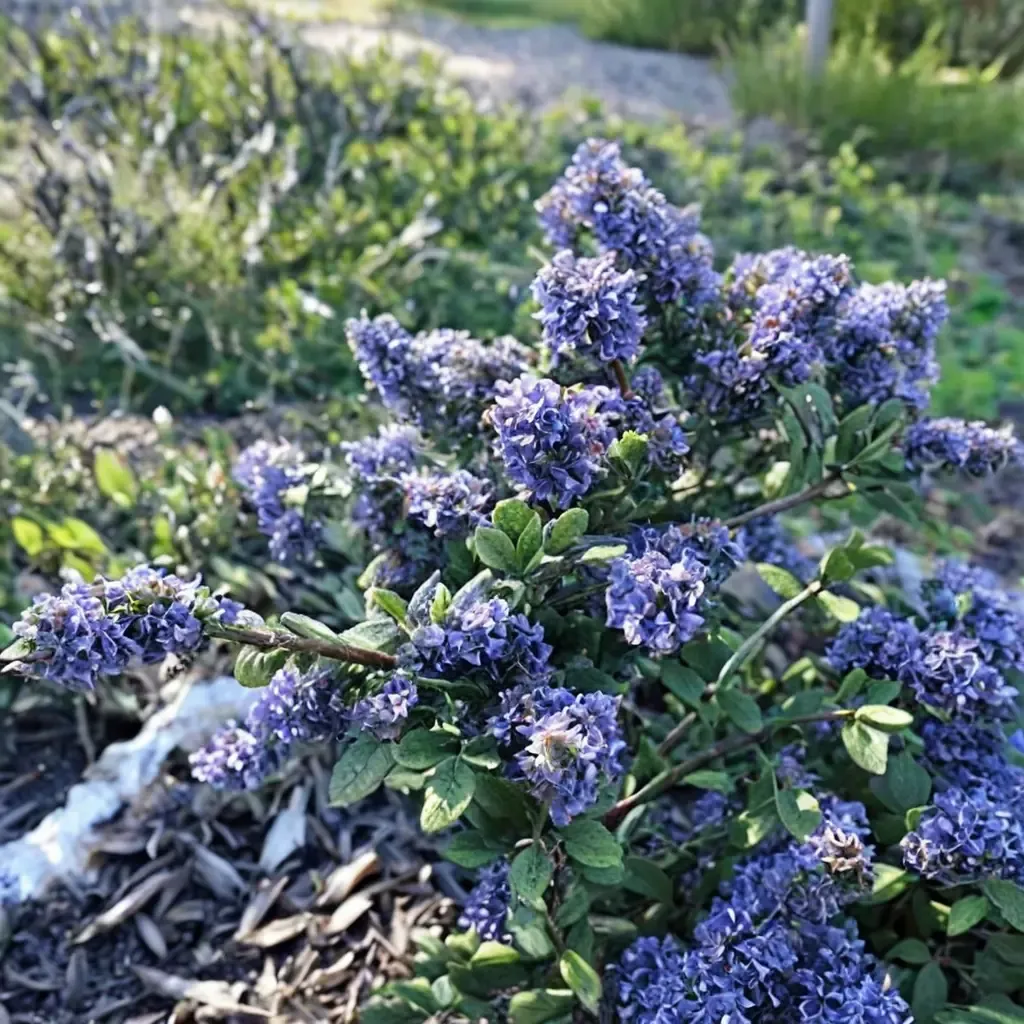
Valley Violet California Lilac
Ceanothus maritimus 'Valley Violet'
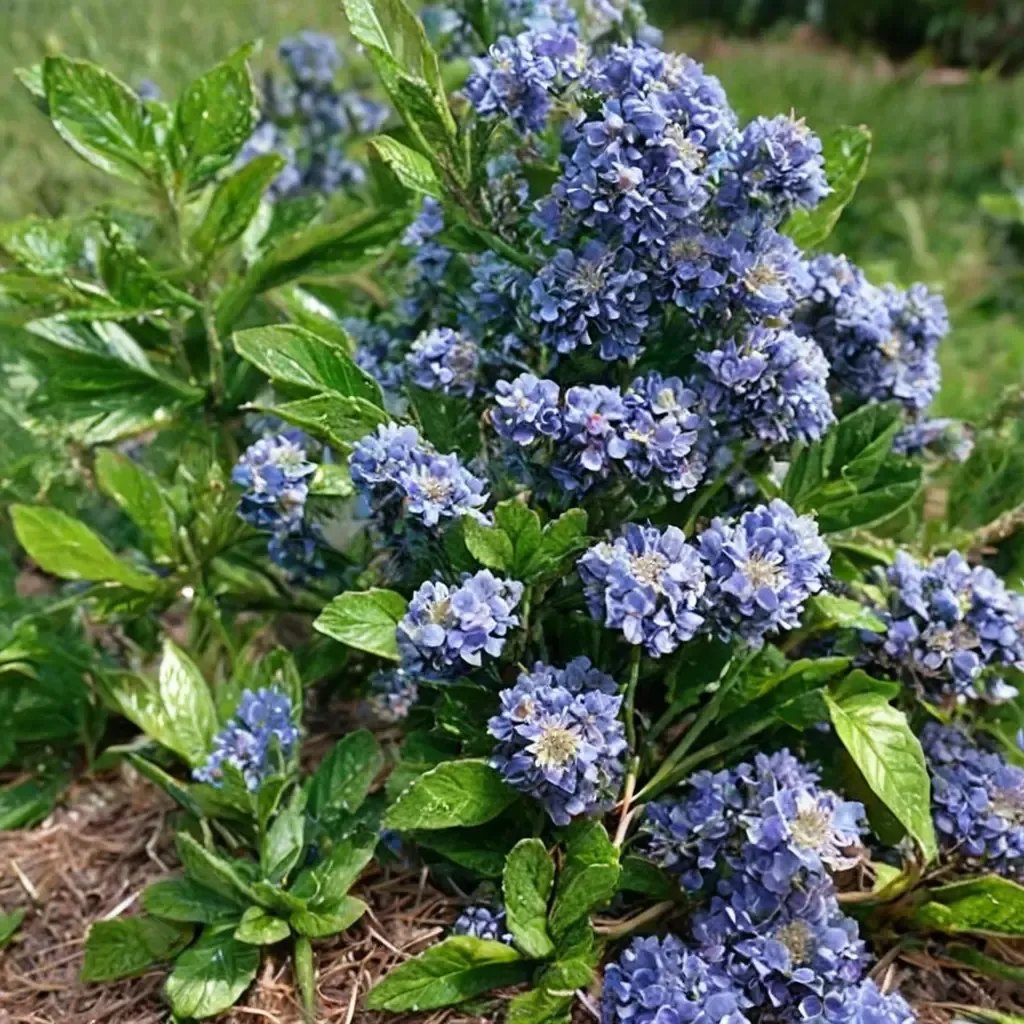
Victoria California Lilac
Ceanothus griseus 'Victoria'
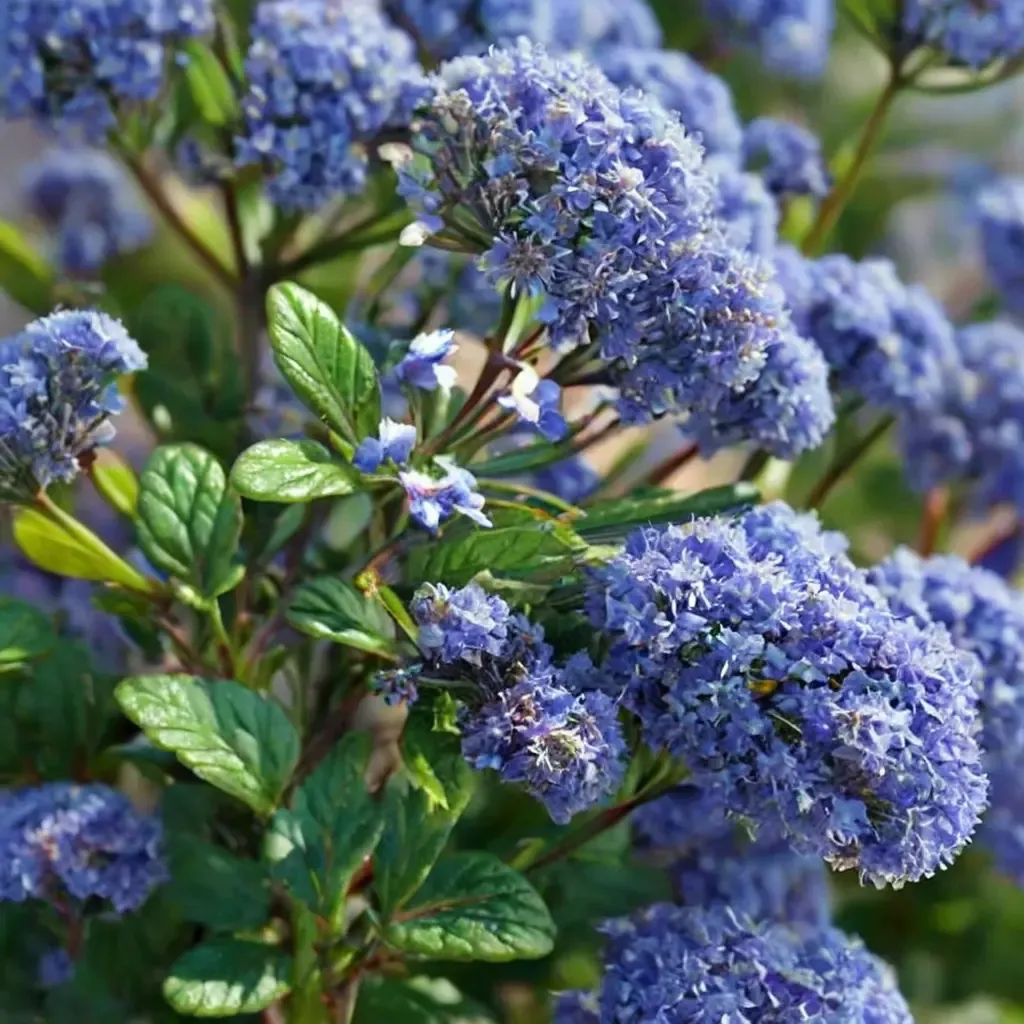
Autumnal Blue California Lilac
Ceanothus thyrsiflorus 'Autumnal Blue'
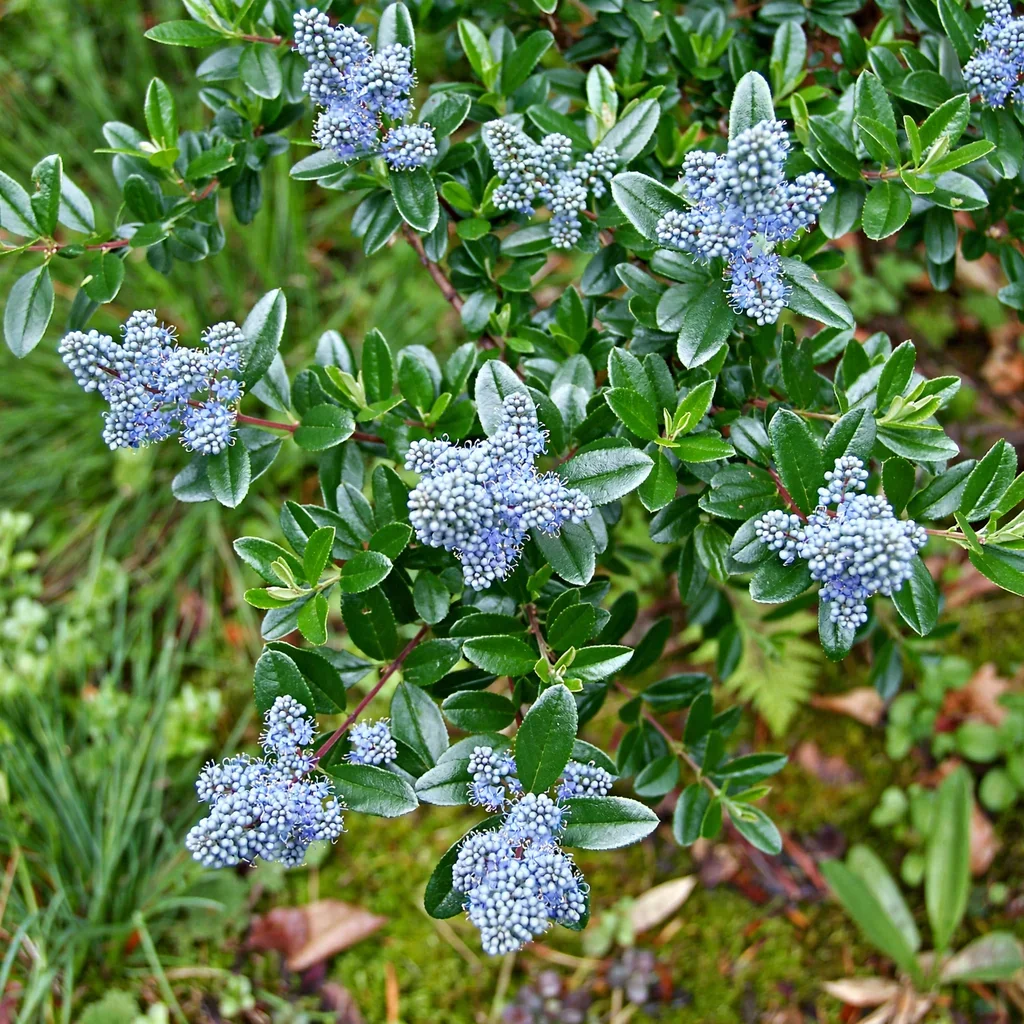
Yankee Point California Lilac
Ceanothus thyrsiflorus 'Yankee Point'
Keep exploring
Explore the genus
Hardy in your zone?
Grow California Lilac with confidence
See it in a design of your actual yard, get zone-matched care reminders, and track it season by season in your garden journal.