Also known as California Lilac · 369 saves
Ceanothus
Ceanothus, the genus most gardeners know as california lilac. We track 22 varieties; the ones most used by real gardeners.
The 19 most-saved Ceanothus varieties
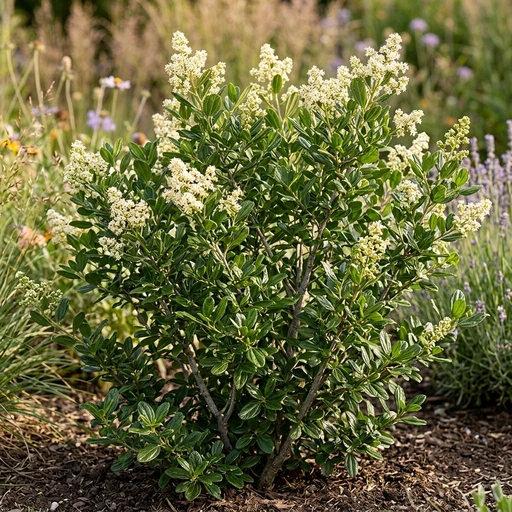





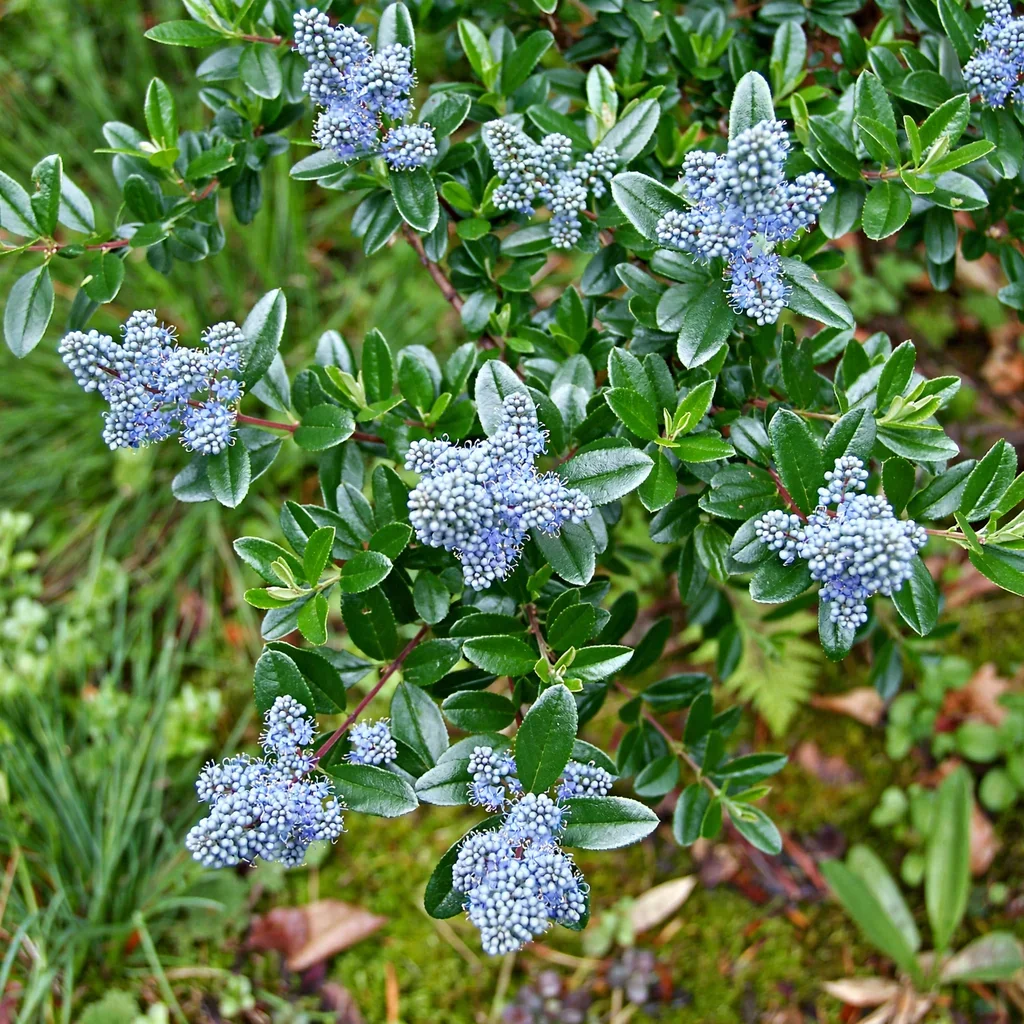

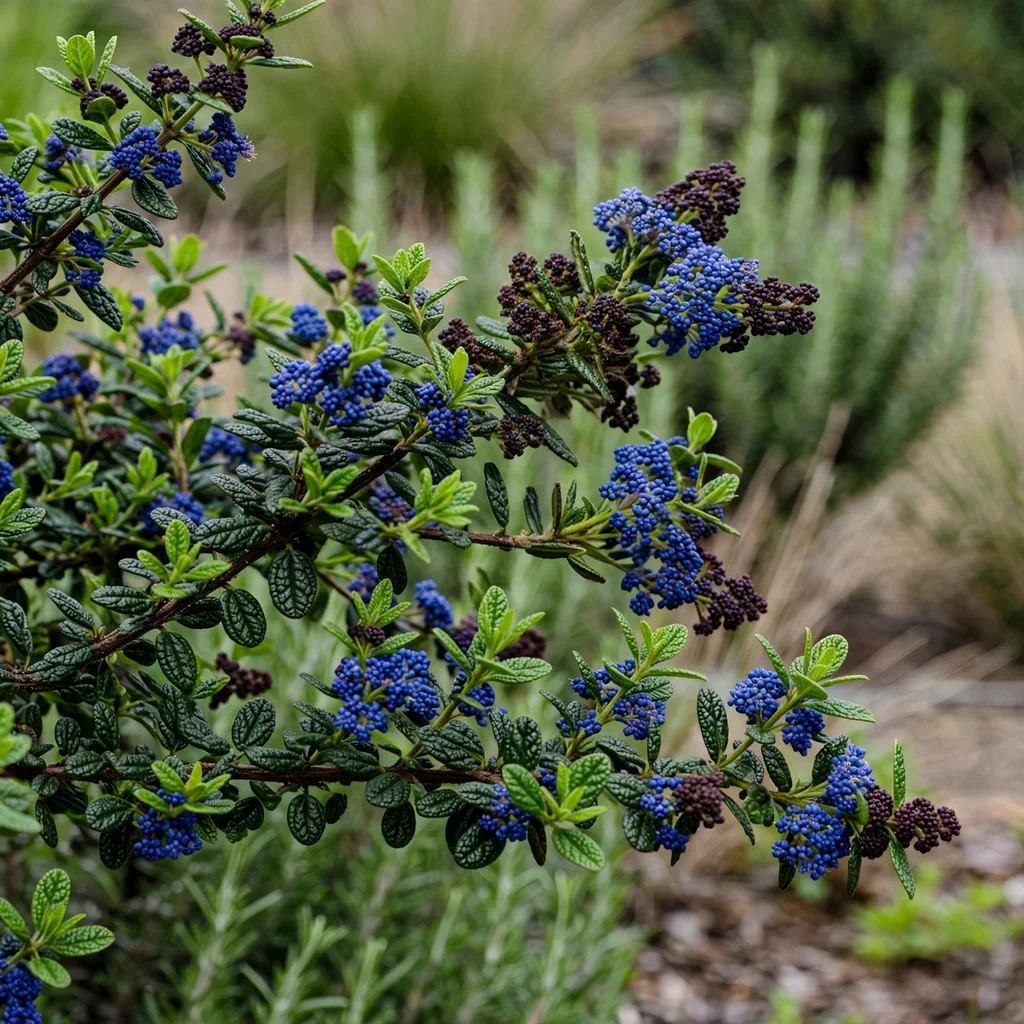
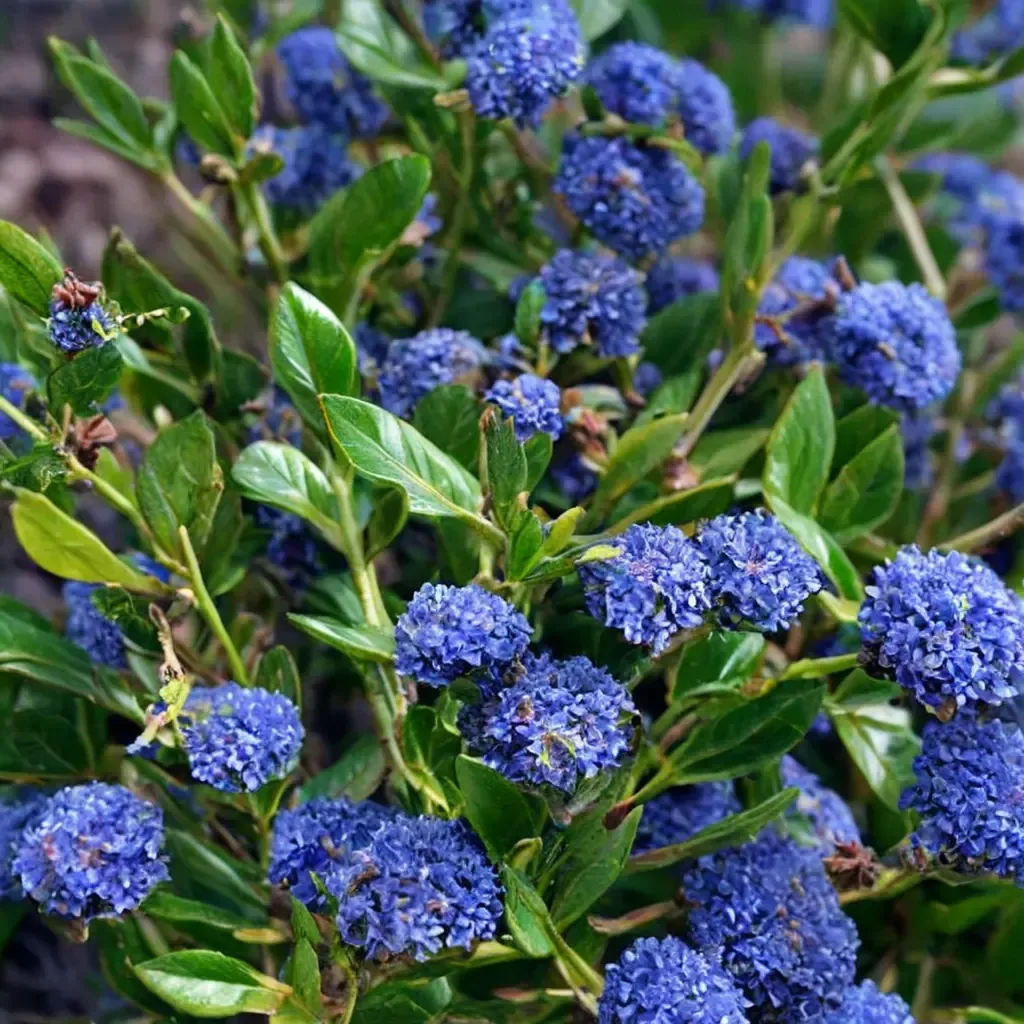

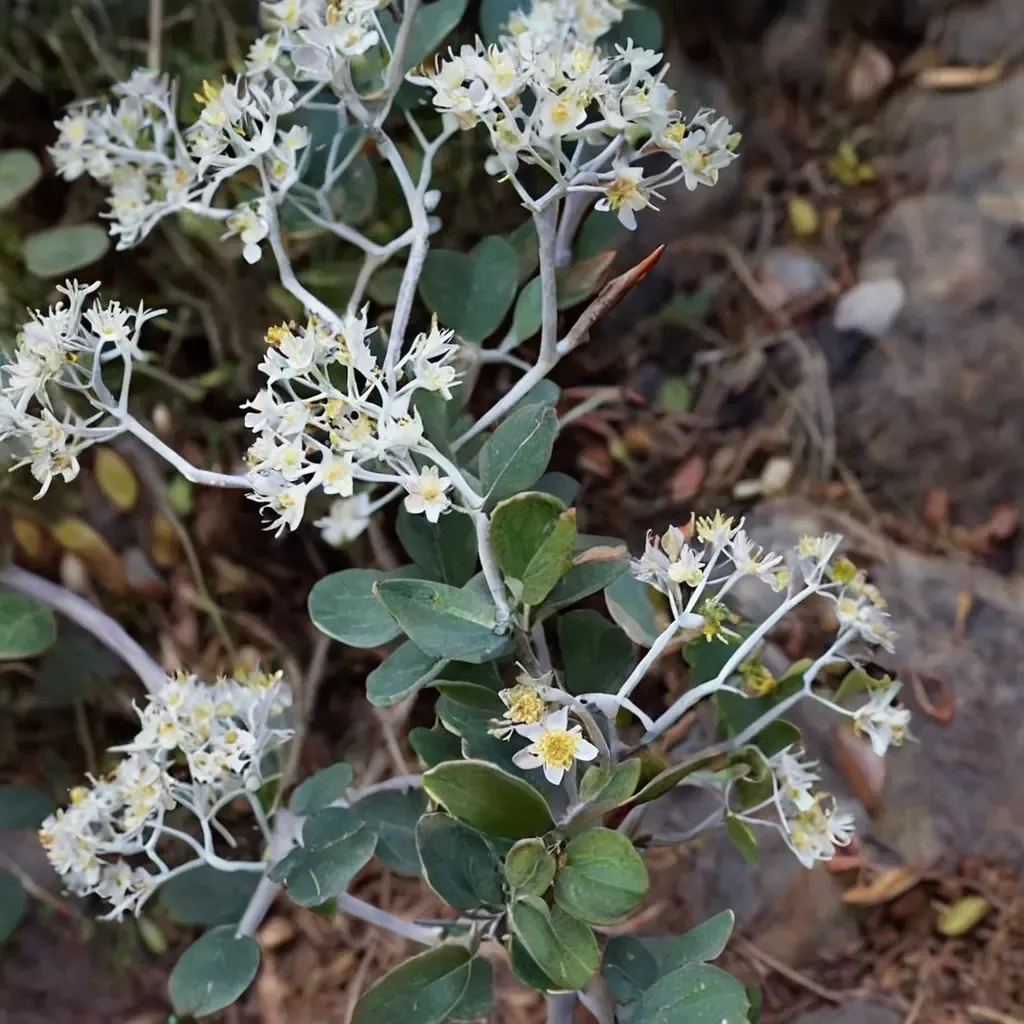

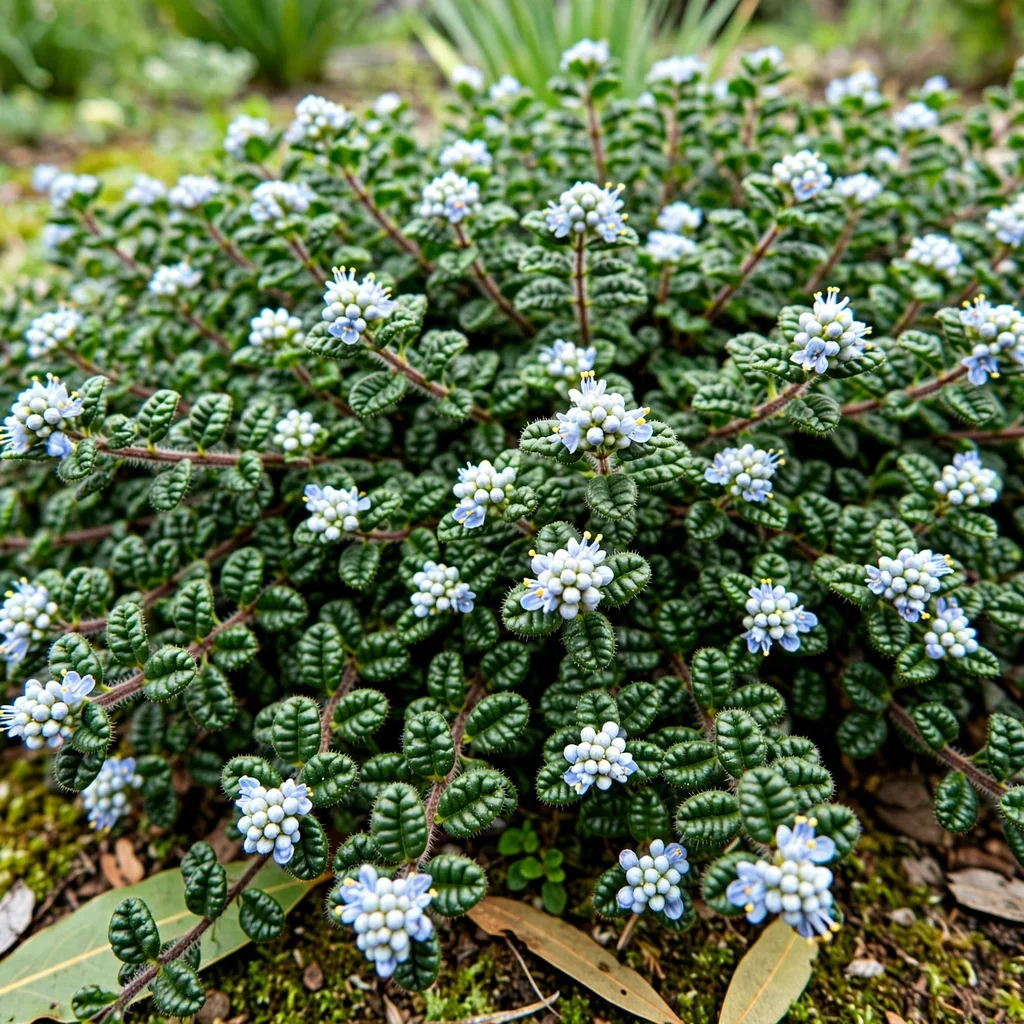

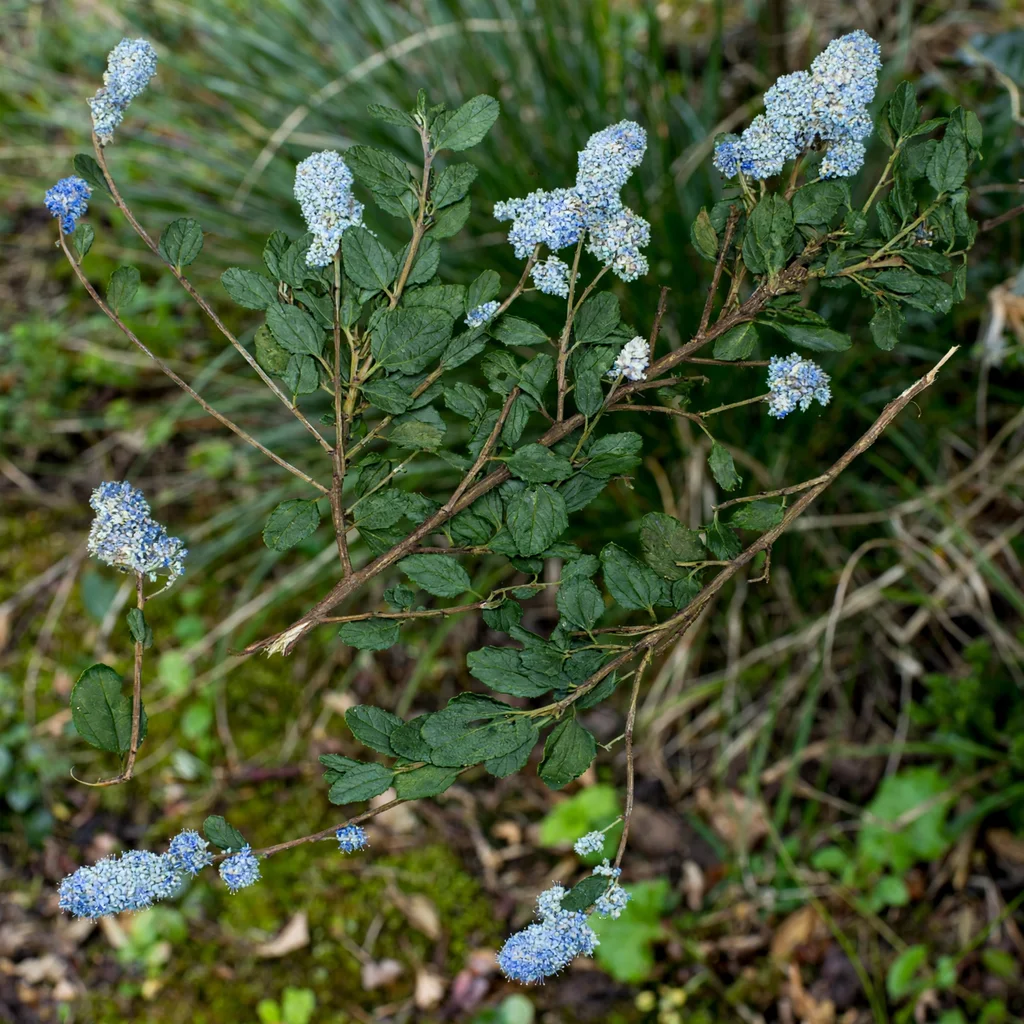
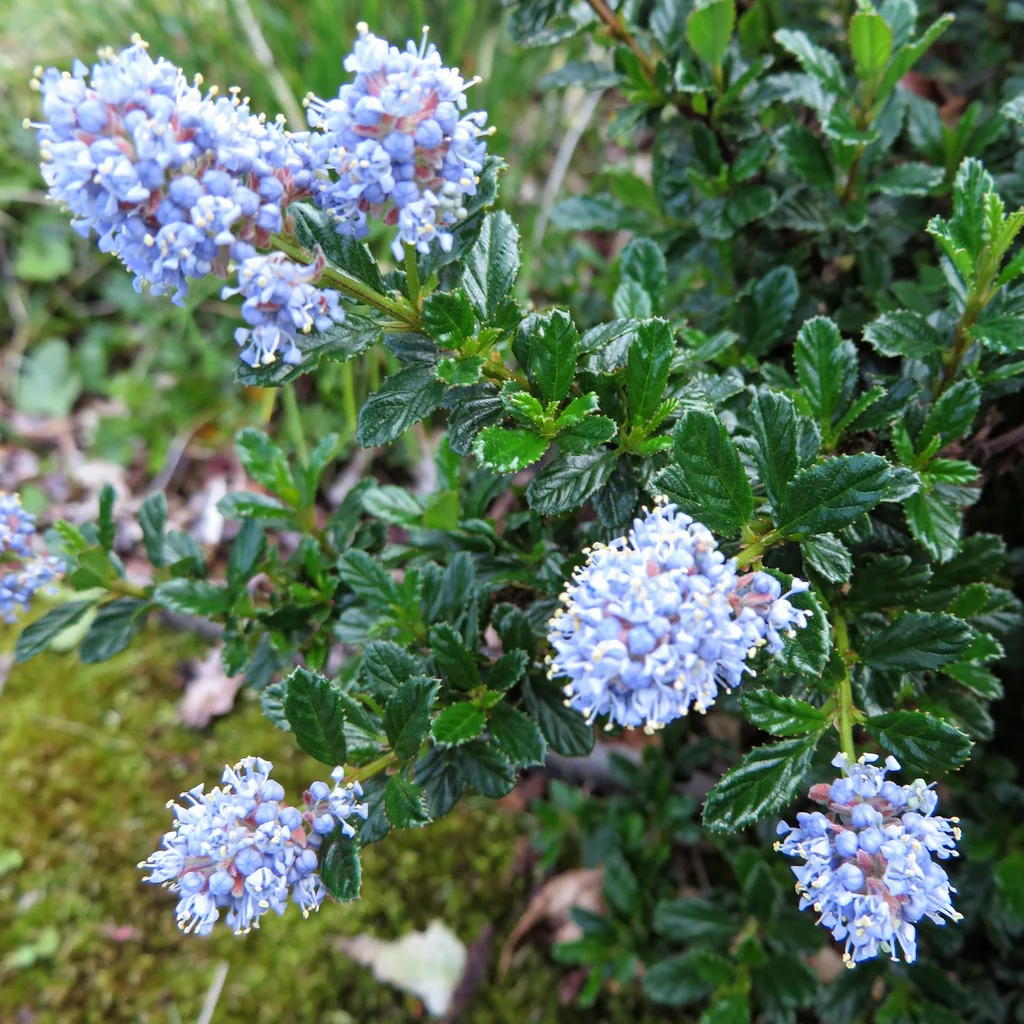
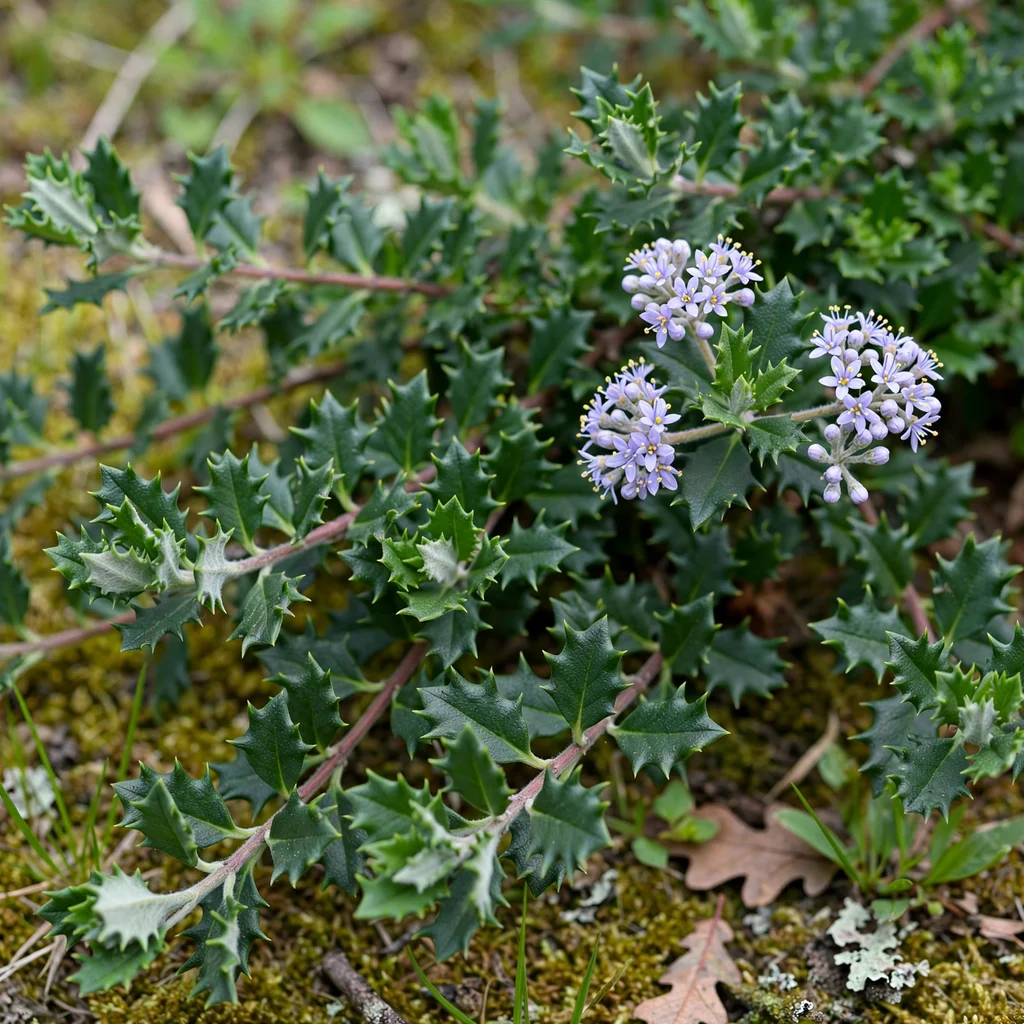

Browse all 22 Ceanothus varieties →
9 species of Ceanothus
Each one is a parent of the varieties above.
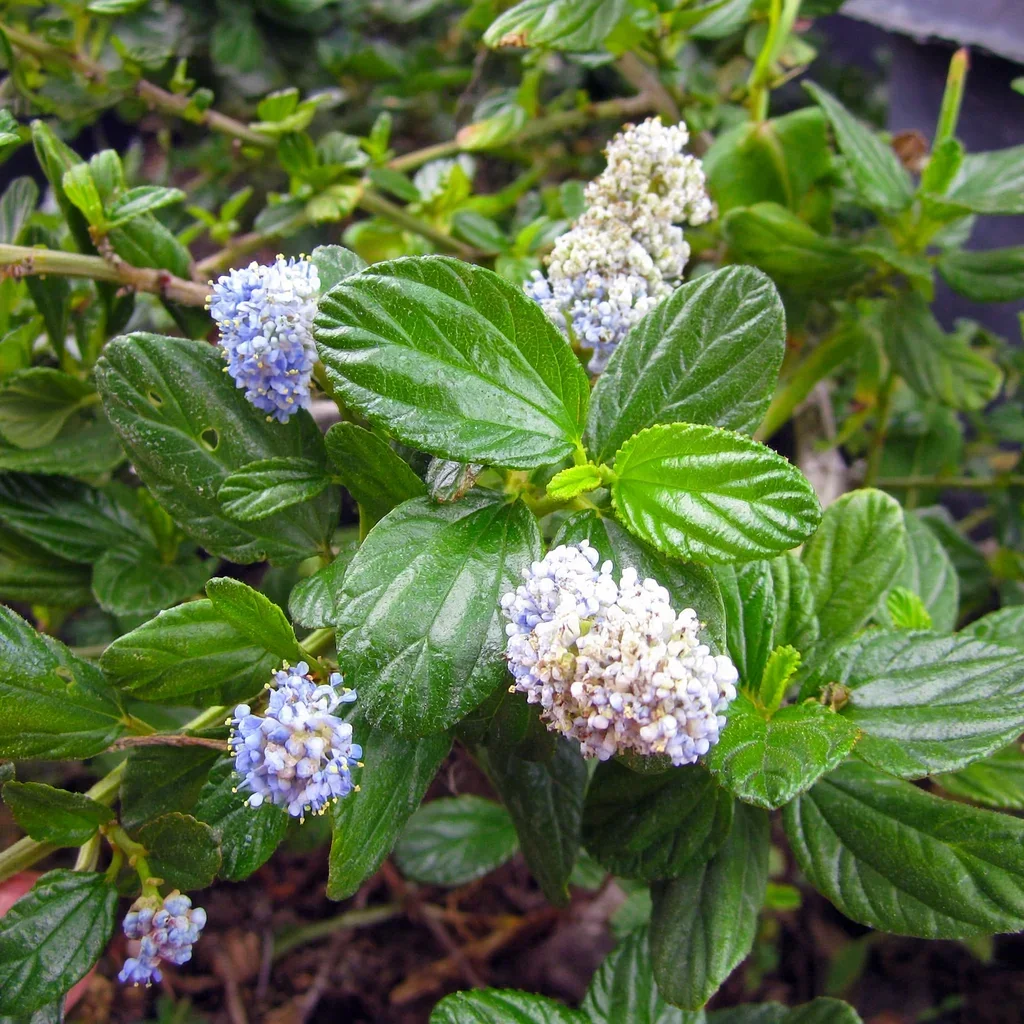

Track your Ceanothus in Sow
Save the Ceanothus you grow and get care reminders timed to your zone.
How to grow Ceanothus
Whats common across all Ceanothus varieties in our catalog — drawn from the care records of the 22 most-grown of them.
The Ceanothus year
- PruneJune and July100% of varieties
Cut back hard as buds swell; it flowers on the current season's growth.
- PlantOctober and November82% of varieties
Plant container-grown plants in spring or fall. Avoid transplanting established plants.


Do
- Water deeply during dry spells 🌱
- Prune after flowering to shape the shrub
- Prune after flowering to maintain shape
- Cut back hard each spring ✂️
- Apply a balanced fertilizer annually
Avoid
- Avoid overwatering to prevent root rot ❌
- Don’t prune in late fall or winter
- Plant it in heavy wet soil ❌
- Prune it in autumn ❌
What goes wrong with Ceanothus
| Problem | What you'll see | What to do |
|---|---|---|
| Aphids | Sticky residue and distorted leaves | Use insecticidal soap or neem oil |
| Scale insects | Hardened bumps on stems | Apply horticultural oil |
| Generally pest-free | No significant insect damage is typical | Monitor only; no routine treatment needed |
| Spider mites | Stippled, speckled foliage in dry, dusty conditions. | Spray with a miticide or apply a strong water mist to the leaves. |
| Root rot | The shrub declines and dies over a season in heavy or poorly drained ground | Prevention only: ceanothus are exceptionally intolerant of wet roots and rarely recover |
| Powdery mildew | White powdery coating on leaves | Apply fungicide and increase airflow |
| Phytophthora root rot | Sudden wilting, yellowing leaves, and dieback of entire branches during summer. | Ensure immaculate soil drainage and strictly avoid summer irrigation. |
Making more Ceanothus
Cuttings
- Select healthy semi-woody stems in late summer.
- Cut 4-6 inch sections with clean pruning shears.
- Remove lower leaves and dip in rooting hormone.
- Plant in moist, well-drained soil or potting mix.
- Mist regularly to maintain humidity for 4-6 weeks.
- Transplant once roots are established.
Seeds
- Collect mature seeds in fall.
- Soak seeds in water for 24 hours.
- Sow on surface of well-drained soil.
- Keep soil moist and place in full sun.
- Germination may take 2-4 weeks.
Ceanothus questions
How many types of Ceanothus are there?
The Sow catalog tracks 22 distinct Ceanothus varieties. The most popular — ranked by 369 real gardeners — are shown first above.
What zones does Ceanothus grow in?
Across its varieties, Ceanothus covers USDA Zones 4–10. Individual varieties differ — each plant page lists its exact range, and Sow filters the catalog to your zone automatically.
When does Ceanothus bloom?
Most Ceanothus varieties bloom in early summer, late spring, late winter to spring. Staggering early, mid, and late varieties extends the genus's season in one bed.
Which Ceanothus should I choose?
Start from the most-saved varieties above — popularity across thousands of gardens is a strong signal of reliability — then filter by your zone and sun. In the Sow app you can preview any of them in a photo of your actual yard before you buy.