The Story
Plant Bio
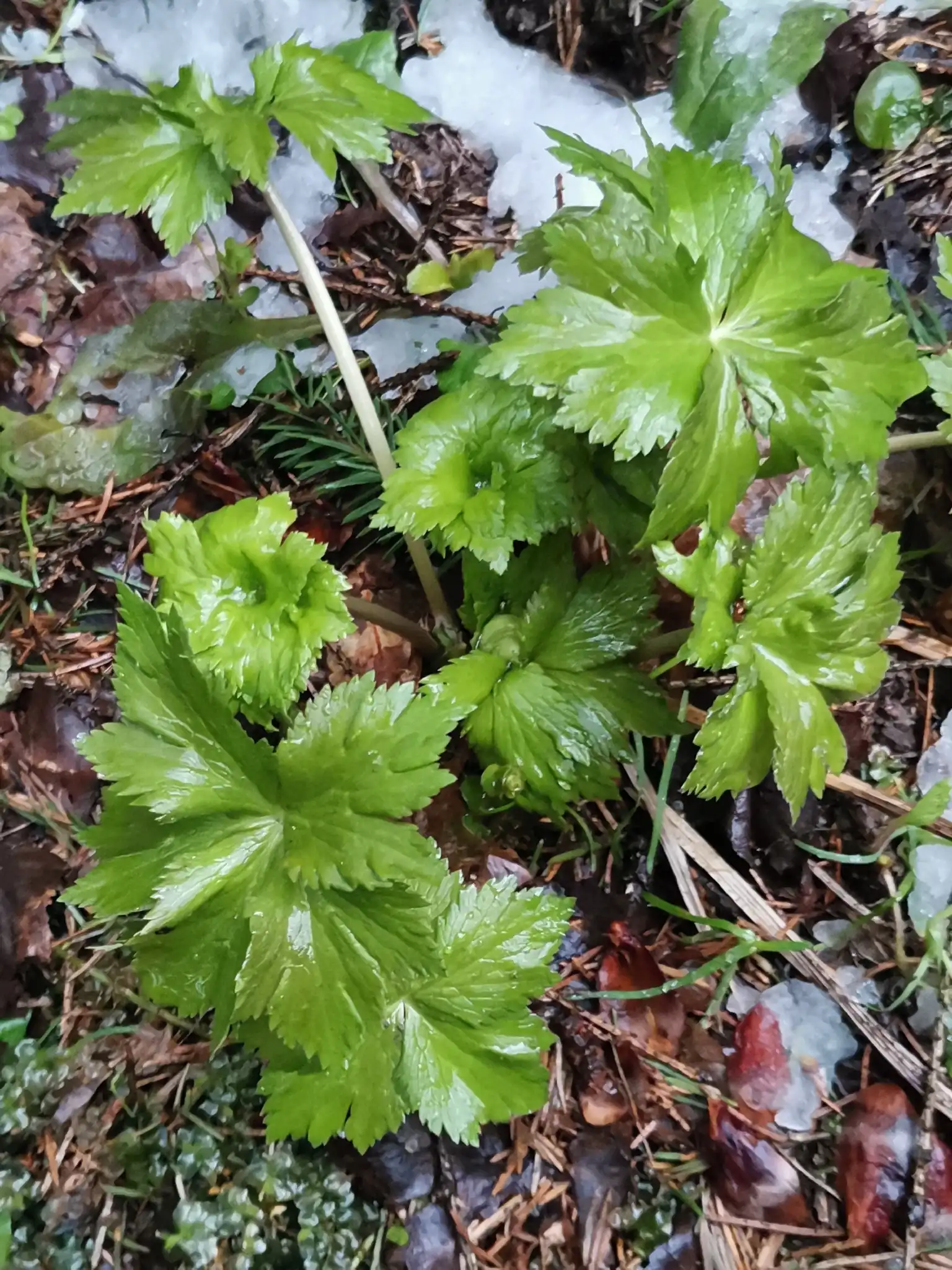
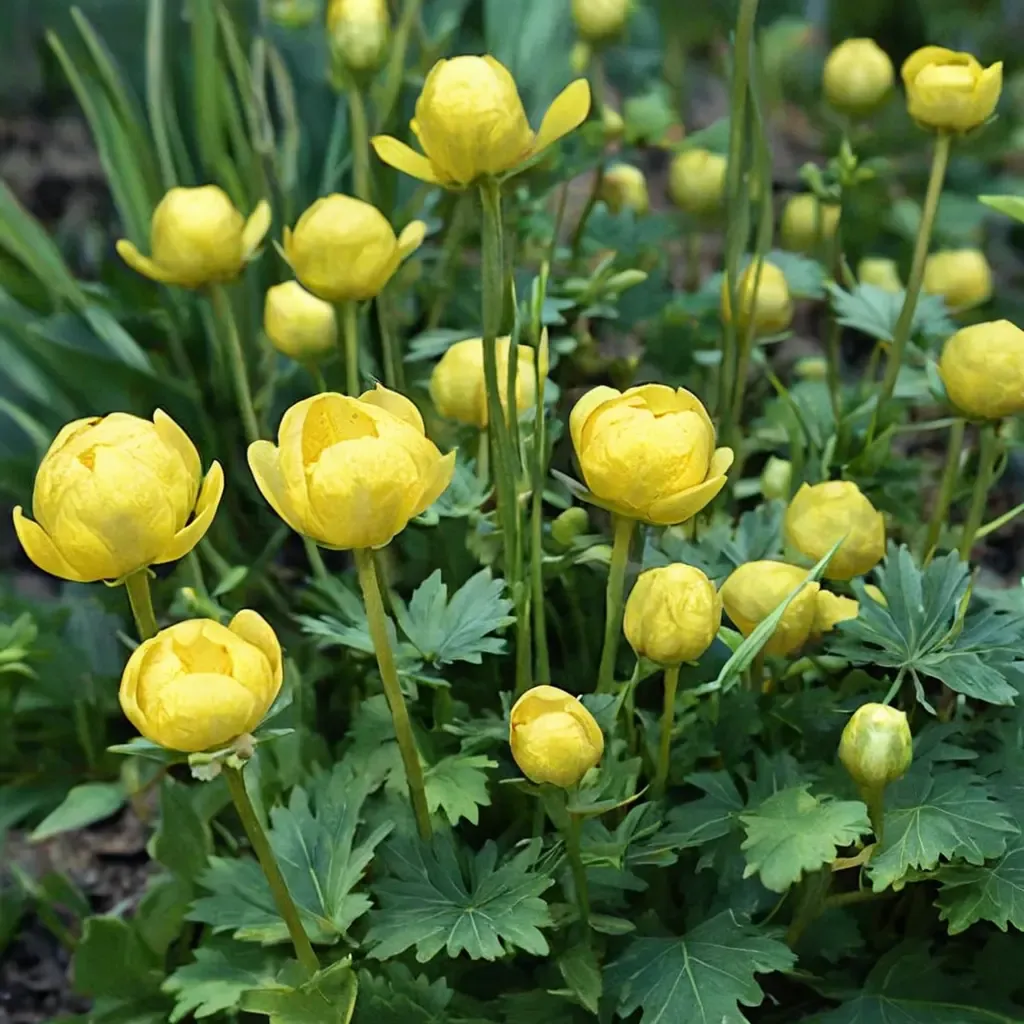
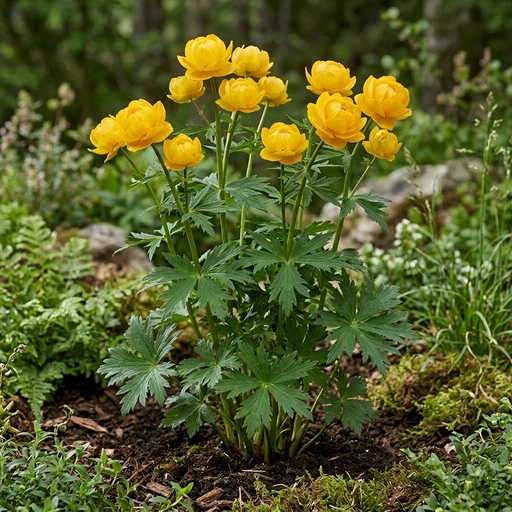
Trollius europaeus, the globeflower, is a clump-forming herbaceous perennial native to cool, damp meadows and mountain areas of Europe and Western Asia. The plant produces deeply divided, dark green basal leaves and upright stems topped with distinctive, spherical yellow flowers composed of tightly overlapping sepals.
The globe-shaped blooms measure up to two inches across, enclosing the true petals within a protective ball of lemon-yellow sepals. This species is exceptionally cold-hardy, thriving in northern climates where soils remain consistently damp.
Uses & Benefits:
Essentials
At a Glance
Plant Type
Perennial
Height
24"
Width
20"
Light
Full Sun, Partial Sun
Zones
4, 5, 6, 7
Water
High
Humidity
Moderate to high
Lifespan
Perennial
Native To
Europe and Western Asia
Toxicity
Toxic if ingested; sap causes skin irritation
Bloom period
Late spring – Early summer
In flower about 2 months of the year
Planting
How to Grow
- Select a planting site with rich, organic-rich soil that retains moisture, such as a bog garden, stream margin, or damp border.
- Amend the planting area with well-rotted compost to improve moisture retention and soil structure.
- Set the plant at the same depth it was growing in its container, ensuring the crown is level with the soil surface.
- Water deeply immediately after planting and maintain a thick layer of organic mulch to keep the root zone cool and wet.
Pro Tip
Plant in rich, humus-heavy soil that never dries out, preferably where the roots receive afternoon shade in warmer zones to prevent leaf scorch. If the foliage declines or dries out in mid-summer, cut the entire clump back to the ground to stimulate fresh, clean spring-like growth.
Keep It Thriving
Care Guide
Do
- Keep the soil consistently moist to wet at all times.
- Provide afternoon shade in warmer climates to prevent foliage scorch.
- Deadhead spent flowers individually to extend the blooming period.
- Apply a light top-dressing of organic compost in early spring.
Don't
- Do not allow the soil to dry out, which triggers premature dormancy.
- Never prune into the old, dry, leafless woody crown structures.
- Avoid planting in dry, sandy soils or exposed, hot, full-sun locations.
- Do not divide the clumps too frequently; limit division to every three to four years.
Seasonal Care Calendar
| Task | Jan | Feb | Mar | Apr | May | Jun | Jul | Aug | Sep | Oct | Nov | Dec |
|---|---|---|---|---|---|---|---|---|---|---|---|---|
| Deadhead | ||||||||||||
| Divide | ||||||||||||
| Fertilize | ||||||||||||
| Pest Check | ||||||||||||
| Prune |
Watch Out For
Pests & Diseases
Common Pests
Common Diseases
In the Garden
Landscape Uses & Companions
Landscape Uses
Companion Plants
Multiply
Propagation Methods
Good to Know
Common Questions
Globeflower questions
What zones can Globeflower grow in?
Globeflower is hardy in USDA Zones 4–7. Inside that range it survives winter in the ground; outside it, grow it as an annual or a container plant you protect.
When does Globeflower bloom?
Globeflower typically blooms in late spring through early summer. Exact timing shifts a week or two with your zone — Sow's bloom calendar maps it to your garden.
Does Globeflower need full sun?
Globeflower does best in full sun to part shade. In hot climates, afternoon shade keeps blooms fresher longer.
More Trollius to compare
Keep exploring
Explore the genus
Hardy in your zone?
Grow Globeflower with confidence
See it in a design of your actual yard, get zone-matched care reminders, and track it season by season in your garden journal.