
Garden hybrid
This is a garden hybrid, bred from more than one wild species, so it has no single species page of its own.
5 other cultivars



The Story
Plant Bio
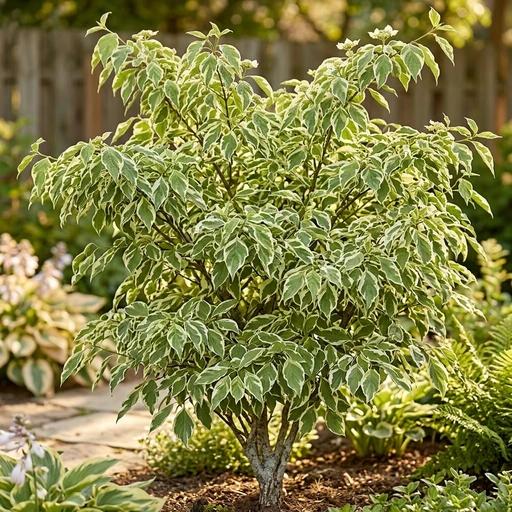
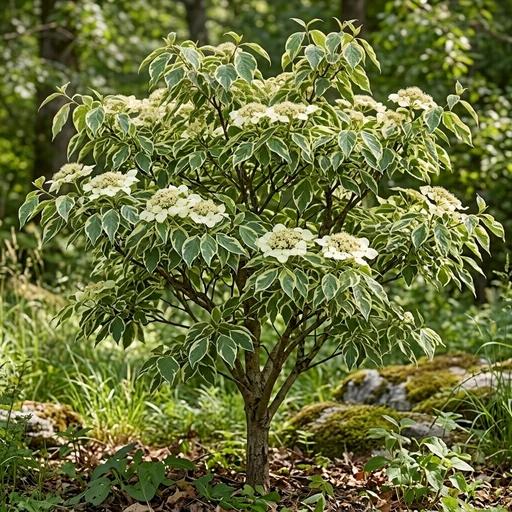
The Rutgers hybrid dogwoods are crosses between Cornus florida and Cornus kousa, developed to combine large flowers with high disease resistance and vigor.
'Rutdan', sold as CELESTIAL, is known for its extremely large, overlapping, pure white bracts. It is sterile, produces no fruit, and exhibits high resistance to dogwood anthracnose.
Uses & Benefits:
Bred from more than one wild species, so it has no species page of its own.
Essentials
At a Glance
Plant Type
Tree
Height
240"
Width
240"
Light
Full Sun, Partial Sun
Zones
5, 6, 7, 8
Water
Medium
Humidity
Average
Lifespan
Medium
Native To
Hybrid
Toxicity
Non-toxic
Bloom period
Late spring – Early summer
In flower about 2 months of the year
Planting
How to Grow
- Select a site with well-drained, acidic soil and partial shade.
- Dig a hole 2-3 times the width of the root ball, but no deeper.
- Gently place the tree in the hole, ensuring the root flare is visible.
- Backfill with the excavated soil, avoiding amendments.
- Water thoroughly to eliminate air pockets.
- Mulch with 2-3 inches of pine bark or compost, away from the trunk.
Pro Tip
Plant in a location with morning sun and afternoon shade to prolong the life of the flower bracts and reduce summer stress.
Keep It Thriving
Care Guide
Do
- Maintain a consistent layer of mulch over the root zone.
- Water deeply and infrequently once established.
- Prune only to remove dead, damaged, or crossing limbs in late winter.
- Test soil pH to ensure it is acidic to neutral.
Don't
- Do not plant in heavy, wet, or alkaline soils.
- Avoid mechanical injury to the trunk from mowers or trimmers.
- Don't fertilize established trees unless a soil test indicates a deficiency.
- Do not plant too deep; keep the root flare exposed.
Seasonal Care Calendar
| Task | Jan | Feb | Mar | Apr | May | Jun | Jul | Aug | Sep | Oct | Nov | Dec |
|---|---|---|---|---|---|---|---|---|---|---|---|---|
| Mulch | ||||||||||||
| Plant |
Watch Out For
Pests & Diseases
Common Pests
Common Diseases
In the Garden
Landscape Uses & Companions
Landscape Uses
Companion Plants
Multiply
Propagation Methods
Good to Know
Common Questions
Rutdan Celestial Dogwood questions
What zones can Rutdan Celestial Dogwood grow in?
Rutdan Celestial Dogwood is hardy in USDA Zones 5–8. Inside that range it survives winter in the ground; outside it, grow it as an annual or a container plant you protect.
Is Rutdan Celestial Dogwood deer resistant?
Yes — Rutdan Celestial Dogwood is rated deer-resistant. Deer typically pass it over, though extreme hunger can override any plant's defenses.
When does Rutdan Celestial Dogwood bloom?
Rutdan Celestial Dogwood typically blooms in late spring through early summer. Exact timing shifts a week or two with your zone — Sow's bloom calendar maps it to your garden.
Does Rutdan Celestial Dogwood need full sun?
Rutdan Celestial Dogwood does best in full sun to part shade. In hot climates, afternoon shade keeps blooms fresher longer.
More Cornus to compare
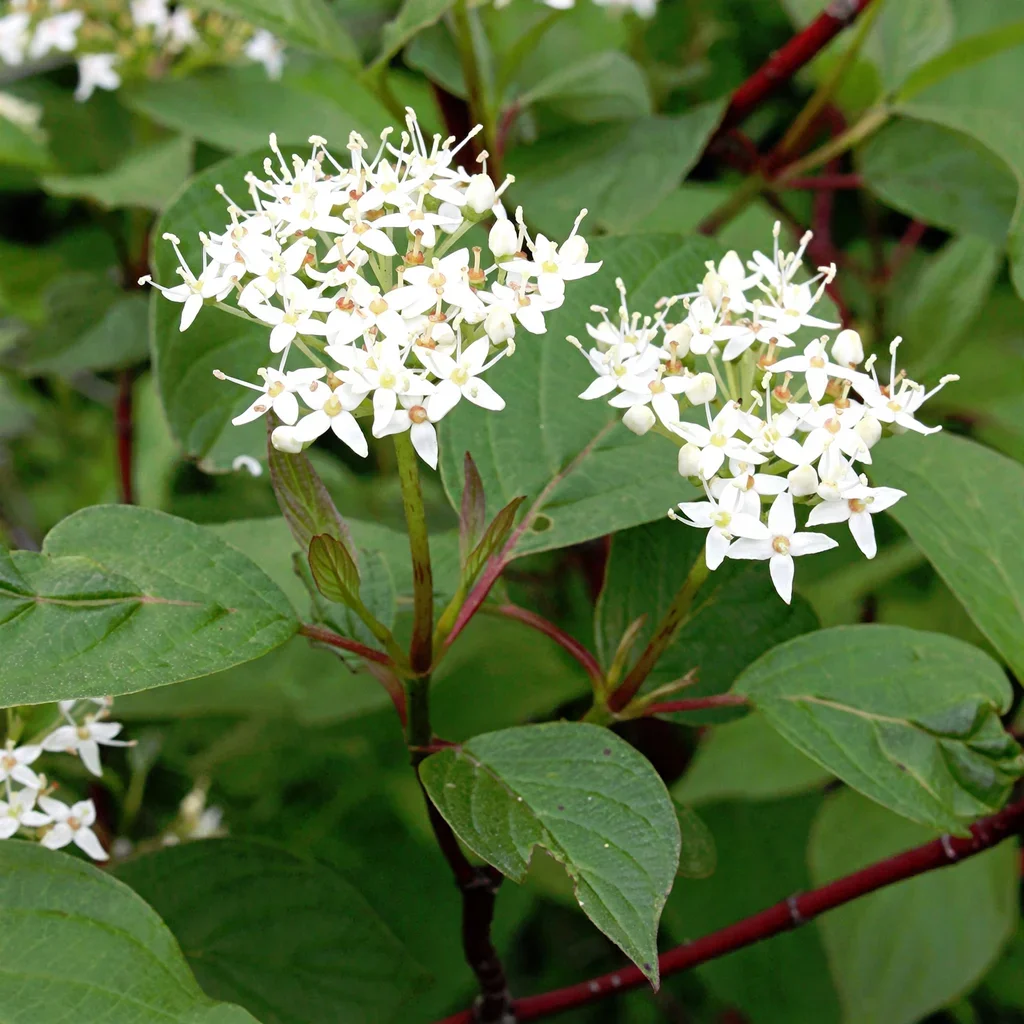
Red Twig Dogwood
Cornus sericea 'Red Twig'
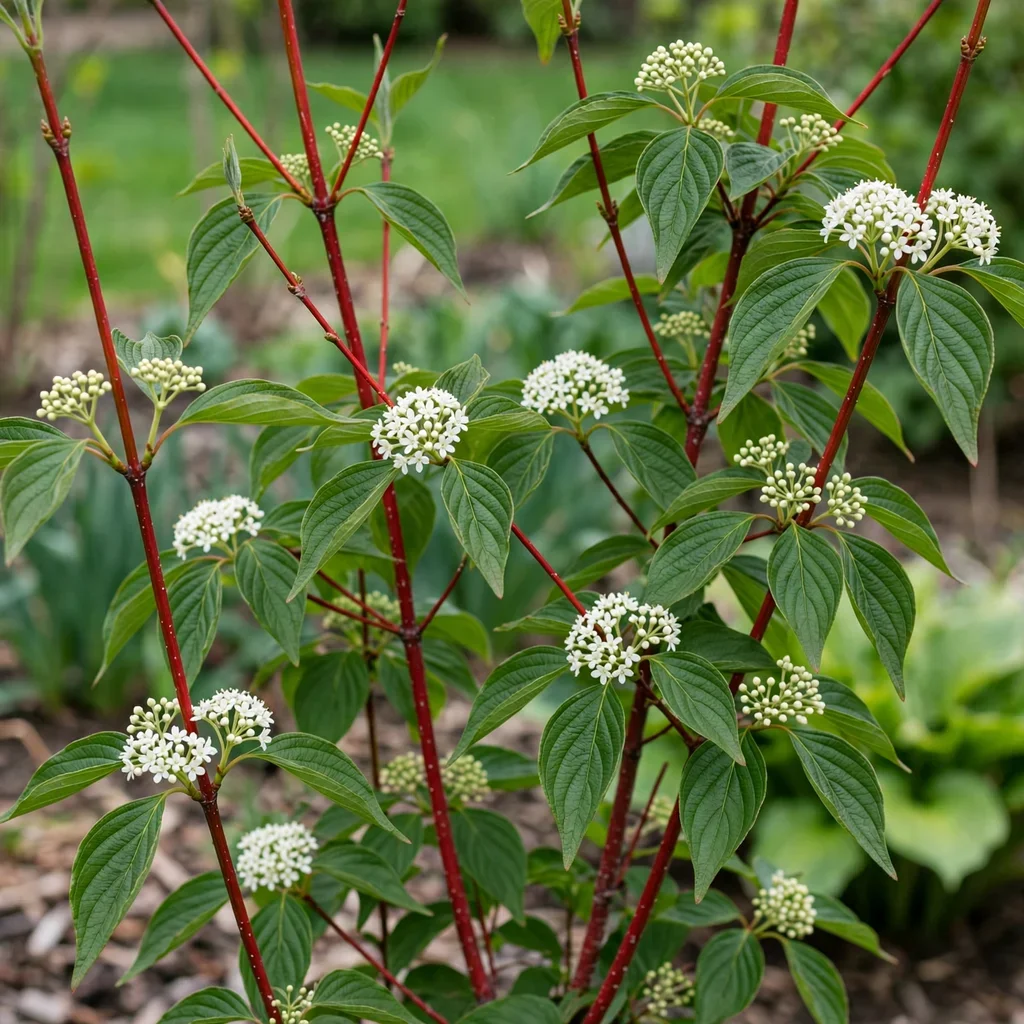
Arctic Fire Red Osier Dogwood
Cornus sericea 'Arctic Fire'
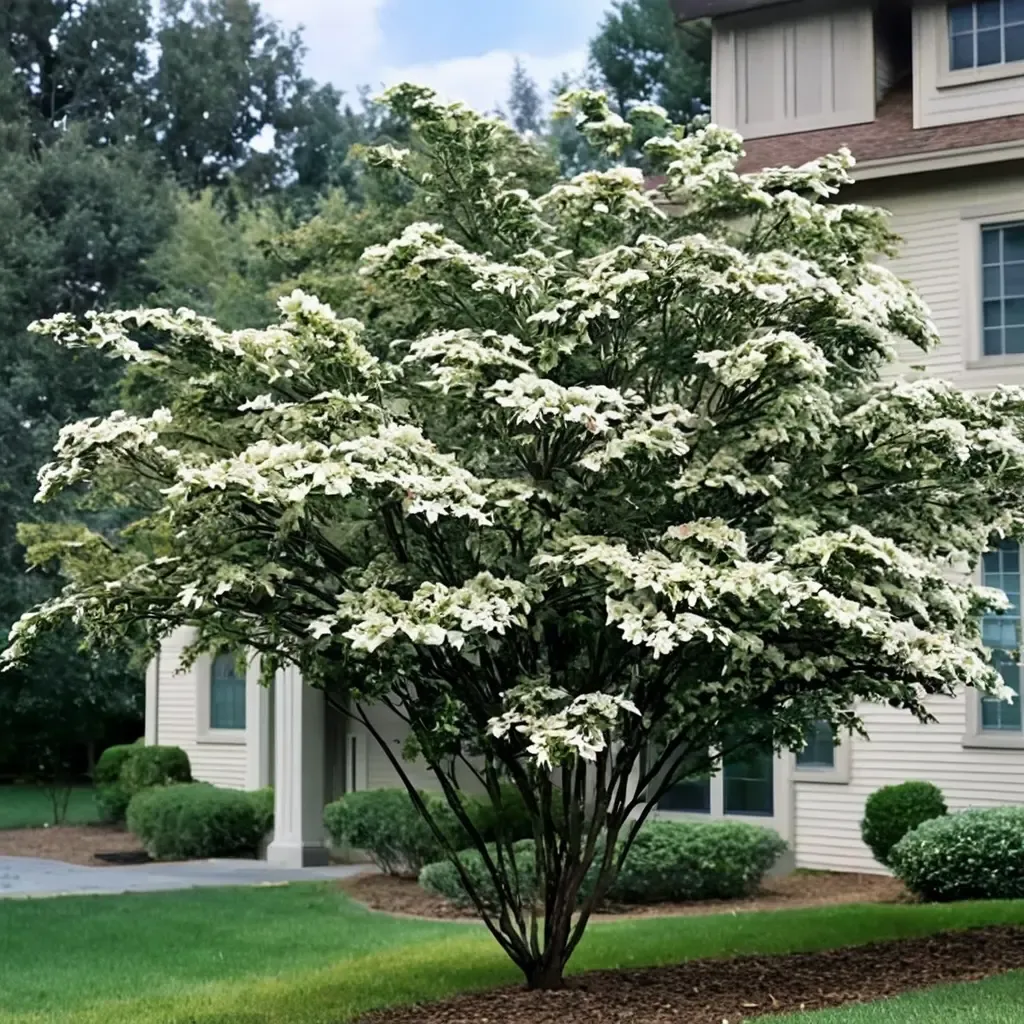
Kousa Dogwood
Cornus kousa
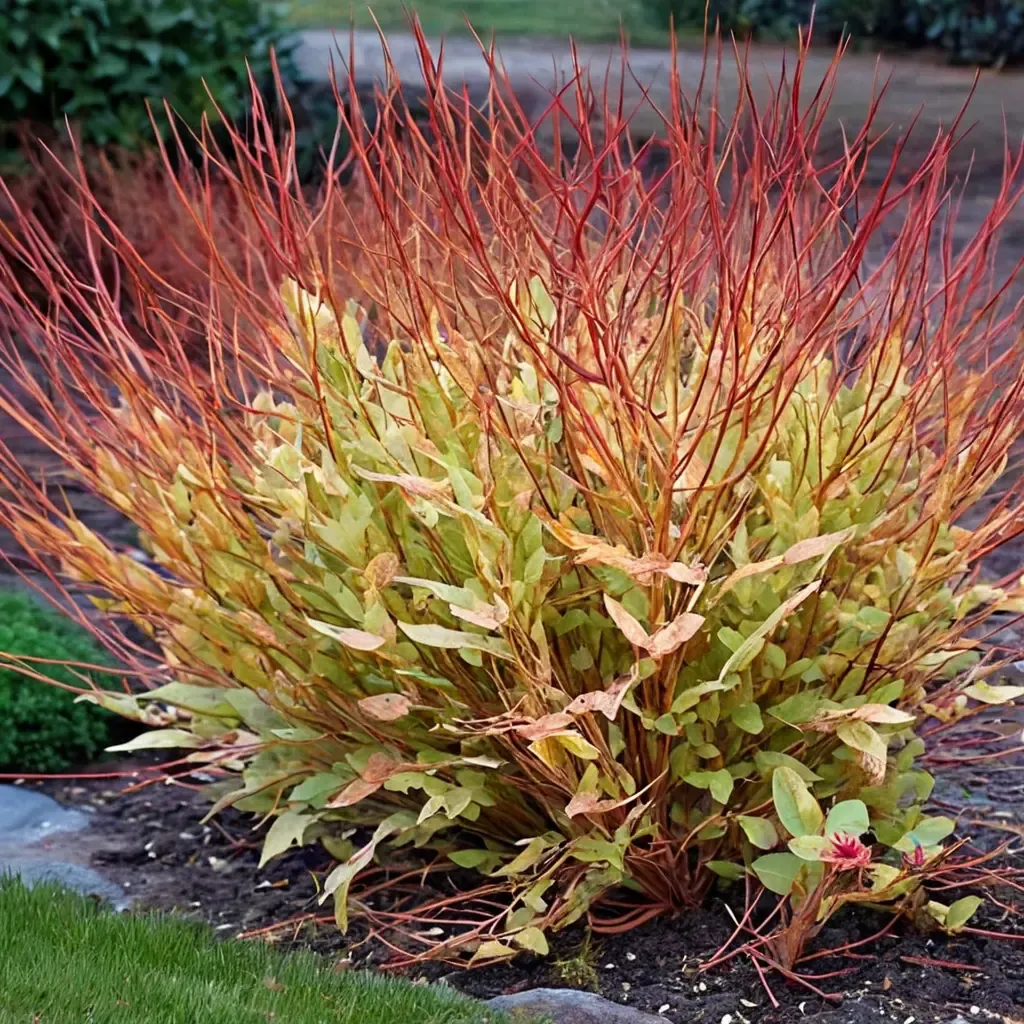
Midwinter Fire Dogwood
Cornus sanguinea 'Midwinter Fire'
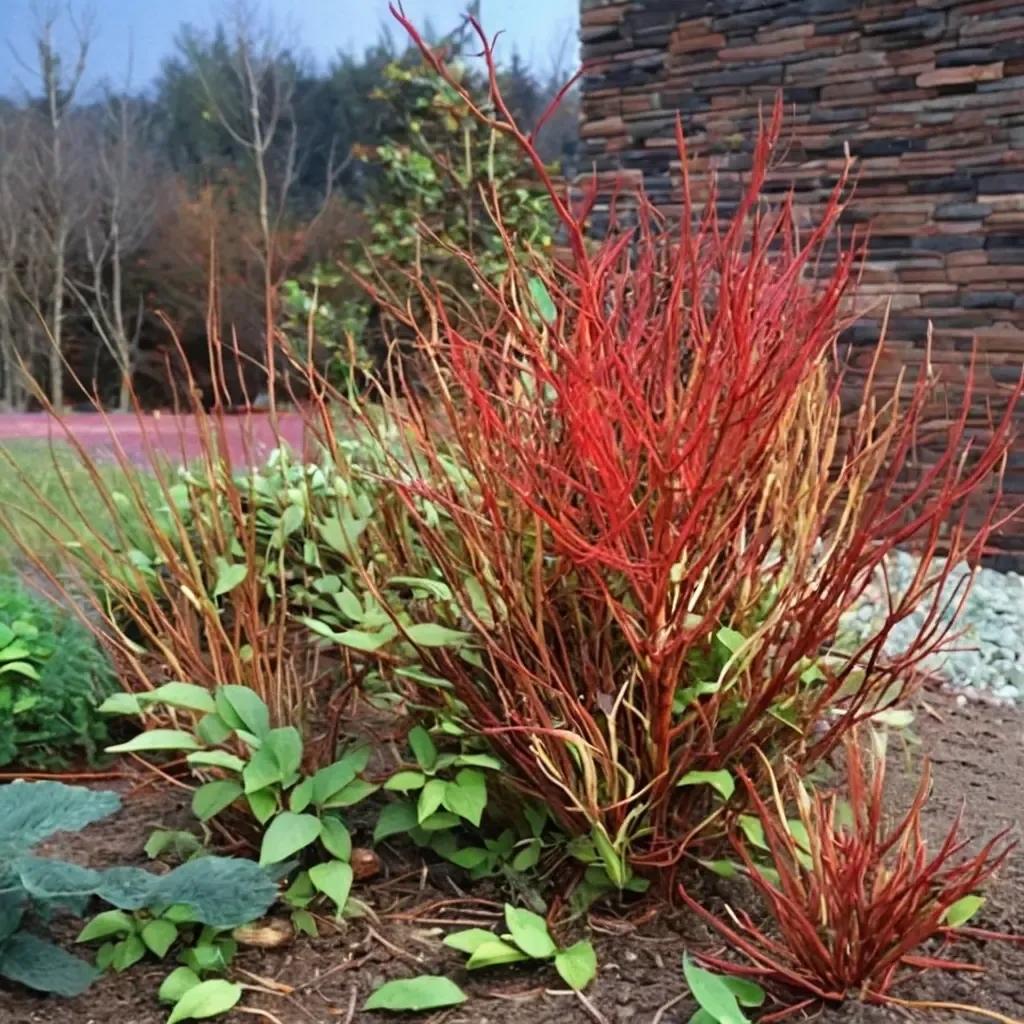
Cardinal Red Osier Dogwood
Cornus sericea 'Cardinal'
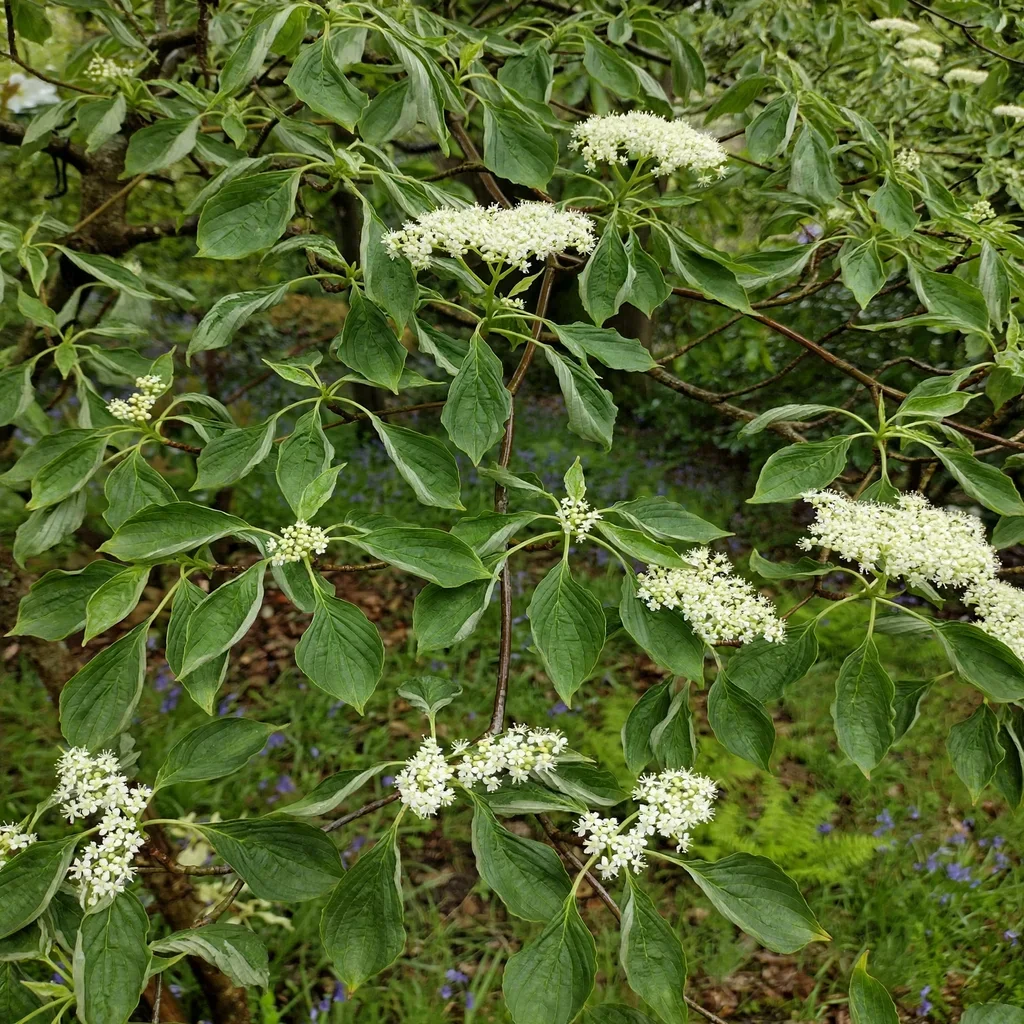
Giant Dogwood
Cornus controversa
Keep exploring
Explore the genus
Hardy in your zone?
Grow Rutdan Celestial Dogwood with confidence
See it in a design of your actual yard, get zone-matched care reminders, and track it season by season in your garden journal.