The Story
Plant Bio
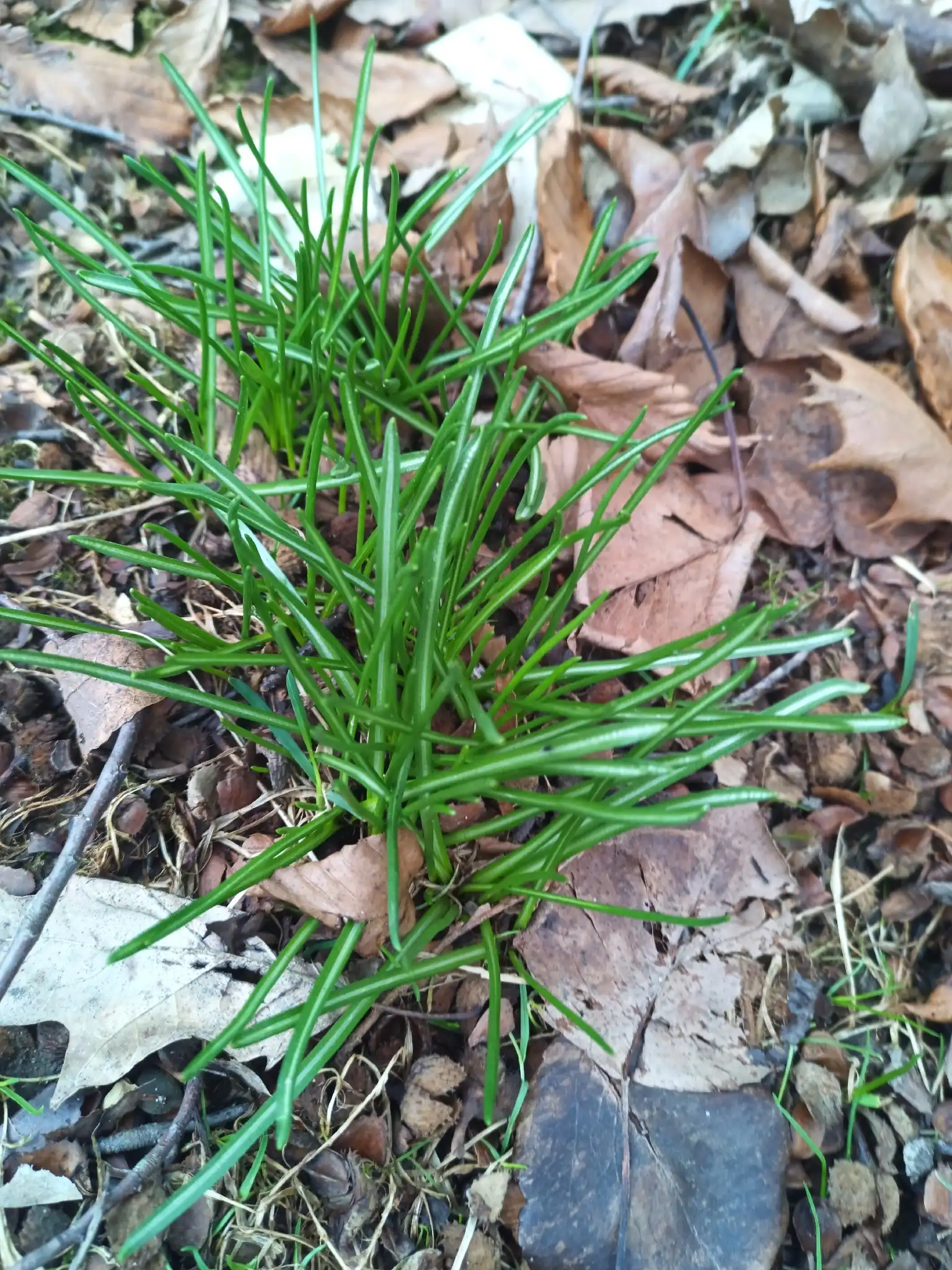
Ornithogalum umbellatum, known as star-of-Bethlehem, is a low-growing bulbous perennial native to Europe, North Africa, and the Middle East. It forms clumping tufts of narrow, grass-like basal leaves, each marked with a distinctive central white stripe, which begin to fade as the flowering stems emerge.
The flat-topped flower clusters bear six to twenty star-shaped blossoms that are pure white inside with a broad green stripe on the reverse. These flowers exhibit a strict diurnal rhythm, opening only around midday and closing tightly at night or on overcast days.
Uses & Benefits:
Essentials
At a Glance
Plant Type
Bulb Corm Tuber
Height
16"
Width
24"
Light
Full Sun, Partial Sun
Zones
4, 5, 6, 7, 8, 9
Water
Low to moderate
Humidity
Moderate
Lifespan
Perennial
Native To
Europe, North Africa, Middle East
Toxicity
Highly toxic if ingested; skin irritant
Bloom period
Mid spring – Late spring
In flower about 2 months of the year
Planting
How to Grow
- Select a planting site in full sun to partial shade with rich, well-drained soil.
- Plant bulbs in autumn at a depth of three to four inches, spacing them three to six inches apart.
- Water thoroughly after planting to settle the soil and initiate root development.
- Allow the foliage to die back completely after spring flowering before removing any leaves.
Pro Tip
Avoid planting this species in open garden beds where its rapid offset production can become invasive; instead, confine it to containers or naturalized areas where its spreading habit is easily contained.
Keep It Thriving
Care Guide
Do
- Plant in highly permeable soil to prevent bulb rot.
- Wear gloves when handling bulbs to avoid skin irritation.
- Deadhead spent flowers to prevent unwanted self-seeding.
Don't
- Do not water the bulbs during their summer dormancy period.
- Do not cut back green foliage prematurely as it feeds next year's bloom.
- Do not plant near pastures where livestock might ingest the toxic leaves.
Seasonal Care Calendar
| Task | Jan | Feb | Mar | Apr | May | Jun | Jul | Aug | Sep | Oct | Nov | Dec |
|---|---|---|---|---|---|---|---|---|---|---|---|---|
| Deadhead | ||||||||||||
| Divide | ||||||||||||
| Plant | ||||||||||||
| Spring Cleanup |
Watch Out For
Pests & Diseases
Common Pests
Common Diseases
In the Garden
Landscape Uses & Companions
Landscape Uses
Companion Plants
Multiply
Propagation Methods
Good to Know
Common Questions
Star-of-Bethlehem questions
What zones can Star-of-Bethlehem grow in?
Star-of-Bethlehem is hardy in USDA Zones 4–9. Inside that range it survives winter in the ground; outside it, grow it as an annual or a container plant you protect.
Is Star-of-Bethlehem deer resistant?
Yes — Star-of-Bethlehem is rated deer-resistant. Deer typically pass it over, though extreme hunger can override any plant's defenses.
When does Star-of-Bethlehem bloom?
Star-of-Bethlehem typically blooms in mid spring through late spring. Exact timing shifts a week or two with your zone — Sow's bloom calendar maps it to your garden.
Does Star-of-Bethlehem need full sun?
Star-of-Bethlehem does best in full sun to part shade. In hot climates, afternoon shade keeps blooms fresher longer.
Is Star-of-Bethlehem drought tolerant?
Yes — once established (usually after the first full season), Star-of-Bethlehem handles dry spells with minimal watering. Water deeply its first year to build the root system that makes that possible.
Keep exploring
Explore the genus
Grow Star-of-Bethlehem with confidence
See it in a design of your actual yard, get zone-matched care reminders, and track it season by season in your garden journal.