
Species
 Styrax japonicusJapanese Snowbell
5 other cultivars



The Story
Plant Bio
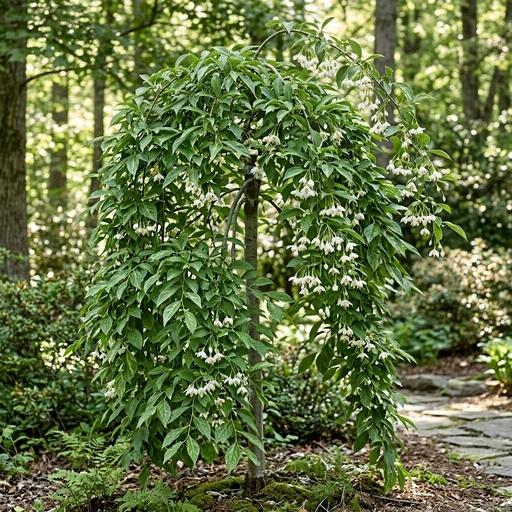
Styrax japonicus is an elegant, small deciduous tree prized for its graceful, horizontal branching and refined appearance. In late spring, it produces a profusion of fragrant, white, bell-shaped flowers that hang in clusters below the branches.
'Snow Cone' is a selected cultivar known for its distinctly upright, pyramidal to conical shape, which is tighter and more uniform than the species. It is also exceptionally floriferous, covering itself in a blizzard of white blooms.
Uses & Benefits:
Essentials
At a Glance
Plant Type
Tree
Height
300"
Width
240"
Light
Full Sun, Partial Sun
Zones
5, 6, 7, 8
Water
Medium
Humidity
Average
Lifespan
40-60 years
Native To
Japan, China, Korea
Toxicity
Non-toxic
Bloom period
Late spring – Early summer
In flower about 2 months of the year
Planting
How to Grow
- Choose a site with acidic, fertile, well-drained soil.
- Provide full sun in the north and afternoon shade in the south.
- Dig a hole twice as wide as the root ball but no deeper.
- Set the tree in the hole, ensuring the root flare is at soil level.
- Backfill with native soil and water thoroughly to settle.
- Apply a layer of mulch, keeping it away from the trunk.
Pro Tip
Plant it where the downward-hanging flowers can be appreciated from below, such as near a patio, deck, or on a raised bed.
Keep It Thriving
Care Guide
Do
- Maintain consistent moisture, especially in hot weather.
- Use an acidic mulch like pine straw or shredded bark.
- Protect from strong winds to prevent branch damage.
- Allow its natural, graceful form to develop with minimal pruning.
Don't
- Don't plant in heavy, poorly drained clay soil.
- Avoid letting the soil dry out completely.
- Don't plant in alkaline soils, which can cause leaf yellowing.
- Avoid excessive fertilization.
Seasonal Care Calendar
| Task | Jan | Feb | Mar | Apr | May | Jun | Jul | Aug | Sep | Oct | Nov | Dec |
|---|---|---|---|---|---|---|---|---|---|---|---|---|
| Mulch | ||||||||||||
| Plant | ||||||||||||
| Prune |
Watch Out For
Pests & Diseases
Common Pests
Common Diseases
In the Garden
Landscape Uses & Companions
Landscape Uses
Companion Plants
Multiply
Propagation Methods
Good to Know
Common Questions
Snow Cone Japanese Snowbell questions
What zones can Snow Cone Japanese Snowbell grow in?
Snow Cone Japanese Snowbell is hardy in USDA Zones 5–8. Inside that range it survives winter in the ground; outside it, grow it as an annual or a container plant you protect.
Is Snow Cone Japanese Snowbell deer resistant?
Yes — Snow Cone Japanese Snowbell is rated deer-resistant. Deer typically pass it over, though extreme hunger can override any plant's defenses.
When does Snow Cone Japanese Snowbell bloom?
Snow Cone Japanese Snowbell typically blooms in late spring through early summer. Exact timing shifts a week or two with your zone — Sow's bloom calendar maps it to your garden.
Does Snow Cone Japanese Snowbell need full sun?
Snow Cone Japanese Snowbell does best in full sun to part shade. In hot climates, afternoon shade keeps blooms fresher longer.
More Styrax to compare
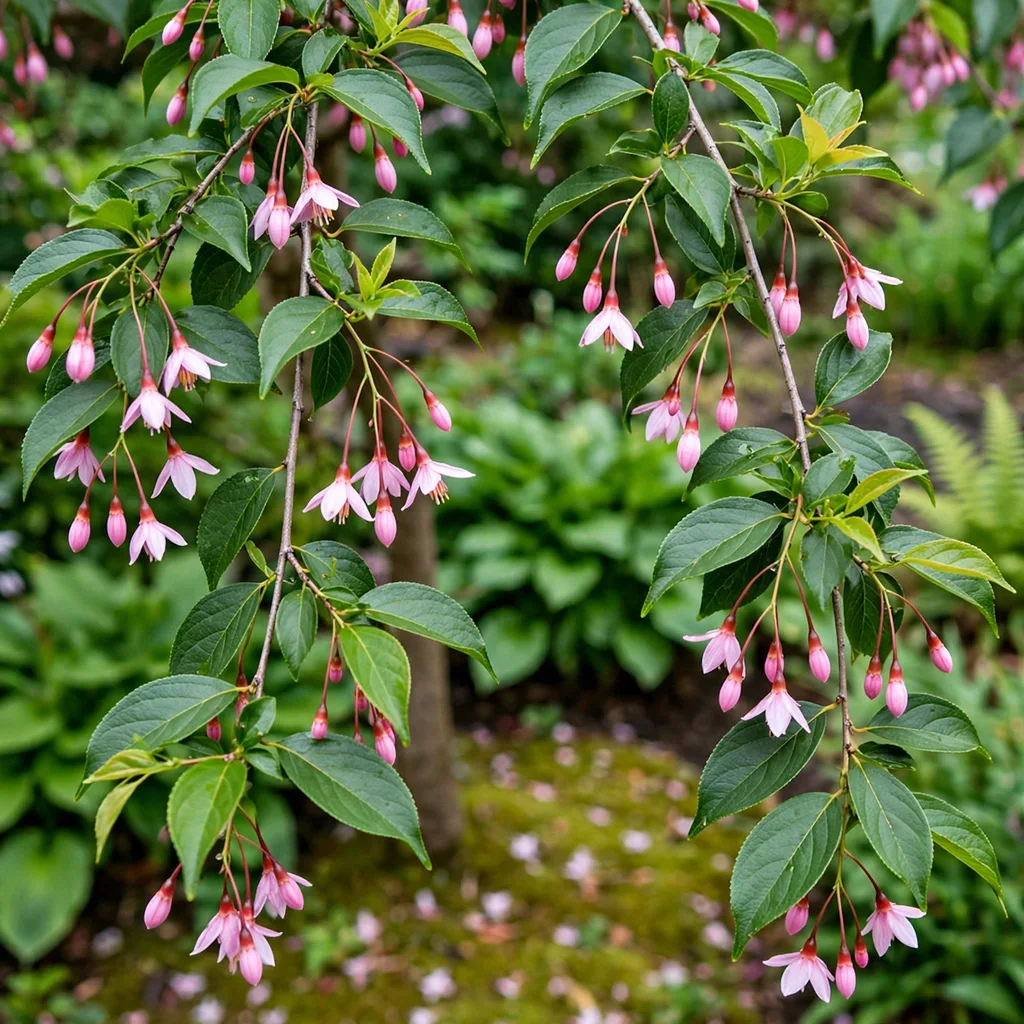
Marley's Pink Japanese Snowbell
Styrax japonicus 'Marley's Pink'
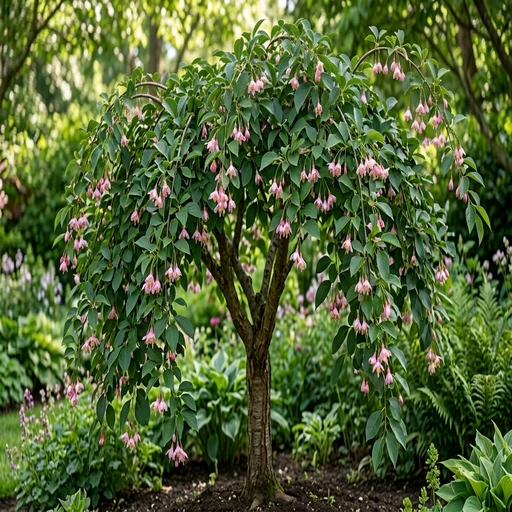
Marley's Pink Parasol Japanese Snowbell
Styrax japonicus 'Marley'S Pink Parasol'
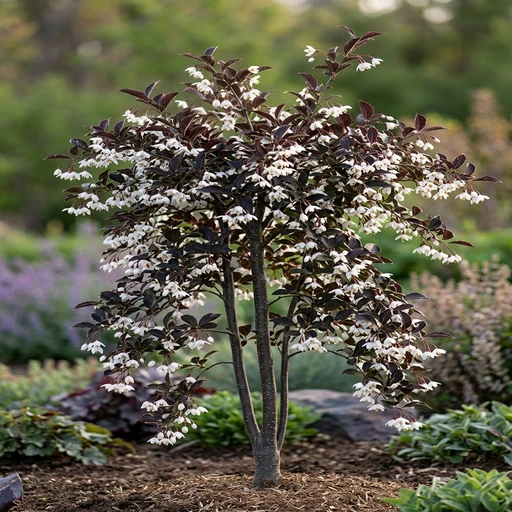
Evening Light Japanese Snowbell
Styrax japonicus 'Evening Light'
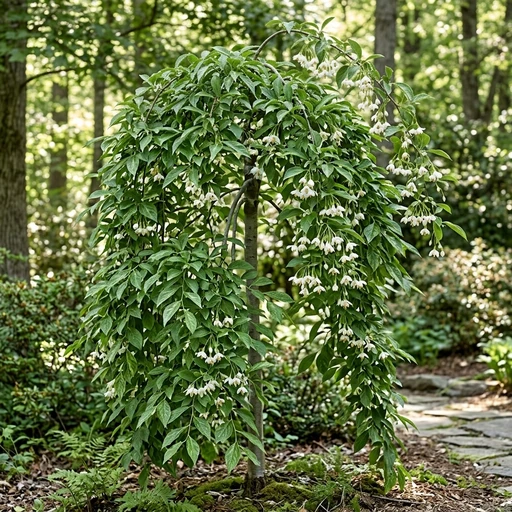
Fragrant Fountain Japanese Snowbell
Styrax japonicus 'Fragrant Fountain'
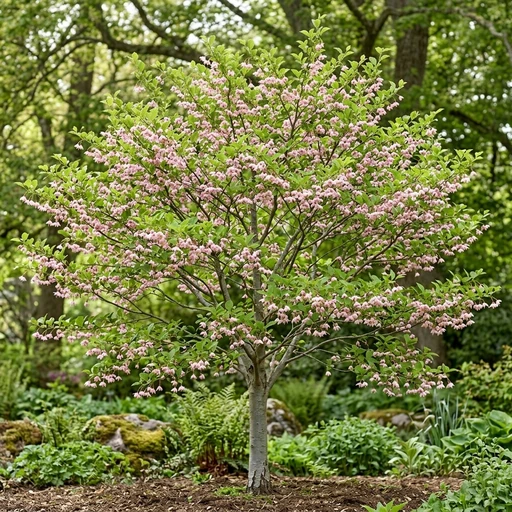
Pink Chimes Japanese Snowbell
Styrax japonicus 'Pink Chimes'
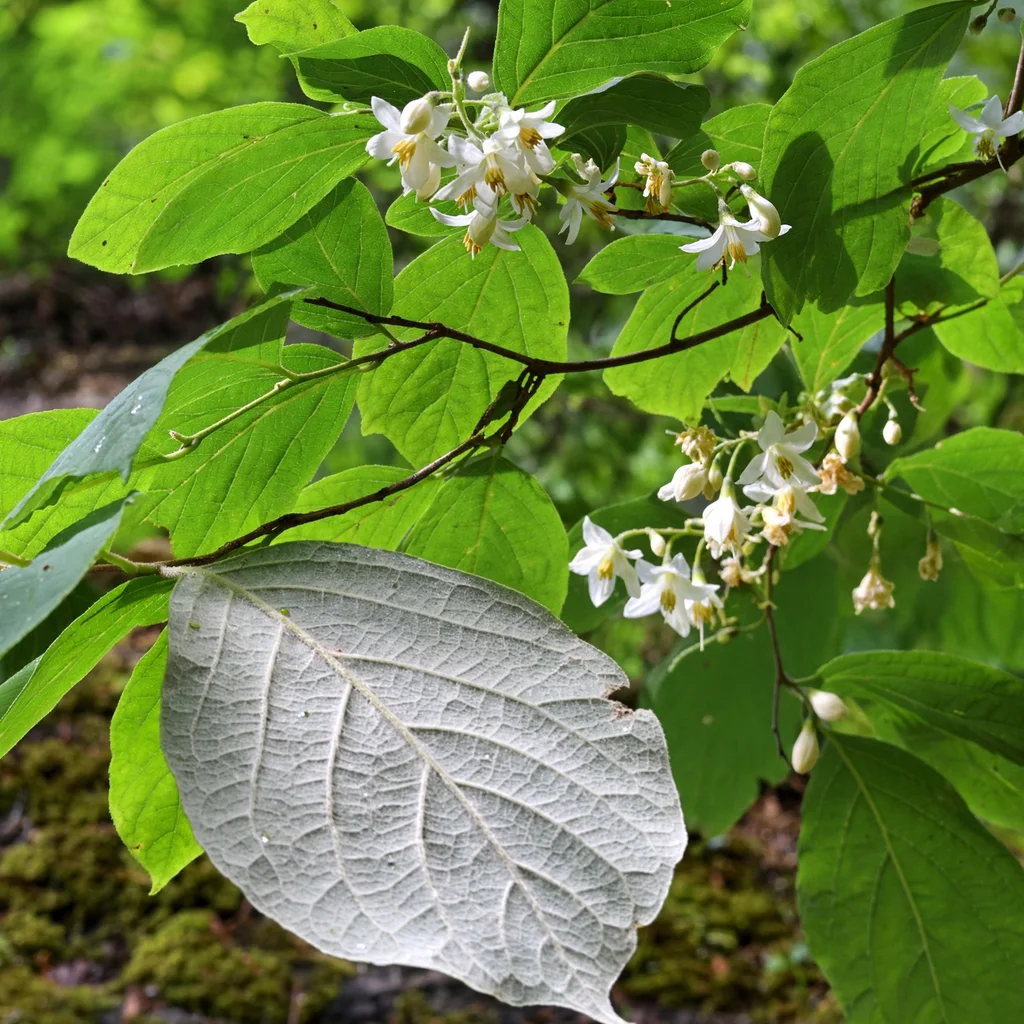
Bigleaf Snowbell
Styrax grandifolius
Keep exploring
Explore the genus
Hardy in your zone?
Grow Snow Cone Japanese Snowbell with confidence
See it in a design of your actual yard, get zone-matched care reminders, and track it season by season in your garden journal.