Also known as Snowbell · 181 saves
Styrax
Styrax, the genus most gardeners know as snowbell. We track 8 varieties; the ones most used by real gardeners.
The 8 most-saved Styrax varieties
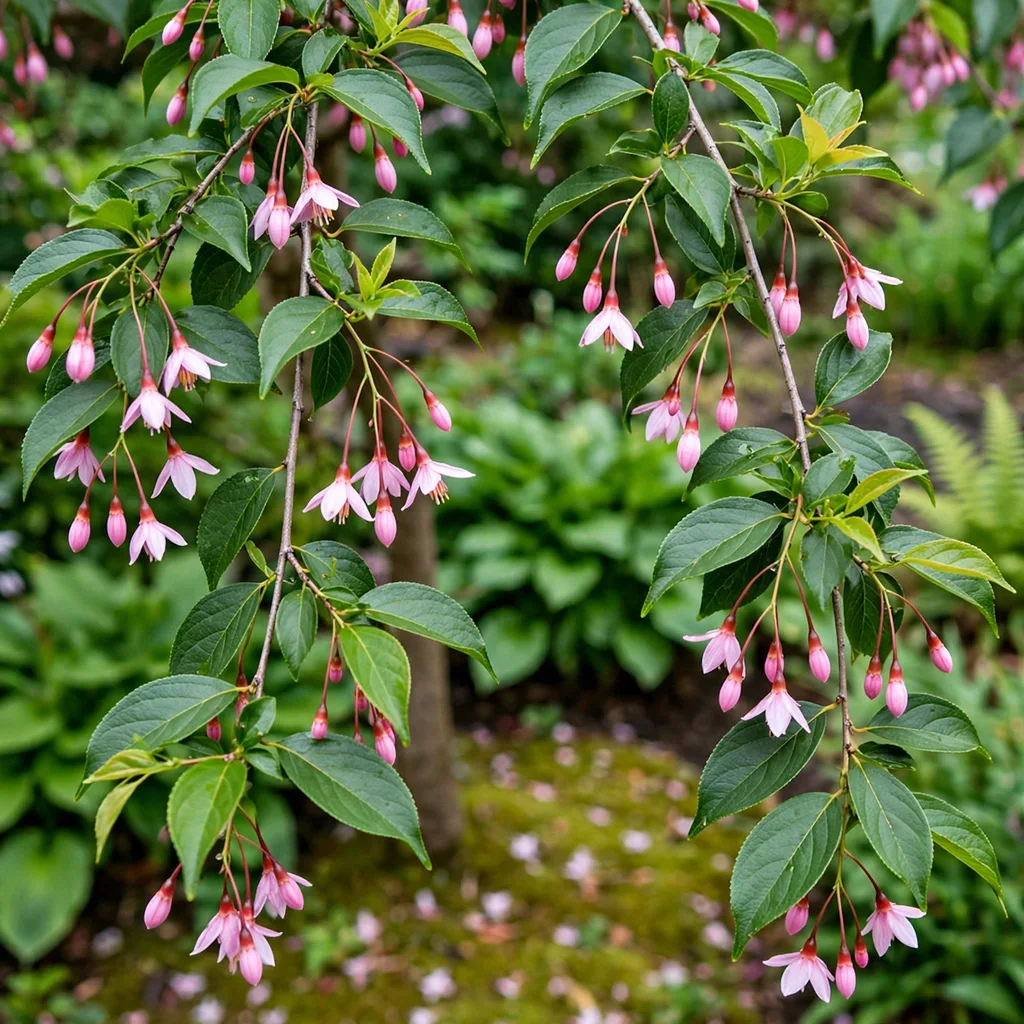
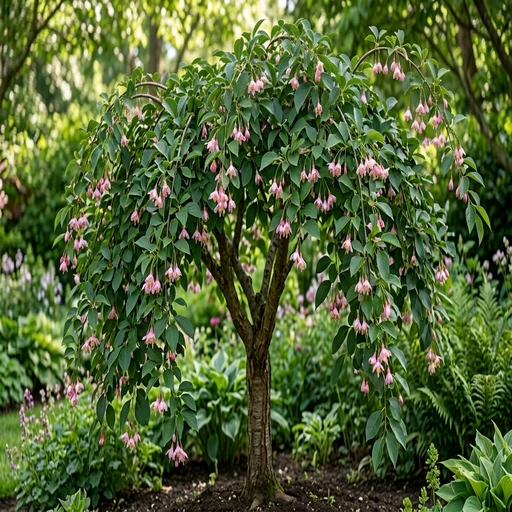
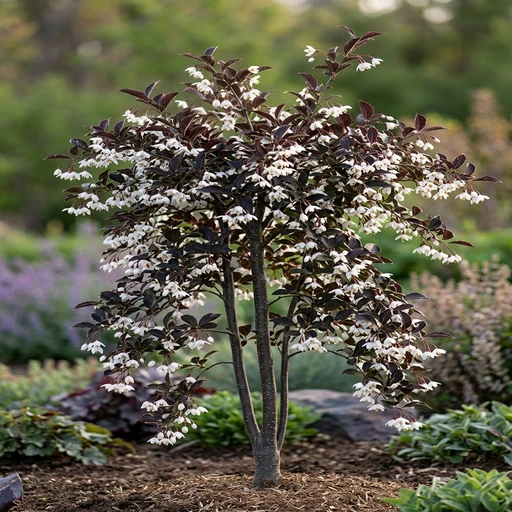
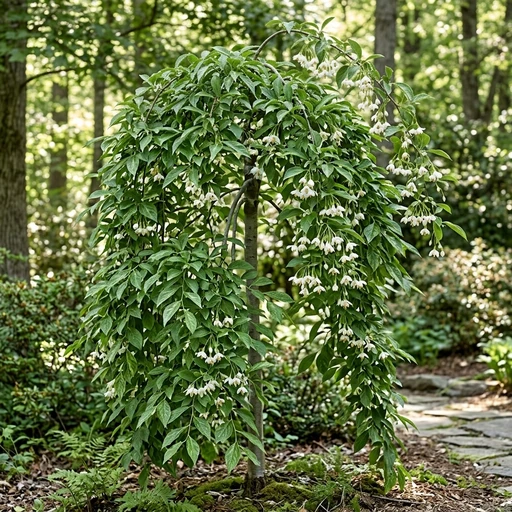
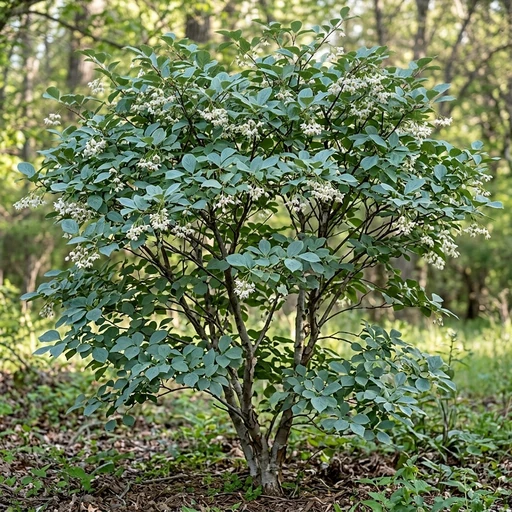
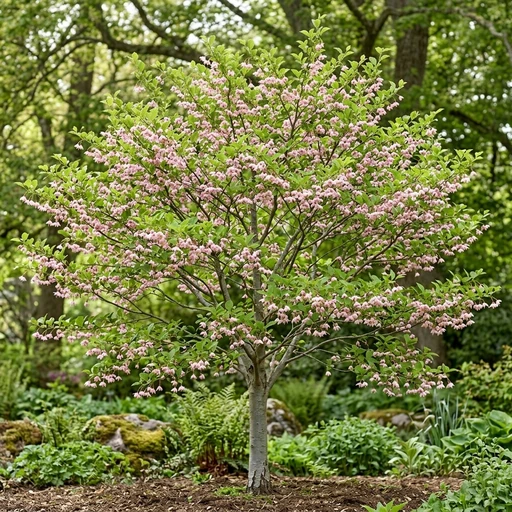
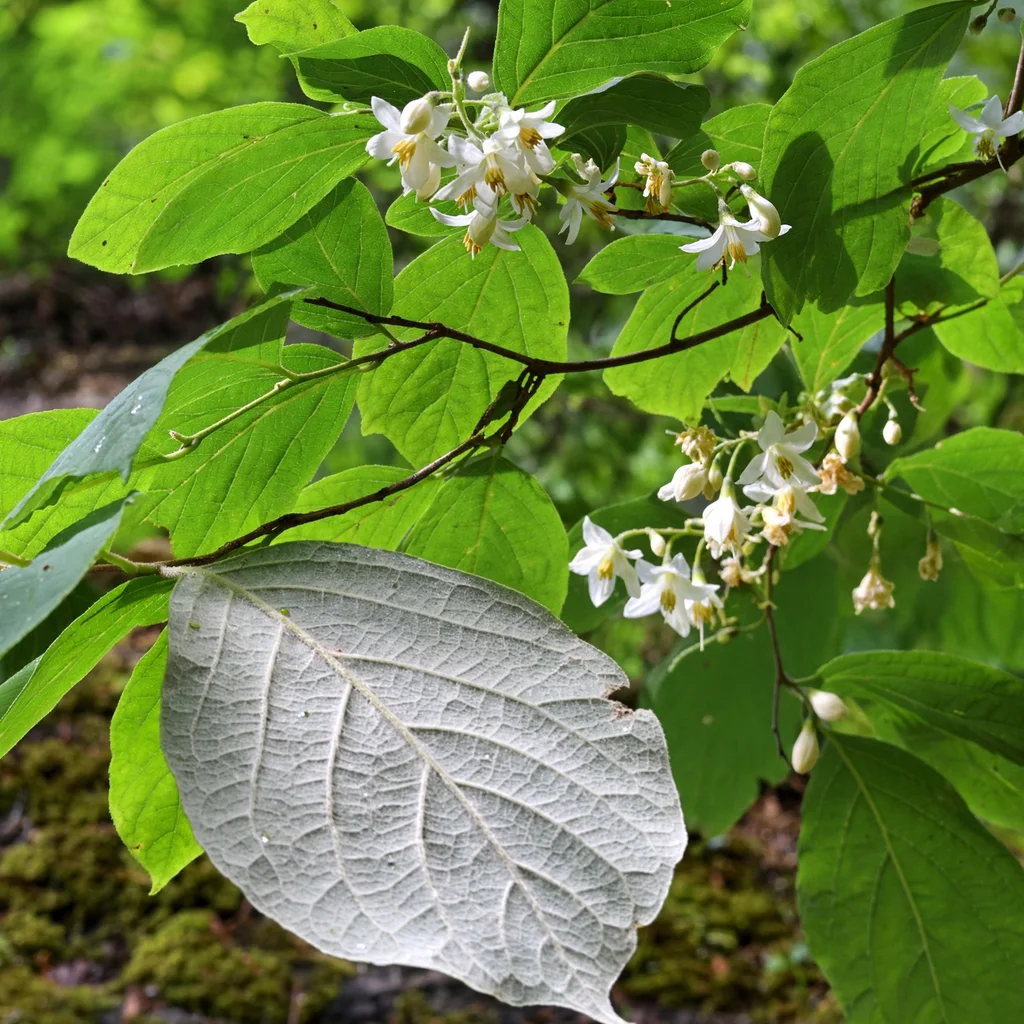
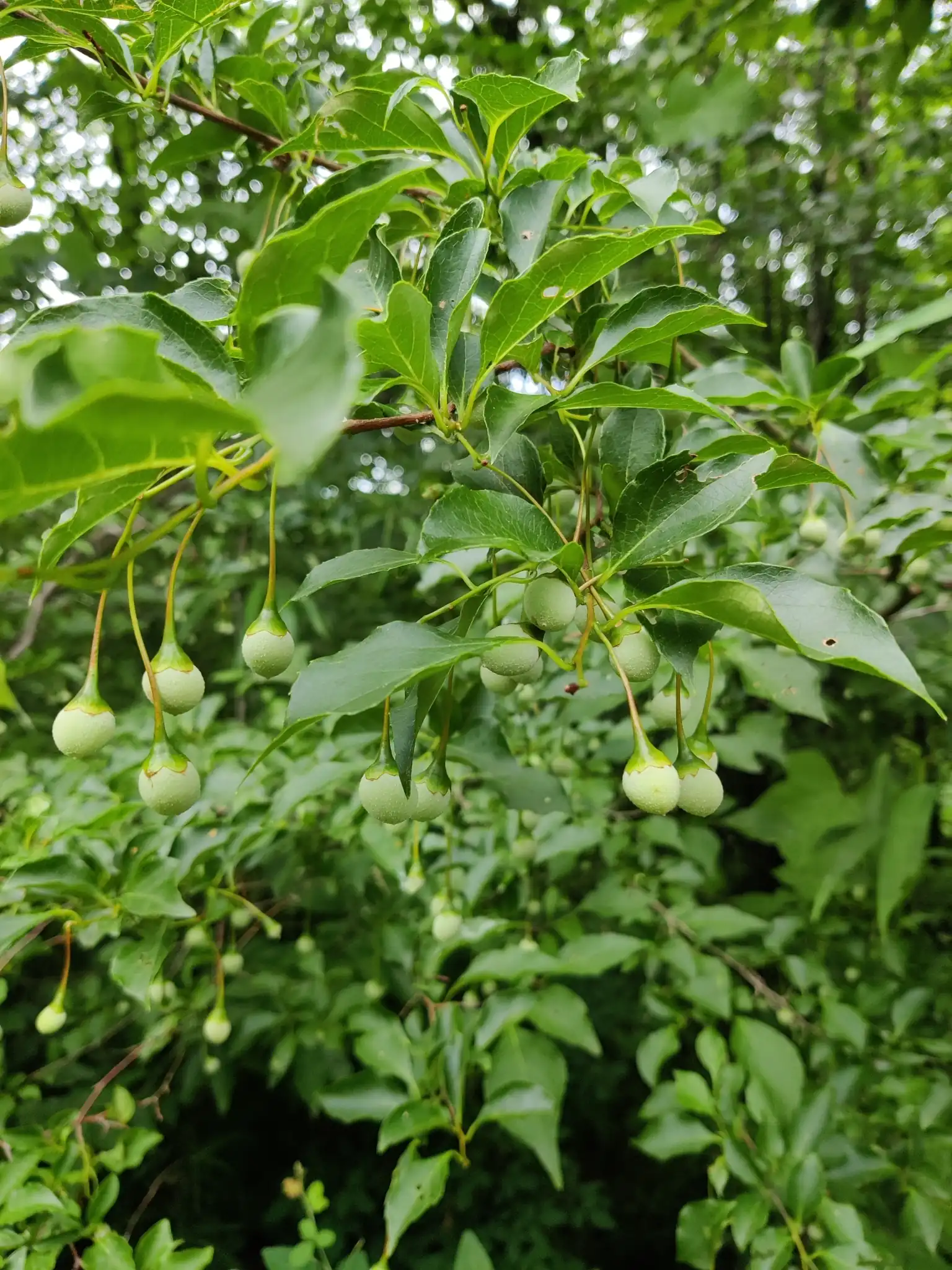
2 species of Styrax
Each one is a parent of the varieties above.
Track your Styrax in Sow
Save the Styrax you grow and get care reminders timed to your zone.
How to grow Styrax
Whats common across all Styrax varieties in our catalog — drawn from the care records of the 8 most-grown of them.
The Styrax year
- MulchMay, November and December88% of varieties
Maintain 2-3 inches of mulch to keep roots cool and moist
- PruneFebruary, March and July88% of varieties
Prune lightly immediately after flowering to maintain shape and remove suckers
- PlantApril, May, October and November75% of varieties
Plant bare root in early spring or container stock in spring/fall
- FertilizeApril38% of varieties
Apply a balanced, slow-release fertilizer if growth is sluggish


Do
- Provide consistent moisture, especially in hot weather.
- Water deeply during dry spells 💧
- Prune after flowering to shape the plant ✂️
- Fertilize in early spring with a balanced fertilizer 🌱
- Monitor for pests regularly
Avoid
- Avoid overwatering which can cause root rot ❌
- Do not prune in late fall to prevent winter damage
- Avoid using high-nitrogen fertilizers mid-season
- Do not plant in heavy clay soil without amendment
What goes wrong with Styrax
| Problem | What you'll see | What to do |
|---|---|---|
| Scale Insects | Small, immobile bumps on stems and leaves, sometimes with sticky honeydew. | Spray with horticultural oil during the dormant season. Use insecticidal soap on active crawlers. Systemic insecticides can be effective. |
| Ambrosia Beetles | Small holes in the trunk, often with sawdust-like frass protruding. | Prevent stress on the tree. Protective trunk sprays with pyrethroids can deter beetles. |
| Ambrosia Beetle | Small holes in the trunk with toothpick-like tubes of frass. | No effective treatment once inside. Prevent by keeping the tree healthy and stress-free. Protective trunk sprays may help. |
| Aphids | Sticky residue and distorted leaves | Spray with insecticidal soap or neem oil |
| Root Rot | Wilting, yellowing leaves, and dieback, especially in poorly drained soils. | Improve soil drainage. Avoid overwatering. Fungicides are generally not effective once established. |
| Powdery mildew | White powdery coating on leaves | Improve air circulation and apply fungicide |
| Root rot | Wilting and yellowing leaves | Reduce watering and improve soil drainage |
Making more Styrax
Softwood Cuttings
- Take 4-6 inch cuttings of new growth in early summer.
- Wound the base and dip in rooting hormone.
- Place in a well-drained rooting medium.
- Keep under high humidity. Rooting is often slow and difficult.
Seed
- Collect the dry grey drupes in autumn and clean the seed.
- Give a warm period followed by three months of cold stratification.
- Sow in spring in a shaded frame; germination is slow.
Styrax questions
How many types of Styrax are there?
The Sow catalog tracks 8 distinct Styrax varieties. The most popular — ranked by 181 real gardeners — are shown first above.
What zones does Styrax grow in?
Across its varieties, Styrax covers USDA Zones 5–9. Individual varieties differ — each plant page lists its exact range, and Sow filters the catalog to your zone automatically.
When does Styrax bloom?
Most Styrax varieties bloom in late spring, spring, late spring, fragrant white bells. Staggering early, mid, and late varieties extends the genus's season in one bed.
Which Styrax should I choose?
Start from the most-saved varieties above — popularity across thousands of gardens is a strong signal of reliability — then filter by your zone and sun. In the Sow app you can preview any of them in a photo of your actual yard before you buy.