




The Story
Plant Bio
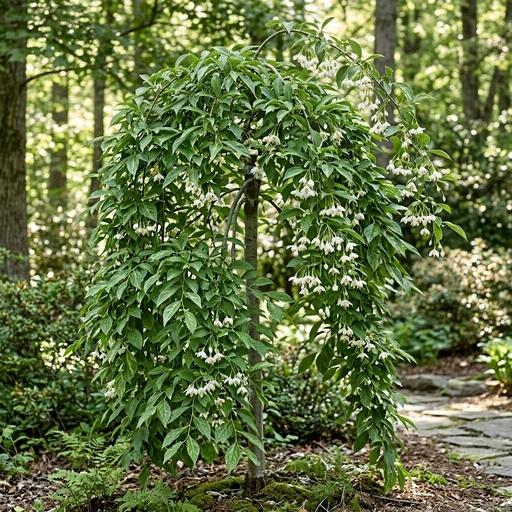
Styrax japonicus is a graceful, small to medium-sized deciduous tree with elegant horizontal branching. It is renowned for the profusion of fragrant, pendulous, bell-shaped white flowers that hang below the branches in late spring.
'Evening Light' is a distinctive cultivar featuring deep purple-black foliage that holds its color well through summer. This dark foliage creates a dramatic backdrop for the pristine white, bell-shaped flowers.
Uses & Benefits:
Essentials
At a Glance
Plant Type
Tree
Height
96"
Width
72"
Light
Full Sun, Partial Sun
Zones
5, 6, 7, 8
Water
Moderate
Humidity
Moderate
Lifespan
Medium, 40-60 years
Native To
Japan, China, Korea
Toxicity
Non-toxic
Bloom period
Late spring – Early summer
In flower about 2 months of the year
Planting
How to Grow
- Choose a site with full sun or light afternoon shade.
- Prepare a planting hole with rich, acidic, well-drained soil.
- Position the tree so its root flare is at soil level.
- Backfill the hole, gently firming the soil.
- Water deeply and consistently after planting.
- Apply a layer of mulch to conserve moisture.
Pro Tip
Plant near a patio or walkway where the dangling, fragrant flowers can be viewed from below and easily appreciated.
Keep It Thriving
Care Guide
Do
- Provide consistent water, especially during hot, dry weather.
- Plant in acidic soil rich in organic matter.
- Mulch to keep the root zone cool and moist.
- Protect from harsh winter winds in colder zones.
- Site in full sun for the best, darkest foliage color.
Don't
- Do not let the soil dry out completely.
- Avoid planting in heavy, alkaline, or poorly drained soils.
- Don't prune heavily, as it can spoil the natural graceful habit.
- Avoid planting in hot, reflective locations without adequate moisture.
Seasonal Care Calendar
| Task | Jan | Feb | Mar | Apr | May | Jun | Jul | Aug | Sep | Oct | Nov | Dec |
|---|---|---|---|---|---|---|---|---|---|---|---|---|
| Mulch | ||||||||||||
| Plant | ||||||||||||
| Prune |
Watch Out For
Pests & Diseases
Common Pests
Common Diseases
In the Garden
Landscape Uses & Companions
Landscape Uses
Companion Plants
Multiply
Propagation Methods
Good to Know
Common Questions
Evening Light Japanese Snowbell questions
What zones can Evening Light Japanese Snowbell grow in?
Evening Light Japanese Snowbell is hardy in USDA Zones 5–8. Inside that range it survives winter in the ground; outside it, grow it as an annual or a container plant you protect.
Is Evening Light Japanese Snowbell deer resistant?
Yes — Evening Light Japanese Snowbell is rated deer-resistant. Deer typically pass it over, though extreme hunger can override any plant's defenses.
When does Evening Light Japanese Snowbell bloom?
Evening Light Japanese Snowbell typically blooms in late spring through early summer. Exact timing shifts a week or two with your zone — Sow's bloom calendar maps it to your garden.
Does Evening Light Japanese Snowbell need full sun?
Evening Light Japanese Snowbell does best in full sun to part shade. In hot climates, afternoon shade keeps blooms fresher longer.
More Styrax to compare
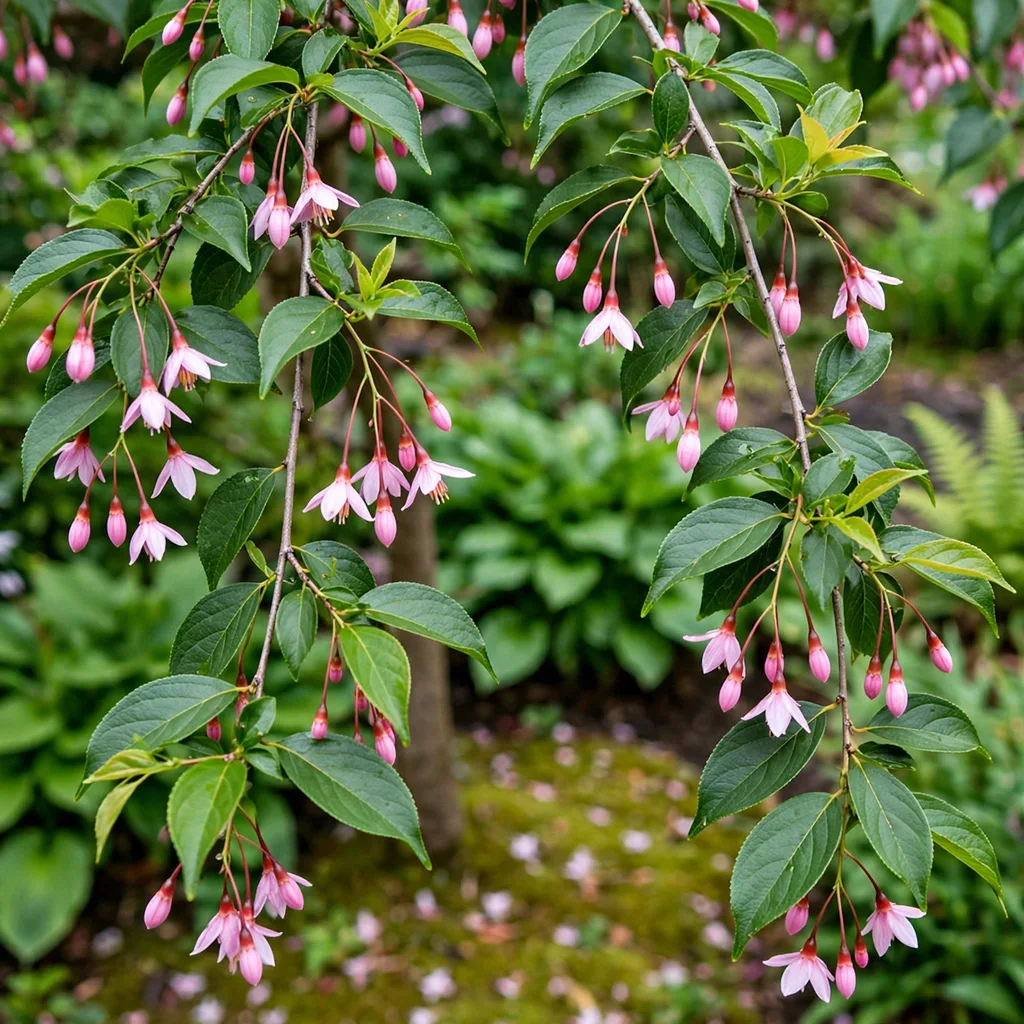
Marley's Pink Japanese Snowbell
Styrax japonicus 'Marley's Pink'
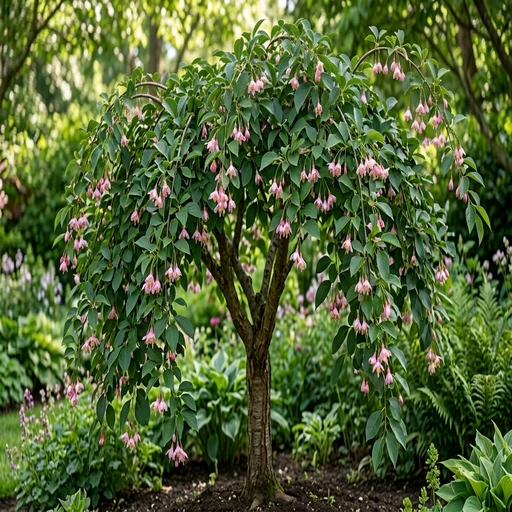
Marley's Pink Parasol Japanese Snowbell
Styrax japonicus 'Marley'S Pink Parasol'
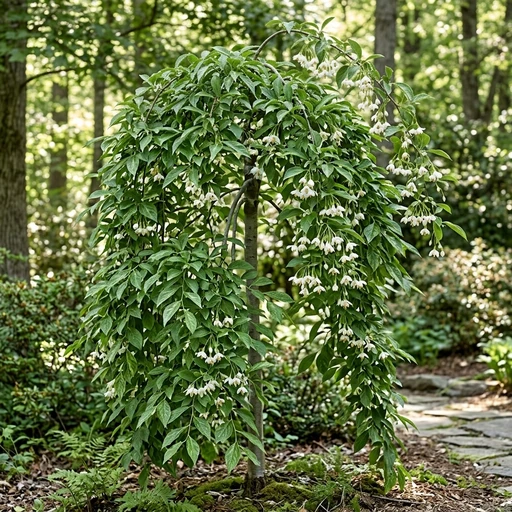
Fragrant Fountain Japanese Snowbell
Styrax japonicus 'Fragrant Fountain'
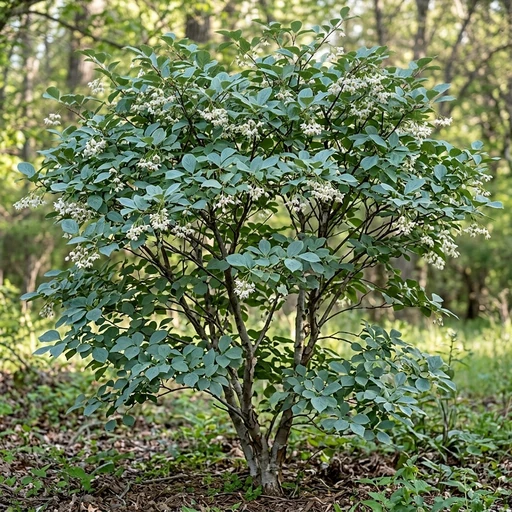
Snow Cone Japanese Snowbell
Styrax japonicus 'Snow Cone'
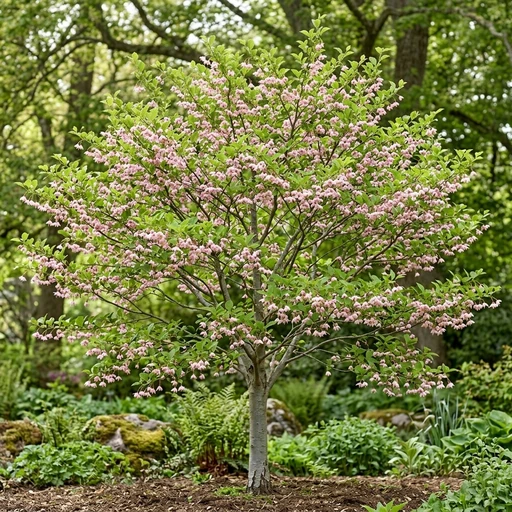
Pink Chimes Japanese Snowbell
Styrax japonicus 'Pink Chimes'
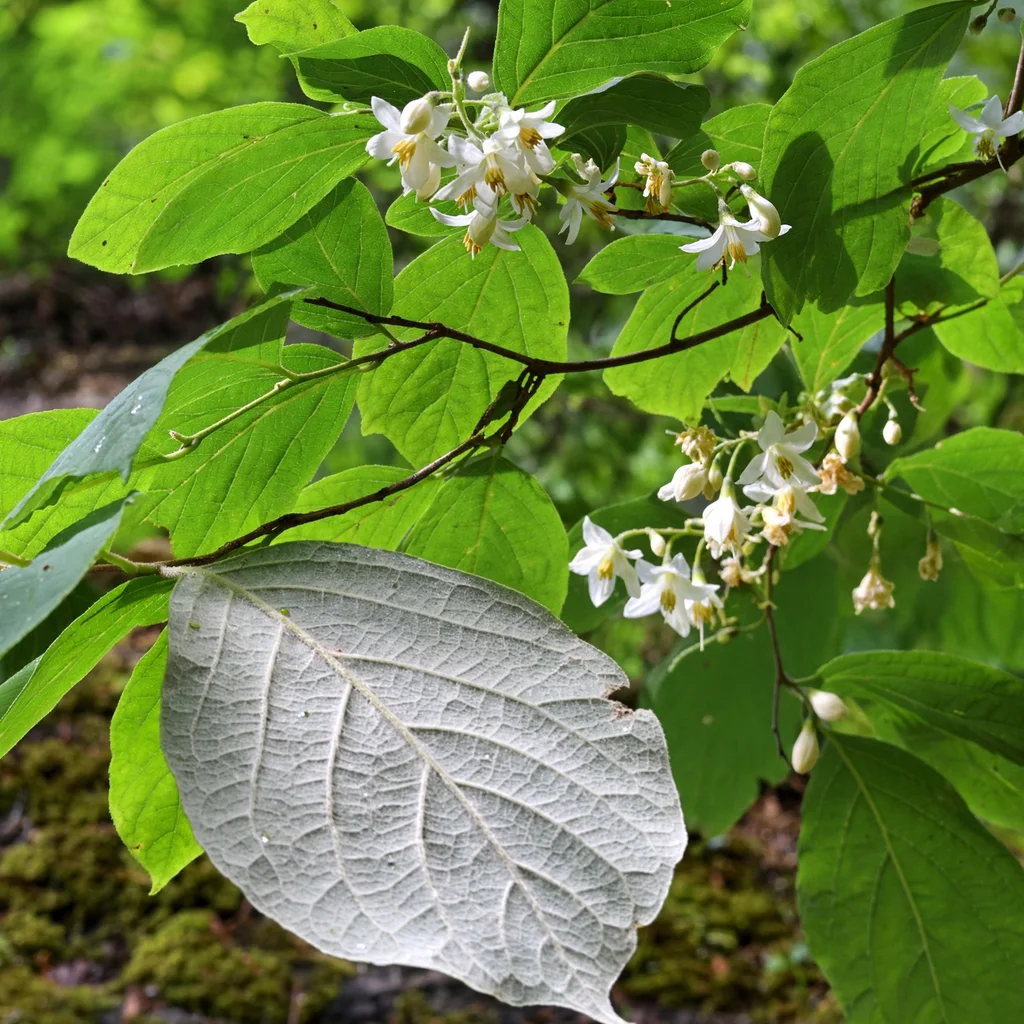
Bigleaf Snowbell
Styrax grandifolius
Keep exploring
Explore the genus
Hardy in your zone?
Grow Evening Light Japanese Snowbell with confidence
See it in a design of your actual yard, get zone-matched care reminders, and track it season by season in your garden journal.