
The Story
Plant Bio
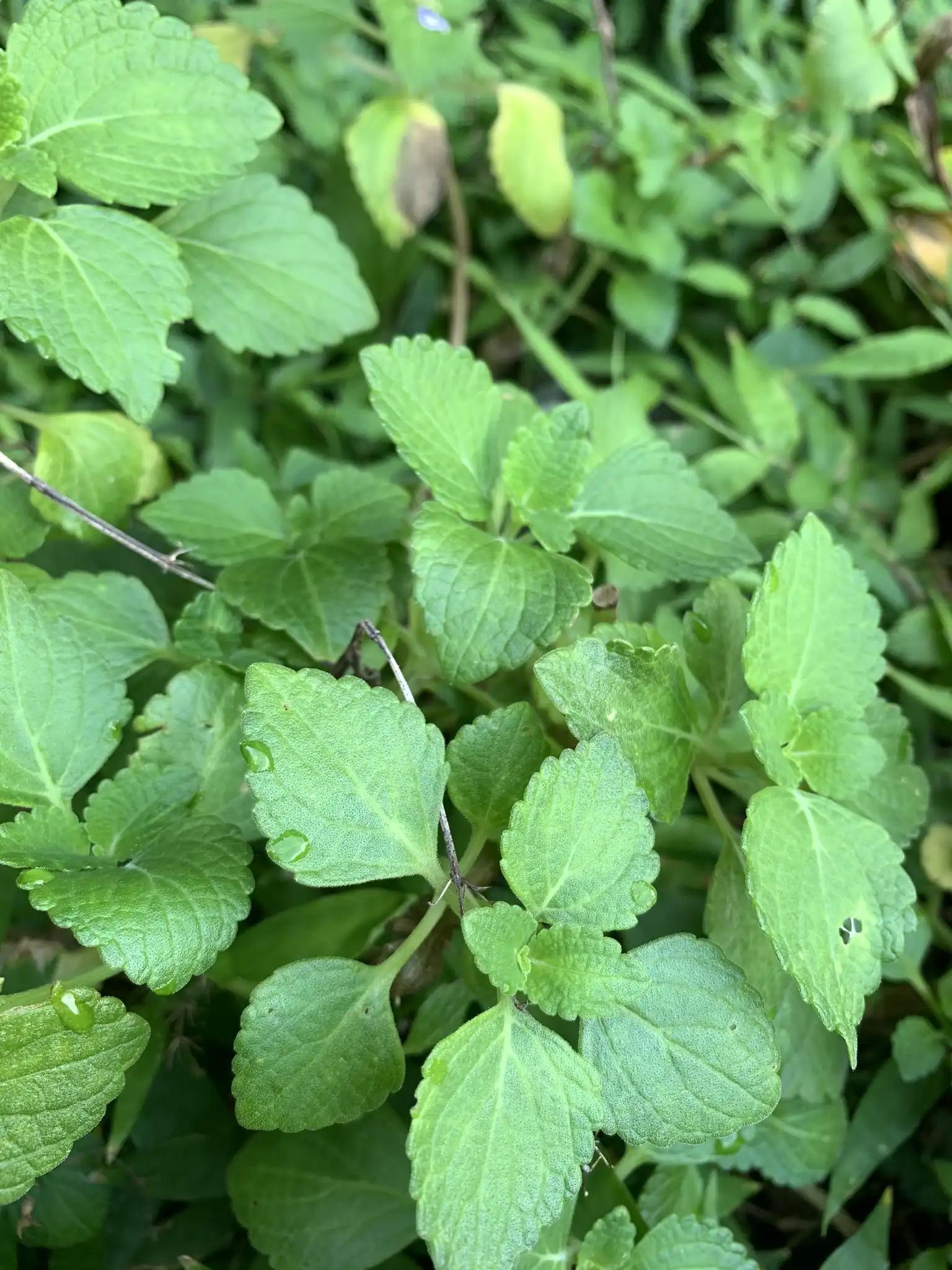
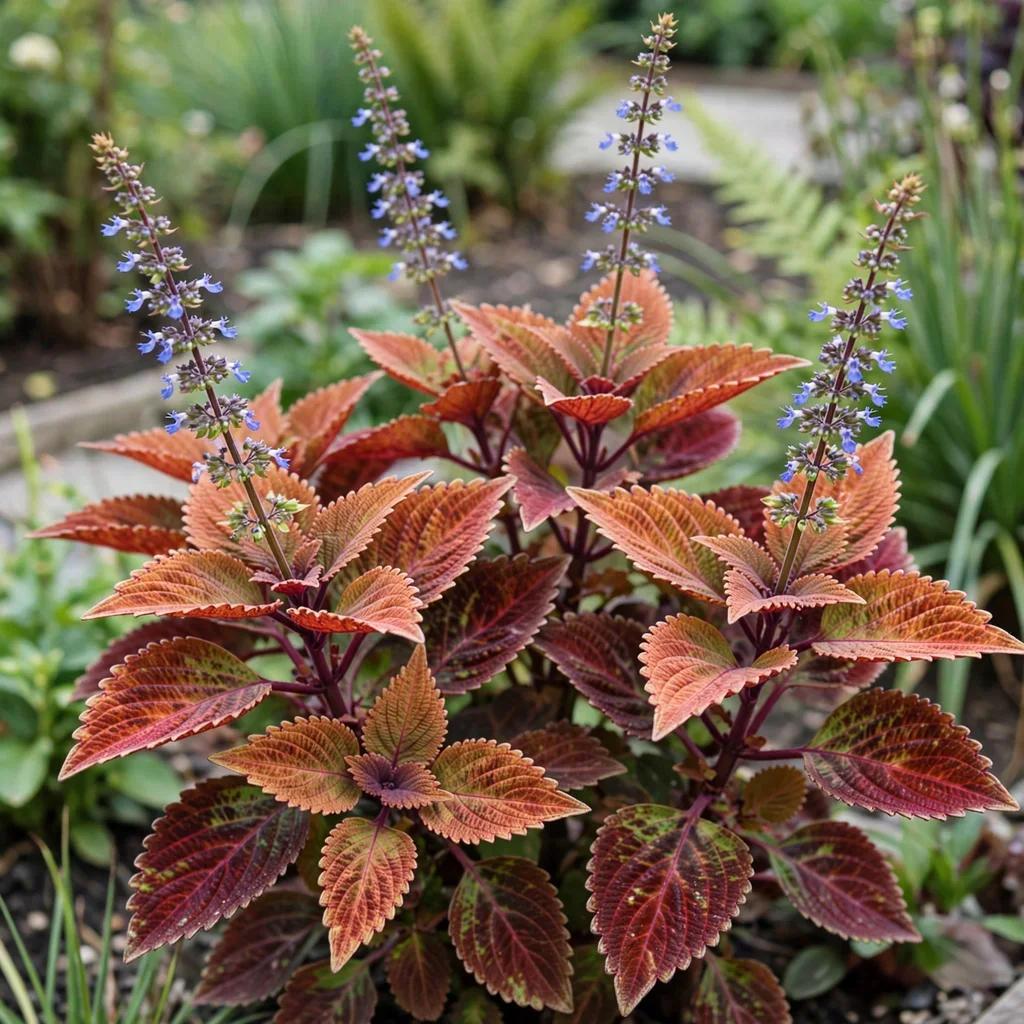
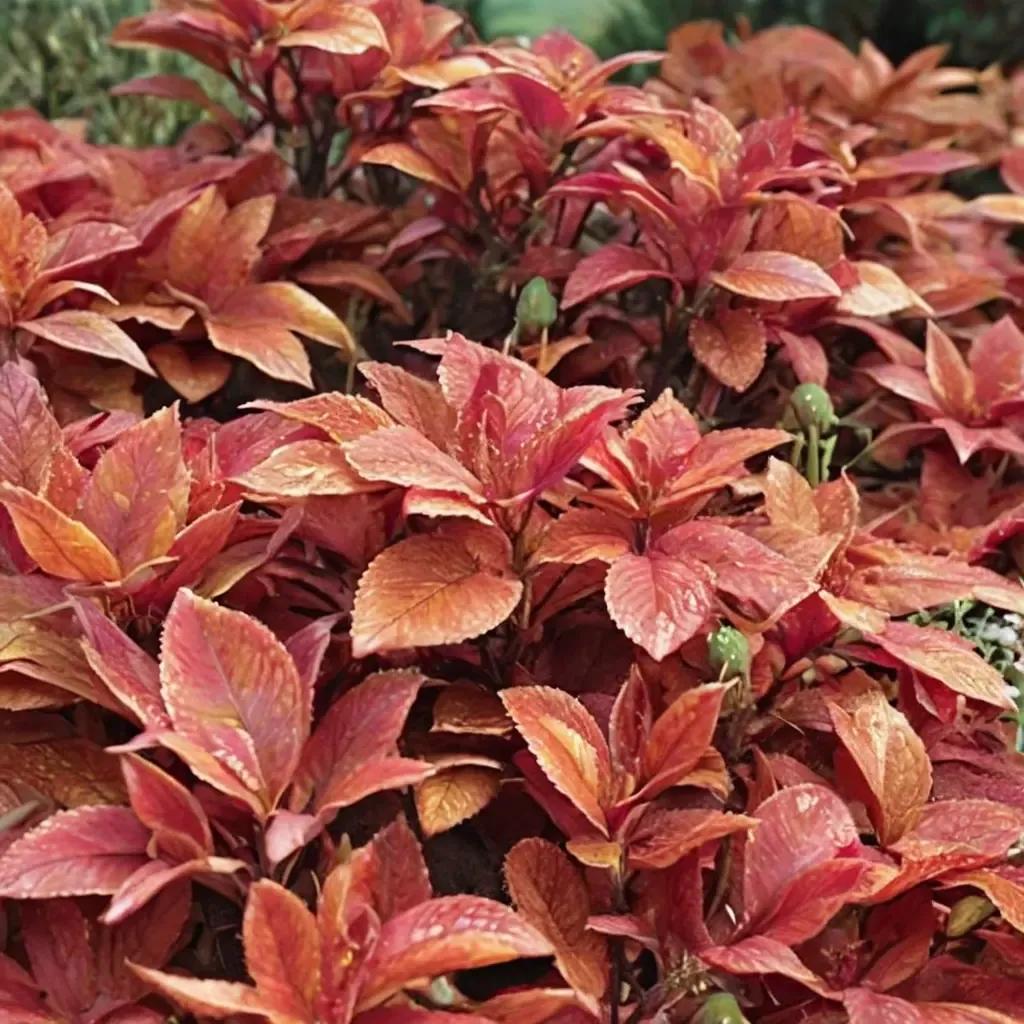
A tender perennial, typically grown as an annual, prized for its highly ornamental foliage that comes in a vast array of colors, patterns, and shapes.
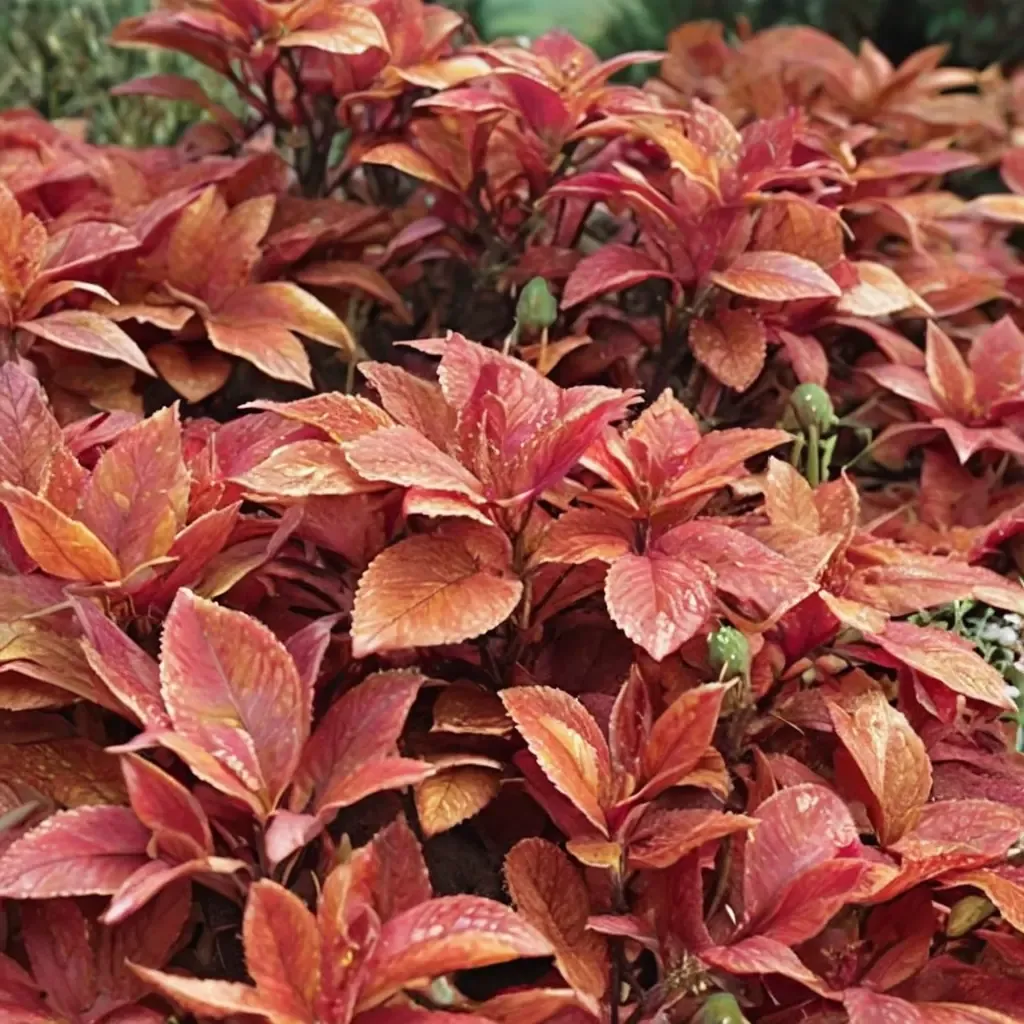
This cultivar features deeply lobed leaves with a vibrant mix of colors including magenta, burgundy, and chartreuse green, creating a festive look.
Uses & Benefits:
Essentials
At a Glance
Plant Type
Perennial
Height
12"
Width
12"
Light
Partial Sun, Shade
Zones
10
Water
Moderate
Humidity
Average to high
Lifespan
Perennial in warm zones
Native To
Southeast Asia, Australia
Toxicity
Toxic to dogs, cats, and horses
Bloom period
Late summer – Early fall
In flower about 2 months of the year
Planting
How to Grow
- Tuck seeds or cuttings into moist soil in spring for best germination.
- Mist cuttings regularly to maintain humidity and encourage root growth.
- Transplant seedlings when they are 2-3 inches tall into full sun or partial shade.
- Fertilize every 4-6 weeks with a balanced liquid fertilizer during the growing season.
- Water consistently to keep soil evenly moist but not waterlogged.
- Pinch back stems to promote bushier growth and more flowers.
Pro Tip
Use well-draining soil and avoid overwatering to prevent root rot.
Keep It Thriving
Care Guide
Do
- Provide bright, indirect sunlight for vibrant foliage 🌱
- Water regularly, keeping soil moist but not soggy ❌
- Pinch back to encourage dense, bushy growth
- Fertilize monthly during active growing season
- Mulch to retain soil moisture and suppress weeds
Don't
- Avoid overwatering which can cause root rot ❌
- Don't expose to harsh, direct midday sun in hot climates
- Refrain from neglecting pruning to prevent legginess
- Avoid planting in poorly draining soil
- Don't forget to protect from frost in cooler zones
Seasonal Care Calendar
| Task | Jan | Feb | Mar | Apr | May | Jun | Jul | Aug | Sep | Oct | Nov | Dec |
|---|---|---|---|---|---|---|---|---|---|---|---|---|
| Fertilize | ||||||||||||
| Pinch | ||||||||||||
| Plant | ||||||||||||
| Propagate |
Watch Out For
Pests & Diseases
Common Pests
Common Diseases
In the Garden
Landscape Uses & Companions
Landscape Uses
Companion Plants
Multiply
Propagation Methods
Good to Know
Common Questions
Coleus 'Festive Dance' questions
What zones can Coleus 'Festive Dance' grow in?
Coleus 'Festive Dance' is hardy in USDA Zone 10. Inside that range it survives winter in the ground; outside it, grow it as an annual or a container plant you protect.
Is Coleus 'Festive Dance' deer resistant?
Yes — Coleus 'Festive Dance' is rated deer-resistant. Deer typically pass it over, though extreme hunger can override any plant's defenses.
When does Coleus 'Festive Dance' bloom?
Coleus 'Festive Dance' typically blooms in late summer through early fall. Exact timing shifts a week or two with your zone — Sow's bloom calendar maps it to your garden.
Does Coleus 'Festive Dance' need full sun?
Coleus 'Festive Dance' does best in part shade.
More Plectranthus to compare
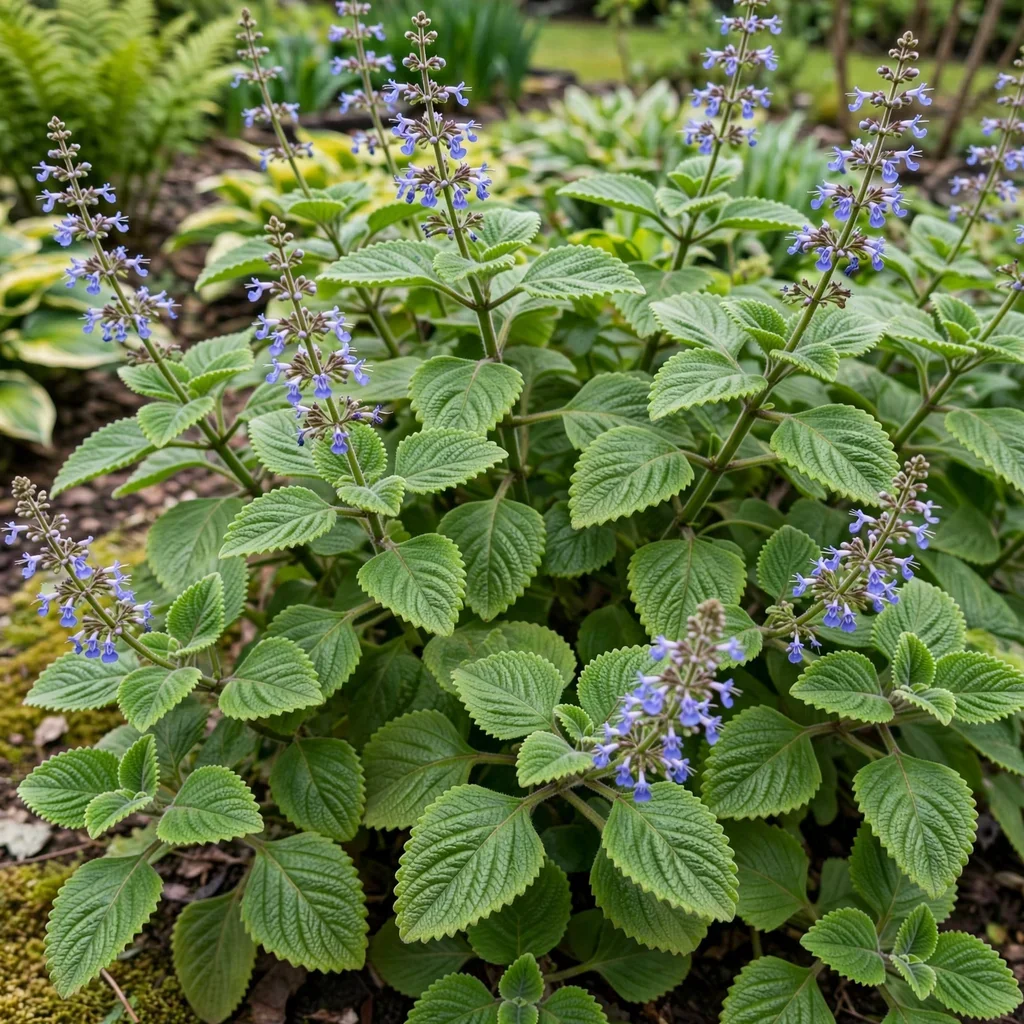
Swedish Ivy
Plectranthus ecklonii
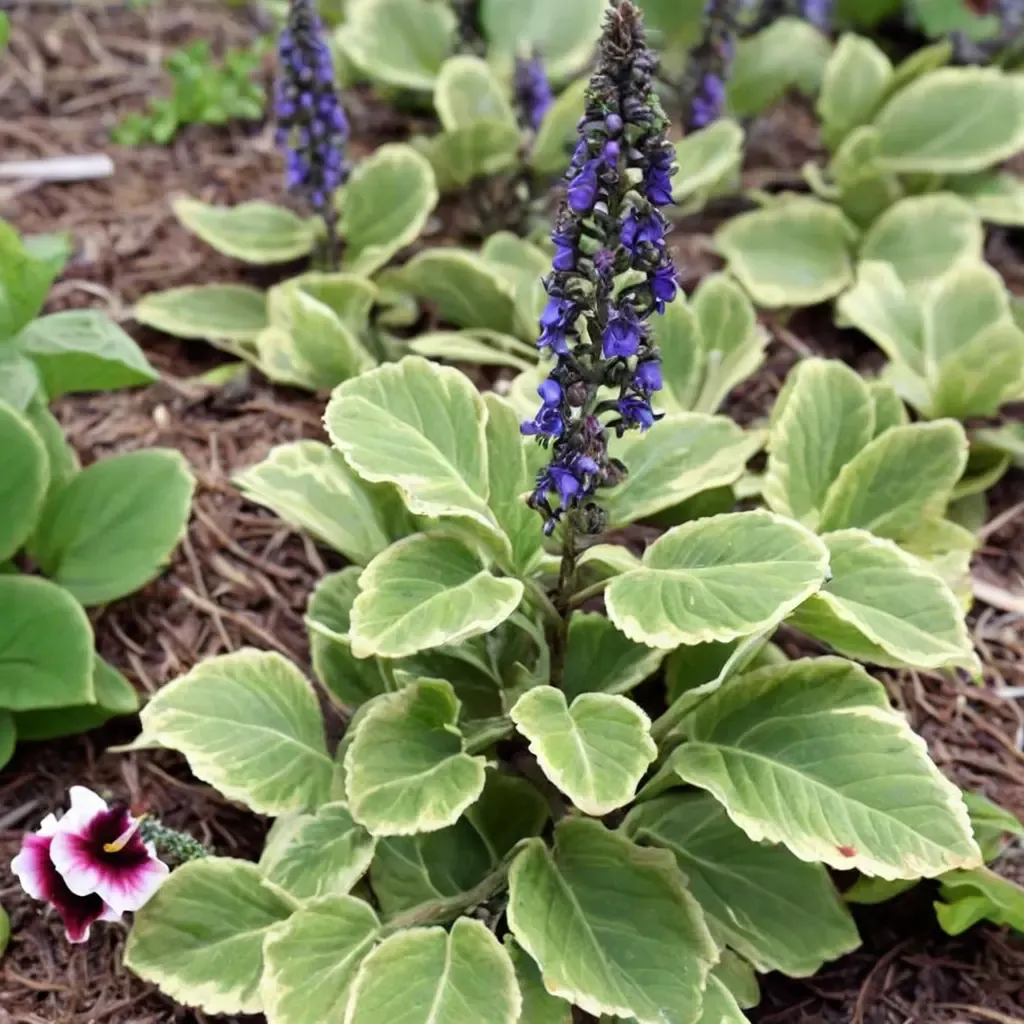
Danish Oil Plant
Plectranthus barbatus 'grandis'
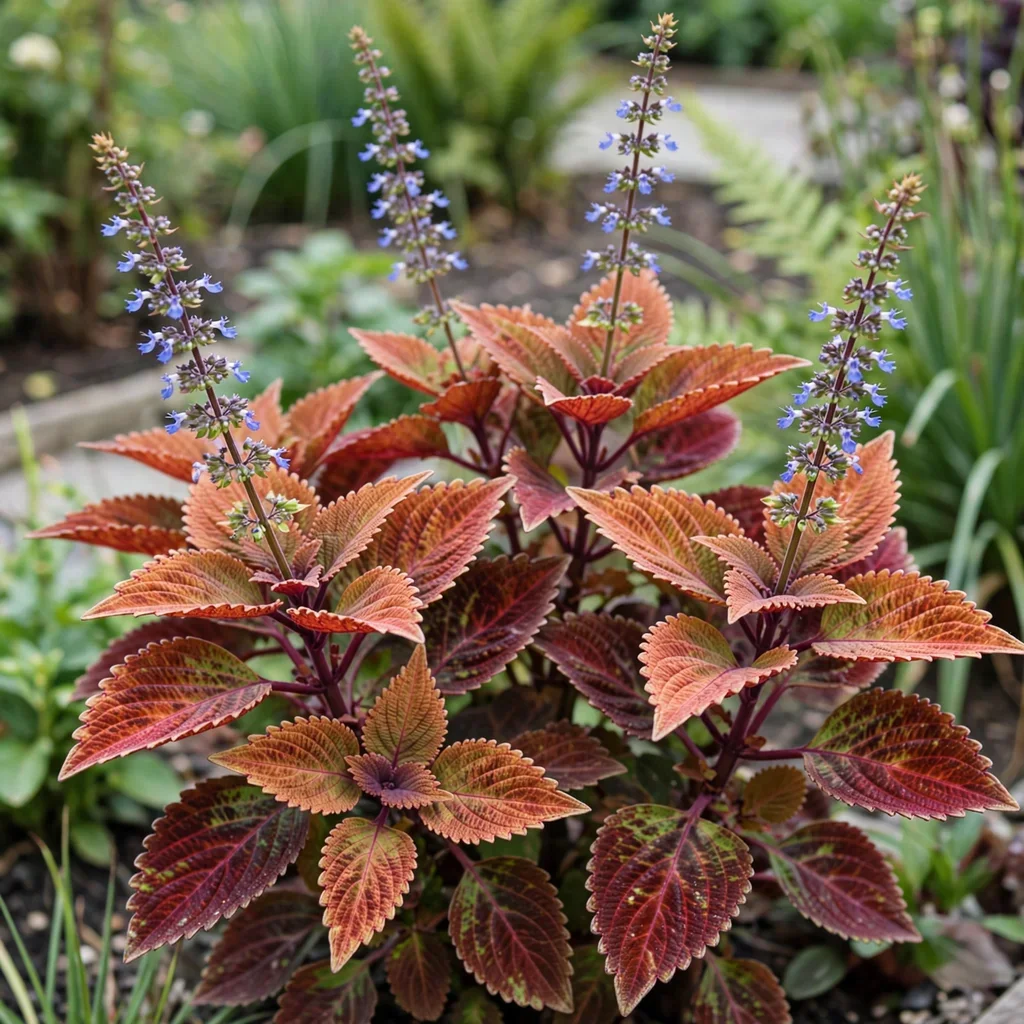
Coleus Indian Summer
Plectranthus scutellarioides 'Indian Summer'
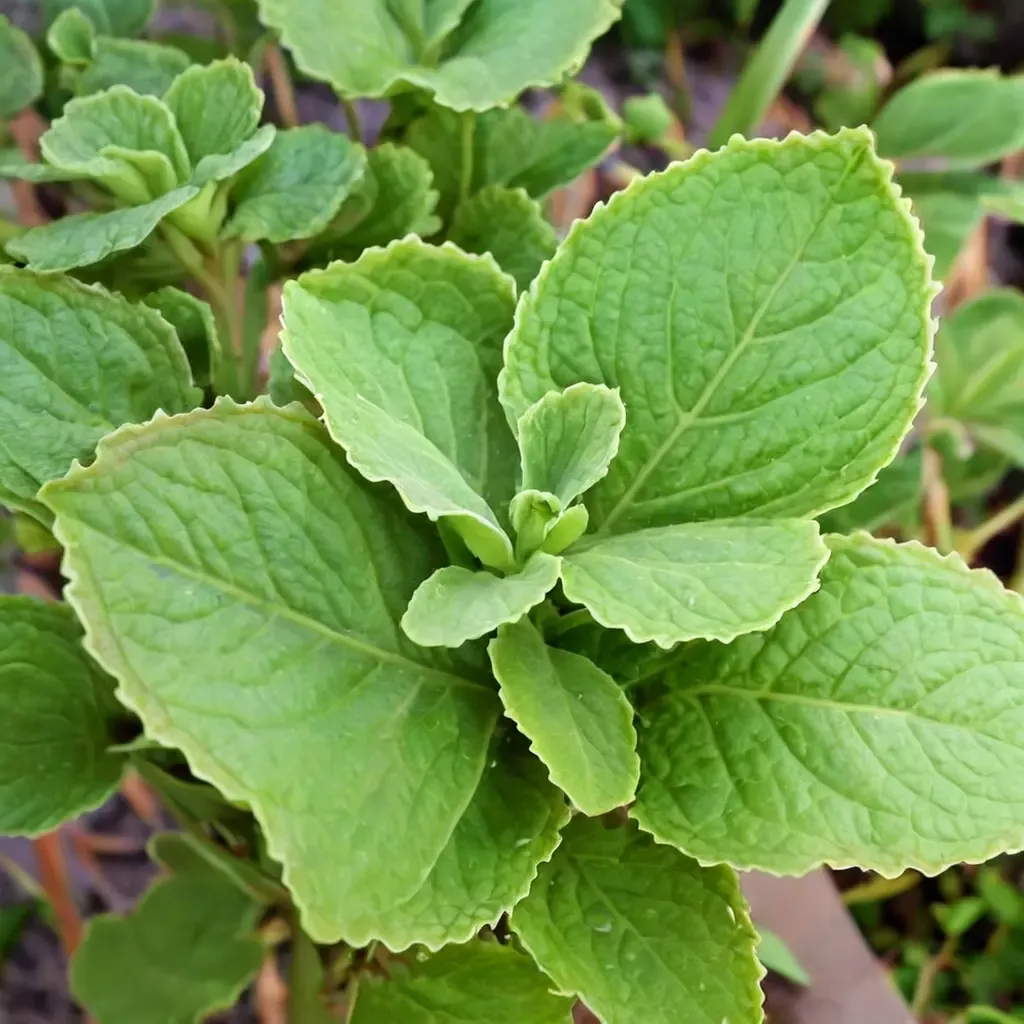
Cuban Oregano Mexican Mint
Plectranthus amboinicus
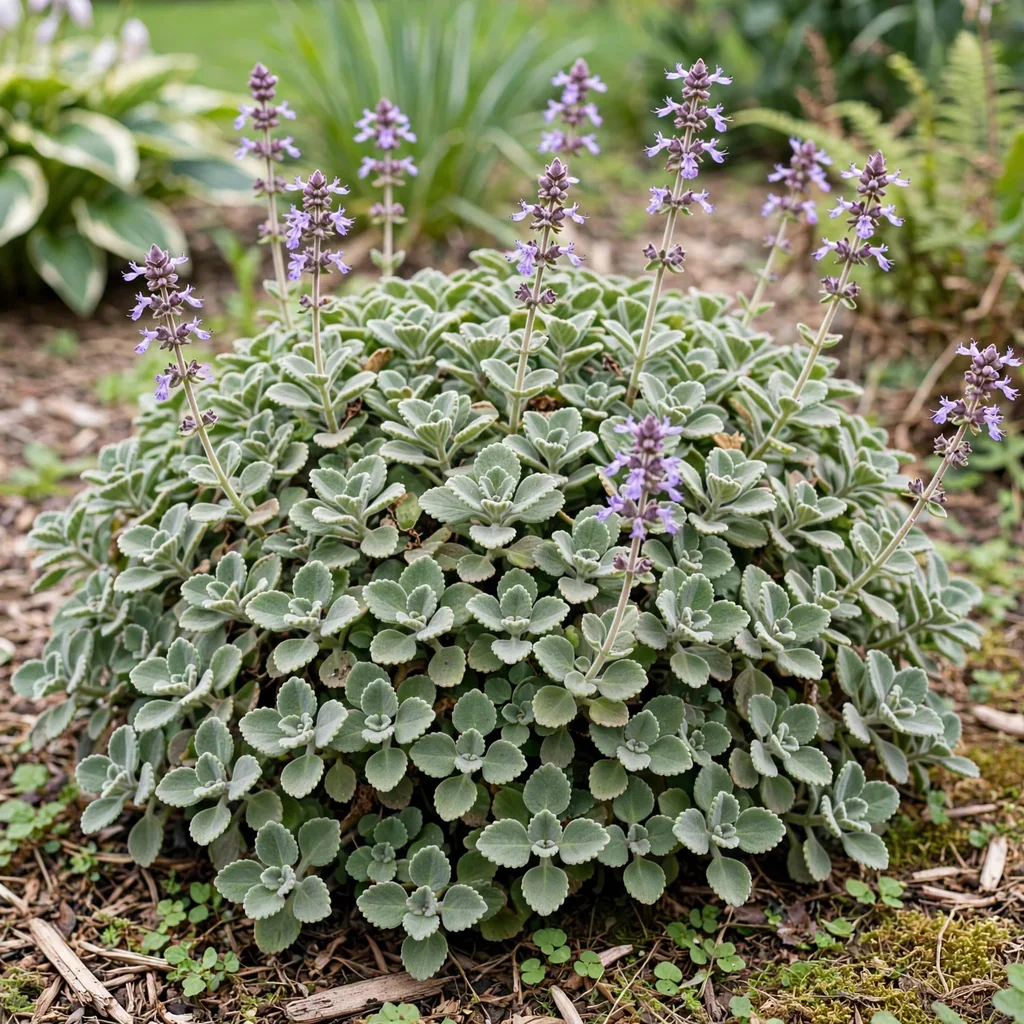
Lobster Flower
Plectranthus neochilus
Coleus Wizard Sunset
Plectranthus scutellarioides 'Wizard Sunset'
Keep exploring
Explore the genus
Hardy in your zone?
Grow Coleus 'Festive Dance' with confidence
See it in a design of your actual yard, get zone-matched care reminders, and track it season by season in your garden journal.