The Story
Plant Bio
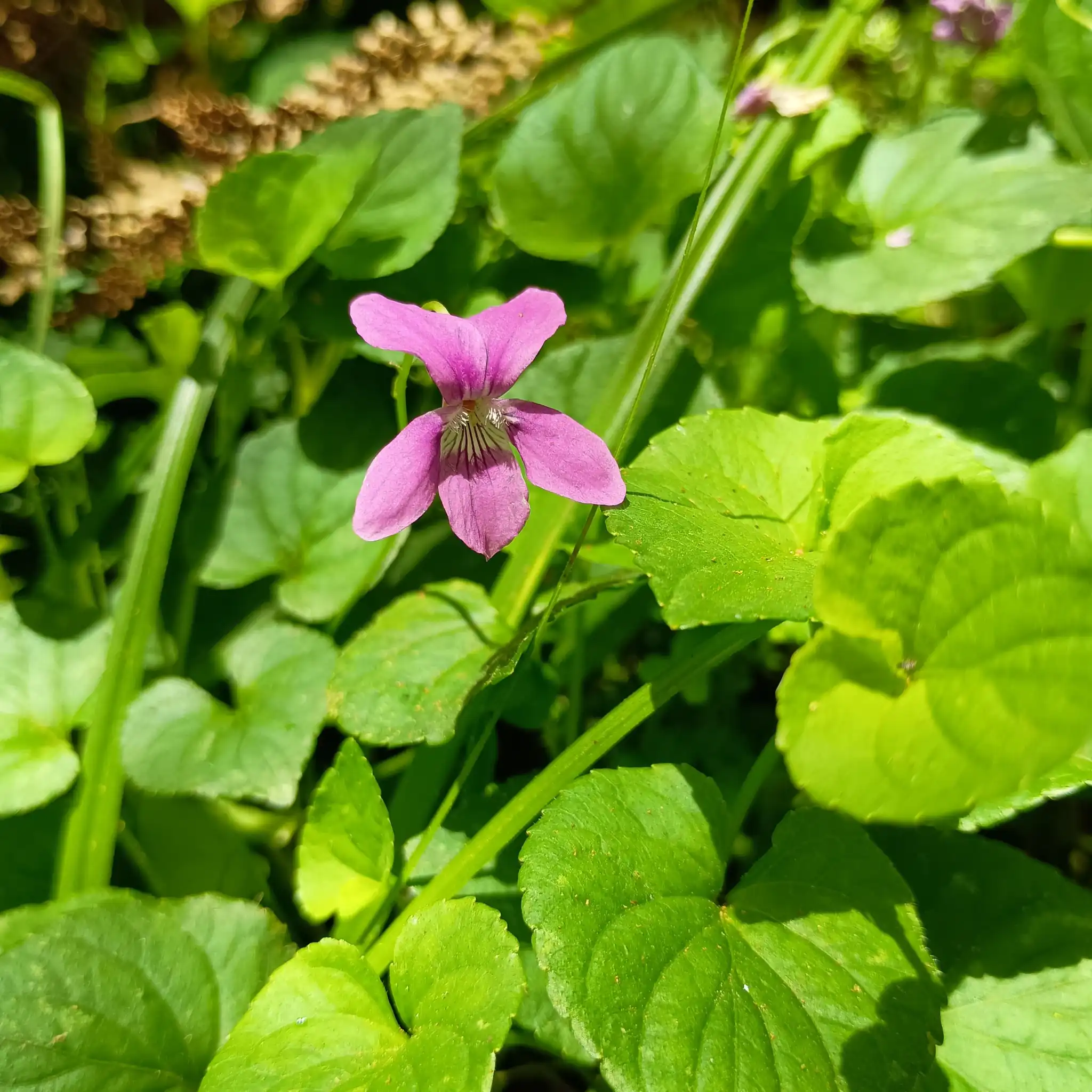
Viola riviniana, the common dog-violet, is a low-growing, clump-forming herbaceous perennial native to European woodlands, reaching two to eight inches in height. The plant spreads via short creeping rhizomes to form basal rosettes of bright green, heart-shaped leaves with rounded teeth.
The solitary, nodding flowers feature five violet to blue-purple petals with a pale, white-throated center and a short, upwardly-curved spur. Unopened, self-pollinating flowers are produced later in the season beneath the foliage canopy.
Uses & Benefits:
Essentials
At a Glance
Plant Type
Perennial
Height
8"
Width
20"
Light
Partial Sun, Shade
Zones
4, 5, 6, 7, 8
Water
Moderate
Humidity
Moderate to high
Lifespan
Perennial
Native To
Europe, western Asia, northwest Africa
Toxicity
Generally non-toxic
Bloom period
Spring – Early summer
In flower about 4 months of the year
Planting
How to Grow
- Plant in a partially shaded to fully shaded location with fertile, humus-rich, moist soil.
- Water regularly during dry spells to maintain moderate soil moisture without waterlogging.
- Apply a light layer of organic mulch around the base to retain moisture and keep roots cool.
- Divide established clumps in spring or fall to propagate or control spread.
Pro Tip
Avoid over-fertilizing this violet, as excess nutrients stimulate lush foliage growth at the expense of flower production.
Keep It Thriving
Care Guide
Do
- Deadhead spent flowers if you want to prevent self-seeding in the garden.
- Provide supplemental water during extended dry summer periods.
- Grow in well-drained soil to prevent root rot.
Don't
- Never prune hard into old, leafless wood.
- Do not plant in extremely acidic or heavily waterlogged soils.
- Avoid heavy applications of nitrogen-rich fertilizer.
Seasonal Care Calendar
| Task | Jan | Feb | Mar | Apr | May | Jun | Jul | Aug | Sep | Oct | Nov | Dec |
|---|---|---|---|---|---|---|---|---|---|---|---|---|
| Deadhead | ||||||||||||
| Divide | ||||||||||||
| Fertilize | ||||||||||||
| Pest Check | ||||||||||||
| Spring Cleanup |
Watch Out For
Pests & Diseases
Common Pests
Common Diseases
In the Garden
Landscape Uses & Companions
Landscape Uses
Companion Plants
Multiply
Propagation Methods
Good to Know
Common Questions
Common Dog-Violet questions
What zones can Common Dog-Violet grow in?
Common Dog-Violet is hardy in USDA Zones 4–8. Inside that range it survives winter in the ground; outside it, grow it as an annual or a container plant you protect.
Is Common Dog-Violet deer resistant?
Not reliably. Deer may browse Common Dog-Violet, especially tender spring growth — plan on repellents or fencing where pressure is high.
When does Common Dog-Violet bloom?
Common Dog-Violet typically blooms in spring through early summer. Exact timing shifts a week or two with your zone — Sow's bloom calendar maps it to your garden.
Does Common Dog-Violet need full sun?
Common Dog-Violet does best in part shade.
More Viola to compare
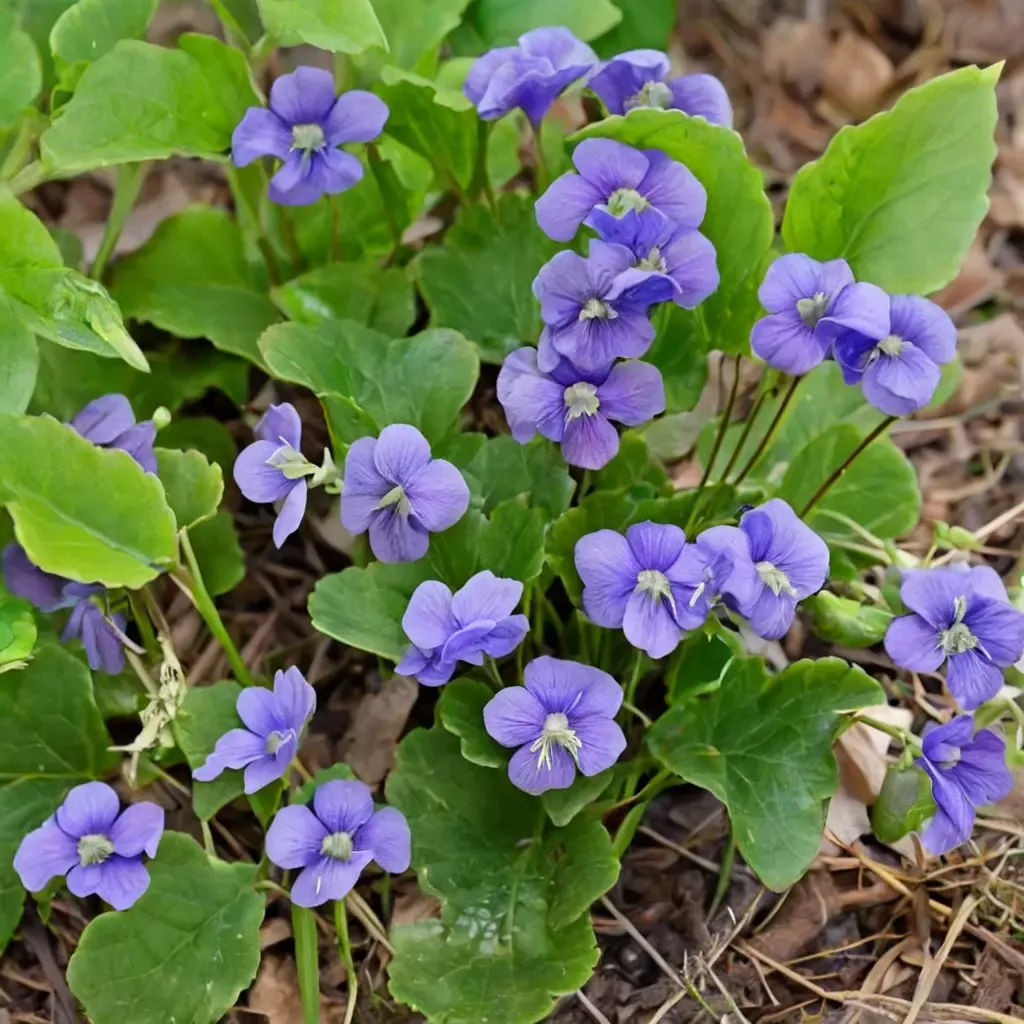
Common Blue Violet
Viola sororia
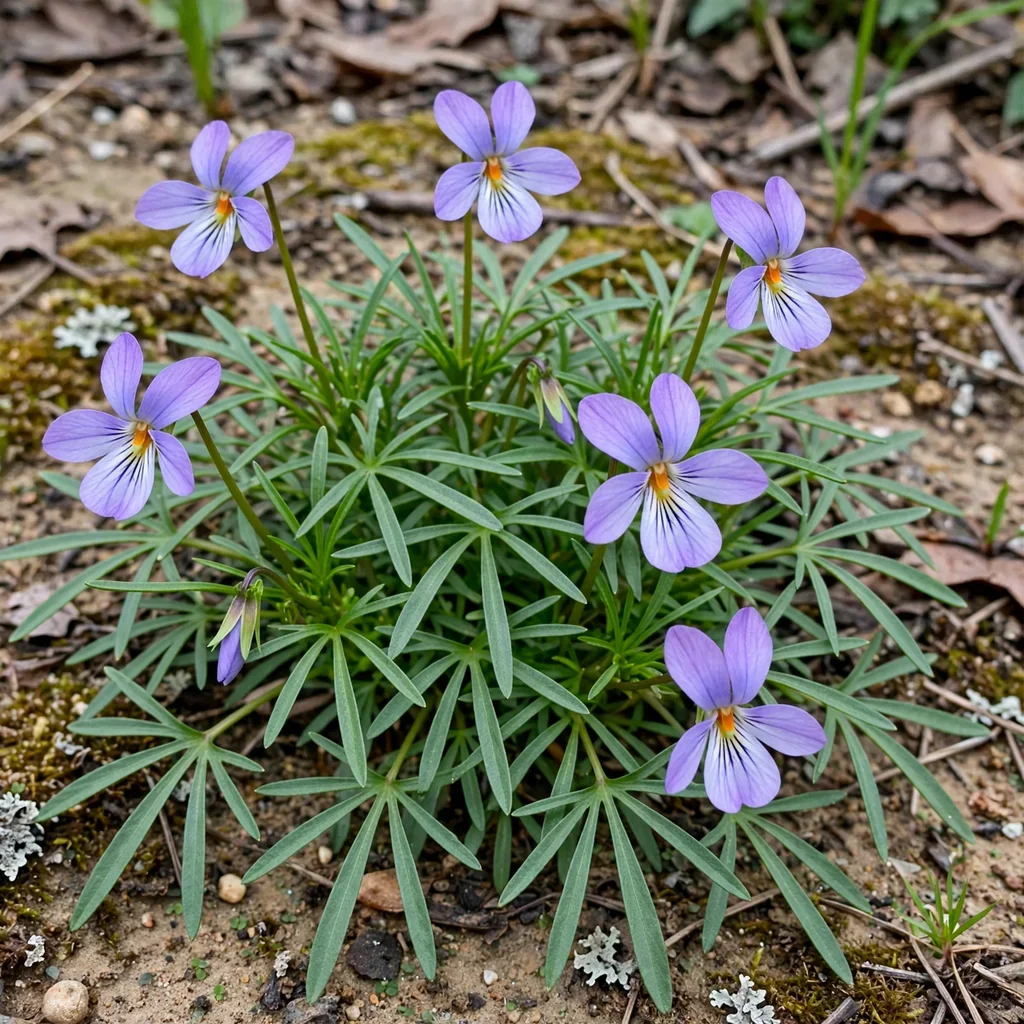
Bird's Foot Violet
Viola pedata
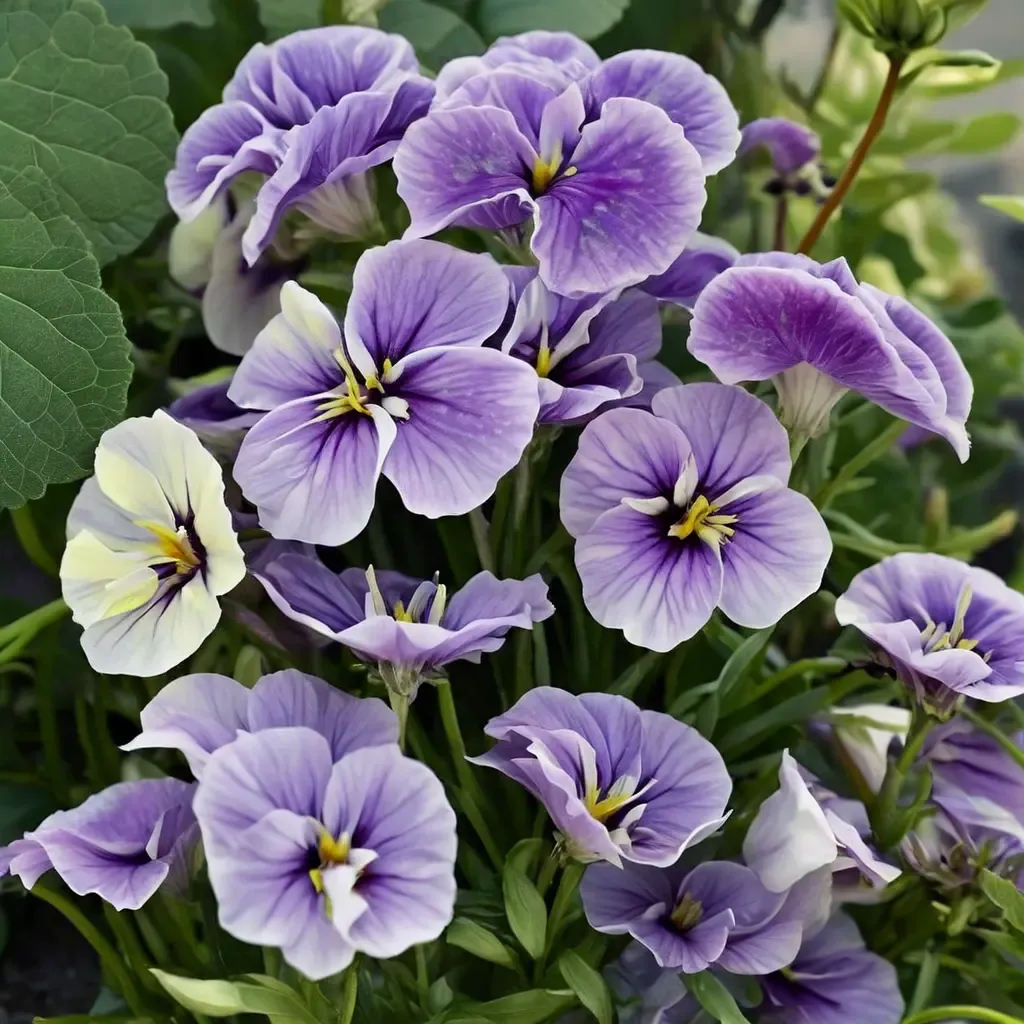
Painted Porcelain Pansy
Viola x wittrockiana 'Painted Porcelain'
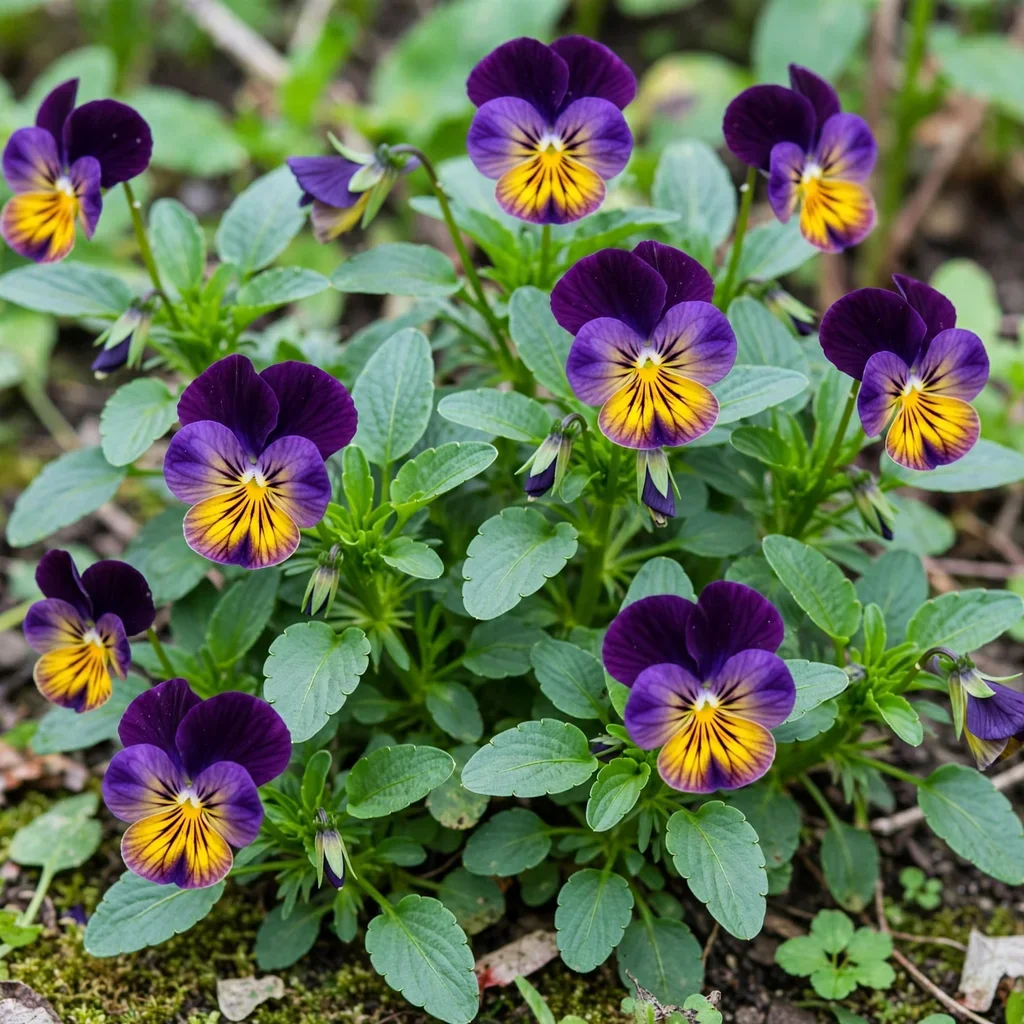
Northern Lights Horned Violet
Viola cornuta 'Northern Lights'
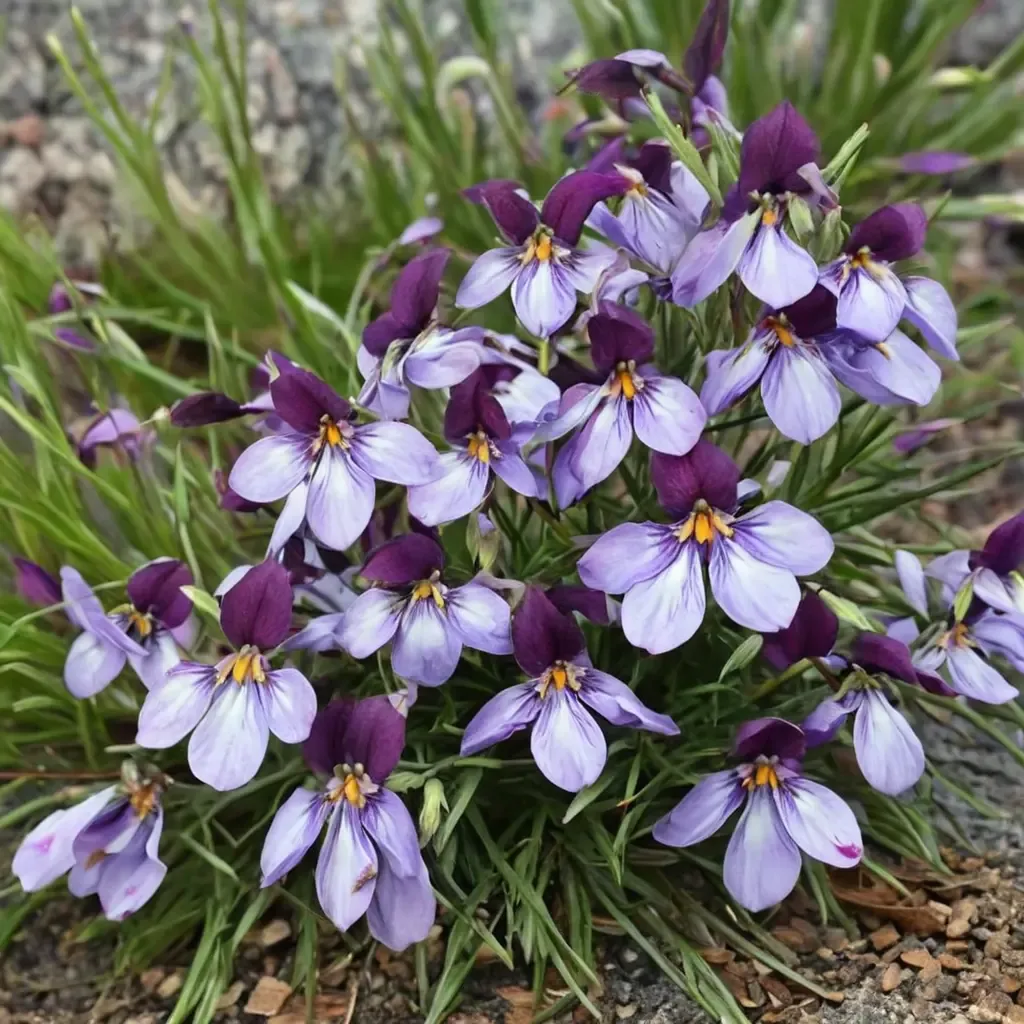
Birdfoot Violet
Viola pedata 'Eco Artist Palette'
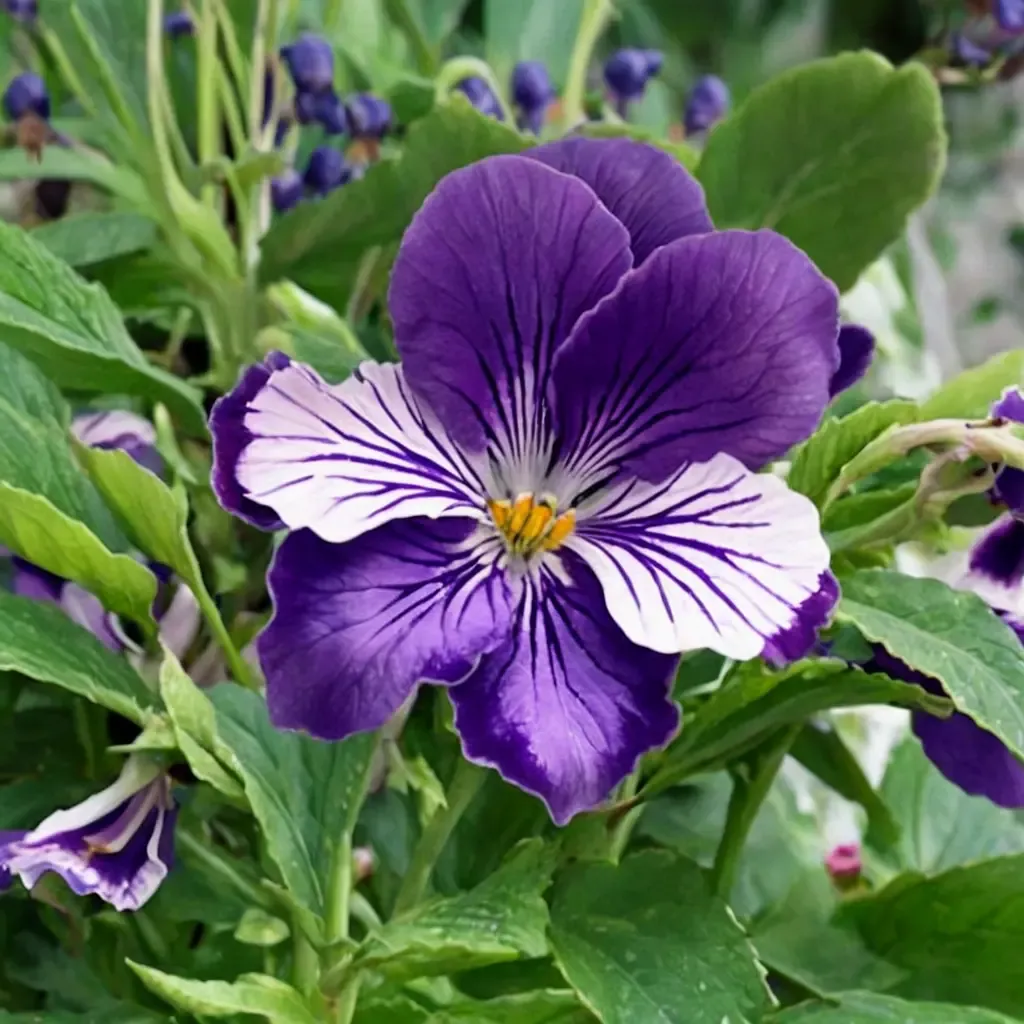
Whopping Purple Whiskers Pansy
Viola tricolor 'Whopping Purple Whiskers'
Keep exploring
Explore the genus
Hardy in your zone?
Grow Common Dog-Violet with confidence
See it in a design of your actual yard, get zone-matched care reminders, and track it season by season in your garden journal.