The Story
Plant Bio
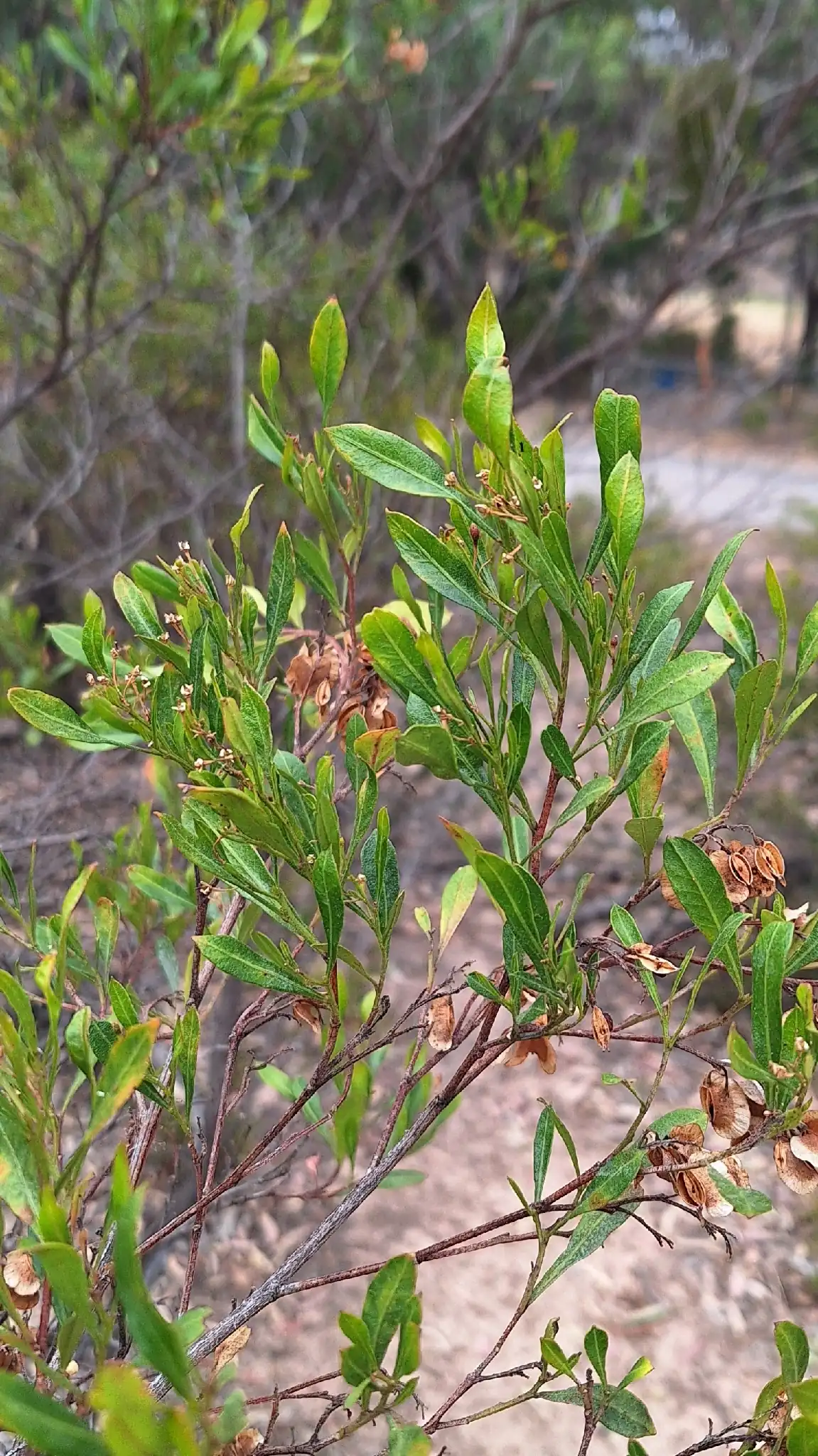
Dodonaea viscosa, the hopseed bush, is an upright, multi-stemmed evergreen shrub native to dry, rocky, and coastal areas across the southern United States and pantropical regions. It features narrow, lanceolate leaves coated in a sticky resin, and produces inconspicuous flowers followed by highly ornamental, papery, winged seed capsules that shift from pale green to shades of pink and red.
This species is exceptionally wind-firm and salt-tolerant, making it an excellent choice for exposed coastal gardens and stabilizing sandy soils. The dense, branching structure provides critical nesting cover and shelter for small birds in arid landscapes.
Uses & Benefits:
Essentials
At a Glance
Plant Type
Shrub
Height
150"
Width
100"
Light
Full Sun, Partial Sun
Zones
8, 9, 10
Water
Low
Humidity
Low to High
Lifespan
Moderate
Native To
Pantropical
Toxicity
Non-toxic
Bloom period
Late winter – Spring
In flower about 4 months of the year
Planting
How to Grow
- Select a planting site in full sun to very light partial shade with exceptionally well-drained soil.
- Dig a hole twice as wide as the root ball but no deeper, ensuring the crown sits slightly above the surrounding soil level.
- Water deeply immediately after planting to settle the soil, then withhold supplemental water once the root system establishes.
- Apply a thin layer of organic mulch around the base, keeping it several inches away from the main stems to prevent rot.
Pro Tip
Avoid planting this shrub in heavily irrigated beds or alongside high-water lawn areas; excessive soil moisture and poor drainage rapidly trigger fatal Phytophthora root rot.
Keep It Thriving
Care Guide
Do
- Plant in sandy, loamy, or rocky soils that drain rapidly.
- Prune lightly after the seed capsules mature to maintain a dense, bushy habit.
- Allow the soil to dry out completely between waterings once established.
Don't
- Do not apply heavy fertilizers or high-nitrogen soil amendments.
- Do not plant in low-lying areas prone to standing water or seasonal flooding.
- Do not prune deeply into old, bare wood lacking active buds.
Seasonal Care Calendar
| Task | Jan | Feb | Mar | Apr | May | Jun | Jul | Aug | Sep | Oct | Nov | Dec |
|---|---|---|---|---|---|---|---|---|---|---|---|---|
| Pest Check | ||||||||||||
| Plant | ||||||||||||
| Propagate | ||||||||||||
| Prune |
Watch Out For
Pests & Diseases
Common Pests
Common Diseases
In the Garden
Landscape Uses & Companions
Landscape Uses
Companion Plants
Multiply
Propagation Methods
Good to Know
Common Questions
Hopseed Bush questions
What zones can Hopseed Bush grow in?
Hopseed Bush is hardy in USDA Zones 8–10. Inside that range it survives winter in the ground; outside it, grow it as an annual or a container plant you protect.
Is Hopseed Bush deer resistant?
Not reliably. Deer may browse Hopseed Bush, especially tender spring growth — plan on repellents or fencing where pressure is high.
When does Hopseed Bush bloom?
Hopseed Bush typically blooms in late winter through spring. Exact timing shifts a week or two with your zone — Sow's bloom calendar maps it to your garden.
Does Hopseed Bush need full sun?
Hopseed Bush does best in full sun to part shade. In hot climates, afternoon shade keeps blooms fresher longer.
Is Hopseed Bush drought tolerant?
Yes — once established (usually after the first full season), Hopseed Bush handles dry spells with minimal watering. Water deeply its first year to build the root system that makes that possible.
Keep exploring
Explore the genus
Hardy in your zone?
Grow Hopseed Bush with confidence
See it in a design of your actual yard, get zone-matched care reminders, and track it season by season in your garden journal.