Also known as Hopbush · 11 saves
Dodonaea
Dodonaea, the genus most gardeners know as hopbush. We track 4 varieties; the ones most used by real gardeners.
The 4 most-saved Dodonaea varieties
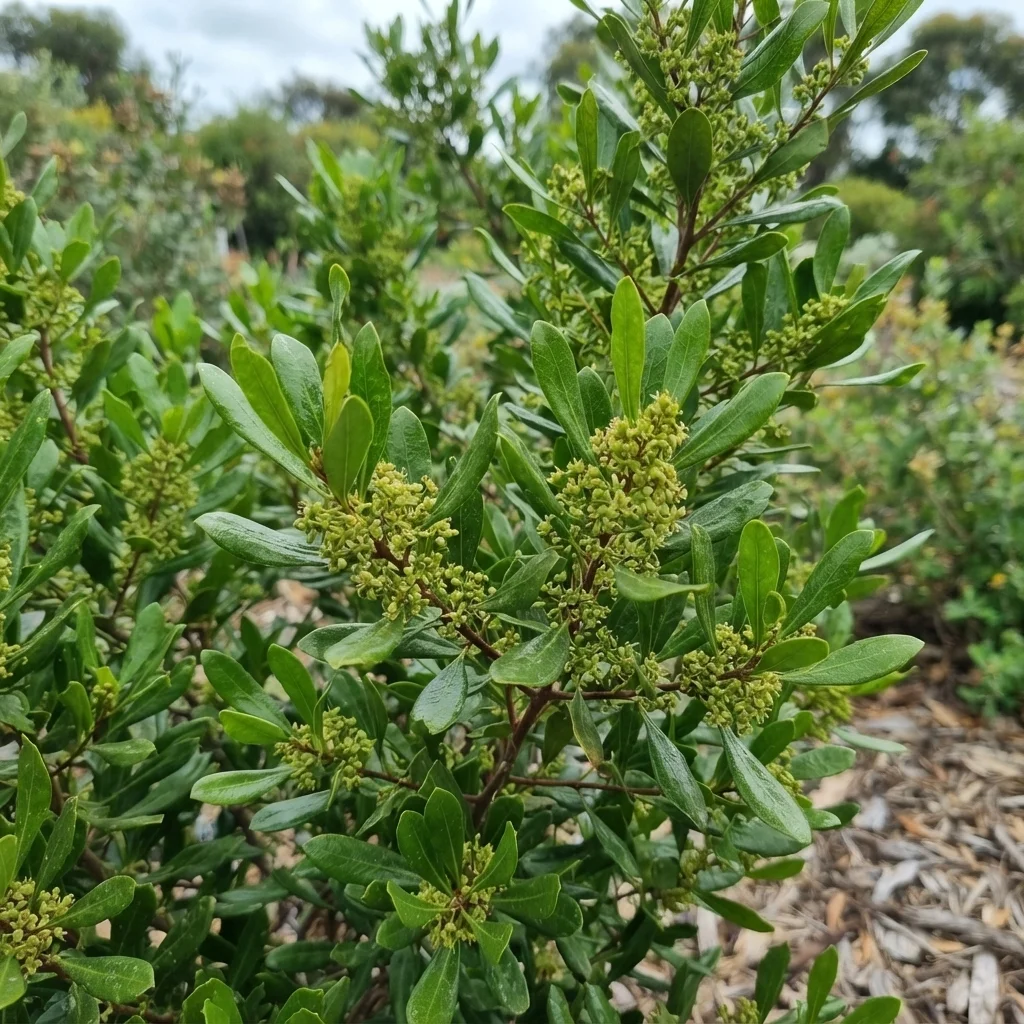
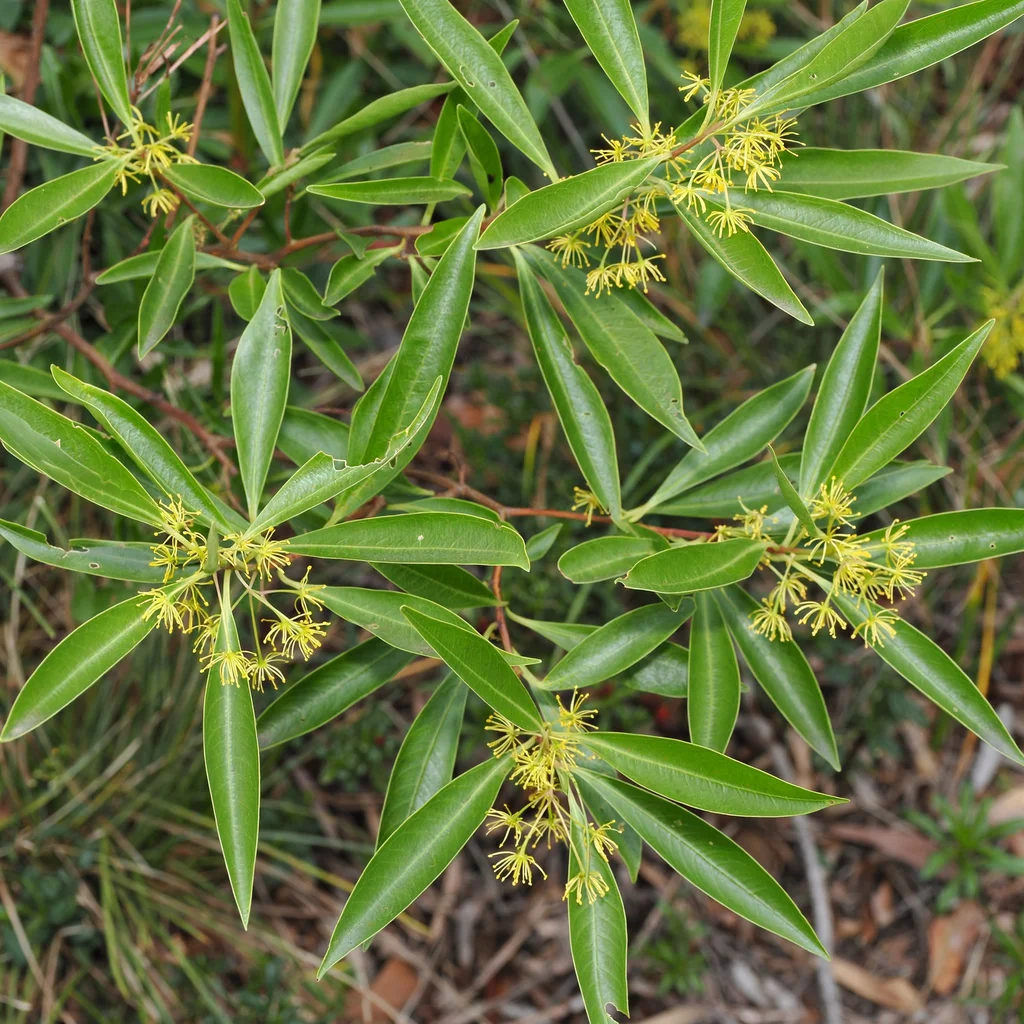
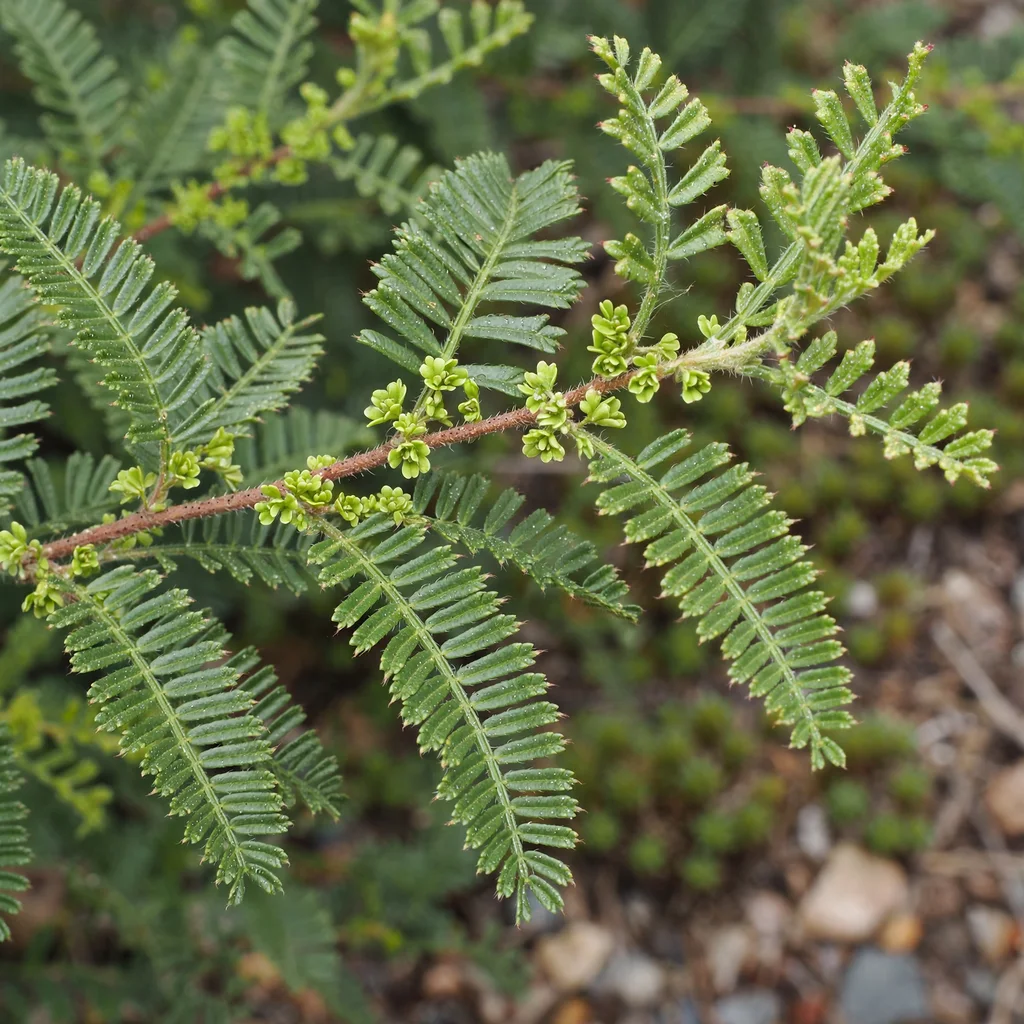
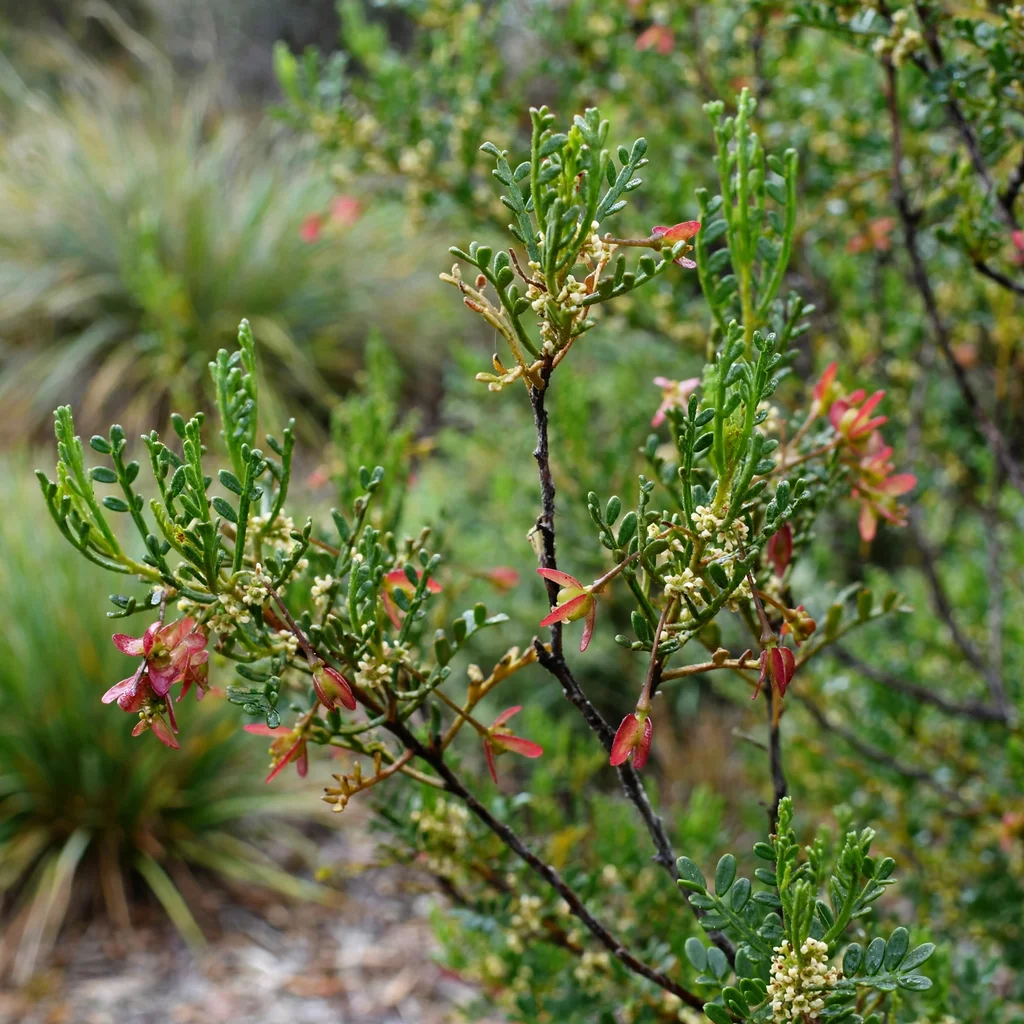
4 species of Dodonaea
Each one is a parent of the varieties above.
Track your Dodonaea in Sow
Save the Dodonaea you grow and get care reminders timed to your zone.
How to grow Dodonaea
Whats common across all Dodonaea varieties in our catalog — drawn from the care records of the 4 most-grown of them.
The Dodonaea year
- PruneMay and June100% of varieties
Tip-prune after flowering to keep shape dense; do not cut hard into bare wood.
- MulchApril75% of varieties
Apply thin gravel or coarse mulch kept clear of stems to keep roots cool.
- PlantMarch and April75% of varieties
Set out container plants after last frost in sandy loam with free drainage.
- Check for PestsJune and July75% of varieties
Inspect branch junctions and leaf undersides for scale insects and aphids.


Do
- Plant in full sun for best capsule color and dense growth.
- Provide sharp drainage on a slope or raised mound.
- Tip-prune to shape after flowering.
- Plant in sharply draining sandy or sandstone-based soils.
- Tip-prune young foliage annually after seed capsules disperse.
Avoid
- Do not plant in heavy clay or ground that stays wet in winter.
- Do not cut hard back into old bare wood.
- Do not expect winged pods from a single isolated plant.
- Do not prune hard into mature, brown, leafless wood.
What goes wrong with Dodonaea
| Problem | What you'll see | What to do |
|---|---|---|
| Scale insects | Small bumps on stems and sticky honeydew with black sooty mold | Dislodge light infestations with a strong spray of water and prune out crowded tips; rarely serious and best left to lady beetles and lacewings |
| Spider mites | Fine stippling on leaf surfaces and light webbing under hot, dry conditions. | Increase ambient humidity around the plant and apply insecticidal soap if persistent. |
| Aphids | Distorted new foliage and sticky honeydew deposits on young shoots. | Rinse off with a direct stream of water or treat with insecticidal soap. |
| Scale | Small bumps on stems and sticky honeydew on leaves | Prune out heavy shoots and dab or spray with horticultural oil |
| Root rot | Wilting and yellowing in moist soil with dark soft roots | Prevent by planting high in fast-draining soil and avoiding overwatering; discard collapsed plants |
| Sooty mold | Black coating on leaf surfaces growing on insect secretions. | Control underlying scale or aphid populations and rinse leaves clean. |
| Phytophthora root rot | Sudden wilting, yellowing foliage, and rapid plant collapse, accompanied by darkened, mushy roots. | Prevent entirely by planting in highly drained soil and avoiding over-watering; there is no effective chemical cure once established. |
Making more Dodonaea
Seed
- Collect mature winged capsules when reddish and dry.
- Extract seed and sow shallow in free-draining sandy mix.
- Keep moist but never soggy in bright warmth.
- Pot up seedlings once true pinnate leaves develop.
Stem cuttings
- Take firm tip cuttings in late spring to summer.
- Strip lower leaflets and insert in sandy perlite mix.
- Keep humid but ventilated in bright shade.
- Pot up once roots resist a gentle tug.
Dodonaea questions
How many types of Dodonaea are there?
The Sow catalog tracks 4 distinct Dodonaea varieties. The most popular — ranked by 11 real gardeners — are shown first above.
What zones does Dodonaea grow in?
Across its varieties, Dodonaea covers USDA Zones 8–10. Individual varieties differ — each plant page lists its exact range, and Sow filters the catalog to your zone automatically.
When does Dodonaea bloom?
Most Dodonaea varieties bloom from winter to spring.
Which Dodonaea should I choose?
Start from the most-saved varieties above — popularity across thousands of gardens is a strong signal of reliability — then filter by your zone and sun. In the Sow app you can preview any of them in a photo of your actual yard before you buy.