The Story
Plant Bio
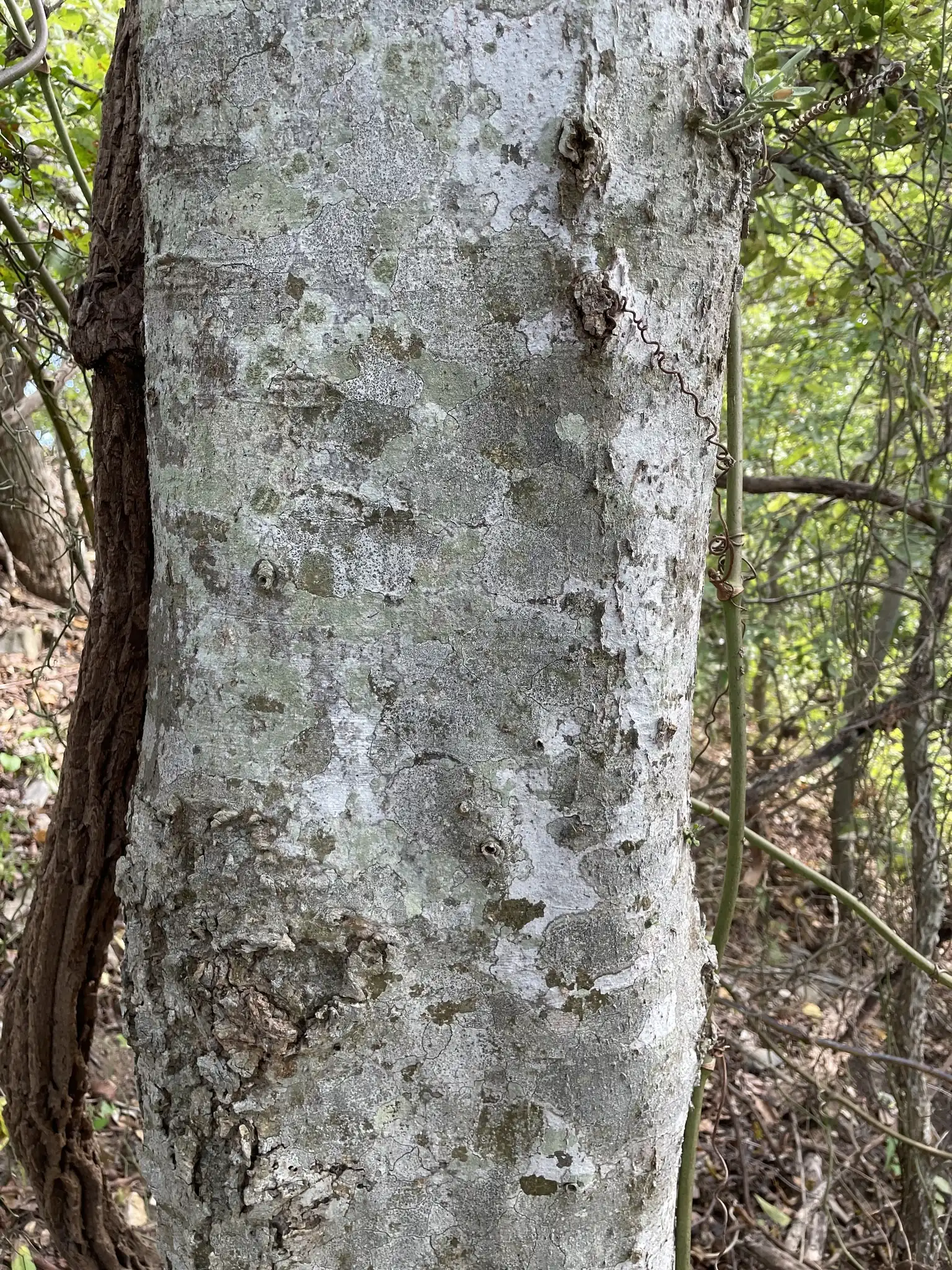
Sugar Hackberry is a large, tough, and adaptable native deciduous tree with a broad, rounded crown. It is known for its distinctive warty, gray bark and its value to wildlife.
This species is exceptionally tolerant of a wide range of adverse conditions, including drought, flooding, and various soil types. It is a critical host plant for several butterfly species, including the Hackberry Emperor.
Uses & Benefits:
Essentials
At a Glance
Plant Type
Tree
Height
840"
Width
720"
Light
Full Sun, Partial Sun
Zones
5, 6, 7, 8, 9
Water
Low to High
Humidity
Adaptable
Lifespan
100+ years
Native To
Southeastern and Central United States
Toxicity
Non-toxic
Bloom period
Mid-spring – Late spring
In flower about 2 months of the year
Marketplace
Where to Buy
Shipping costs Year-round shipping Free shipping
Planting
How to Grow
- Select a site with full sun and enough space for a large tree.
- This tree is highly adaptable to almost any soil type.
- Dig a planting hole two to three times wider than the root ball.
- Place the tree in the hole, ensuring the root flare is at soil level.
- Backfill with existing soil and water well to settle.
- Water regularly for the first year until the tree is established.
Pro Tip
Embrace its wildlife value; the harmless nipple galls and the presence of butterfly larvae are signs of a healthy ecosystem, not problems.
Keep It Thriving
Care Guide
Do
- Provide supplemental water during extreme drought, especially when young.
- Prune young trees to develop a strong central leader and scaffold branches.
- Allow space for its large mature size.
- Appreciate its rugged character and wildlife benefits.
Don't
- Do not plant too close to homes, sidewalks, or septic systems.
- Avoid unnecessary spraying for cosmetic issues like nipple gall.
- Don't be concerned about 'witches' broom' growths, which are common but rarely harmful.
- Avoid heavy fertilization, as the tree thrives in average soils.
Seasonal Care Calendar
| Task | Jan | Feb | Mar | Apr | May | Jun | Jul | Aug | Sep | Oct | Nov | Dec |
|---|---|---|---|---|---|---|---|---|---|---|---|---|
| Plant | ||||||||||||
| Prune |
Watch Out For
Pests & Diseases
Common Pests
Common Diseases
In the Garden
Landscape Uses & Companions
Landscape Uses
Multiply
Propagation Methods
Good to Know
Common Questions
Sugar Hackberry questions
What zones can Sugar Hackberry grow in?
Sugar Hackberry is hardy in USDA Zones 5–9. Inside that range it survives winter in the ground; outside it, grow it as an annual or a container plant you protect.
Is Sugar Hackberry deer resistant?
Yes — Sugar Hackberry is rated deer-resistant. Deer typically pass it over, though extreme hunger can override any plant's defenses.
When does Sugar Hackberry bloom?
Sugar Hackberry typically blooms in mid-spring through late spring. Exact timing shifts a week or two with your zone — Sow's bloom calendar maps it to your garden.
Does Sugar Hackberry need full sun?
Sugar Hackberry does best in full sun to part shade. In hot climates, afternoon shade keeps blooms fresher longer.
Is Sugar Hackberry drought tolerant?
Yes — once established (usually after the first full season), Sugar Hackberry handles dry spells with minimal watering. Water deeply its first year to build the root system that makes that possible.
More Celtis to compare
Keep exploring
Explore the genus
Hardy in your zone?
Grow Sugar Hackberry with confidence
See it in a design of your actual yard, get zone-matched care reminders, and track it season by season in your garden journal.