Also known as Hackberry · 371 saves
Celtis
Celtis, the genus most gardeners know as hackberry. We track 3 varieties; the ones most used by real gardeners.
The 3 most-saved Celtis varieties
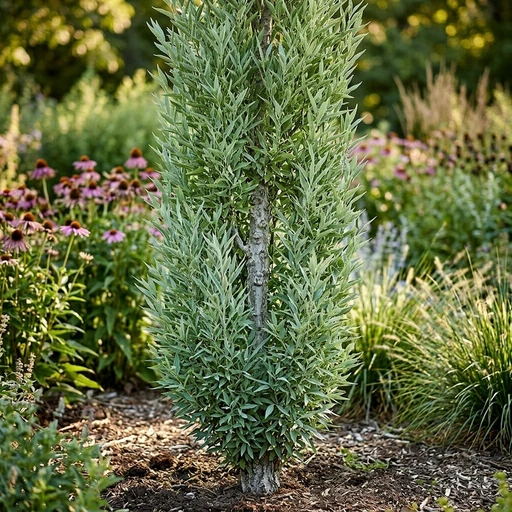
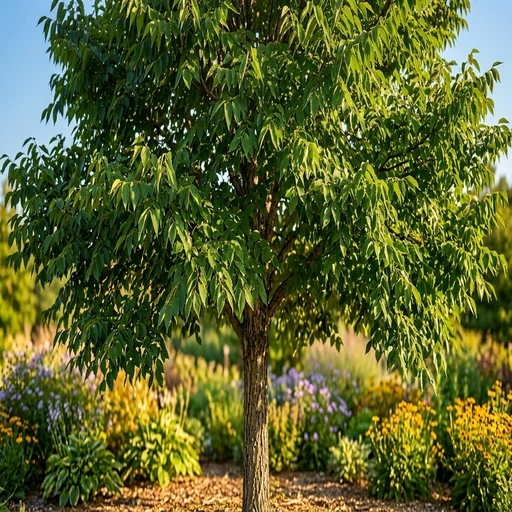
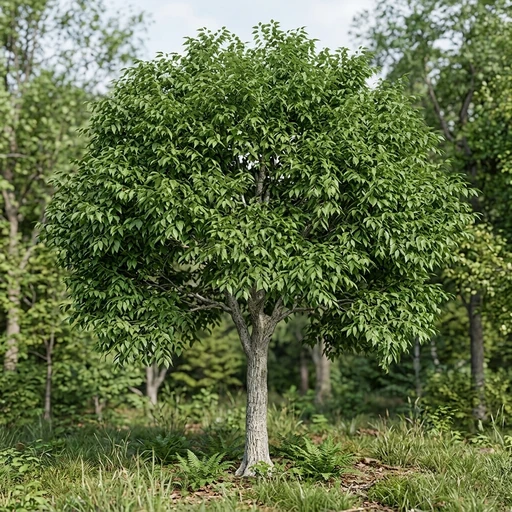
Track your Celtis in Sow
Save the Celtis you grow and get care reminders timed to your zone.
How to grow Celtis
Whats common across all Celtis varieties in our catalog — drawn from the care records of the 3 most-grown of them.
The Celtis year
- PruneFebruary and March100% of varieties
Prune in late winter to remove deadwood and establish good structure.
- PlantApril, May, November and December67% of varieties
Plant in spring or fall to allow roots to establish.


Do
- Water regularly for the first year to establish a deep root system.
- Allow the tree to develop its natural, often picturesque form.
- Appreciate its value to wildlife, including birds and butterflies.
- Provide supplemental water during extreme drought, especially when young.
- Prune young trees to develop a strong central leader and scaffold branches.
Avoid
- Do not be concerned by cosmetic issues like leaf galls.
- Avoid planting in deep shade, which can lead to a weak, spindly form.
- Don't over-fertilize; this tree thrives in average to poor soils.
- Do not plant too close to homes, sidewalks, or septic systems.
What goes wrong with Celtis
| Problem | What you'll see | What to do |
|---|---|---|
| Hackberry Nipple Gall | Small, raised bumps (galls) on the undersides of leaves, caused by psyllids. | Purely cosmetic and does not harm the tree. No control is needed or recommended. |
| Witches' Broom | Dense, broom-like clusters of twigs, caused by a fungus and a mite. | Common and characteristic of the species; does not threaten tree health. Prune out for aesthetic reasons if desired. |
| Powdery Mildew | White, powdery fungus on leaves in late summer and fall. | Generally not harmful. Improve air circulation. Fungicides are not typically necessary. |
Making more Celtis
Seed
- Collect ripe, dark purple fruits in the fall.
- Clean the pulp from the seed.
- Stratify the seeds in moist sand in a refrigerator for 60-90 days.
- Sow seeds in spring about 1/2 inch deep.
Budding
- In late summer, collect budwood from 'Prairie Sentinel'.
- Select a pencil-sized seedling rootstock of the species.
- Make a T-cut in the bark of the rootstock.
- Insert a single bud from the scion wood into the T-cut.
- Wrap with budding tape to secure it.
- The bud will unite and grow the following spring.
Celtis questions
How many types of Celtis are there?
The Sow catalog tracks 3 distinct Celtis varieties. The most popular — ranked by 371 real gardeners — are shown first above.
What zones does Celtis grow in?
Across its varieties, Celtis covers USDA Zones 4–9. Individual varieties differ — each plant page lists its exact range, and Sow filters the catalog to your zone automatically.
When does Celtis bloom?
Most Celtis varieties bloom in mid-spring. Staggering early, mid, and late varieties extends the genus's season in one bed.
Which Celtis should I choose?
Start from the most-saved varieties above — popularity across thousands of gardens is a strong signal of reliability — then filter by your zone and sun. In the Sow app you can preview any of them in a photo of your actual yard before you buy.