
The Story
Plant Bio
Celtis occidentalis, the common hackberry, is an exceptionally tough and adaptable North American native tree, known for its tolerance of extreme weather, poor soils, and urban conditions. It features distinctive warty, corky bark.
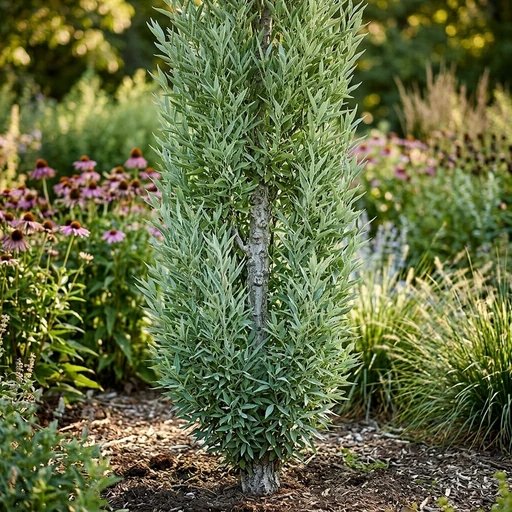
'Prairie Sentinel' is a unique cultivar selected for its very narrow, upright, columnar growth habit. This makes it an ideal choice for tight spaces, formal plantings, or as a vertical accent where a full-sized hackberry would not fit.
Uses & Benefits:
Essentials
At a Glance
Plant Type
Tree
Height
540"
Width
144"
Light
Full Sun
Zones
4, 5, 6, 7, 8, 9
Water
Low to moderate
Humidity
Adaptable
Lifespan
Long-lived deciduous tree, 100+ years
Native To
North America
Toxicity
Non-toxic
Bloom period
Mid-spring – Late spring
In flower about 2 months of the year
Planting
How to Grow
- Choose a location in full sun.
- This tree adapts to almost any soil type, from wet clay to dry sand.
- Dig a hole twice as wide as the root ball.
- Set the tree in the hole, ensuring the root flare is level with the ground.
- Backfill with native soil and water well.
- Water regularly for the first year; it is very drought tolerant thereafter.
Pro Tip
This tree's toughness is its best feature; plant it in difficult urban or prairie sites where other trees struggle to survive.
Keep It Thriving
Care Guide
Do
- Give it plenty of sun for the best growth.
- Water during establishment, then let it be.
- Appreciate its wildlife value and unique bark.
- Use it to solve problems in tight, tough-to-grow areas.
Don't
- Do not plant in a location where a wide-spreading tree is desired.
- Avoid excessive fertilization; it does not need it.
- Don't worry about minor cosmetic issues like nipple gall.
- Do not plant in deep shade.
Seasonal Care Calendar
| Task | Jan | Feb | Mar | Apr | May | Jun | Jul | Aug | Sep | Oct | Nov | Dec |
|---|---|---|---|---|---|---|---|---|---|---|---|---|
| Plant | ||||||||||||
| Prune |
Watch Out For
Pests & Diseases
Common Pests
Common Diseases
In the Garden
Landscape Uses & Companions
Landscape Uses
Multiply
Propagation Methods
Good to Know
Common Questions
Prairie Sentinel Hackberry questions
What zones can Prairie Sentinel Hackberry grow in?
Prairie Sentinel Hackberry is hardy in USDA Zones 4–9. Inside that range it survives winter in the ground; outside it, grow it as an annual or a container plant you protect.
Is Prairie Sentinel Hackberry deer resistant?
Yes — Prairie Sentinel Hackberry is rated deer-resistant. Deer typically pass it over, though extreme hunger can override any plant's defenses.
When does Prairie Sentinel Hackberry bloom?
Prairie Sentinel Hackberry typically blooms in mid-spring through late spring. Exact timing shifts a week or two with your zone — Sow's bloom calendar maps it to your garden.
Does Prairie Sentinel Hackberry need full sun?
Prairie Sentinel Hackberry does best in full sun (6+ hours).
Is Prairie Sentinel Hackberry drought tolerant?
Yes — once established (usually after the first full season), Prairie Sentinel Hackberry handles dry spells with minimal watering. Water deeply its first year to build the root system that makes that possible.
More Celtis to compare
Keep exploring
Explore the genus
Grow Prairie Sentinel Hackberry with confidence
See it in a design of your actual yard, get zone-matched care reminders, and track it season by season in your garden journal.