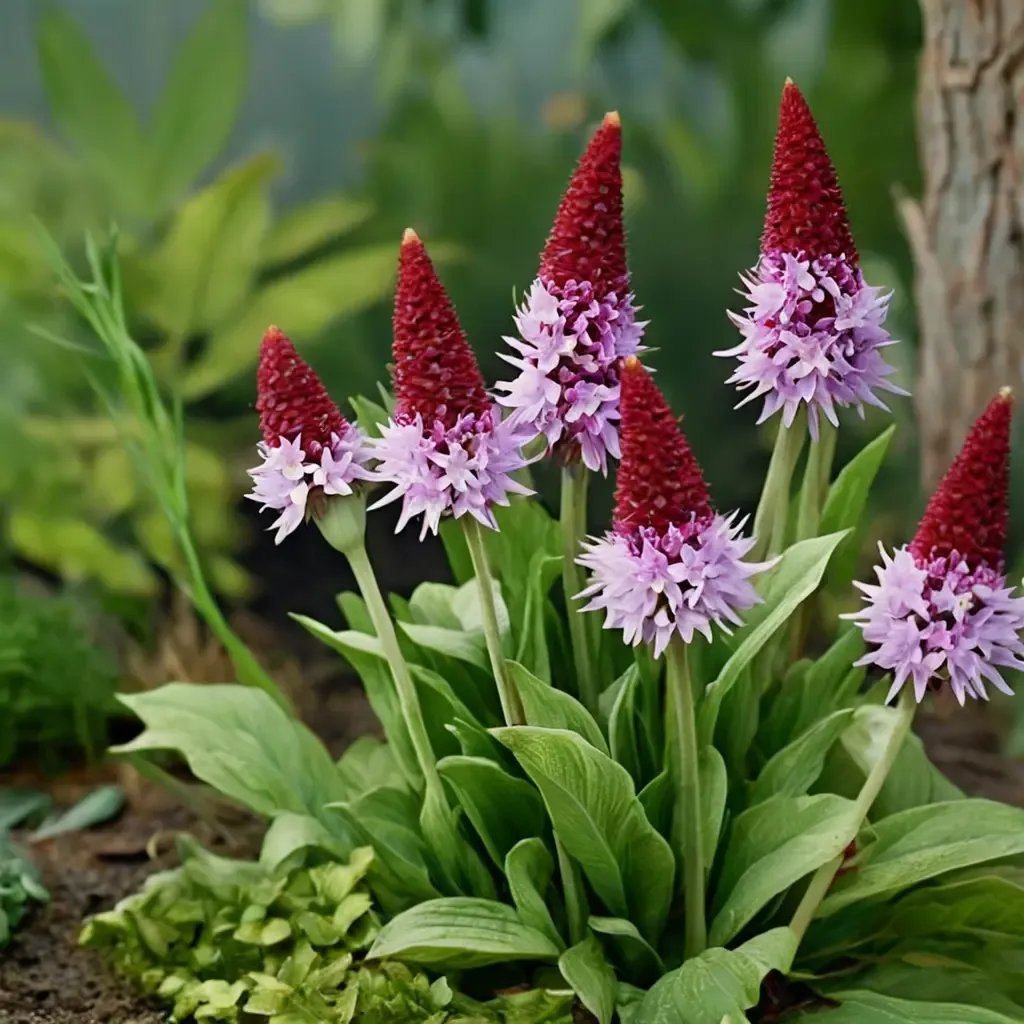
The Story
Plant Bio
Primula vialii, also known as the Tibetan primrose, is known for its striking floral spikes with bright red or purple flowers.
This species has unique tubular flowers and forms dense clusters, making it distinct from other Primula species.
Uses & Benefits:
Essentials
At a Glance
Plant Type
Perennial
Height
18"
Width
12"
Light
Partial Sun, Shade
Zones
5, 6, 7, 8
Water
Consistently moist
Humidity
Moderate to high
Lifespan
Short-lived perennial
Native To
China
Toxicity
Non-toxic to humans and pets
Bloom period
Early to mid-summer – Early summer
In flower about 1 month of the year
Planting
How to Grow
- Tuck seeds into moist soil in early spring for best germination.
- Mist cuttings regularly to maintain humidity and promote root development.
- Plant in well-draining soil rich in organic matter to support growth.
- Ensure the plant receives partial shade to mimic natural woodland conditions.
- Water consistently during the growing season, avoiding waterlogging.
- Mulch around the plant to retain moisture and suppress weeds.
Pro Tip
Use a shaded, cool location with moist, rich soil for optimal growth.
Keep It Thriving
Care Guide
Do
- Keep soil consistently moist but not waterlogged 🌱
- Apply organic mulch to retain moisture and regulate temperature
- Provide partial shade during hot summer days
- Feed with a balanced, water-soluble fertilizer in spring
Don't
- Avoid direct, harsh sunlight which can scorch the leaves ❌
- Do not let soil dry out completely
- Avoid over-fertilizing which can damage roots
- Never expose to strong winds that can damage delicate stems
Seasonal Care Calendar
| Task | Jan | Feb | Mar | Apr | May | Jun | Jul | Aug | Sep | Oct | Nov | Dec |
|---|---|---|---|---|---|---|---|---|---|---|---|---|
| Divide | ||||||||||||
| Mulch | ||||||||||||
| Plant |
Watch Out For
Pests & Diseases
Common Pests
Common Diseases
In the Garden
Landscape Uses & Companions
Landscape Uses
Companion Plants
Multiply
Propagation Methods
Good to Know
Common Questions
Orchid Primrose questions
What zones can Orchid Primrose grow in?
Orchid Primrose is hardy in USDA Zones 5–8. Inside that range it survives winter in the ground; outside it, grow it as an annual or a container plant you protect.
Is Orchid Primrose deer resistant?
Yes — Orchid Primrose is rated deer-resistant. Deer typically pass it over, though extreme hunger can override any plant's defenses.
When does Orchid Primrose bloom?
Orchid Primrose typically blooms in early to mid-summer through early summer. Exact timing shifts a week or two with your zone — Sow's bloom calendar maps it to your garden.
Does Orchid Primrose need full sun?
Orchid Primrose does best in part shade.
More Primula to compare
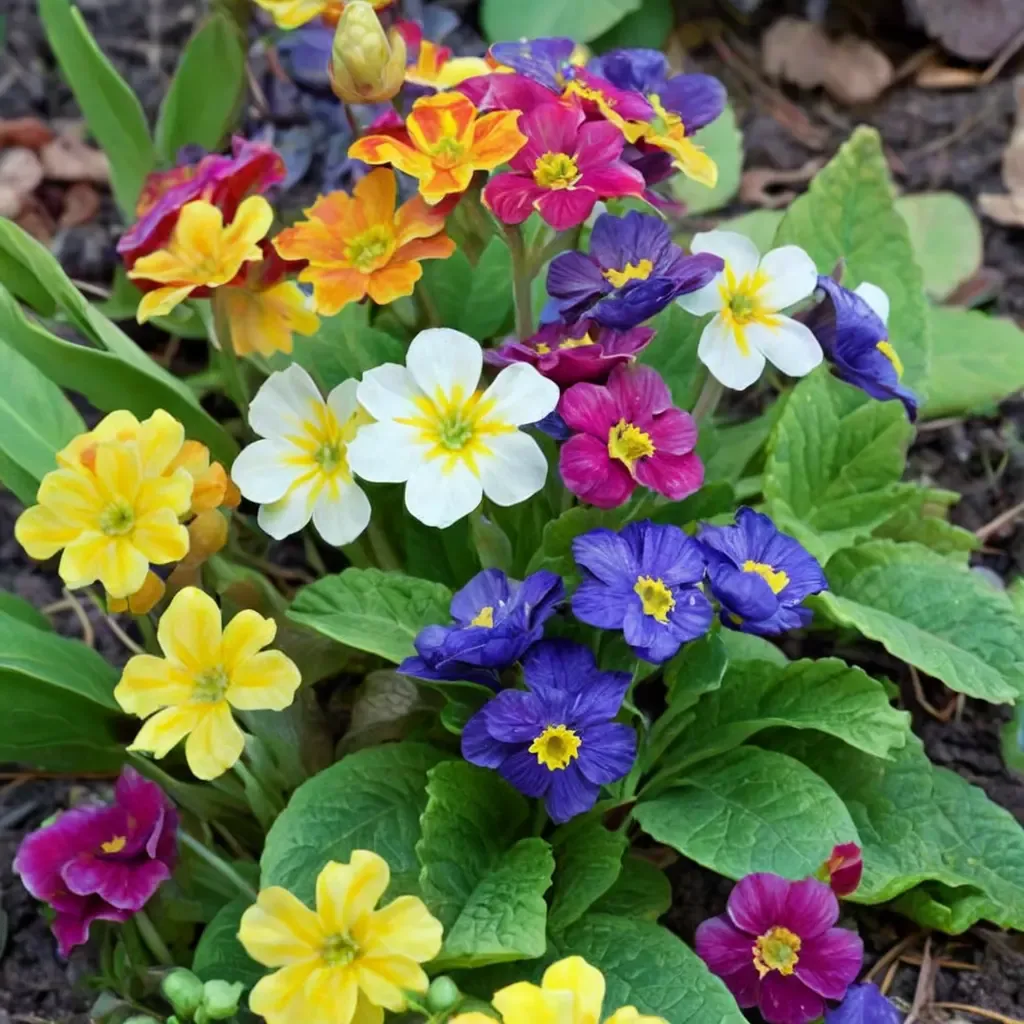
Pacific Hybrids Primrose
Primula x polyantha 'Pacific Hybrids'
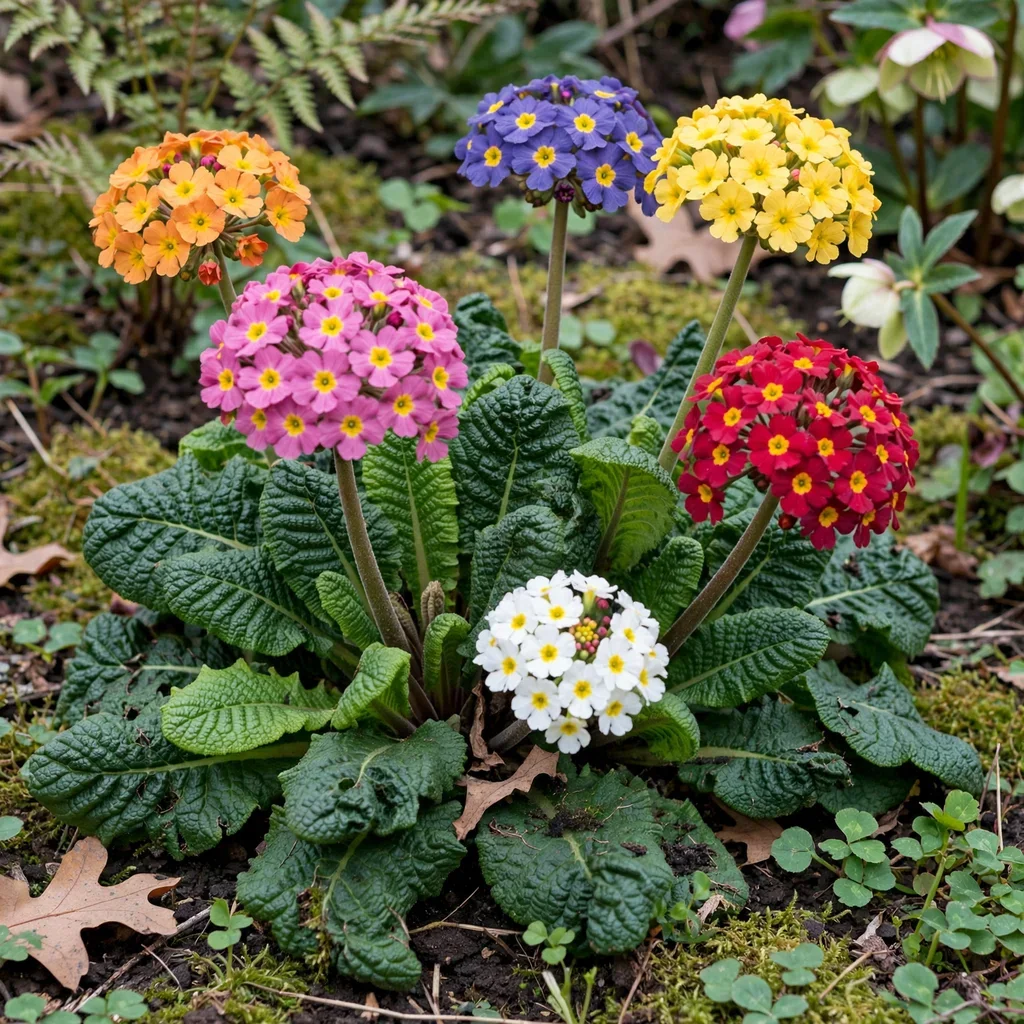
Primula Crescendo Mix
Primula x polyantha 'Crescendo Mix'
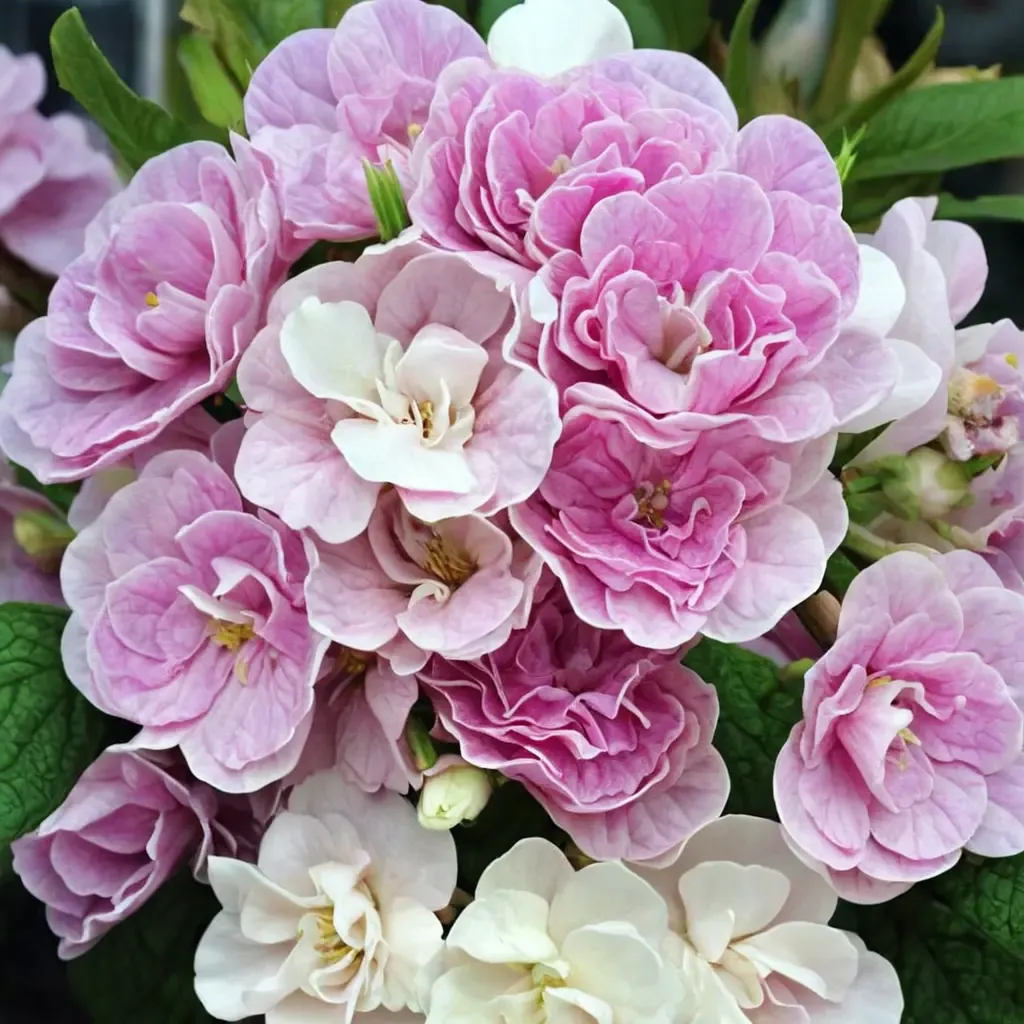
Belarina Pink Ice Primrose
Primula vulgaris 'Belarina Pink Ice'
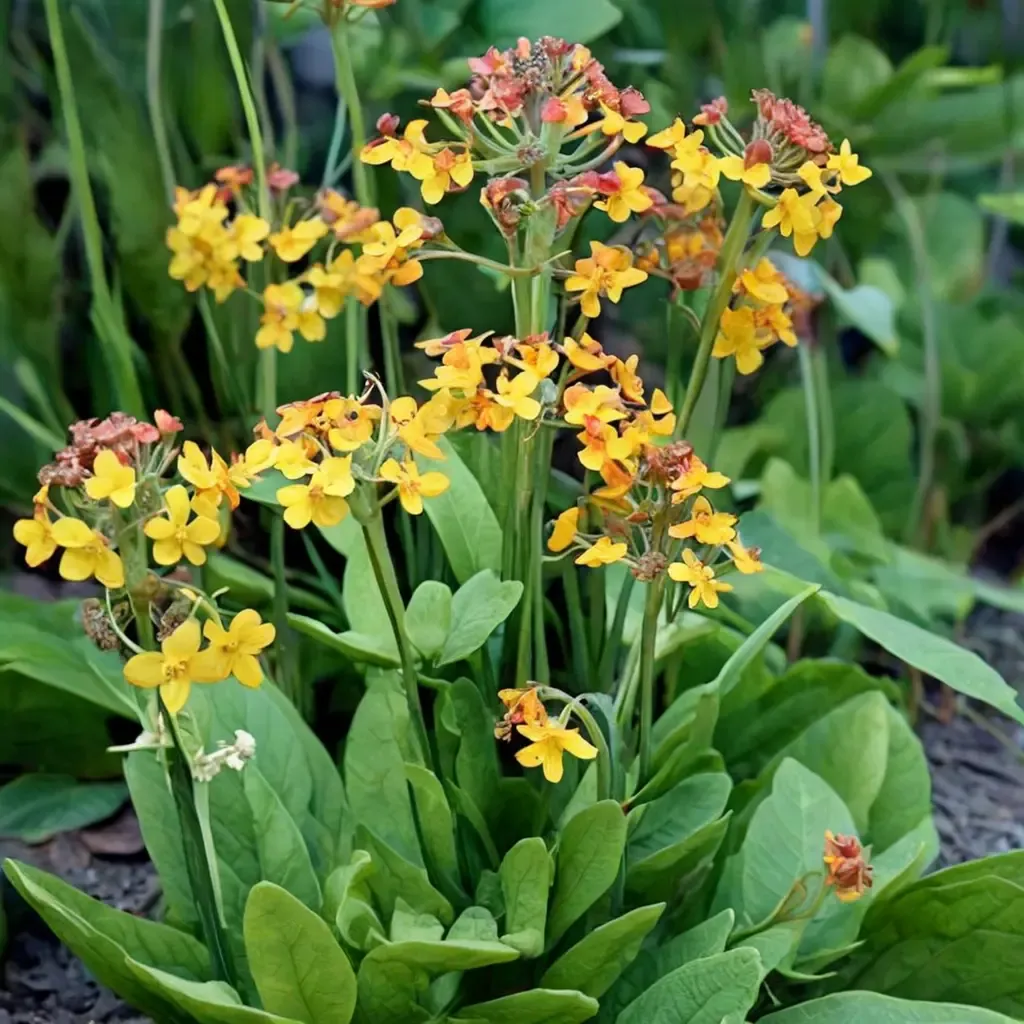
Bulley's Primrose
Primula bulleyana
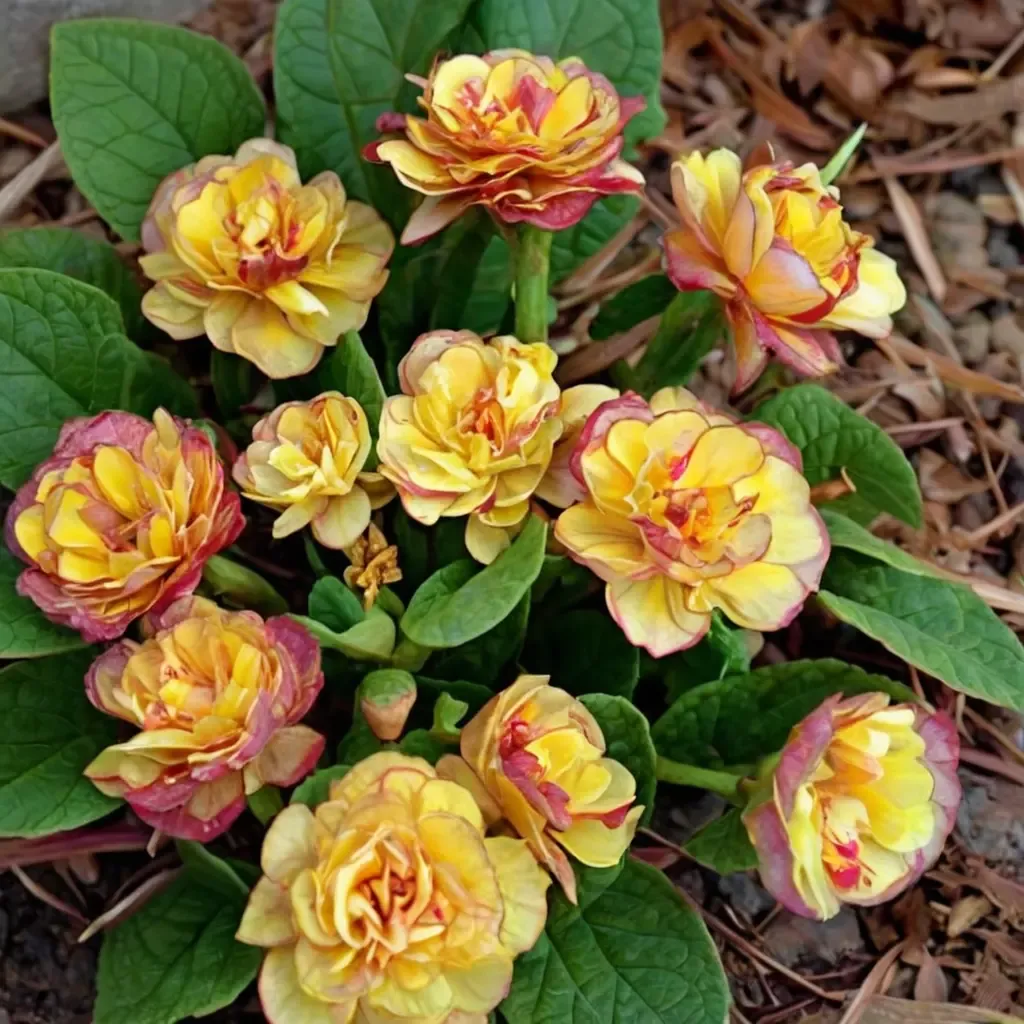
Nectarine Cowslip
Primula veris 'Nectarine'
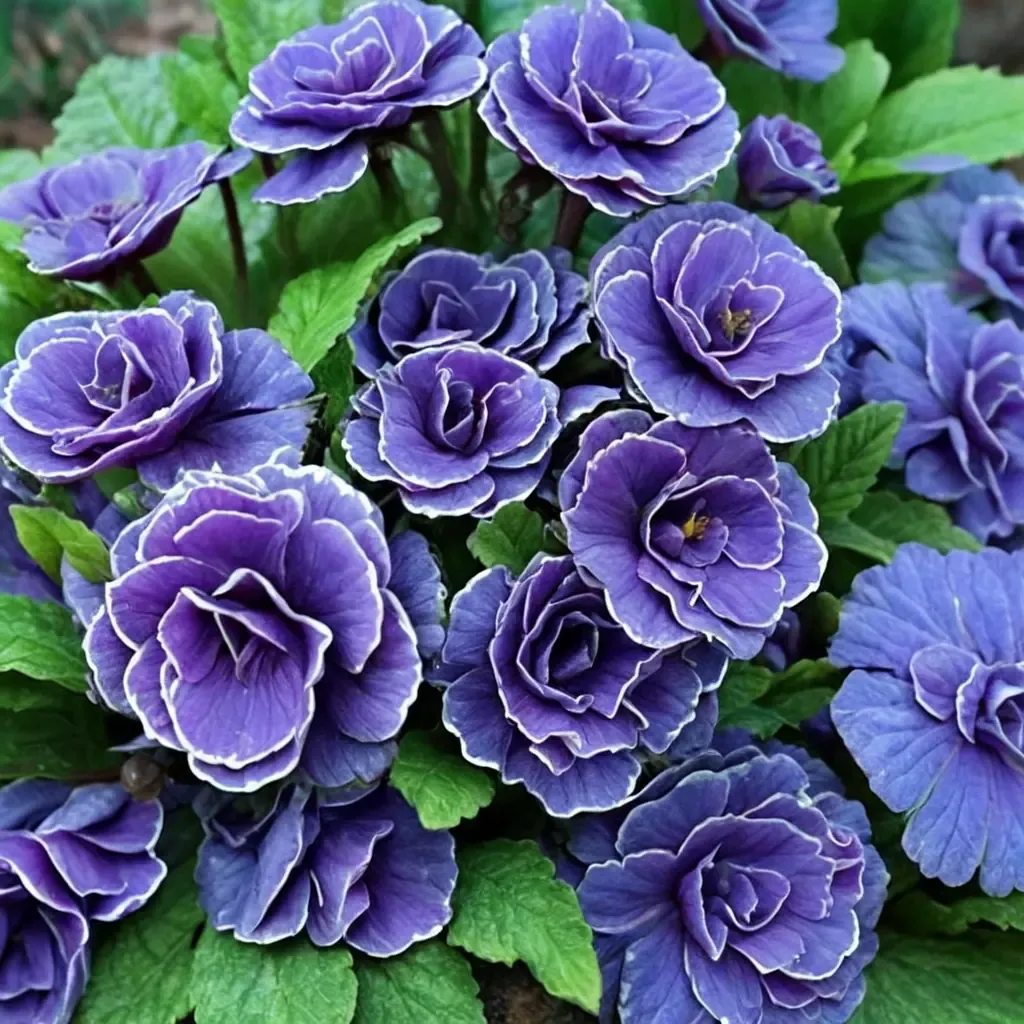
Amethyst Ice Primrose
Primula vulgaris 'Belarina Amethyst Ice'
Keep exploring
Explore the genus
Hardy in your zone?
Grow Orchid Primrose with confidence
See it in a design of your actual yard, get zone-matched care reminders, and track it season by season in your garden journal.