The Story
Plant Bio
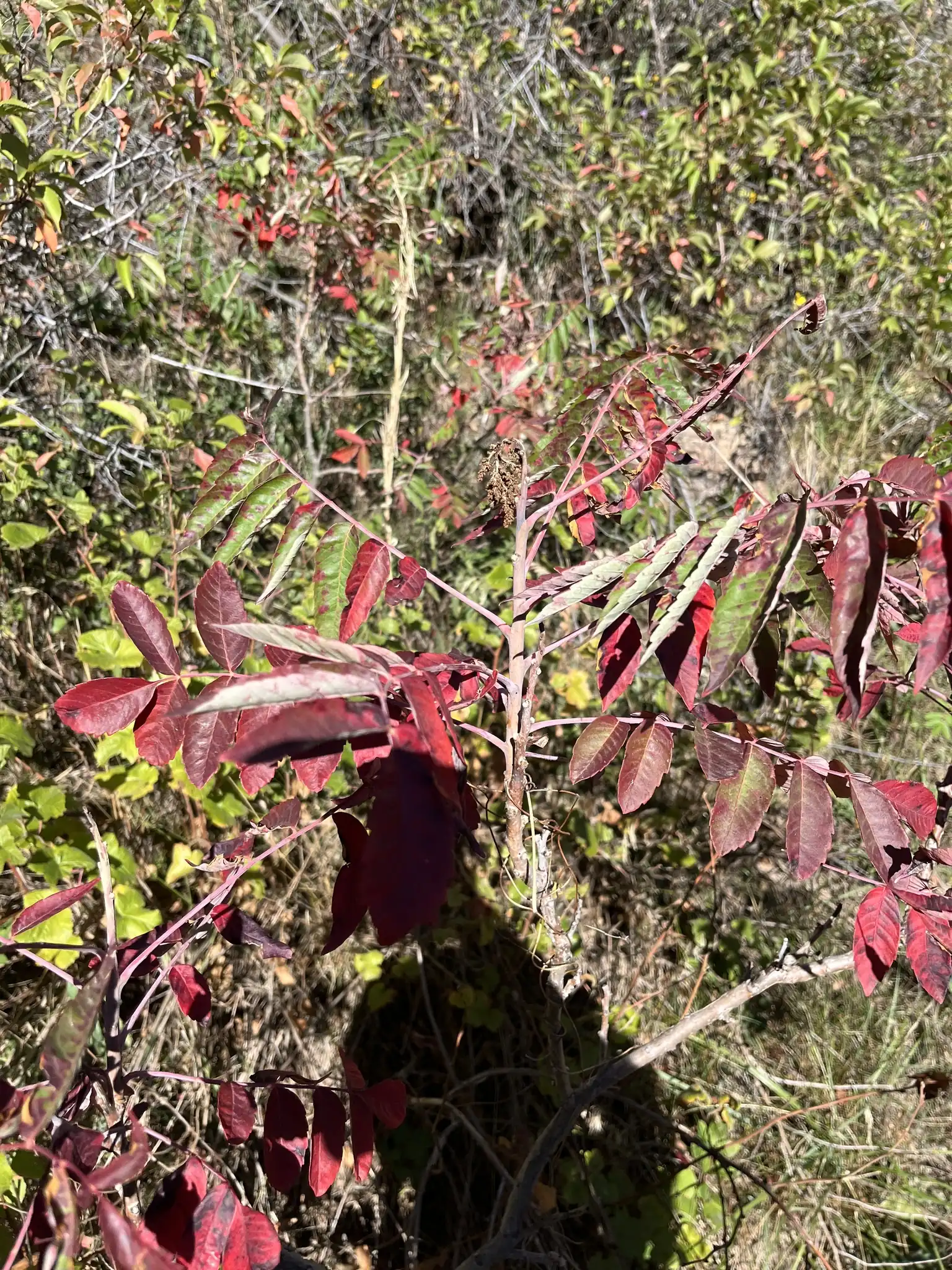
Rhus glabra is a large, suckering, deciduous shrub or small tree native across North America, known for its large, pinnately compound leaves and open, spreading habit.
It offers brilliant orange-red fall color and upright clusters of fuzzy, crimson berries on female plants that persist through winter, providing emergency food for wildlife.
Uses & Benefits:
Essentials
At a Glance
Plant Type
Shrub
Height
144"
Width
144"
Light
Full Sun
Zones
4, 5, 6, 7, 8, 9
Water
Low
Humidity
Adaptable to dry or humid
Lifespan
Short-lived, but colonies persist
Native To
North America
Toxicity
Non-toxic, distinct from Poison Sumac
Bloom period
Early summer – Mid-summer
In flower about 2 months of the year
Planting
How to Grow
- Select a site in full sun with poor, dry, or average soil.
- This plant is not picky and thrives on neglect.
- Dig a hole just large enough for the root ball.
- Place the plant in the hole and backfill.
- Water it once after planting.
- Stand back and watch it grow; it requires no further care.
Pro Tip
Embrace its colonial nature by planting it in a large, open area where it can spread freely, like a sunny bank.
Keep It Thriving
Care Guide
Do
- Plant it on a difficult, sunny slope for erosion control.
- Allow it to form a natural thicket for wildlife cover.
- Enjoy the spectacular fall foliage.
- Harvest the berries to make a tart, pink lemonade-like drink.
Don't
- Don't plant it in a small, formal garden bed; it will spread aggressively.
- Do not plant in wet or shady locations.
- Don't fertilize or amend the soil; it prefers lean conditions.
- Don't confuse it with Poison Sumac (Toxicodendron vernix), which has white berries and grows in swamps.
Seasonal Care Calendar
| Task | Jan | Feb | Mar | Apr | May | Jun | Jul | Aug | Sep | Oct | Nov | Dec |
|---|---|---|---|---|---|---|---|---|---|---|---|---|
| Plant | ||||||||||||
| Prune |
Watch Out For
Pests & Diseases
Common Pests
Common Diseases
In the Garden
Landscape Uses & Companions
Landscape Uses
Multiply
Propagation Methods
Good to Know
Common Questions
Smooth Sumac questions
What zones can Smooth Sumac grow in?
Smooth Sumac is hardy in USDA Zones 4–9. Inside that range it survives winter in the ground; outside it, grow it as an annual or a container plant you protect.
Is Smooth Sumac deer resistant?
Yes — Smooth Sumac is rated deer-resistant. Deer typically pass it over, though extreme hunger can override any plant's defenses.
When does Smooth Sumac bloom?
Smooth Sumac typically blooms in early summer through mid-summer. Exact timing shifts a week or two with your zone — Sow's bloom calendar maps it to your garden.
Does Smooth Sumac need full sun?
Smooth Sumac does best in full sun (6+ hours).
Is Smooth Sumac drought tolerant?
Yes — once established (usually after the first full season), Smooth Sumac handles dry spells with minimal watering. Water deeply its first year to build the root system that makes that possible.
More Rhus to compare
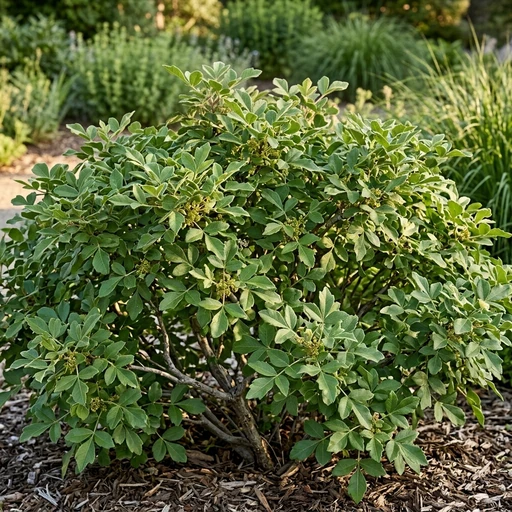
Gro-Low Fragrant Sumac
Rhus aromatica 'Gro-Low'
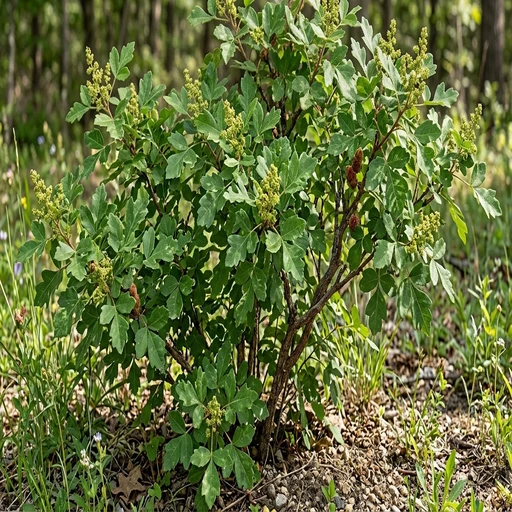
Fragrant Sumac
Rhus aromatica
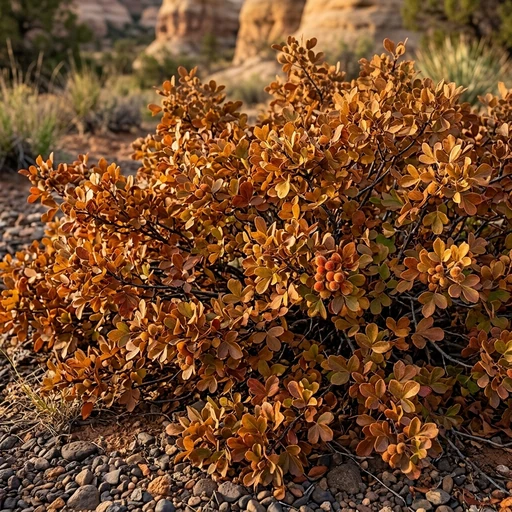
Autumn Amber Prostrate Three-leaf Sumac
Rhus trilobata 'Autumn Amber'
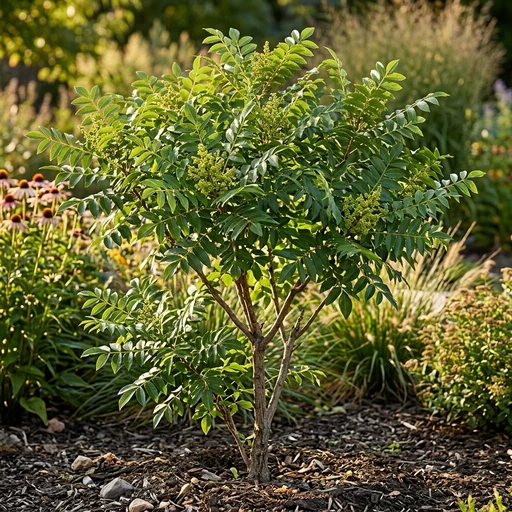
Shining Sumac
Rhus copallinum
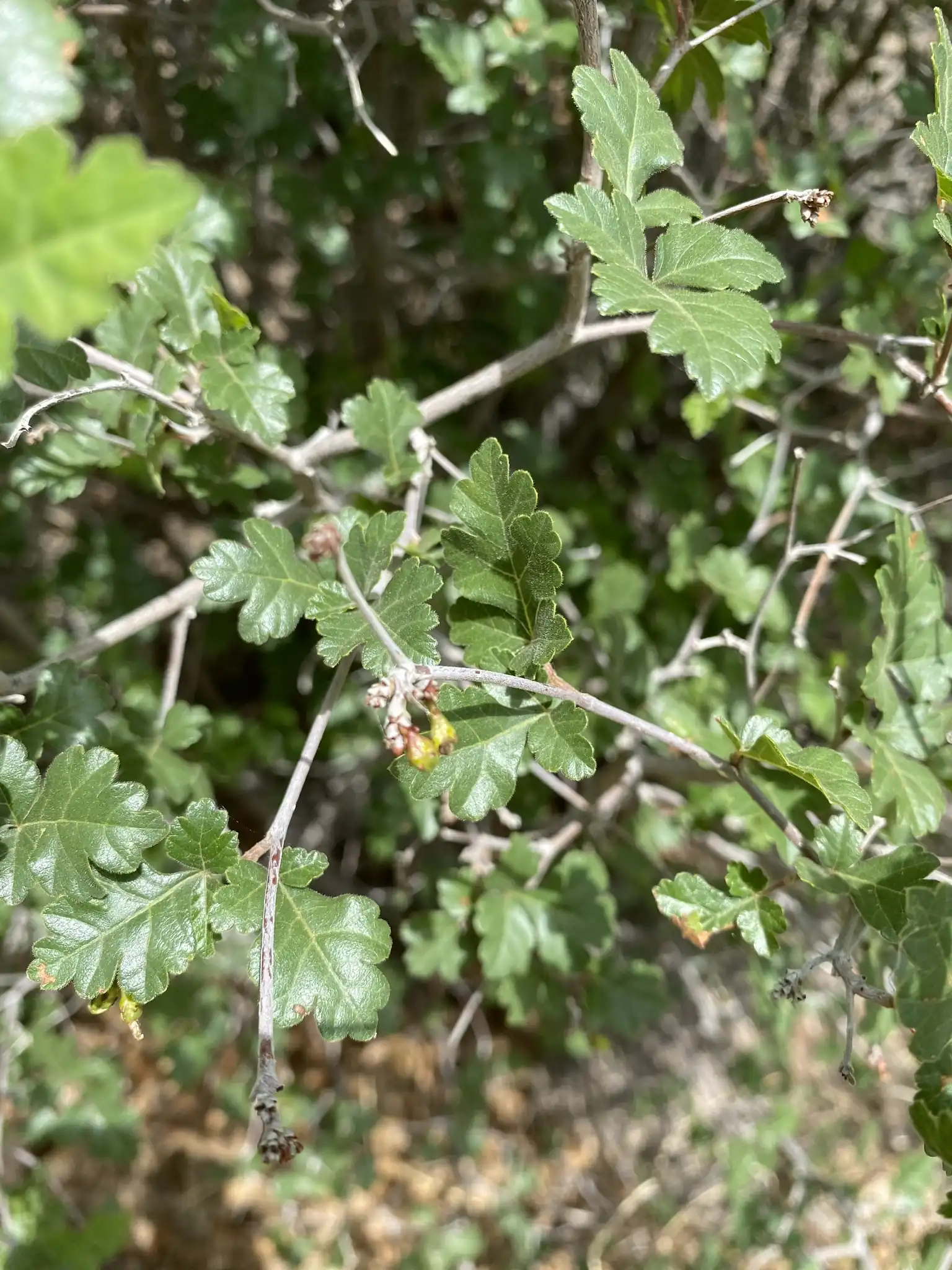
Skunkbush Sumac
Rhus trilobata
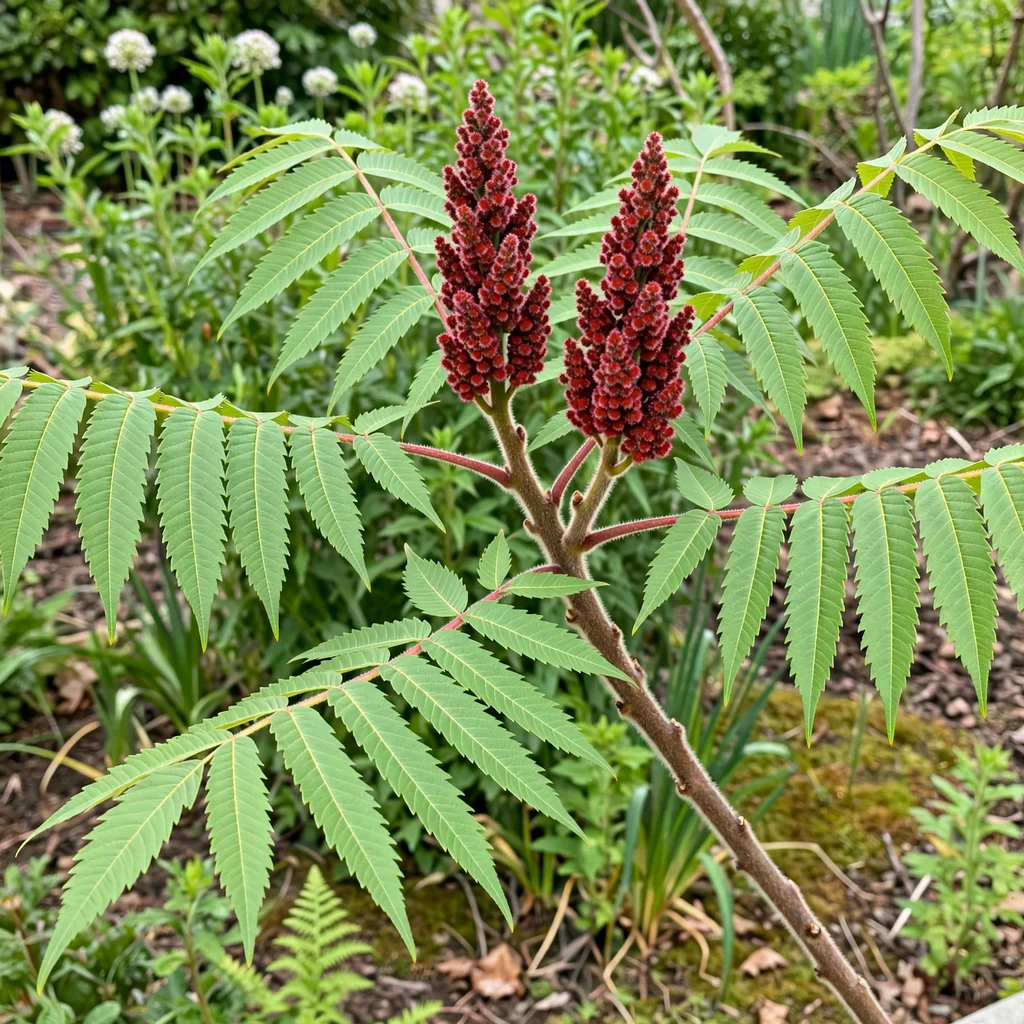
Staghorn Sumac
Rhus typhina
Keep exploring
Explore the genus
Grow Smooth Sumac with confidence
See it in a design of your actual yard, get zone-matched care reminders, and track it season by season in your garden journal.