Also known as Sumac · 147 saves
Rhus
Rhus, the genus most gardeners know as sumac. We track 7 varieties; the ones most used by real gardeners.
The 7 most-saved Rhus varieties
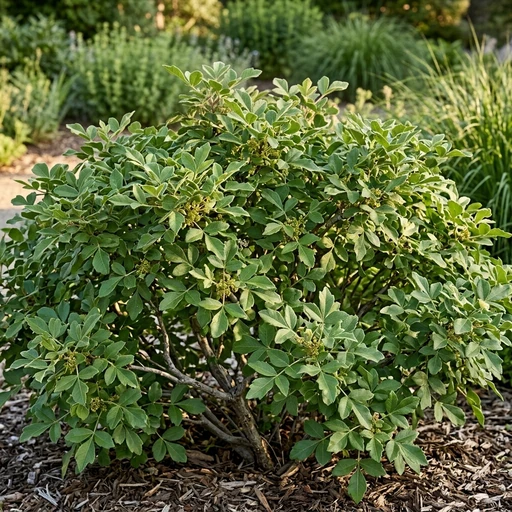
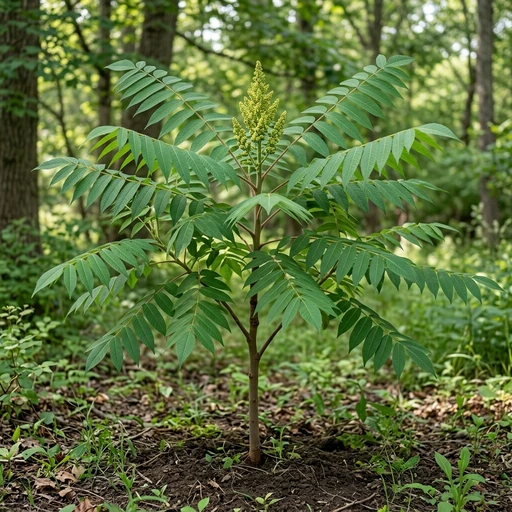
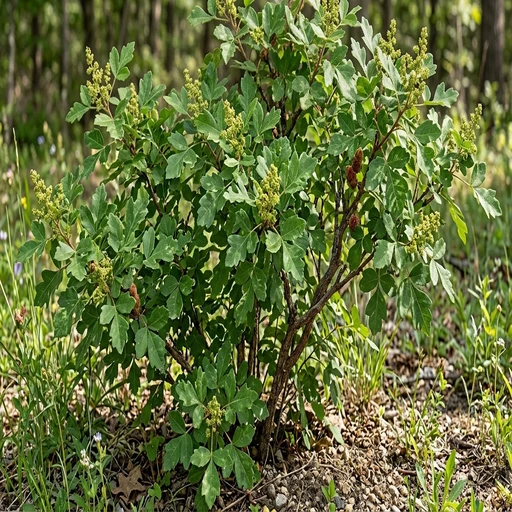
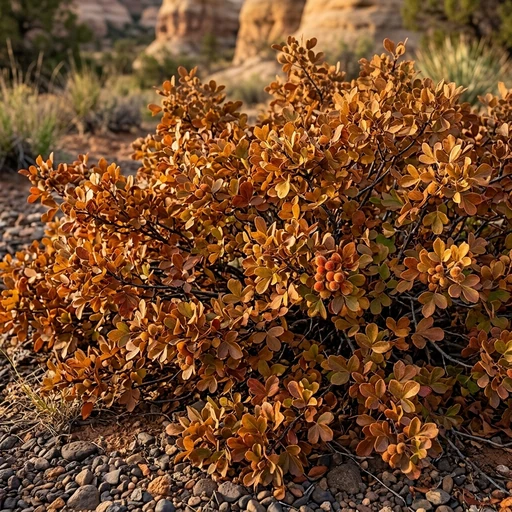
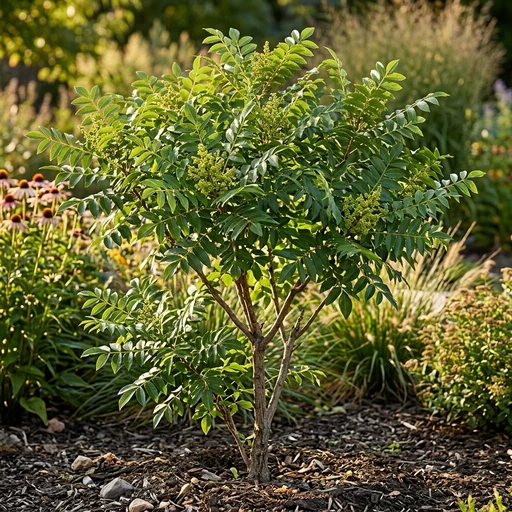
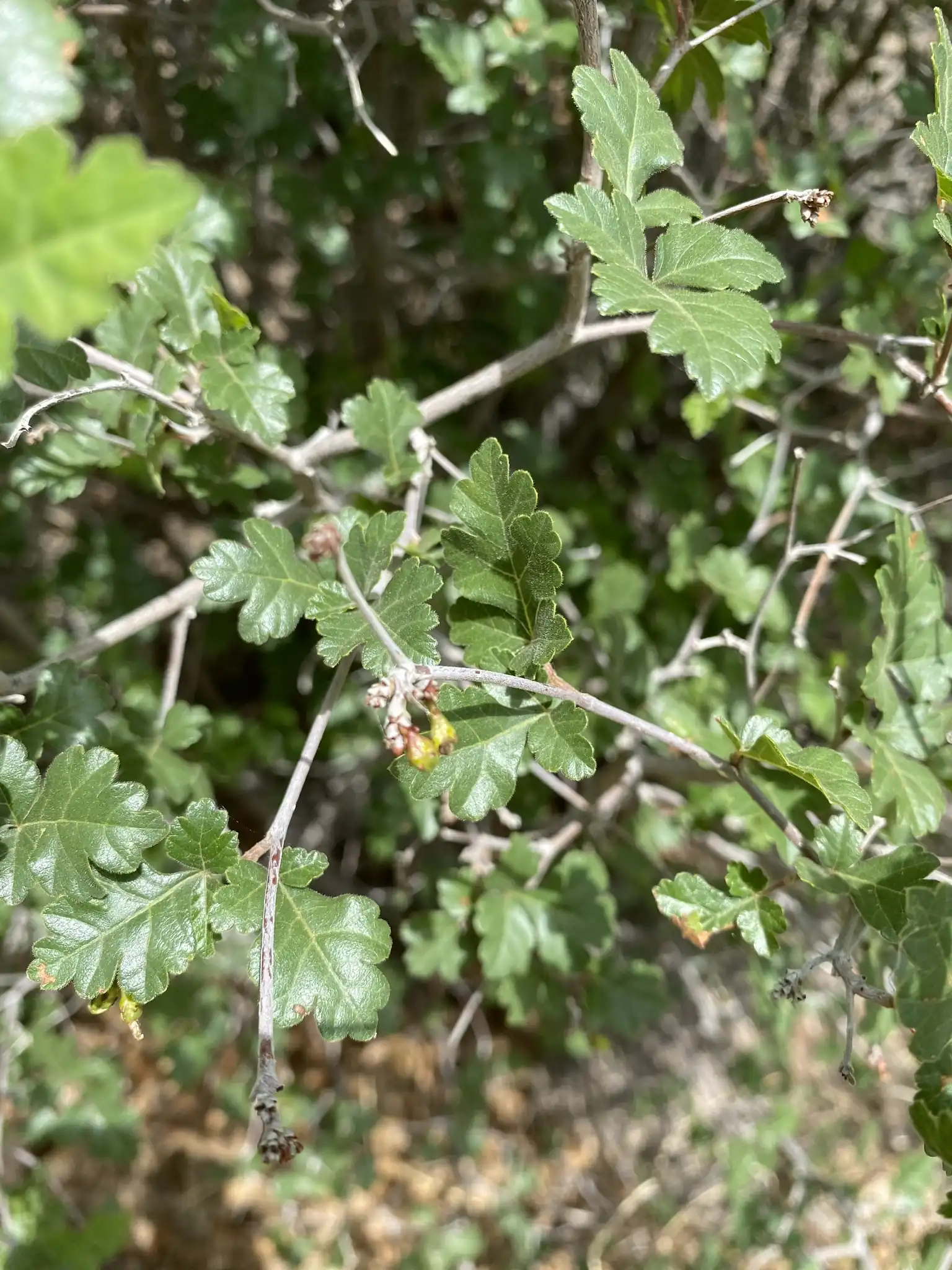
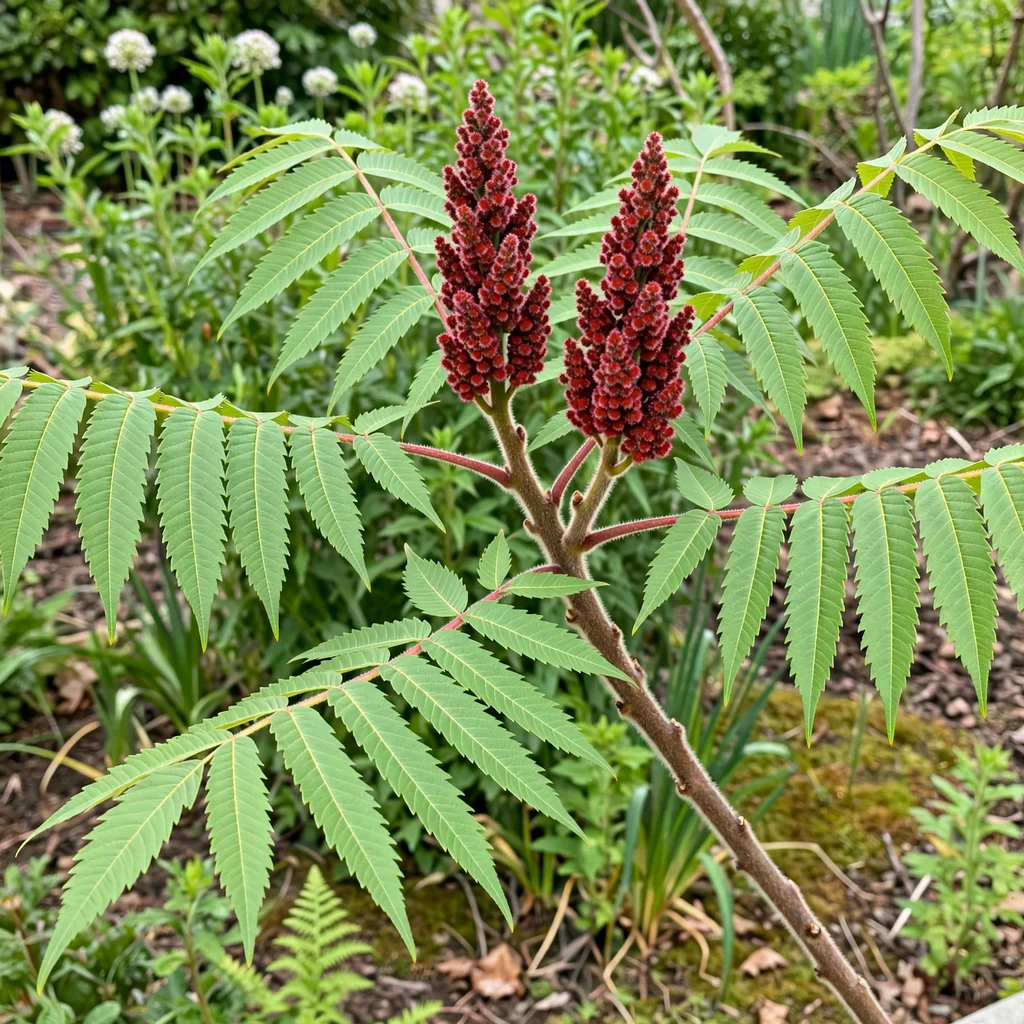
2 species of Rhus
Each one is a parent of the varieties above.
Track your Rhus in Sow
Save the Rhus you grow and get care reminders timed to your zone.
How to grow Rhus
Whats common across all Rhus varieties in our catalog — drawn from the care records of the 7 most-grown of them.
The Rhus year
- PruneFebruary and March100% of varieties
Prune in late winter only to remove dead wood or control spread.
- PlantApril, May, October and November57% of varieties
Plant in spring or fall. Tolerates a wide range of soils.


Do
- Plant it on a difficult slope where nothing else will grow.
- Crush a leaf to enjoy its citrusy, spicy fragrance.
- Allow it to sucker and form a natural thicket.
- Enjoy the spectacular fall color display.
- Use it in parking lot medians or other harsh urban sites.
Avoid
- Don't plant it in a small, formal garden bed unless you plan to control its spread.
- Avoid overwatering or planting in constantly wet, boggy soil.
- Don't fertilize; this can lead to weak growth.
- Don't confuse it with Poison Ivy; Fragrant Sumac has fuzzy red berries and aromatic leaves.
What goes wrong with Rhus
| Problem | What you'll see | What to do |
|---|---|---|
| Scale Insects | Can occasionally be found on stems. | Usually controlled by natural predators. If necessary, use horticultural oil during the dormant season. |
| Aphids | Clusters of small insects on new growth. | A strong spray of water can dislodge them. Use insecticidal soap for heavier infestations. |
| None significant | This plant is remarkably free of serious pest problems. | No action is typically required. Its toughness is one of its best attributes. |
| Spider Mites | Fine webbing on leaves, stippled or yellowed foliage, especially in hot, dry weather. | Spray forcefully with water to dislodge them. Use insecticidal soap or horticultural oil for heavier infestations. |
| Leaf Spot | Small, dark spots on leaves, which may merge and cause leaf drop in severe cases. | Improve air circulation. Rake up and destroy fallen leaves. Fungicides are rarely necessary. |
| Canker | Can cause some stem dieback on older plants. | Prune out and destroy affected stems. The plant's suckering nature means the colony will persist even if individual stems die. |
| Leaf Spot/Rust | Occasional cosmetic spots on leaves in very humid conditions. | Generally not a problem requiring treatment. Ensure good air circulation. Rake fallen leaves if desired. |
Making more Rhus
Transplanting Suckers
- In early spring, identify a rooted sucker at the edge of a colony.
- Use a sharp spade to sever the connecting root.
- Dig up the sucker with as much root as possible.
- Replant immediately in a new location and water well until established.
Seed
- Collect berries in fall and clean the seed.
- Seeds require scarification (nicking the seed coat) and cold stratification.
- Plant in fall or stratify for 60-90 days before spring planting.
Rhus questions
How many types of Rhus are there?
The Sow catalog tracks 7 distinct Rhus varieties. The most popular — ranked by 147 real gardeners — are shown first above.
What zones does Rhus grow in?
Across its varieties, Rhus covers USDA Zones 4–9. Individual varieties differ — each plant page lists its exact range, and Sow filters the catalog to your zone automatically.
When does Rhus bloom?
Most Rhus varieties bloom in early spring, early summer, mid-spring. Staggering early, mid, and late varieties extends the genus's season in one bed.
Which Rhus should I choose?
Start from the most-saved varieties above — popularity across thousands of gardens is a strong signal of reliability — then filter by your zone and sun. In the Sow app you can preview any of them in a photo of your actual yard before you buy.