The Story
Plant Bio
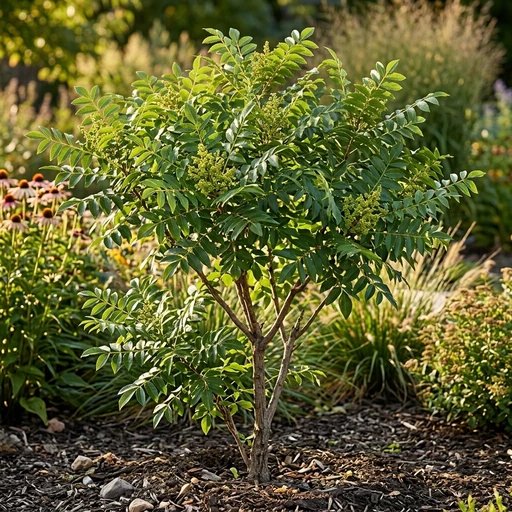
A deciduous shrub or small tree native to eastern North America, known for its glossy, dark green compound leaves that turn brilliant shades of red in autumn. It often forms thickets via root suckers.
The 'wings' on the leaf rachis are a key identifying feature, giving it the name Winged Sumac. Female plants produce showy clusters of fuzzy red berries that persist into winter, providing food for birds.
Uses & Benefits:
Essentials
At a Glance
Plant Type
Shrub
Height
180"
Width
180"
Light
Full Sun, Partial Sun
Zones
4, 5, 6, 7, 8, 9
Water
Low
Humidity
Adaptable
Lifespan
Medium
Native To
Eastern North America
Toxicity
Sap may cause skin irritation in sensitive individuals.
Bloom period
Mid-summer – Late summer
In flower about 2 months of the year
Planting
How to Grow
- Select a sunny spot with average, well-drained soil.
- Dig a hole as deep and twice as wide as the root ball.
- Place the plant in the hole, ensuring the crown is level with the soil.
- Backfill the hole with the excavated soil and water thoroughly.
- Provide ample space for its suckering habit to form a thicket.
- Remove root suckers annually if you wish to control its spread.
Pro Tip
To ensure the attractive red fruit clusters, plant female plants; a male plant is needed nearby for pollination.
Keep It Thriving
Care Guide
Do
- Provide plenty of space for it to spread and naturalize.
- Use it on dry, sunny banks for excellent erosion control.
- Prune in late winter to manage size and shape.
Don't
- Don't plant it in a small, tidy garden bed where suckers are a nuisance.
- Don't overwater once the plant is established.
- Avoid planting near walkways or patios due to its spreading nature.
Seasonal Care Calendar
| Task | Jan | Feb | Mar | Apr | May | Jun | Jul | Aug | Sep | Oct | Nov | Dec |
|---|---|---|---|---|---|---|---|---|---|---|---|---|
| Pest Check | ||||||||||||
| Prune |
Watch Out For
Pests & Diseases
Common Pests
Common Diseases
In the Garden
Landscape Uses & Companions
Landscape Uses
Multiply
Propagation Methods
Good to Know
Common Questions
Shining Sumac questions
What zones can Shining Sumac grow in?
Shining Sumac is hardy in USDA Zones 4–9. Inside that range it survives winter in the ground; outside it, grow it as an annual or a container plant you protect.
Is Shining Sumac deer resistant?
Yes — Shining Sumac is rated deer-resistant. Deer typically pass it over, though extreme hunger can override any plant's defenses.
When does Shining Sumac bloom?
Shining Sumac typically blooms in mid-summer through late summer. Exact timing shifts a week or two with your zone — Sow's bloom calendar maps it to your garden.
Does Shining Sumac need full sun?
Shining Sumac does best in full sun to part shade. In hot climates, afternoon shade keeps blooms fresher longer.
Is Shining Sumac drought tolerant?
Yes — once established (usually after the first full season), Shining Sumac handles dry spells with minimal watering. Water deeply its first year to build the root system that makes that possible.
More Rhus to compare
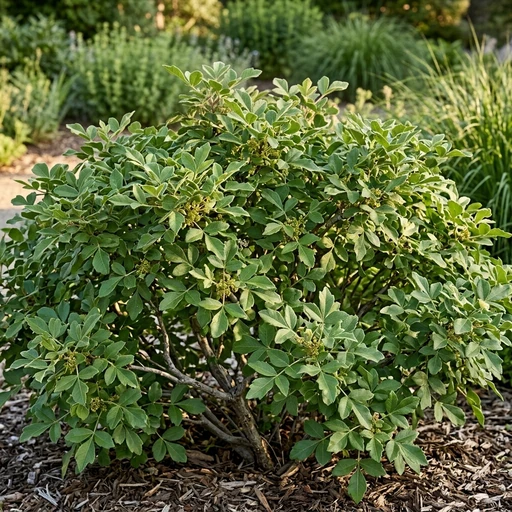
Gro-Low Fragrant Sumac
Rhus aromatica 'Gro-Low'
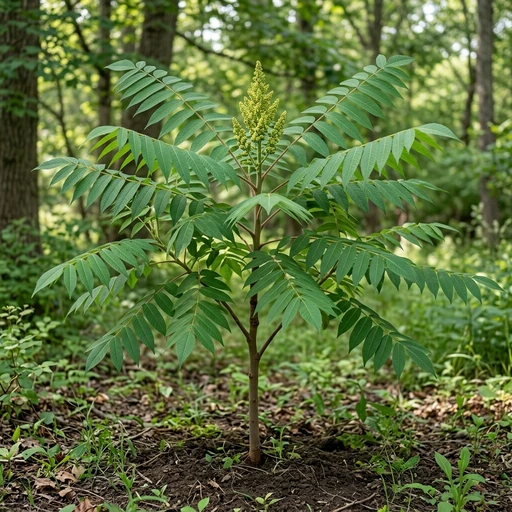
Smooth Sumac
Rhus glabra
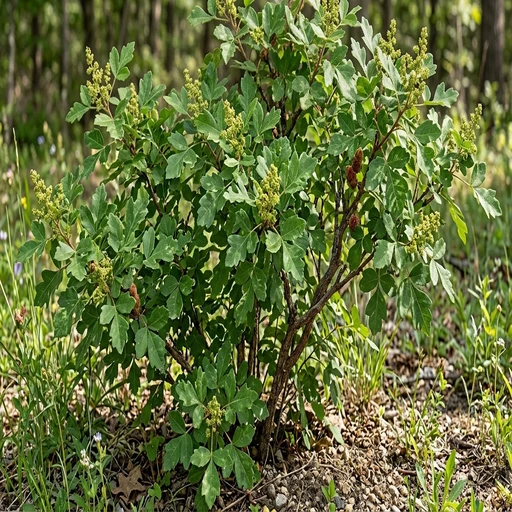
Fragrant Sumac
Rhus aromatica
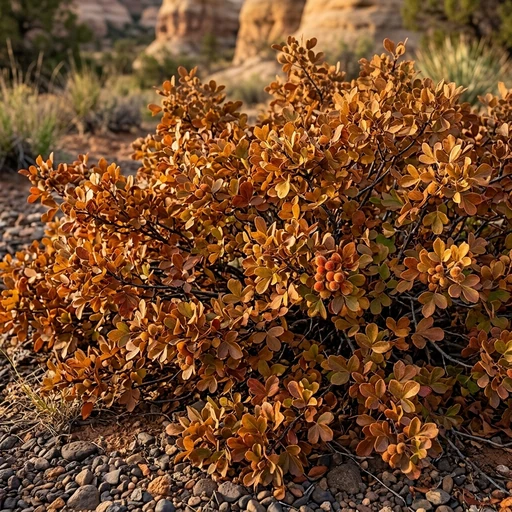
Autumn Amber Prostrate Three-leaf Sumac
Rhus trilobata 'Autumn Amber'
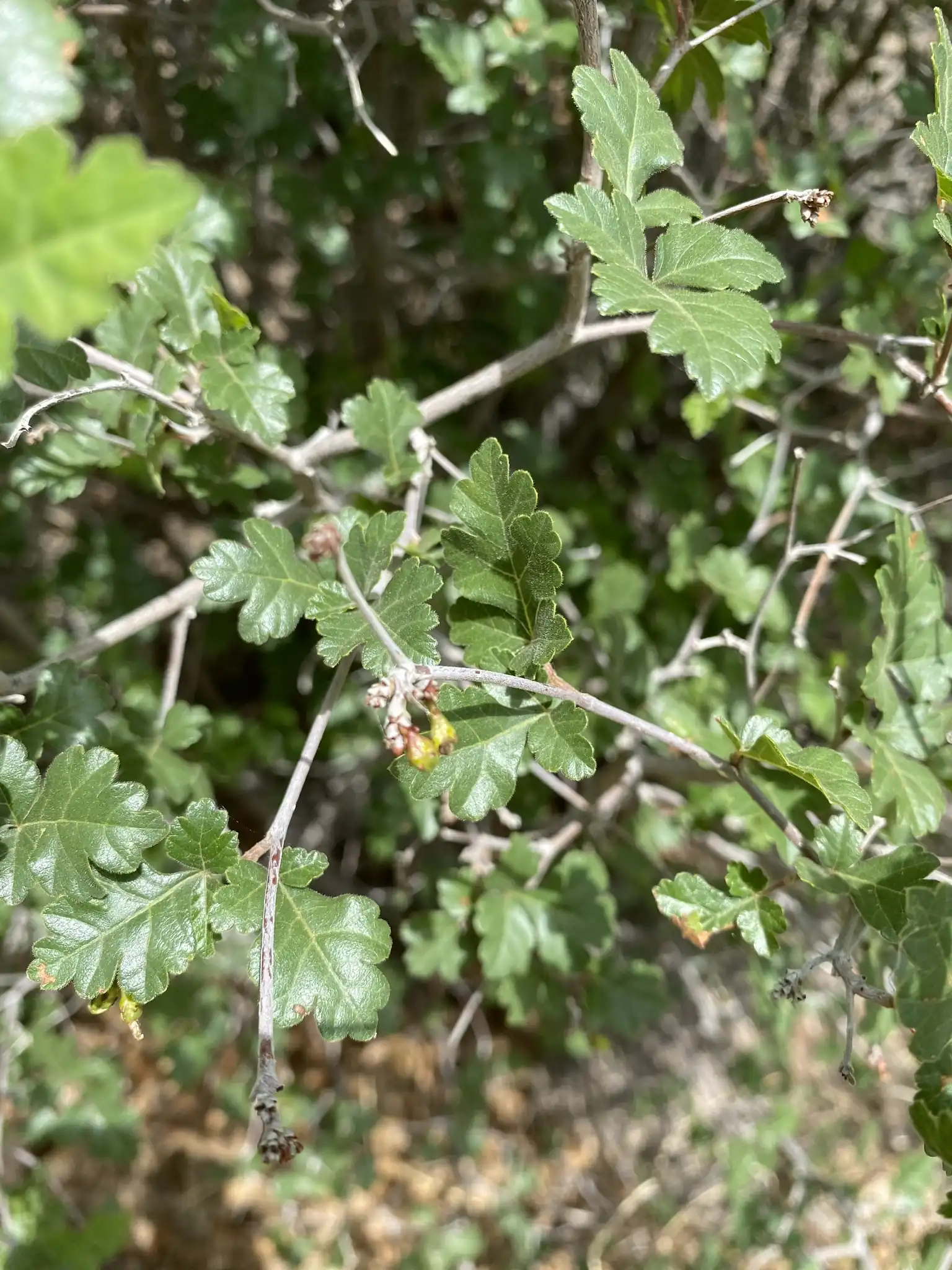
Skunkbush Sumac
Rhus trilobata
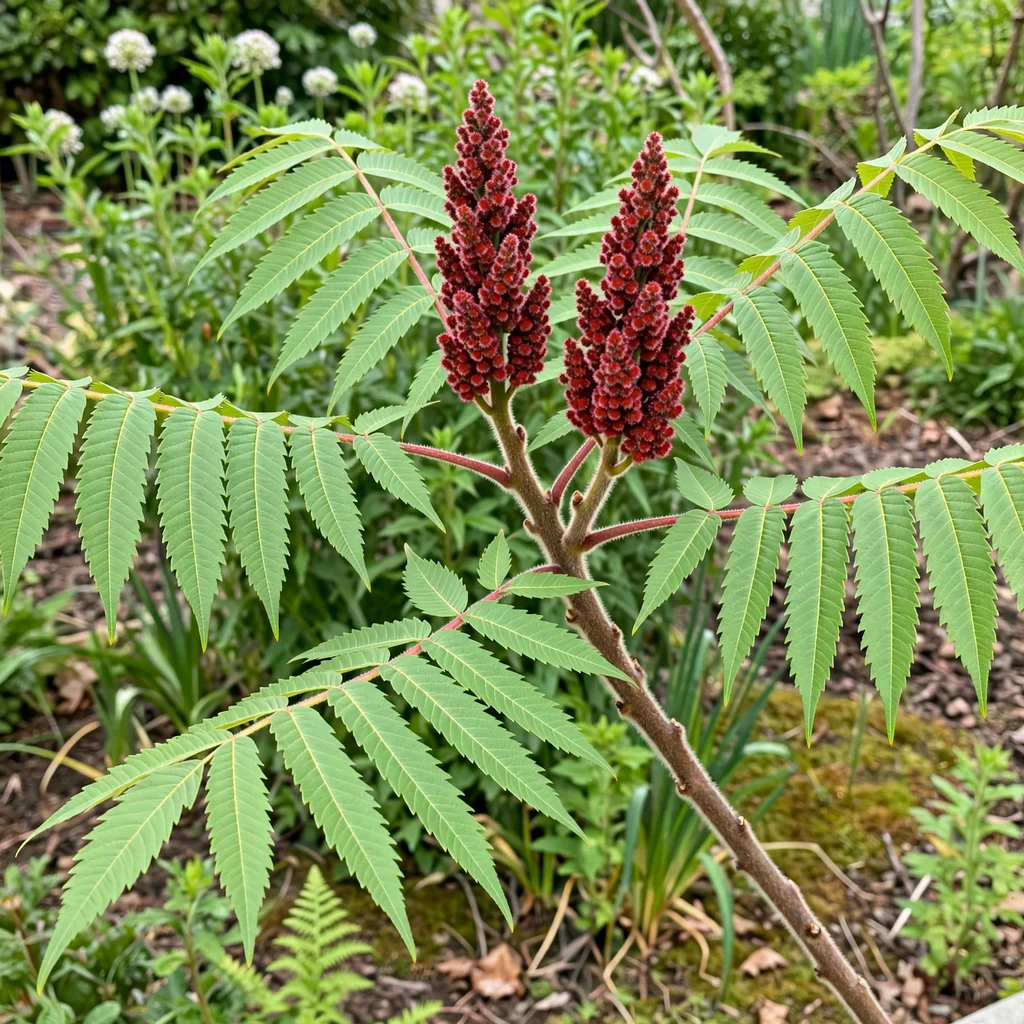
Staghorn Sumac
Rhus typhina
Keep exploring
Explore the genus
Grow Shining Sumac with confidence
See it in a design of your actual yard, get zone-matched care reminders, and track it season by season in your garden journal.