2 named cultivars


The Story
Plant Bio
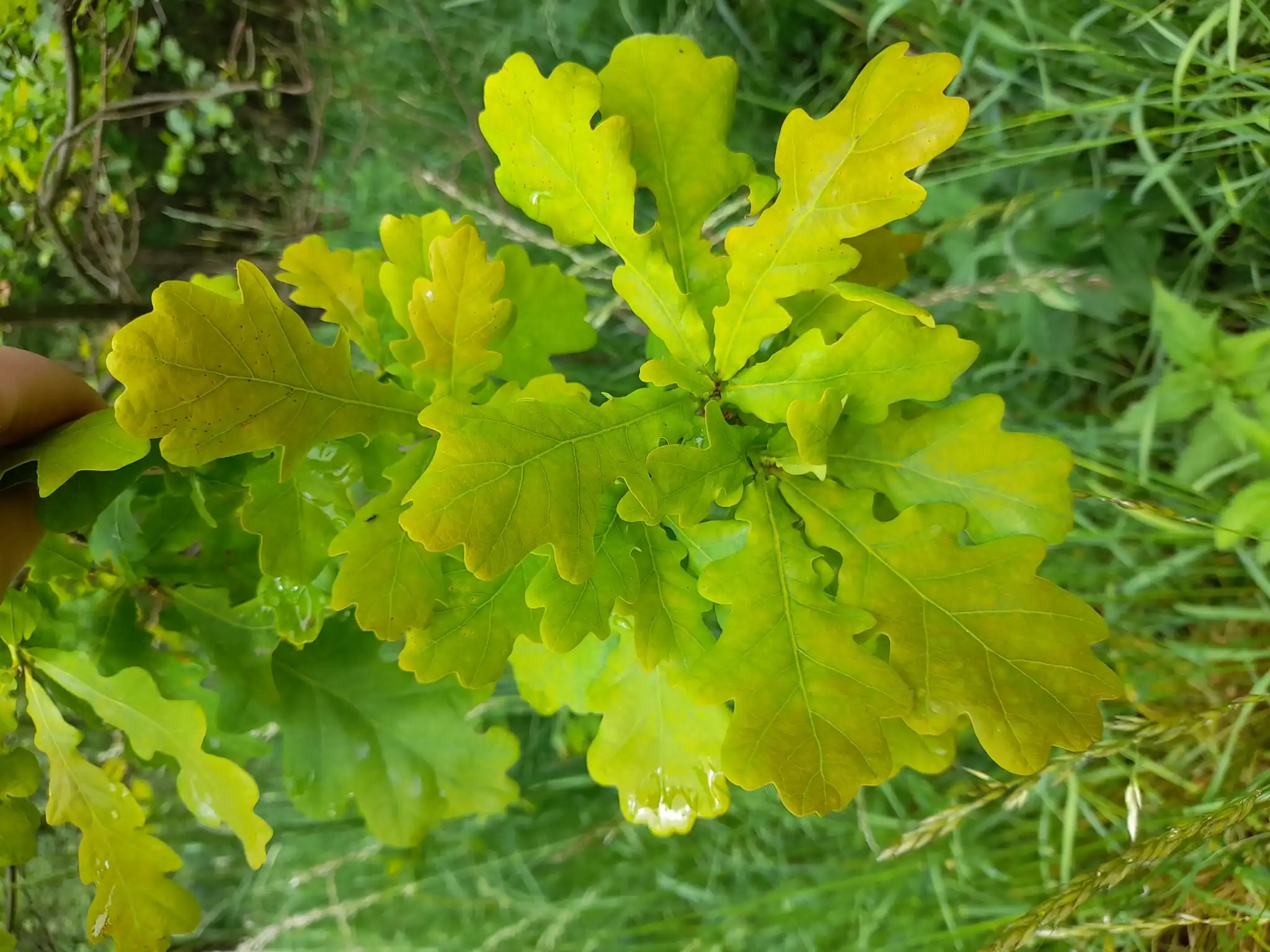
Quercus robur is a large, majestic, and long-lived deciduous tree, iconic in its native European landscapes. It develops a massive trunk and a broad, spreading crown, becoming a powerful landscape feature.
It is distinguished by its classic lobed leaves that have tiny ear-like lobes (auricles) at the base, and its acorns, which are borne on long stalks called peduncles. The rugged, deeply fissured bark adds to its venerable appearance.
Uses & Benefits:
Essentials
At a Glance
Plant Type
Tree
Height
600"
Width
600"
Light
Full Sun
Zones
5, 6, 7, 8
Water
Low to moderate
Humidity
Adaptable
Lifespan
Extremely long-lived (500+ years)
Native To
Europe, Western Asia, North Africa
Toxicity
Acorns are toxic to horses and cattle if eaten in quantity
Planting
How to Grow
- Choose a location in full sun with deep, well-drained soil.
- Dig a planting hole that is two to three times wider than the root ball.
- Ensure the hole is only as deep as the root ball.
- Place the tree in the hole, making sure the root flare is visible at the soil line.
- Backfill with the native soil, watering periodically to remove air pockets.
- Water deeply and apply mulch, keeping it away from the trunk.
Pro Tip
Give this tree ample space to grow to its full, magnificent size; do not plant it near buildings, driveways, or utility lines.
Keep It Thriving
Care Guide
Do
- Water deeply and infrequently during periods of drought, especially when young.
- Allow plenty of room for root and canopy development.
- Prune young trees to establish a good structure.
- Rake up heavy leaf and acorn litter in fall if it is smothering turf.
Don't
- Don't plant in a small yard or restricted space.
- Avoid compacting the soil over the root zone with vehicles or heavy foot traffic.
- Don't over-prune or 'top' the tree, which ruins its natural form.
- Don't plant turfgrass right up to the trunk; maintain a mulch ring.
Seasonal Care Calendar
| Task | Jan | Feb | Mar | Apr | May | Jun | Jul | Aug | Sep | Oct | Nov | Dec |
|---|---|---|---|---|---|---|---|---|---|---|---|---|
| Pest Check | ||||||||||||
| Plant | ||||||||||||
| Prune |
Watch Out For
Pests & Diseases
Common Pests
Common Diseases
In the Garden
Landscape Uses & Companions
Landscape Uses
Multiply
Propagation Methods
Good to Know
Common Questions
English Oak questions
What zones can English Oak grow in?
English Oak is hardy in USDA Zones 5–8. Inside that range it survives winter in the ground; outside it, grow it as an annual or a container plant you protect.
Is English Oak deer resistant?
Not reliably. Deer may browse English Oak, especially tender spring growth — plan on repellents or fencing where pressure is high.
When does English Oak bloom?
English Oak typically blooms in mid-spring through late spring. Exact timing shifts a week or two with your zone — Sow's bloom calendar maps it to your garden.
Does English Oak need full sun?
English Oak does best in full sun (6+ hours).
Is English Oak drought tolerant?
Yes — once established (usually after the first full season), English Oak handles dry spells with minimal watering. Water deeply its first year to build the root system that makes that possible.
More Quercus to compare
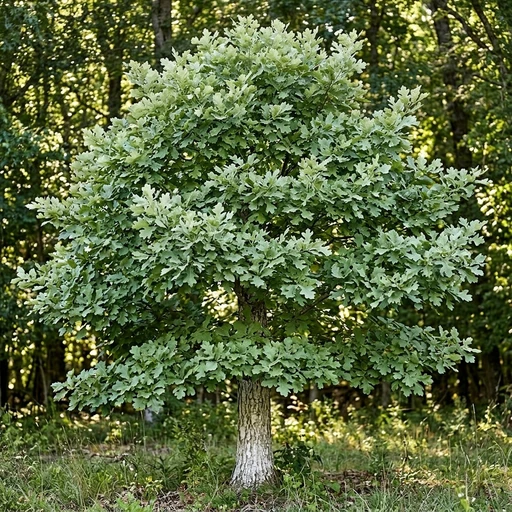
White Oak
Quercus alba
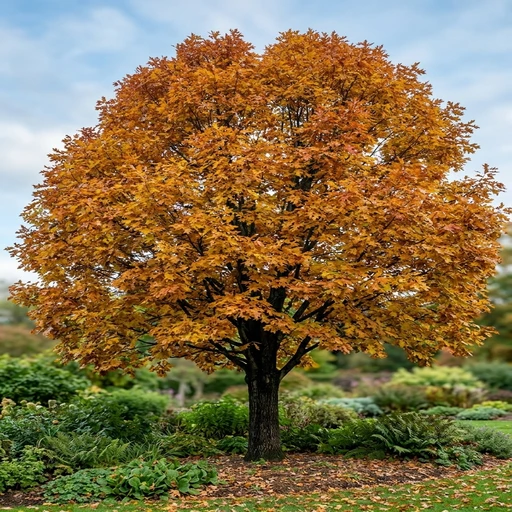
Black Oak
Quercus velutina
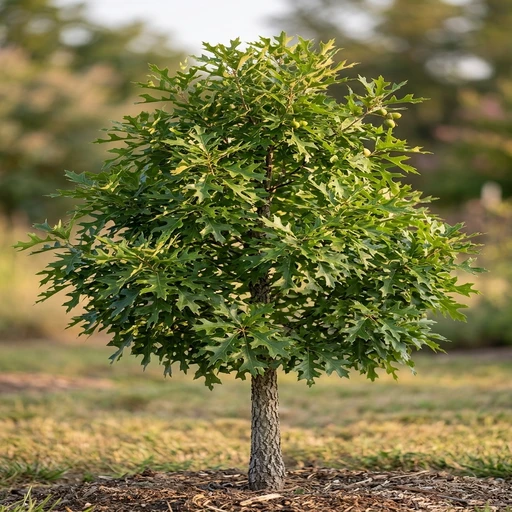
Nuttall Oak
Quercus texana
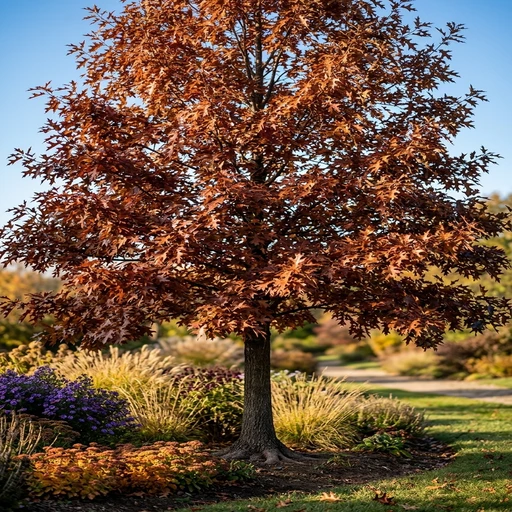
Pin Oak
Quercus palustris
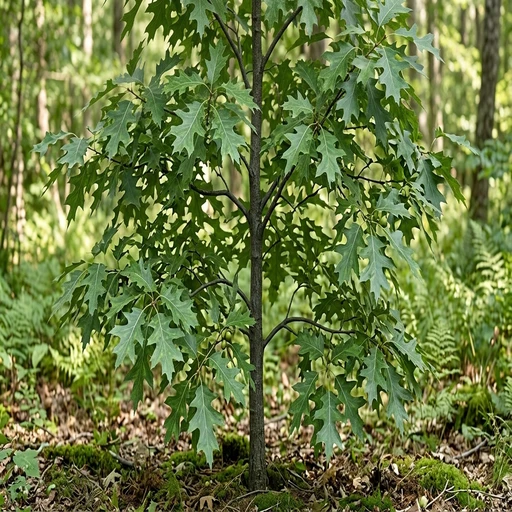
Scarlet Oak
Quercus coccinea
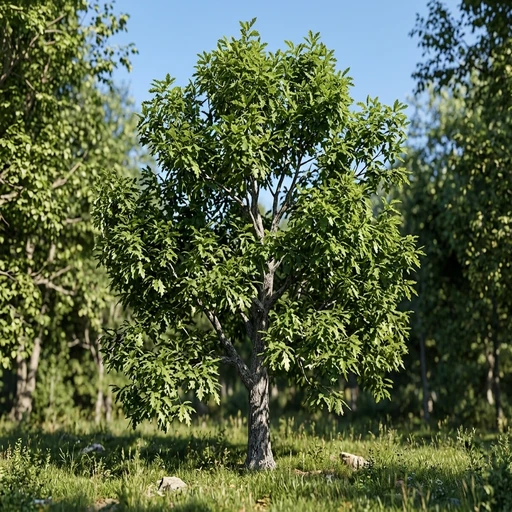
Chinkapin Oak
Quercus muehlenbergii
Keep exploring
Explore the genus
Hardy in your zone?
Grow English Oak with confidence
See it in a design of your actual yard, get zone-matched care reminders, and track it season by season in your garden journal.